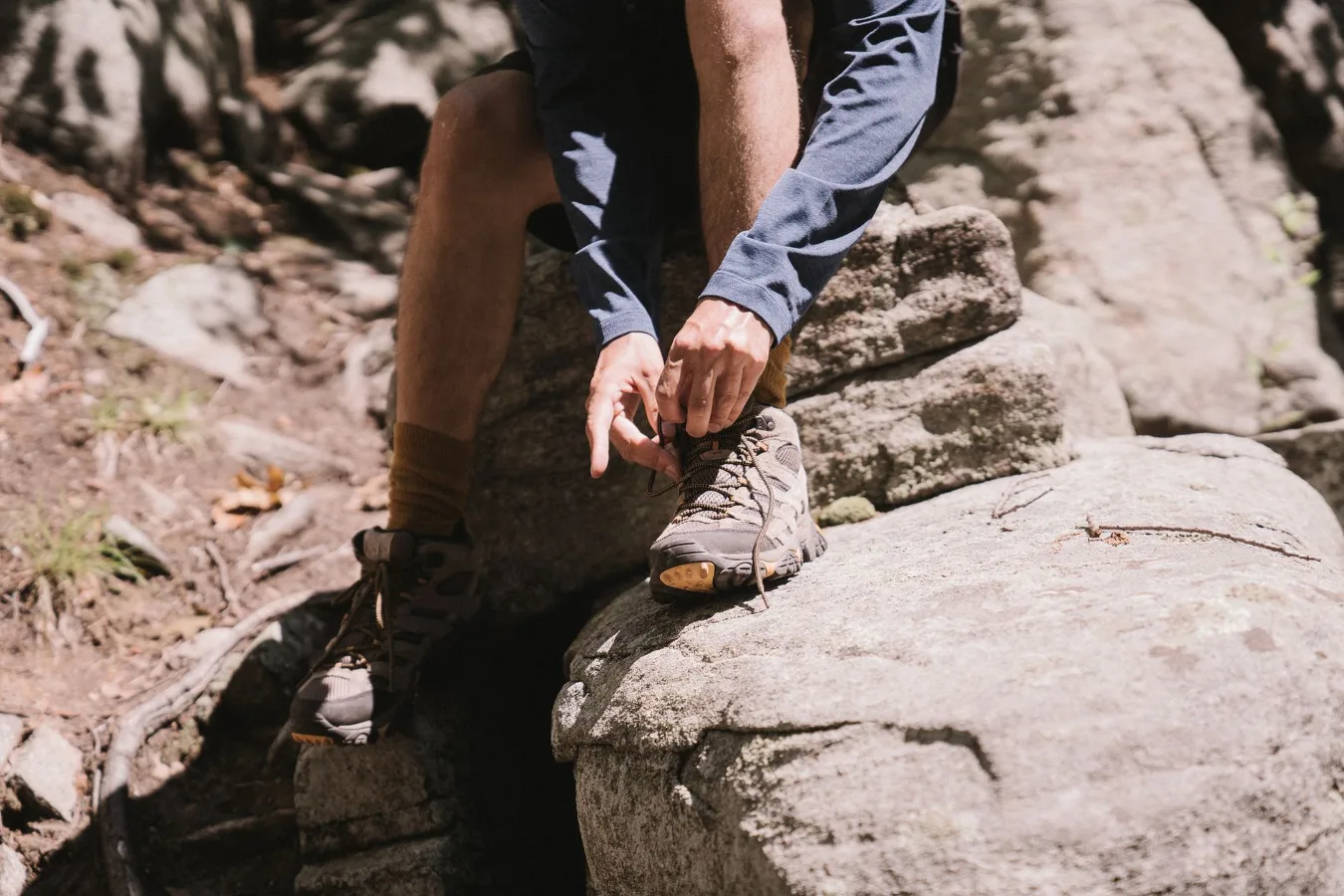
If you’re looking for Salomon hiking boots, the best choice usually comes down to three things: how much support you want, what kind of terrain you hike, and whether you need waterproof protection. Salomon’s hiking lineup is especially appealing if you prefer a lighter, more athletic feel than many traditional boots.
That strength is also the main reason buyers should shop carefully. Not every Salomon model suits the same hiker. Some are better for fast day hikes and mixed trails, while others make more sense for rougher ground, heavier packs, or colder, wetter conditions. The right pair can feel agile and secure; the wrong one can feel too narrow, too stiff, or more boot than you actually need.
What Salomon hiking boots are best for
Salomon hiking boots tend to attract hikers who want traction, a close fit, and a responsive feel underfoot. That makes them a strong match for well-maintained trails, variable terrain, and hikers who do not want the bulk of a heavy leather boot.
They are often worth considering if you hike:
- day trails with frequent elevation changes
- rocky or root-covered paths where grip matters
- mixed conditions that can shift from dry dust to damp ground
- routes where a lighter boot is easier to move in than a rigid backpacking boot
They may be less ideal if you need a very roomy toe box, a classic full-leather hiking boot feel, or maximum ankle structure for heavy loads. In other words, Salomon is often a performance-first choice, not a traditional boot-first choice.
Fit matters more than the logo
The most common mistake with Salomon hiking boots is assuming the right model will automatically fit. Fit is the deciding factor, especially because many hikers find Salomon’s shape more performance-oriented than generous. how to pick the right hiking boot fit offers more detail on this point.
Start with the way the boot holds your heel and midfoot. A secure heel reduces slipping on descents, while a stable midfoot helps the boot feel controlled on uneven ground. Then check toe room: your toes should have space to move naturally, especially if you hike downhill or wear thicker socks.
A practical nuance many buyers overlook is that the same size can feel different across models depending on construction, upper material, and intended use. A waterproof mid-cut boot may feel different from a lighter trail model even if both share a size label. If you are between sizes, foot shape and sock thickness should guide the decision more than habit alone.
Also consider whether your feet swell on long hikes. What feels fine in a short indoor try-on may feel tight after several miles. That matters most for hikers who plan all-day outings, hot-weather trips, or steep descents where the toes take repeated impact.
Key factors to compare before buying
Support level
Support is not just about ankle height. A mid-cut boot can feel supportive because of its chassis, lacing system, and underfoot stability, while a taller boot can still feel flexible. Decide how much guidance you actually need. If you move quickly on established trails, a lighter boot may be enough. If you carry more weight or hike uneven ground often, a more structured option can be useful. learn more about bottega sneakers offers more detail on this point.
Traction
Outsole grip is one of the strongest reasons hikers choose Salomon. Look for lugs and tread patterns suited to your terrain. Deep, widely spaced lugs can help on mud and loose soil, while a more balanced pattern may feel better on rock, hardpack, and forest trails. Traction is always terrain-specific, so the “best” outsole is the one that matches where you actually hike.
Waterproofing and breathability
Waterproof hiking boots can be a smart pick for wet climates, spring conditions, or trails with puddles and stream crossings. The trade-off is breathability: waterproof membranes often feel warmer and may dry more slowly after the inside gets wet.
If you mainly hike in hot, dry weather, a non-waterproof or more breathable model may be more comfortable. If you hike in shoulder seasons or on damp trails, waterproof protection can add real convenience. Just remember that waterproof boots are not automatically better; they are better for specific conditions.
Weight and ride
Salomon is often chosen for a lighter ride. That can reduce fatigue on longer walks and make the boot feel more agile on technical ground. The downside is that lighter boots may feel less protective than heavier alternatives, especially if you prefer a stiff platform or routinely carry substantial weight.
Durability and long-term value
Durability depends on materials, usage, and care. A lighter boot can be a great value if it fits your hiking style and lasts through your typical season. But if you consistently hike abrasive terrain, drag your toes, or use the boots for daily wear beyond the trail, you may want something with more substantial reinforcement. men’s hiking boots offers more detail on this point.
Long-term value is often about matching the boot to the task instead of buying the most rugged-looking option. Overbuilt boots can be uncomfortable and underused; underbuilt boots can wear out faster than expected.
Which Salomon hiking boot type makes sense?
Salomon’s hiking range is broad enough that the right answer depends on use case rather than a single “best” model.
- Light hikers and day-hike options: best if you want speed, flexibility, and lower fatigue.
- Mid-cut hiking boots: useful if you want a bit more support and debris protection without moving into a heavy boot.
- Waterproof versions: worth considering for wet trails, damp brush, and unpredictable weather.
- More rugged trail boots: better for rocky routes, rougher footing, or hikers who want added structure.
A common misconception is that a higher-cut boot always means better ankle support. In practice, support also comes from lacing geometry, sole stiffness, and how well the boot locks your foot in place. A well-fitting mid-cut boot can sometimes feel more secure than a taller boot that does not match your foot shape.
Practical solutions for common buying problems
If you want comfort right away
Choose a model that matches your use case closely instead of trying to “future-proof” with extra stiffness or protection. If you mostly hike maintained trails, a lighter option may feel better from the start and require less adaptation.
If your feet run wide
Salomon fit can be a mixed experience for wider feet. The practical solution is to pay close attention to forefoot room, upper material, and lacing adjustments rather than assuming every model fits the same. If the toe box feels narrow during a short try-on, it rarely feels better after miles on the trail.
If you hike in wet weather
Waterproofing is helpful, but it is not a cure-all. If water comes in over the collar or through prolonged saturation, the boot still becomes wet. In very rainy regions, some hikers prefer waterproof boots for short, wet outings and quick-drying shoes for longer trips where immersion is likely.
If you want one pair for trail and everyday wear
Look for comfort, moderate weight, and a tread that doesn’t feel overly aggressive on pavement. Very aggressive outsole patterns can feel awkward on city surfaces, and heavier boots can become tiring if worn all day off the trail.
Where Salomon can be a better choice than traditional boots
Salomon hiking boots are often a strong fit for hikers who want a shoe-like feel with more protection than a trail runner. That middle ground is useful for people who find traditional boots too stiff or too heavy.
They may be a better choice if you value:
- quick, secure lacing
- lighter movement on hills and uneven ground
- good grip without a bulky build
- a modern performance fit over a classic workboot-style feel
They may be less compelling if your priority is maximum insulation, a roomy heritage fit, or heavy-duty leather construction. Those needs often point toward other hiking boot categories instead.
Common mistakes to avoid
- Buying for appearance instead of fit — trail comfort depends on how the boot matches your foot, not how rugged it looks.
- Ignoring terrain — mud, rock, snow, and hardpack all reward different outsole behavior.
- Choosing waterproofing by default — useful in many conditions, but not always the most comfortable option.
- Overestimating ankle height — collar height alone does not guarantee better support.
- Using hiking boots like everyday sneakers — that can accelerate wear and make tread performance less predictable on the trail.
How to decide with confidence
If you want a straightforward decision rule, start here: choose Salomon hiking boots if you want lightweight trail performance, secure footing, and a more athletic feel than a classic boot. Narrow your choice by terrain first, then weather, then fit.
For most U.S. buyers, that means:
- Day hikers should lean toward lighter, more flexible options.
- Wet-climate hikers should prioritize waterproof versions if comfort in damp conditions matters more than maximum breathability.
- Rocky-trail hikers should pay close attention to traction and underfoot stability.
- Backpackers should weigh support and durability more carefully than casual walkers.
If you are unsure between two models, choose the one that gives your toes the most honest room, your heel the least movement, and your foot the most natural feel when walking downhill. That practical test tells you more than the product name ever will.
Alternatives worth considering
Salomon is not the only route to a dependable hiking boot. Depending on your needs, you may also want to compare:
- traditional leather hiking boots for a sturdier, more classic build
- trail runners if you want even less weight and more flexibility
- roomier hiking boots if forefoot width is your main issue
- insulated boots if you hike in cold weather and need warmth more than speed
The best choice is the one that fits your trail habits, not the one with the broadest appeal. Salomon works especially well for hikers who value efficient movement and dependable traction, but a different category may serve you better if your needs are more specialized.
Used thoughtfully, Salomon hiking boots can be a smart, practical buy for U.S. hikers who want a clean blend of support, grip, and lighter-weight comfort. Focus on fit, terrain, and weather first, and the right pair becomes much easier to identify.