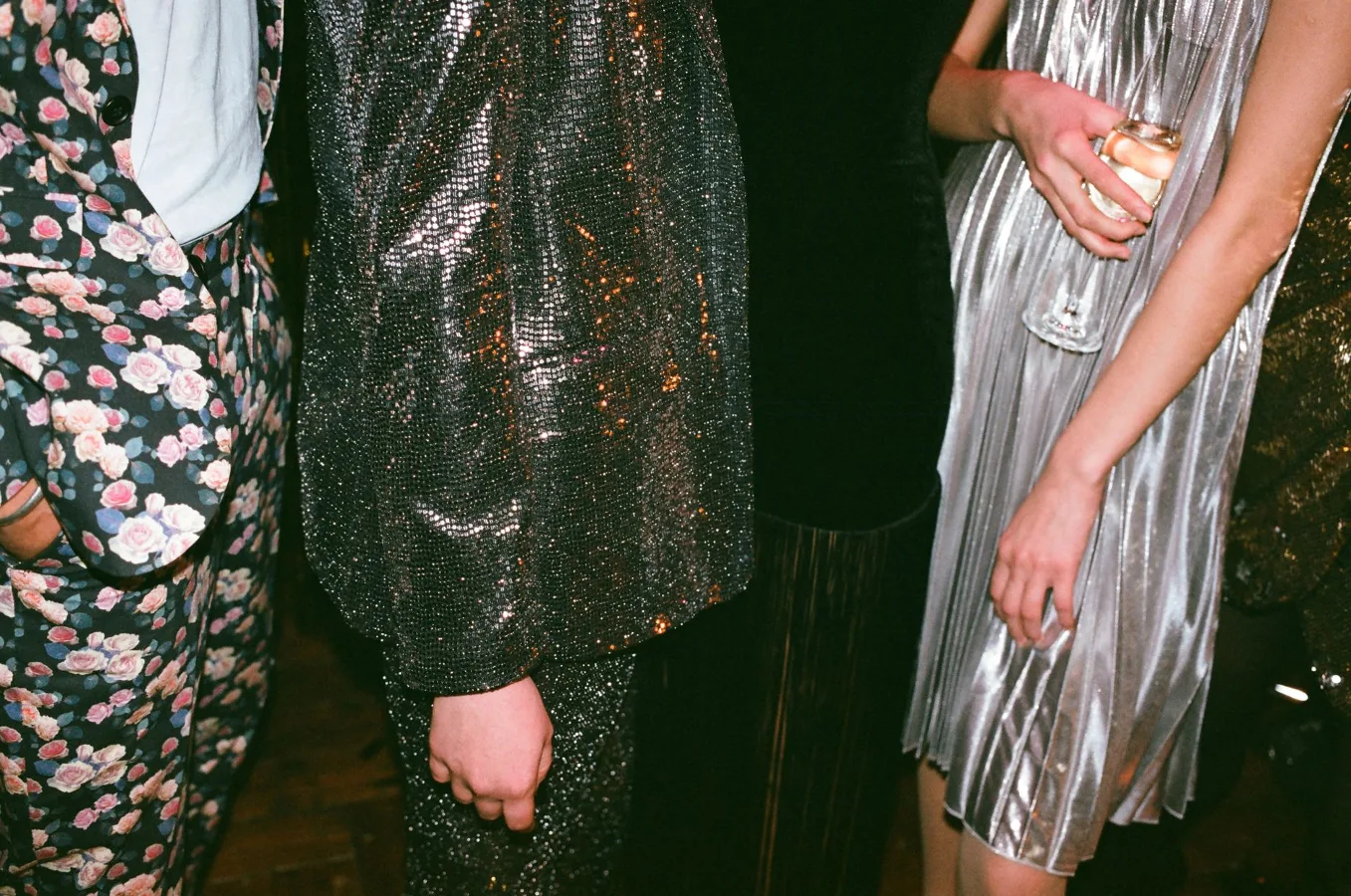
Silver dresses for women work best when you think beyond the color and focus on finish, fabric, and occasion. A silver dress can read polished, glam, minimal, or even modern and cool, depending on how much shine it has and how the silhouette is cut. sheath dresses for women offers more detail on this point. how to style metallic dresses offers more detail on this point.
If you are choosing one for a wedding, holiday party, gala, prom, or a night out, the smartest approach is to match the dress to the setting first, then narrow in on details like neckline, length, coverage, and how reflective the fabric looks in real light.
Start with the kind of event you are dressing for
The same silver dress can feel completely different at a cocktail party than it would at a black-tie event. That is why event context matters more than the color itself. Silver is versatile, but it can swing from elegant to overly flashy if the texture and shape are off.
For weddings and formal receptions
A silver dress can work beautifully for evening weddings, especially when the design is refined rather than overly sparkly. Satin, charmeuse, soft metallic jersey, and sequins with a restrained finish are all common choices. If the event leans formal, a midi or floor-length silhouette usually feels more grounded than a very short hemline.
For wedding guests, the main concern is balance. Silver is eye-catching, so the dress should feel celebratory without competing with the couple or the dress code. Subtle draping, a streamlined shape, or a muted metallic sheen often works better than aggressive shine.
For holiday parties and celebratory nights out
This is where silver dresses can be the most flexible. You can go bolder with sequins, body-skimming knits, cutouts, or a more dramatic shoulder detail. The key is to keep one element in charge. If the fabric is highly reflective, a simpler silhouette can keep the look from becoming overwhelming.
For social events where movement and comfort matter, consider whether the dress allows easy sitting, dancing, and layering. Some silver fabrics look polished but can be unforgiving under bright indoor lighting, so fit becomes especially important.
For prom, homecoming, and special occasions
Silver remains a popular choice for youthful formalwear because it photographs well and pairs easily with a range of accessories. In this category, the biggest decision is usually between a statement dress and one that feels more timeless. A heavily embellished gown makes a bold impression, while a clean satin or metallic dress may offer more long-term wear.
What makes a silver dress feel elegant instead of costume-like
The most overlooked part of buying a silver dress is not the color; it is the finish. Silver can look refined or theatrical depending on how much it reflects light and how the rest of the dress is constructed.
- Muted metallics usually feel more wearable for a wide range of events.
- High-shine sequins create more drama but can feel less versatile.
- Satin and charmeuse give a smoother, softer sheen.
- Beaded or embellished designs add texture, which can make silver feel richer and less flat.
A common misconception is that more shine automatically means a dress looks more expensive. In practice, too much reflection can highlight wrinkles, seams, or fit issues. A well-cut dress in a softer metallic often looks more polished than a heavily glittered one with an awkward silhouette.
Material and construction matter more than they first appear
Silver dresses are especially sensitive to fabric quality because shine tends to reveal texture. That makes construction details more important than they are in many matte dresses.
Satin and charmeuse
These fabrics create a smooth, elegant look that works well for dinners, weddings, and more dressed-up occasions. They tend to drape nicely, but they may also show cling, static, or undergarment lines if the fit is not right.
These are strong options if you want a silver dress that feels sophisticated rather than overtly festive. The trade-off is that they can be less forgiving and may need careful steaming or storage.
Sequins and beading
Sequined silver dresses are the most obviously event-ready option. They are popular for parties and nightlife because they stand out immediately. The downside is that they can feel heavy, scratchy, or restrictive depending on the lining and placement of the embellishment.
If comfort is a priority, look for a smooth lining and pay attention to where the embellishment sits. Dense sparkle all over may be striking, but it is not always practical for long wear.
Metallic knits and stretch fabrics
These can be among the easiest silver dresses to wear because they often move with the body and feel less rigid. They are a smart choice if you want something that looks sleek without the stiffness of a more structured evening gown.
The trade-off is that lighter knits may cling more than expected, so shaping seams and the quality of the stretch become important. A metallic knit can be flattering, but only if the cut works with your body rather than against it.
Choosing the right silhouette for your body and your plans
Fit should guide the purchase just as much as fabric. Silver dresses often draw attention, which means the silhouette needs to feel intentional. Even a simple dress can look elevated if the proportions are right. party dress fit and silhouette guide offers more detail on this point.
Bodycon and fitted styles
These create a sleek, modern look and are common in cocktail settings. They can be very effective in silver because the color adds dimension to a streamlined shape. That said, fitted styles leave little room for error. Underwear, seams, and any pulling across the midsection become more noticeable under metallic finishes.
A-line and fit-and-flare shapes
If you want the shine of silver without a clingy fit, this is a dependable route. The shape tends to feel more forgiving and works well for a range of body types. It is also easier to wear for events where you will be standing for long periods or moving between indoor and outdoor settings.
Slip dresses and column dresses
These are especially appealing if you want a minimalist silver look. The simplicity lets the color do the work. The trade-off is that minimalist shapes usually demand better fabric quality and more attention to layering, because there is nowhere for poor fit to hide.
Mini, midi, or floor-length
Length changes the mood of silver dramatically. A mini dress feels playful and party-ready. A midi dress often feels the most versatile because it can lean polished or festive depending on accessories. A floor-length dress creates the most formal impression, especially in satin or embellished fabrics.
If you are unsure, midi length is often the safest choice for women who want one silver dress that can move across multiple occasions. It is easier to dress up or down than a very short or very formal style.
How to think about shine, undertone, and skin tone
Silver is usually treated as neutral, but not every silver looks the same. Some finishes lean cool and icy, while others are softer and more champagne-like. That variation can make a difference in how the dress looks against your skin and under lighting.
Bright, cool silver often creates a crisp, modern effect. Softer silver tones can feel more subdued and may blend more easily into formal or romantic styling. If you are comparing options online, the product photos may look different from what you see in person because lighting can intensify the sheen.
One practical nuance: silver dresses can photograph differently from how they appear at arm’s length. A dress that looks understated in daylight may appear much more dramatic under flash or indoor event lighting. If the event will include photos, it is worth imagining both settings before choosing.
What to check before buying
Commercial intent usually comes down to comparison, and with silver dresses the details matter. A quick visual scan is not enough.
- Lining: Helps with comfort, opacity, and how smoothly the dress drapes.
- Stretch: A little flexibility can improve comfort, but too much can reduce structure.
- Closure type: Zippers, ties, and wrap designs each affect ease of dressing and fit adjustment.
- Undergarment compatibility: Metallic fabrics can reveal lines, straps, or texture more easily.
- Care instructions: Delicate finishes may require special handling, dry cleaning, or careful storage.
- Seam placement: Poor seam placement stands out more on shiny fabric than on matte fabric.
If you are shopping online, product images can hide a lot. Pay attention to garment length on the model, whether the fabric is described as structured or fluid, and whether the dress uses boning, ruching, or layering to support the fit.
Styling silver dresses without overdoing the look
Because silver already has visual impact, accessories should usually support the dress rather than compete with it. That does not mean the outfit has to be minimal, only that the styling should feel deliberate.
For a sleek dress, simple heels and understated jewelry often work best. If the dress is plain, you can add more shape through shoes, a clutch, or a bold earring. If the dress is heavily embellished, keep the rest quieter so the outfit stays balanced.
Silver also pairs well with a range of metals. Matching everything exactly is not necessary. Mixing silver with pearl, crystal, black accents, or even soft nude tones can keep the outfit from feeling one-note.
For shoes, consider the event and the length of the dress. Barely there heels can elongate the leg, while metallic sandals can reinforce the dress’s shimmer. For cooler seasons, closed-toe pumps or sleek ankle boots may make more sense, especially with midi lengths.
Common mistakes to avoid
Silver dresses are easy to get wrong in ways that are subtle but noticeable.
- Choosing shine before fit: A dazzling dress is not flattering if it pulls, gaps, or clings in the wrong places.
- Ignoring the lighting: Some fabrics look refined in person but harsh in flash photography or strong indoor light.
- Over-accessorizing: Too many competing metallics, gemstones, or prints can make the outfit feel busy.
- Overlooking undergarments: Visible lines can be especially obvious under silver satin or stretch fabrics.
- Assuming all silver is the same: Different finishes create very different levels of formality and wearability.
Good alternatives if silver is almost right
If you like the idea of silver dresses for women but want something slightly easier to wear, a few alternatives can deliver a similar effect.
Champagne, pewter, or soft gray dresses can feel more subdued while still offering a metallic or luminous quality. Ivory with shimmer details can work for certain formal events. Black dresses with silver accessories can also achieve the same polished, evening-ready mood without the full metallic commitment.
These alternatives are useful when you want the visual impact of silver but need more versatility, less shine, or a color that feels easier to rewear.
How to decide quickly
If you are comparing several silver dresses, narrow the choice by asking three questions: does the silhouette suit the event, does the fabric match the level of formality, and will the dress remain comfortable long enough for real wear?
A simple silver midi dress in satin may be the best choice for versatility. A sequined mini may be the better pick for a party where you want maximum impact. A floor-length metallic gown usually makes sense when the dress code leans formal and the setting supports a more dramatic look.
The best silver dress is not necessarily the brightest one. It is the one that fits the occasion, feels comfortable enough to wear confidently, and looks intentional from the first photo to the last hour of the event.
Next steps before you buy
Before adding a silver dress to your cart, compare the product against the event itself. Review the dress length, fabric description, lining, and care notes. Then think through accessories, shoes, and undergarments so the dress works as a complete outfit rather than a standalone piece.
If you are still undecided, start with the most versatile version of the look: a silver midi dress with a clean silhouette and a moderate sheen. From there, you can move toward more sparkle or more structure depending on how much statement you want.