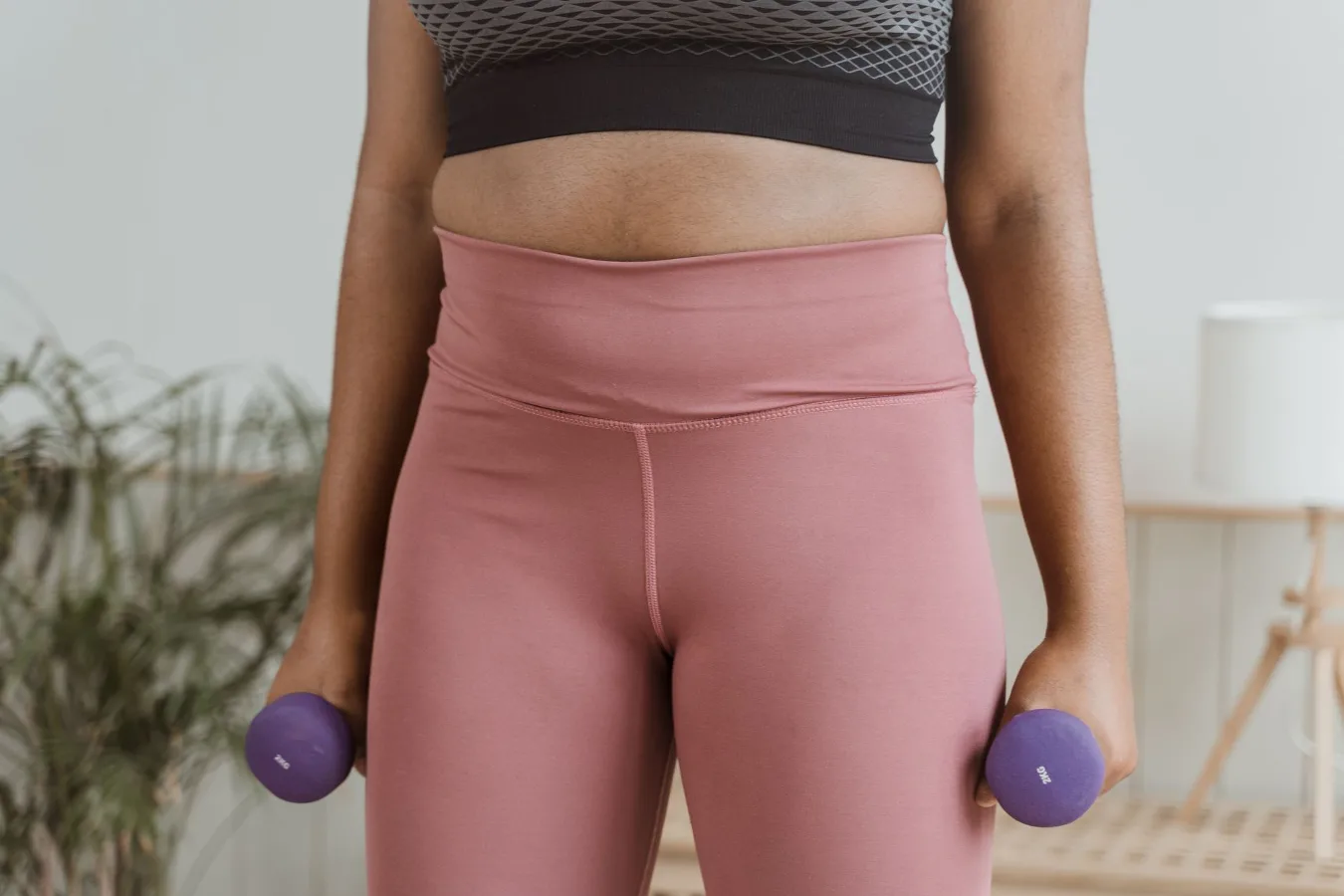
Yoga Pants vs Leggings: the short answer
Yoga pants and leggings overlap, but they are not identical. In most everyday use, leggings are close-fitting stretch pants designed to be worn as a base or standalone layer, while yoga pants usually refer to activewear made with movement in mind, often with a slightly different fit, fabric weight, or silhouette. activewear fit guide offers more detail on this point.
The practical difference is less about the label and more about how the garment behaves. If you want something for yoga, stretching, lounging, or errands, the right choice depends on coverage, fabric recovery, waistband comfort, opacity, and how much structure you want. A pair that looks like leggings can still perform more like yoga pants, and vice versa. leggings comfort offers more detail on this point. Best Scrub Leggings: What to Look For offers more detail on this point.
That overlap is why shoppers often compare the two. The real question is not which one is “better,” but which one fits your activity, your body, and your wardrobe needs.
When the difference matters
For some outfits, the distinction barely matters. If you are wearing a long top, heading to a casual coffee run, or dressing for a gentle class, either style may work. The difference starts to matter more when fit and function affect comfort or confidence.
You should pay closer attention if you need:
- more coverage during bending, squatting, or forward folds
- a waistband that stays put through movement
- a more polished silhouette for wearing outside the gym
- breathability for heat, long workouts, or travel
- durability for repeated washing and frequent wear
A common misconception is that all leggings are meant for exercise. Some are made primarily for fashion, which can mean thinner fabric, less support, and a less forgiving fit. Likewise, not every item sold as yoga pants is ideal for yoga; some are simply athleisure pants with a workout-inspired look.
How to compare them step by step
The easiest way to choose is to compare the garment by function, not by marketing label. Start with the activity, then look at the fabric and fit.
1. Start with your main use case
Ask where you will wear the pants most often. For studio movement, you may prefer yoga pants or performance leggings that allow easy range of motion. For everyday dressing, fashion leggings may be more useful because they pair easily with oversized sweaters, tees, and sneakers.
If you move between settings a lot, versatility matters. A pair that works for a low-impact class and still looks polished enough for lunch or errands may be more valuable than a style that excels in only one setting.
2. Check fabric behavior, not just fabric name
Fabric has a bigger impact than the category name. Look for stretch, recovery, thickness, and breathability. A higher-quality stretch fabric should return to shape after movement instead of bagging at the knees or waist.
For many shoppers, the most important fabric questions are:
- Does the material feel supportive or overly thin?
- Does it hold its shape after sitting, bending, or walking?
- Does it feel comfortable against the skin for several hours?
- Is it likely to show lines or become see-through under tension?
Four-way stretch is often preferred for activewear because it moves with the body in multiple directions. That said, stretch alone is not enough. A soft, stretchy pair can still be poor for workouts if the fabric lacks opacity or recovery.
3. Pay attention to waistband design
Waistbands affect comfort more than many shoppers expect. A wide, high-rise waistband may feel supportive and stay in place during movement. A lower or looser waistband may feel better for lounging but less secure for exercise.
Look for how the waistband sits when you bend, sit, or walk. A waistband that rolls down, digs in, or shifts constantly can turn a promising pair into a frustrating one.
4. Judge coverage in motion
Coverage is one of the most overlooked factors in the yoga pants vs leggings debate. A pair can look fine standing still and still fail when you squat, lunge, or reach overhead. This matters for workouts, but also for everyday confidence.
A good check is whether the fabric remains opaque when stretched and whether the garment stays smooth across the hips and thighs. Seams, pocket placement, and rise all affect how secure the pants feel once you start moving.
5. Decide how much structure you want
Some leggings are sleek and body-hugging. Some yoga pants have a softer, more relaxed drape or a bootcut or flare shape. Neither is universally better. The right amount of structure depends on your style and comfort preferences.
If you like a streamlined silhouette, leggings may suit you better. If you want a little more ease through the leg or prefer a less compressed feel, yoga pants can be the better fit.
Common style and fit differences
| Factor | Leggings | Yoga pants |
|---|---|---|
| Fit | Usually close-fitting throughout the leg | May be fitted, slightly relaxed, bootcut, or flared |
| Primary use | Casual wear, layering, and some workouts | Movement-focused wear, lounging, and athleisure |
| Coverage | Depends heavily on fabric and construction | Often designed with comfort and movement in mind |
| Silhouette | Sleek and streamlined | Can look more relaxed or balanced at the hem |
| Best for | Layering, minimalist outfits, everyday styling | Studio sessions, comfortable all-day wear, relaxed outfits |
This comparison is intentionally broad because brands use the labels differently. A fashion retailer may call a thin pull-on pant a legging, while an activewear brand may use yoga pants to describe a technical stretch style with more support. The category on the tag matters less than the details you can inspect.
Examples of how each one works in real life
For a yoga class, yoga pants may be the safer choice if you want a more secure waistband, better coverage during forward folds, and fabric that feels stable as you move. Some people also prefer the slight structure of yoga pants because it helps them feel less exposed during floor work or stretching.
For running errands or casual office wear, leggings may be easier to style. They pair well with longer tops, oversized knits, tunics, jackets, and sneakers. If your wardrobe leans minimalist, black leggings often become a reliable base layer.
For lounging, both can work, but comfort details matter. A softer waistband, smooth seams, and breathable fabric may matter more than whether the item is technically labeled leggings or yoga pants.
For travel, a midweight pair with good stretch and shape retention is often the most practical. You want something that looks presentable after sitting for long periods and still feels comfortable when you move through airports, cars, or train stations.
What to look for before you buy
If you are shopping online, product photos alone can be misleading. A polished image does not tell you how the fabric behaves under tension. Focus on the details that affect wearability.
- Fabric composition: Look for a blend that balances stretch, recovery, and comfort.
- Opacity: Search for descriptions that suggest coverage, especially if you plan to squat or bend in them.
- Rise: High-rise styles often offer more coverage and stay-put comfort.
- Seams: Flat seams can reduce irritation, especially for longer wear.
- Length: Full-length, 7/8, crop, and ankle-length styles each change the look and use case.
- Hem shape: Straight, tapered, bootcut, and flare hems all create different visual effects.
- Care instructions: Easy-care fabrics are more practical if you wear them often.
Another overlooked detail is the intended level of compression. Some leggings are designed to feel snug and supportive, while others are meant to feel soft and relaxed. If you dislike a tight feel, a more forgiving yoga pant may be more comfortable even if it is less sleek.
Trade-offs worth considering
Leggings are usually easier to style and layer, but they can feel unforgiving if the fabric is thin or the fit is too tight. Yoga pants can feel more comfortable for movement, but some styles are less streamlined and may not suit every outfit.
There is also a practical trade-off between support and softness. The most supportive pair may not feel the most relaxed for lounging. The softest pair may not provide enough stability for exercise. If you want one pair to do everything, expect to compromise on at least one feature.
For many shoppers, the best option is not choosing one category forever. It is building a small rotation: one pair for workouts, one for errands, and one for comfort-focused days. That approach usually works better than forcing a single pair to serve every purpose.
Common mistakes shoppers make
- Choosing by label alone: A product called “yoga pants” is not automatically better for yoga.
- Ignoring opacity: Thin fabric can become a problem once you move.
- Overlooking waistband comfort: A waistband that shifts or folds can ruin the fit.
- Buying the same style for every occasion: Different activities benefit from different fabrics and silhouettes.
- Focusing only on softness: Soft fabric is comfortable, but recovery and coverage matter too.
- Skipping the care label: Frequent wear demands fabric that is easy to maintain.
A practical nuance that gets missed often: the most flattering pair is not always the most functional pair. Some leggings look great standing still but become uncomfortable during movement. Some yoga pants feel excellent in motion but look too casual for the rest of your wardrobe. The right choice depends on which compromise you are willing to make.
Which one should you choose?
If you want a simple decision rule, use this:
- Choose leggings if you want a streamlined look, easy layering, and something that works well for casual outfits.
- Choose yoga pants if you want more movement-friendly comfort, a possibly less compressed feel, or a silhouette that is better suited to studio wear and relaxed athleisure.
If your priority is exercise, choose the pair that stays secure, remains opaque, and moves without distraction. If your priority is everyday styling, choose the pair that fits cleanly under tops and feels comfortable for hours. If you need both, look for performance leggings that borrow the comfort and coverage associated with yoga pants.
Checklist before you decide
- Does the fabric feel supportive without being restrictive?
- Will the waistband stay comfortable through sitting, stretching, and walking?
- Is the fabric opaque enough for your intended use?
- Do you want a sleek silhouette or a more relaxed activewear look?
- Will you wear it mostly for workouts, errands, lounging, or travel?
- Is the care routine realistic for how often you plan to wear it?
For shoppers trying to choose between yoga pants vs leggings, the best answer is usually the one that matches the way you actually dress, move, and live. The label can help, but the details decide whether the pair becomes a favorite or stays unworn in the drawer.