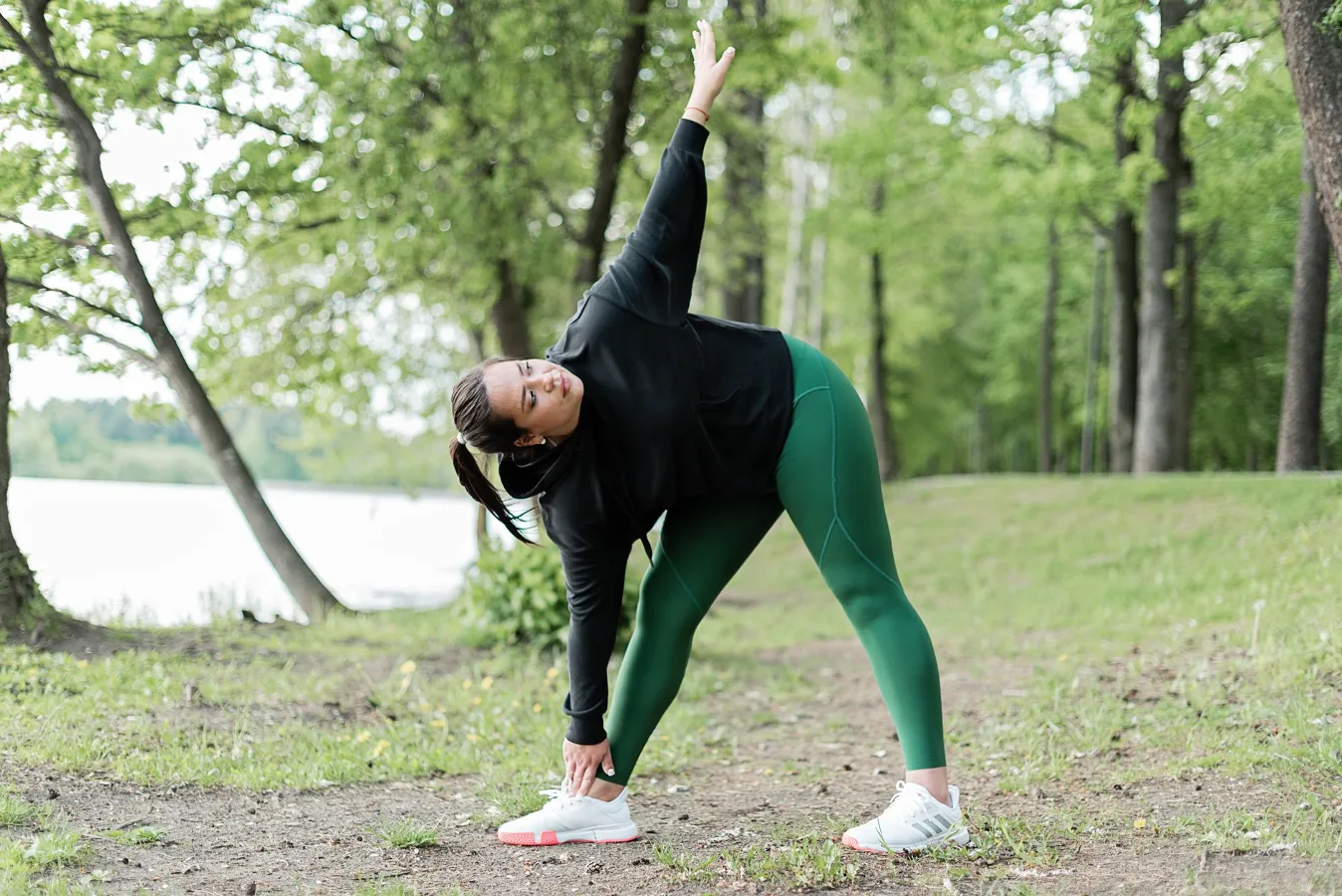
If you’re searching for Zyia leggings, you’re probably trying to figure out whether they fit your needs, not just what they look like on a product page. The right pair depends on how you plan to wear them, how much support you want, and how important details like waistband height, fabric feel, and coverage are to you. Skirted Leggings: How to Choose the Right Pair offers more detail on this point. swim leggings offers more detail on this point.
Zyia sits in the activewear space, so the real question is less about one universal “best” pair and more about which style makes sense for your body, your activity level, and your wardrobe. Some shoppers want leggings that feel soft enough for errands and lounging. Others need something more stable for training, stretching, or all-day wear. A good buying decision comes from matching the legging to the job.
When Zyia leggings make the most sense
Zyia leggings are worth considering if you want activewear that can move between workout and casual settings. That crossover use case is a major reason people look for this brand. If your ideal pair needs to do more than one thing, you’ll want to pay close attention to construction, fabric type, and fit details rather than focusing only on color or style.
They may be especially appealing if you prefer leggings that feel polished enough for everyday outfits but still functional enough for movement. That said, no single pair of leggings solves every problem. A style that works beautifully for yoga may feel too soft for high-impact training. A more compressive style may feel secure for exercise but less comfortable for long hours of lounging.
Step-by-step criteria for choosing the right pair
1. Start with your main use case
Before comparing styles, decide where you’ll wear them most often. This is the fastest way to narrow the field.
- For workouts: prioritize support, stretch recovery, and coverage during movement.
- For yoga or Pilates: look for ease of movement and a waistband that stays in place without feeling restrictive.
- For everyday wear: comfort, softness, and a flattering silhouette usually matter more than technical performance.
- For travel or long days out: choose a style that balances comfort, durability, and practical details like pockets.
A common mistake is buying based only on the “athletic” label. A legging can be designed for movement but still be a poor fit for your actual routine if the fabric, waistband, or rise does not suit how you live in it.
2. Pay attention to fabric feel and stretch
Fabric is one of the biggest decision points in leggings, and it affects almost everything: comfort, drape, compression, and how the garment behaves after repeated wear. Some shoppers prefer a softer, more brushed feel because it works well for casual use. Others want a smoother, more structured feel that can handle active movement with less shifting. how to choose leggings that fit well offers more detail on this point.
Think about how you respond to stretch fabrics in general. If you dislike a tight, held-in sensation, a lighter-support legging may be more wearable. If you want a more secure fit, a fabric with noticeable compression may be the better choice. Neither is inherently better; they serve different needs.
One overlooked consideration is how fabric choice affects confidence. A pair that feels great in a mirror might still stay in your closet if you worry about transparency, waistband roll-down, or visible lines during movement. Comfort is partly physical and partly practical.
3. Decide how much support you want
Support in leggings is not the same as shapewear. In activewear, support usually means a fit that feels stable through the waist, hips, and thighs without creating excessive restriction. The right amount depends on your body and your intended use.
- Lower support: usually feels softer and more relaxed for lounging or light activity.
- Moderate support: often works best as an everyday sweet spot.
- Higher support: may suit workouts, longer wear, or anyone who likes a more secure feel.
If you are between sizes or sensitive to tight waistbands, support level matters even more than style. A legging that feels “snug enough” at first can become distracting after a full day of wear if the waistband digs, slides, or bunches.
4. Evaluate rise and waistband shape
High-waisted leggings remain popular because they often feel more secure and pair easily with cropped tops, longer tees, and layered athleisure looks. Still, high-rise does not automatically mean comfortable for everyone. The waistband shape, firmness, and placement can change the experience significantly.
Look for the rise that matches your preferences:
- High-rise: often chosen for coverage and a smoother line under tops.
- Mid-rise: may feel less restrictive and work better for those who dislike a very high waistband.
A useful nuance: some shoppers assume a higher waistband will always prevent slipping. In reality, a waistband that is too tight can roll or fold, while one that is too loose can slide down. The best fit is the one that stays put without constant adjustment.
5. Think about length and proportions
Legging length affects both comfort and appearance. The same pair can look polished on one person and awkward on another if the inseam lands at an unflattering point. If you are tall, short, or have especially long or short legs relative to your torso, length should be a real consideration, not an afterthought.
Also consider how you wear your leggings with footwear. Full-length styles may look cleaner with sneakers and boots, while cropped lengths can feel lighter for warmer weather or indoor fitness. If you plan to wear them year-round, versatility matters.
6. Check practical details that actually affect daily use
Small design features can make a big difference in how often you reach for a pair.
- Pockets: useful for keys, phones, and quick errands.
- Seam placement: can affect comfort and the overall look.
- Waistband construction: influences whether the leggings stay in place.
- Opacity: matters for bending, stretching, and confidence in bright lighting.
- Care requirements: determine how easy the leggings are to keep in rotation.
If you plan to use leggings frequently, these details may matter more than trend-driven design choices. A pair that checks the functional boxes usually earns more wear over time.
Common styles shoppers look for in this category
People searching for Zyia leggings are often comparing a few broader activewear categories, even if they do not use those terms explicitly. Understanding the differences can help you choose faster.
- Compression-style leggings: better if you want more hold and structure.
- Soft, brushed leggings: better if comfort and casual wear are the priority.
- Training leggings: usually aimed at movement and stability.
- Lifestyle leggings: designed to blend with everyday outfits.
- Leggings with pockets: practical for commuting, walking, and travel.
One practical trade-off is that softer leggings often feel more comfortable immediately, while more structured leggings may hold their shape better during active use. If you want both, you may need to compromise on one side or keep more than one pair in rotation.
What to compare before you buy
If you are deciding whether a particular Zyia legging is right for you, use a short checklist instead of relying on photos alone.
Fit and sizing checklist
- Will the waistband sit comfortably during bending and sitting?
- Does the legging appear designed for compression, softness, or a balanced fit?
- Will the length work with your height and shoe choices?
- Does the style seem suited to your main activity?
- Are there enough practical details for your daily routine?
Use-case checklist
- Gym sessions: look for stability and coverage.
- Yoga or stretching: look for mobility and low distraction.
- Everyday wear: prioritize comfort and versatility.
- Travel: prioritize all-day comfort and functionality.
- Layered outfits: choose a clean silhouette that works under longer tops and jackets.
This approach keeps the decision grounded in how you will actually wear the leggings, which is more useful than trying to judge them by style alone.
Examples of how to choose by shopper type
If you want leggings for workouts first
Focus on support, waistband security, and movement-friendly construction. If you often squat, lunge, or stretch, coverage and opacity should be high on your list. You may prefer a more compressive feel if you do not want to think about adjusting your leggings mid-session.
If you want leggings for errands and casual wear
Comfort and appearance tend to matter most here. A softer pair may be more appealing if you want to wear leggings for hours without feeling restricted. Pockets can be a bigger benefit than they first appear, especially if you tend to leave the house with only a phone and keys.
If you want a single pair to do both
Look for a middle ground: enough support to feel secure, but enough softness to stay comfortable through daily life. This is where trade-offs become unavoidable. The most workout-ready pair may not be the most relaxed for lounging, and the coziest pair may not give the best hold during exercise.
Common mistakes to avoid
- Choosing for style alone: attractive leggings can still be the wrong fit for your routine.
- Ignoring rise and waistband shape: these often determine long-term comfort.
- Overlooking opacity concerns: especially important for bending and stretching.
- Assuming one fabric works for all purposes: soft, compressive, and performance fabrics serve different needs.
- Buying a trend instead of a function: if the leggings do not fit your life, they will not get worn often.
How Zyia leggings compare in a broader wardrobe
Within an activewear wardrobe, Zyia leggings can make sense as part of a larger mix rather than as your only pair. Many shoppers find it useful to have at least two categories in rotation: one pair for movement and another for casual wear. That gives you flexibility when a single style does not cover every use case well.
If you already own leggings from other athletic brands, compare the features you actually use most. Do you keep reaching for soft fabric, a higher rise, or pockets? Do you avoid pairs that slide down or feel too tight at the waist? Those patterns usually tell you more than product marketing.
Quick decision checklist
- Define your main use: workout, lounge, travel, or everyday wear.
- Choose the support level you are comfortable with.
- Check rise and waistband shape for all-day wear.
- Think about length and how it fits your proportions.
- Look for practical features that match your routine.
- Compare soft versus structured fabric based on how you want the leggings to feel.
If a style checks the right boxes for your real routine, it is more likely to become a reliable staple instead of a one-time purchase.
FAQ
Are Zyia leggings good for everyday wear?
They can be, especially if you like activewear that doubles as casual clothing. The best choice depends on whether you prefer a softer, more relaxed feel or a more supportive fit.
Should I size up or down in leggings?
The safest approach is to follow the brand’s sizing guidance and compare it with how you like leggings to fit. If you want more compression, your regular size may work better. If you dislike a tight waistband, a different style or a larger size may be more comfortable.
What matters more: fabric or waistband?
Both matter, but the waistband often determines whether you will keep wearing the leggings for long stretches. Fabric affects comfort and movement, while waistband shape affects stability.
Are high-waisted leggings always better?
Not always. High-rise styles are popular for coverage and styling, but some people find them too restrictive. The best rise is the one that feels secure without rolling or digging in.
What is the biggest mistake shoppers make with activewear leggings?
Buying for appearance first and function second. A better approach is to match the legging’s support, feel, and construction to how you actually plan to wear it.