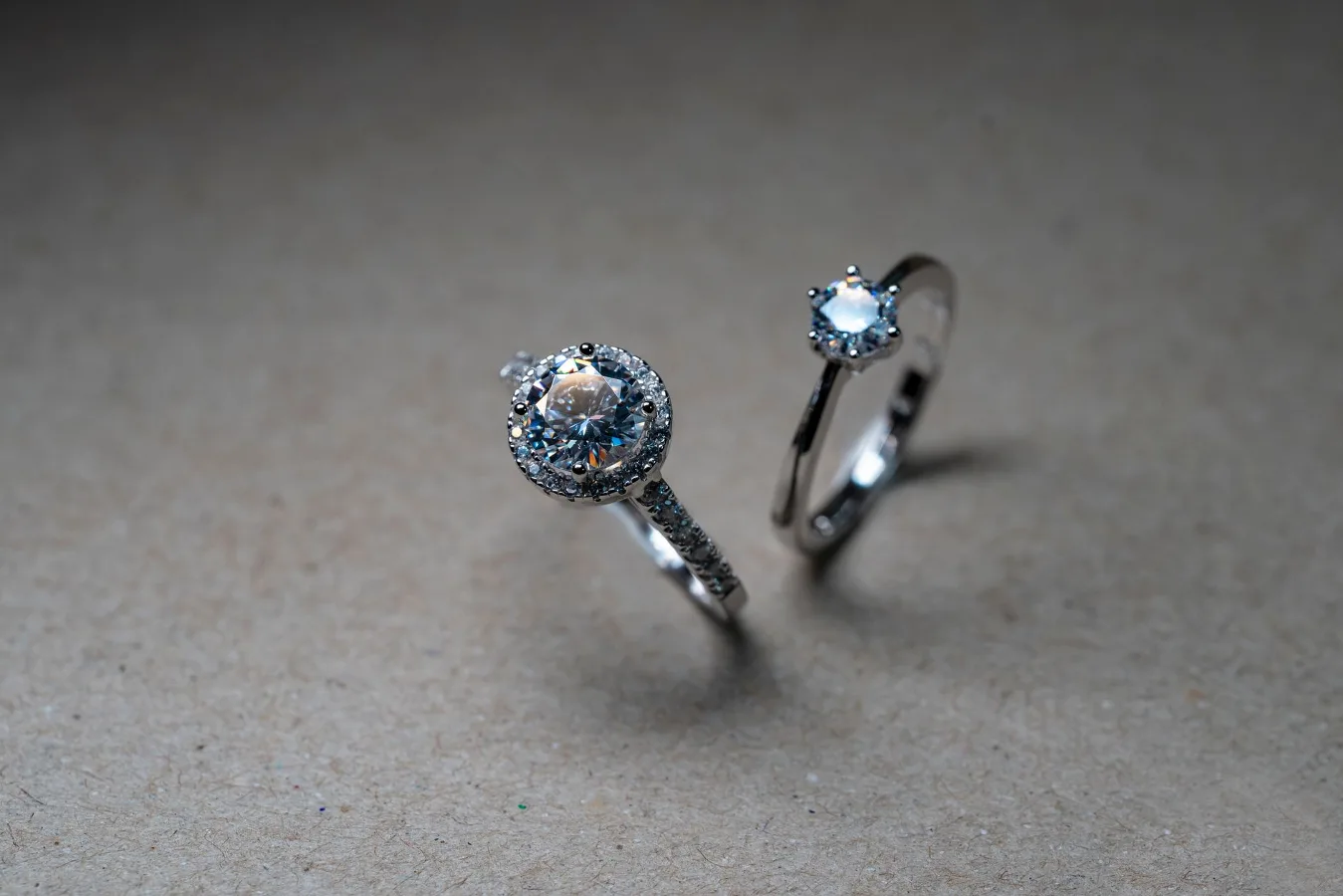
Elongated cushion cut engagement rings are a strong choice for shoppers who want a shape that feels romantic without looking overly traditional. The cut keeps the cushion’s softened corners and rounded outline, but stretches the silhouette so the center stone appears longer on the finger. solitaire vs halo engagement rings offers more detail on this point. best metals for engagement rings offers more detail on this point.
That longer shape is the main appeal. It can look elegant in a solitaire, airy in a hidden halo, and especially balanced in a three-stone setting. But the elongated cushion also asks a few practical questions: how long should it look, which setting best protects the corners, and what trade-offs come with the shape compared with an oval, radiant, or classic cushion cut?
Why this shape appeals to so many buyers
The elongated cushion cut sits in a sweet spot between vintage softness and modern length. It still reads as a cushion, so you get the rounded, pillowy outline that many people love, but the stretched proportions often create a more refined and finger-lengthening effect than a square cushion.
For buyers, that means the ring can feel substantial without looking bulky. It also tends to suit a wide range of settings, from minimal solitaires to ornate halos. If you like a shape that feels softer than an oval and less angular than a princess cut, the elongated cushion is worth serious consideration.
One overlooked advantage is how adaptable the shape can be visually. A similar center stone may look more classic in one setting and more modern in another, so the setting does a lot of the styling work. That flexibility is useful if you want a ring that can lean timeless, vintage-inspired, or fashion-forward depending on the details around it.
Buyer scenario: who usually likes elongated cushion cut rings
This shape is often a fit for shoppers who want a ring with presence but not sharp edges. It also appeals to people who like the idea of a cushion cut but prefer a longer outline on the hand. If the goal is a style that feels soft, flattering, and elegant, the elongated cushion deserves a close look.
- Good for buyers who want a romantic shape with a modern silhouette.
- Good for those comparing it with oval, radiant, or standard cushion cuts.
- Good for people who want a stone that can look graceful in both simple and detailed settings.
- Less ideal for buyers who want the crisp geometry of a princess or emerald cut.
It is also a useful option if the ring will be worn every day and you want a center stone that feels distinctive without being too trendy. The shape is recognizable, but not so common that it feels generic.
How to judge the shape beyond the first impression
With elongated cushion cut engagement rings, the shape alone does not tell the full story. Two stones can both be called elongated cushions and still look very different because of how they handle length, corner softness, and face-up spread.
Length and visual balance
The stone should look intentionally elongated, not accidentally stretched. A well-balanced elongated cushion keeps enough width to preserve the cushion identity, rather than drifting too close to an oval or a rectangular radiant.
Ask how the stone looks from a normal viewing distance, not just under magnification. Some stones have a more obvious rectangular outline, while others keep a softer, squarer feel. Neither is automatically better; the right choice depends on whether you want a pronounced lengthening effect or a subtler variation on the classic cushion.
Facet pattern and sparkle style
Elongated cushions can vary in how they reflect light. Some show larger, softer flashes; others can look more lively and fragmented. The visual result is not just about brightness, but about whether you prefer broad sparkle or a busier, more scintillating look.
Because sparkle is influenced by cut style and proportions, it helps to compare several stones side by side rather than relying on a single image. Online photos can be useful, but the most important thing is how the stone presents in different lighting conditions.
Material and spec factors that matter most
For this shape, the decision is rarely just about the center stone. The metal, setting height, prong style, and band width all affect the way elongated cushion cut engagement rings wear and look over time.
Setting style
The setting changes both appearance and practicality. A solitaire keeps attention on the center stone and usually emphasizes the elongated outline. A hidden halo can add sparkle without overwhelming the shape. A traditional halo can make the ring feel larger and more ornate, but it may also reduce the clean, elongated effect if the halo is very round or heavy.
Three-stone settings can be especially attractive with this shape because the side stones can reinforce the length. Trapezoids, tapered baguettes, and elongated side stones can all support the center without fighting it. By contrast, very large round side stones may make the center look shorter than it actually is.
Metal choice
Metal changes the overall mood. Yellow gold brings warmth and a softer vintage feel. White gold or platinum gives the ring a cooler, more modern look. Rose gold can lean romantic and slightly antique.
The best metal is not just a color choice. It also affects maintenance and how often the ring may need refinishing or polishing, depending on the metal and daily wear habits. Buyers who want a lower-maintenance look may prefer metals that keep their appearance with less attention, while others are fine with occasional care for the sake of the finish they want.
Prongs and protection
Because elongated cushion cuts still have corners, even if softened, the setting should protect those points well. Prong placement matters. A secure setting helps reduce exposure without making the stone look boxed in.
For active wearers, this is one of the most practical parts of the decision. A higher profile can showcase the stone, but a lower profile may feel safer and easier to wear daily. Neither is inherently superior; the right answer depends on how and where the ring will be worn.
Band width and proportion
Band width can make a ring look balanced or visually top-heavy. A very delicate band can make a substantial center stone appear even larger, while a wider band can ground the design and make it feel sturdier. The best choice depends on the size of the center stone and the style you want.
One common mistake is focusing on the center stone and ignoring the band entirely. The band frames the shape, and with an elongated cushion, the relationship between the two matters. A ring that looks elegant in a close-up product image may feel very different once it is on the hand.
Trade-offs to understand before you decide
Every shape has compromises, and elongated cushion cut engagement rings are no exception. The charm of the shape is also what creates some of its limitations.
- Pro: soft, romantic edges with a longer silhouette.
- Pro: flexible styling across solitaire, halo, and three-stone settings.
- Pro: can create a flattering visual length on the finger.
- Trade-off: the shape can vary a lot from stone to stone, so consistency matters.
- Trade-off: some settings can hide the elongation or make the stone look shorter.
- Trade-off: corner protection and everyday durability depend heavily on the setting.
A subtle but important limitation is that the term “elongated cushion” does not guarantee a single look. Two rings with the same label can differ meaningfully in outline, depth, and sparkle pattern. Shoppers who want a specific visual outcome should compare images carefully and look beyond the category name.
Style directions that work especially well
The elongated cushion can lean in several style directions without losing its identity. The surrounding details decide whether the ring feels classic, antique, minimal, or glamorous.
Minimal and modern
A simple solitaire lets the shape do the talking. This is a clean option for buyers who want the center stone to remain the clear focal point. It also tends to keep the ring versatile if you plan to pair it with a wedding band later.
Vintage-inspired
Milgrain edges, delicate halos, and detailed gallery work can bring out the cushion’s softer personality. This direction works well if you like rings that feel heirloom-like without looking overly ornate.
Bold and bright
A halo or a more sculptural setting can amplify sparkle and give the ring a more dramatic presence. This approach works best when the halo or side stones complement the elongated shape rather than flattening it.
Alternatives worth comparing
If you are unsure whether an elongated cushion is the right shape, a few comparisons can clarify the decision quickly.
- Classic cushion cut: usually reads softer and more square, with less length.
- Oval cut: looks longer and often sleeker, but with a more continuous outline.
- Radiant cut: brings a more angular, structured sparkle pattern.
- Emerald cut: offers step-cut clarity and a more architectural feel.
- Pear cut: creates a more directional, tapered silhouette.
If you like the elongated look but want a different personality, the oval is the closest comparison. If you want a more vintage-feeling softness, the elongated cushion often wins. If you prefer sharper geometry, the radiant or emerald cut may suit you better.
Common mistakes shoppers make
One frequent mistake is choosing a ring based only on a name or an image thumbnail. The real visual difference often comes from proportions, not just the cut label. Another mistake is overlooking how the setting changes the shape. A center stone can look more elongated in one mounting and much less so in another.
It is also easy to forget about everyday wear. A taller setting may look beautiful, but if you use your hands a lot, the ring may need more caution around bags, knitwear, and hard surfaces. Buyers who want a lower-profile feel should ask early about setting height instead of assuming it can be adjusted later without affecting the design.
A final pitfall is ignoring wedding band compatibility. Not every elongated cushion setting will sit flush with every band. If you already know the style of wedding band you want, that should inform the engagement ring design from the beginning.
What to look for next before you buy
Once you know you like the shape, narrow the choice by focusing on the details that will matter after the proposal, not just on the day of purchase.
- Compare several proportions. Look at different elongated cushions to see how much length you prefer.
- Check the setting profile. Decide whether you want a low, medium, or higher set ring.
- Think about daily wear. Consider your hands-on routines, work environment, and comfort preferences.
- Review metal and maintenance. Pick a metal that fits both the look and the upkeep you are comfortable with.
- Plan for the band. Make sure the engagement ring and wedding band can work together visually and physically.
If you are deciding between two similarly appealing rings, the better choice is usually the one that fits your daily life more smoothly. The right elongated cushion cut engagement ring should feel beautiful, but it should also make sense as a piece of jewelry you will wear often.
Choosing with confidence
Elongated cushion cut engagement rings are compelling because they combine softness, length, and versatility in one shape. They can look understated or ornate, classic or contemporary, depending on the setting and metal. That flexibility is the reason many shoppers keep coming back to them after comparing other diamond shapes. cushion cut engagement rings diamond offers more detail on this point.
The most useful way to shop is to focus on proportions, setting security, and how the ring will live on the hand. If the stone looks balanced, the setting supports the shape, and the design fits your everyday routine, the ring is more likely to stay satisfying long after the initial excitement fades.
For buyers who want a romantic center stone with a flattering silhouette and plenty of styling range, the elongated cushion remains one of the most compelling choices in bridal jewelry.