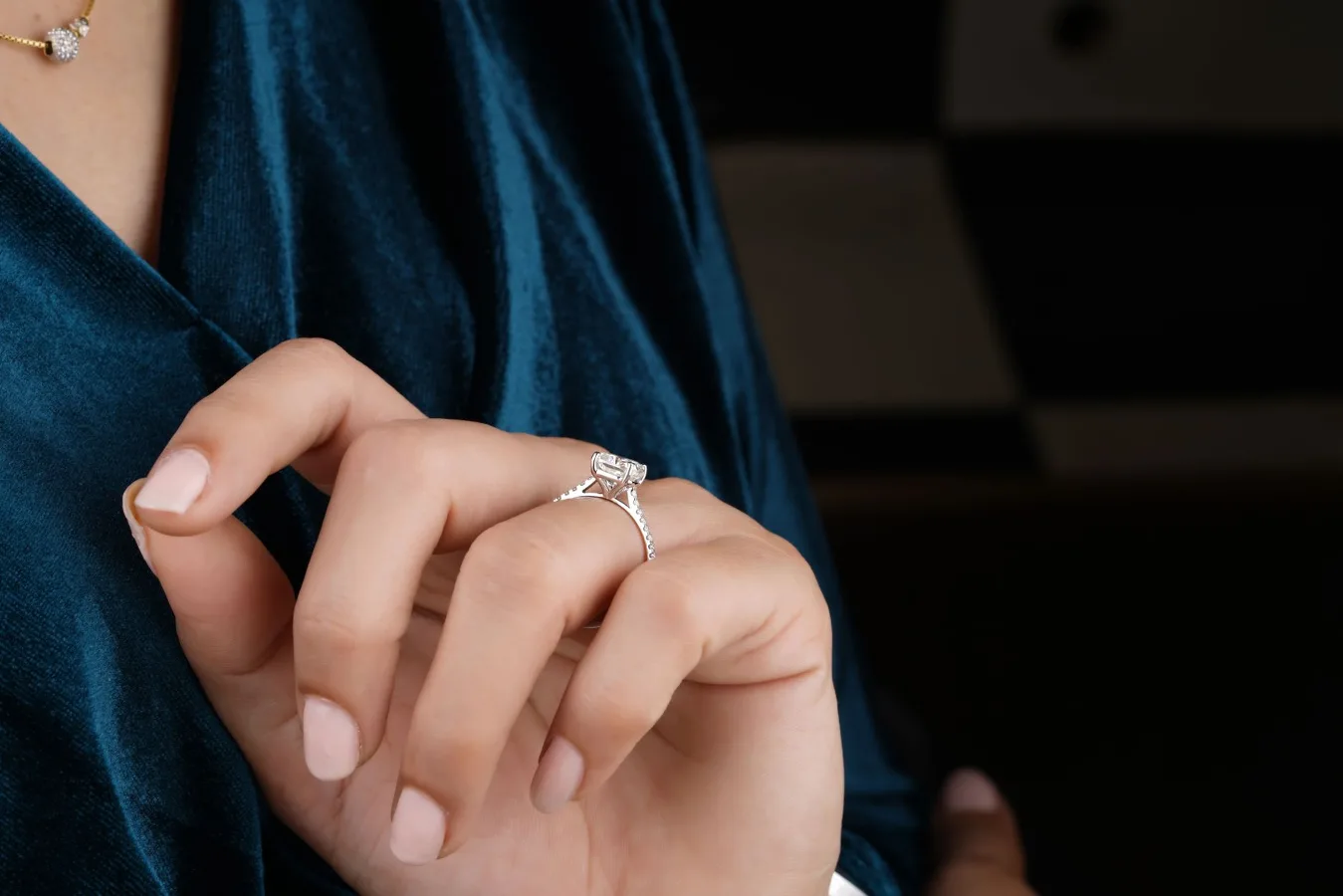
Why radiant cut engagement rings stand out
Radiant cut engagement rings appeal to shoppers who want a shape that feels both refined and lively. The cut has a rectangular or square outline with cropped corners, but its faceting is designed to create strong brilliance rather than the softer glow associated with some other fancy shapes. rose gold engagement rings offers more detail on this point. Gold and Rose Gold Engagement Rings Guide offers more detail on this point.
If you are comparing ring styles, the simplest way to think about a radiant cut is this: it gives you a crisp outline, plenty of sparkle, and more visual versatility than many people expect. It can look sleek in a solitaire, glamorous in a halo, and balanced in a three-stone setting. That flexibility is a big reason it remains a practical choice for buyers who want something distinctive without going too far outside the classic engagement ring lane.
The trade-off is that a radiant cut is not a one-size-fits-all shape. Face-up appearance, corner protection, and how the stone reads in different lighting all matter. If you are shopping with a budget, the setting style and stone proportions can influence appearance just as much as the center stone itself.
What to look at first: shape, sparkle, and proportions
For most buyers, the first decision is whether they prefer a more square radiant or an elongated one. Square radiant cuts tend to feel compact and symmetrical. Elongated radiants can create a longer look on the finger and may appeal to buyers who want a more slender profile.
Sparkle is the other major draw. Radiant cuts are known for a bright, lively appearance, but not every stone will look the same. Facet arrangement, table size, depth, and overall symmetry all affect how the diamond performs visually. A well-cut stone can appear energetic and bright; a poorly proportioned one may look smaller than expected or lose some of the crisp flash that makes the shape appealing.
Unlike round diamonds, where many shoppers focus on standardized cut grades, fancy shapes require more visual judgment. That means photos, videos, and side-by-side comparisons are especially useful. If you can compare several stones in similar lighting, do that before choosing a center stone.
Why proportions matter more than many buyers realize
One common misconception is that a radiant cut only needs to look bright. In reality, proportions affect more than sparkle. They influence face-up size, edge appearance, and how balanced the stone appears from different angles. A stone that is too deep may hide weight below the surface, while one that is too shallow may not show the same visual richness.
This is one of the most overlooked parts of buying a radiant cut engagement ring. Two stones with similar carat weight can look quite different on the hand. That is why carat alone is not enough to compare these rings intelligently. art deco engagement rings offers more detail on this point.
Choosing the right setting for a radiant cut
The setting should support the shape, not compete with it. Because radiant cuts have clipped corners, they already offer more durability at the edges than shapes with sharp points. That said, the setting still affects both style and protection.
- Solitaire: Best for buyers who want the shape to be the main focus. It gives the stone room to stand out and usually feels timeless.
- Halo: Adds presence and can make the center stone appear larger. This works well if you want a more dramatic look or extra visual framing.
- Three-stone: Offers symmetry and a more substantial profile. Side stones can soften or sharpen the overall design depending on their shape.
- Hidden halo: A subtle detail that adds sparkle from the side without changing the top view too much.
If you plan to wear the ring every day, think beyond appearance. A lower-profile setting may be more comfortable and less likely to catch on clothing. A taller setting can show off the stone but may need a little more care during active use.
Stone quality factors that matter for radiant cuts
Because radiant cuts are faceted for brilliance, the stone’s appearance depends on how the cut interacts with light. That makes clarity and color worth reviewing carefully, but not in an overly rigid way. Fancy shapes often hide small inclusions better than step cuts, yet a heavily included stone can still look busy or dull under close inspection.
Color can also be shaped by the setting and metal choice. White metals such as platinum or white gold tend to emphasize a cooler look, while yellow or rose gold can make near-colorless stones appear slightly warmer in a way many buyers find flattering. There is no universal best choice; the right decision depends on the center stone and the aesthetic you want.
Lab grown and natural diamonds are both found in radiant cuts, and the choice often comes down to budget, sourcing preferences, and how important the origin story is to you. The shape itself does not determine whether a stone is better value. Instead, compare quality, appearance, and the total ring design together.
Where shoppers often overpay or under-buy
Many people overspend on carat weight without paying enough attention to the visual size of the stone. Others save too aggressively and end up with a stone that looks dull, has awkward proportions, or appears smaller than expected. A balanced approach usually produces a better result: choose a stone that looks attractive in person, then let the setting and metal finish support the design.
Metal choices and how they change the look
The metal does more than hold the ring together. It changes contrast, maintenance needs, and the overall character of the design.
- Platinum: A strong, premium-feeling metal that suits buyers who want a bright white look and a durable setting.
- White gold: A popular option for a similar visual effect, often chosen for its familiar bridal appearance.
- Yellow gold: Gives the ring a warmer, more traditional mood and can flatter many skin tones.
- Rose gold: Adds softness and a romantic tone, especially with vintage-inspired or halo designs.
One practical nuance is that the metal can influence how the diamond reads from a distance. A warm metal may soften the contrast around the stone, while a white metal can make the center look cooler and more defined. Neither is inherently better, but the effect is noticeable.
Style directions worth considering
Radiant cuts are versatile, but they do have a few style personalities that come up often. A minimalist solitaire feels clean and modern. A halo can lean more glamorous and create a stronger silhouette. A three-stone design can feel balanced and slightly more formal. Vintage-inspired styles may use milgrain, pavé, or filigree details to frame the cut.
If you are unsure which direction to take, start with the lifestyle of the wearer. Someone who prefers simple clothing and everyday practicality may be happiest with a low-profile solitaire or a subtle hidden halo. Someone who likes expressive jewelry may prefer a more detailed mounting with side stones or pavé accents.
It can help to think about the ring alongside the rest of the jewelry wardrobe. If the wearer already chooses bold earrings or layered necklaces, the ring may not need to carry all the visual drama on its own.
Common mistakes to avoid
- Focusing on carat weight alone: A larger number does not guarantee a better-looking ring.
- Ignoring the stone’s outline: Some radiant cuts are boxier, while others are more elongated. The outline changes the personality of the ring.
- Choosing a setting that is too tall: A dramatic profile can be beautiful, but it may not suit an active lifestyle.
- Overlooking symmetry and corner protection: The clipped corners are part of the shape’s appeal, but the setting should still support them well.
- Buying without comparing similar stones: Radiant cuts can vary enough that a visual comparison is more useful than assuming all options will look the same.
How to narrow your choice
If you are shopping for radiant cut engagement rings, use the following decision path:
- Decide on the outline: square or elongated.
- Choose the overall style: solitaire, halo, three-stone, or a more detailed design.
- Match the metal to the wearer’s taste and maintenance preferences.
- Review the stone visually: look for good brightness, balanced proportions, and a shape that feels pleasing from the top view.
- Think about everyday wear: consider profile height, comfort, and how much upkeep the ring will require.
This order matters because it prevents you from getting distracted by a single detail, like carat weight or a setting style, before the broader ring design is settled. The best choice is usually the one that balances appearance, practicality, and long-term satisfaction.
Radiant cut vs other popular engagement ring shapes
Shoppers often compare radiant cuts to princess cuts and cushion cuts. That comparison makes sense because all three are popular fancy shapes, but they create different visual effects.
Compared with a princess cut, a radiant cut usually feels softer at the edges and can offer a different kind of brilliance. Compared with a cushion cut, a radiant cut tends to look more structured and modern, while cushion cuts often read as gentler and rounder. If you want a square-ish outline with a bit more edge and sparkle, radiant is often the middle ground.
That said, there is no universal winner. The best shape depends on the wearer’s style, hand shape, and how formal or relaxed you want the ring to feel. If you are choosing on behalf of someone else, it is usually safer to focus on the style they already wear rather than on trend language.
Practical tips for buying with confidence
Before you commit, pay attention to how the ring looks in real conditions, not just under ideal lighting. Ask whether the stone appears lively from multiple angles, whether the setting looks balanced, and whether the ring feels comfortable enough for regular wear.
If possible, compare a few options side by side. This is especially useful for radiant cuts because slight differences in proportion can change the personality of the stone. Also, read the product details carefully so you understand what is included in the listing and what is not. That is particularly important for online shopping, where photos can make one ring look more dramatic than it does in person.
For buyers who want flexibility, consider selecting the center stone first and then narrowing the setting. For others, especially those who already know they want a halo or a solitaire, starting with the ring style may be easier.
Maintenance and long-term care
Radiant cut rings do not require complicated upkeep, but they do benefit from regular care. A setting with pave accents, side stones, or a halo will usually need more attention than a plain solitaire. Daily wear can loosen prongs over time, so periodic checks are sensible, especially if the ring has many small details.
Cleaning needs depend on the design. Oils and residue can dull the look of the stone and reduce sparkle, which matters for a cut known for brightness. Gentle cleaning and careful storage help preserve the ring’s appearance without making maintenance difficult.
One limitation worth remembering is that highly detailed settings can be more beautiful but also more demanding. If low maintenance is a priority, a simpler design is often the better long-term choice.
FAQ
Are radiant cut engagement rings a good choice for everyday wear?
Yes, especially when the setting is secure and the ring sits at a comfortable height. A simpler mounting is usually easier to live with day to day than a highly ornate one.
Do radiant cuts look bigger than other diamond shapes?
They can, depending on proportions and outline, but face-up appearance varies from stone to stone. It is better to compare actual measurements and visual presence rather than assume a size advantage.
What setting works best for a radiant cut?
There is no single best setting. Solitaires highlight the shape, halos add presence, and three-stone designs create a more substantial look. The right choice depends on style and wearability.
Is a radiant cut better than a princess cut?
Not universally. Radiant cuts usually have clipped corners and a different light pattern, while princess cuts feel sharper and more geometric. Choose based on the look you prefer and the lifestyle the ring needs to support.
Should I choose a lab grown or natural radiant cut diamond?
Either can be a strong option. The better choice depends on budget, sourcing preferences, and what matters most to the buyer. Focus on the visual quality of the stone and the overall ring design.
Final guidance for shoppers
The best radiant cut engagement rings combine a shape you enjoy, a setting that suits daily life, and a stone that looks balanced in real light. If you keep the decision focused on appearance, comfort, and long-term practicality, you are more likely to choose a ring that still feels right years later.
For many buyers, that means looking past carat alone and paying attention to the complete design. Radiant cuts reward careful comparison, but they also offer enough versatility to fit a wide range of tastes. That balance is what makes them such a compelling option in the engagement ring category.