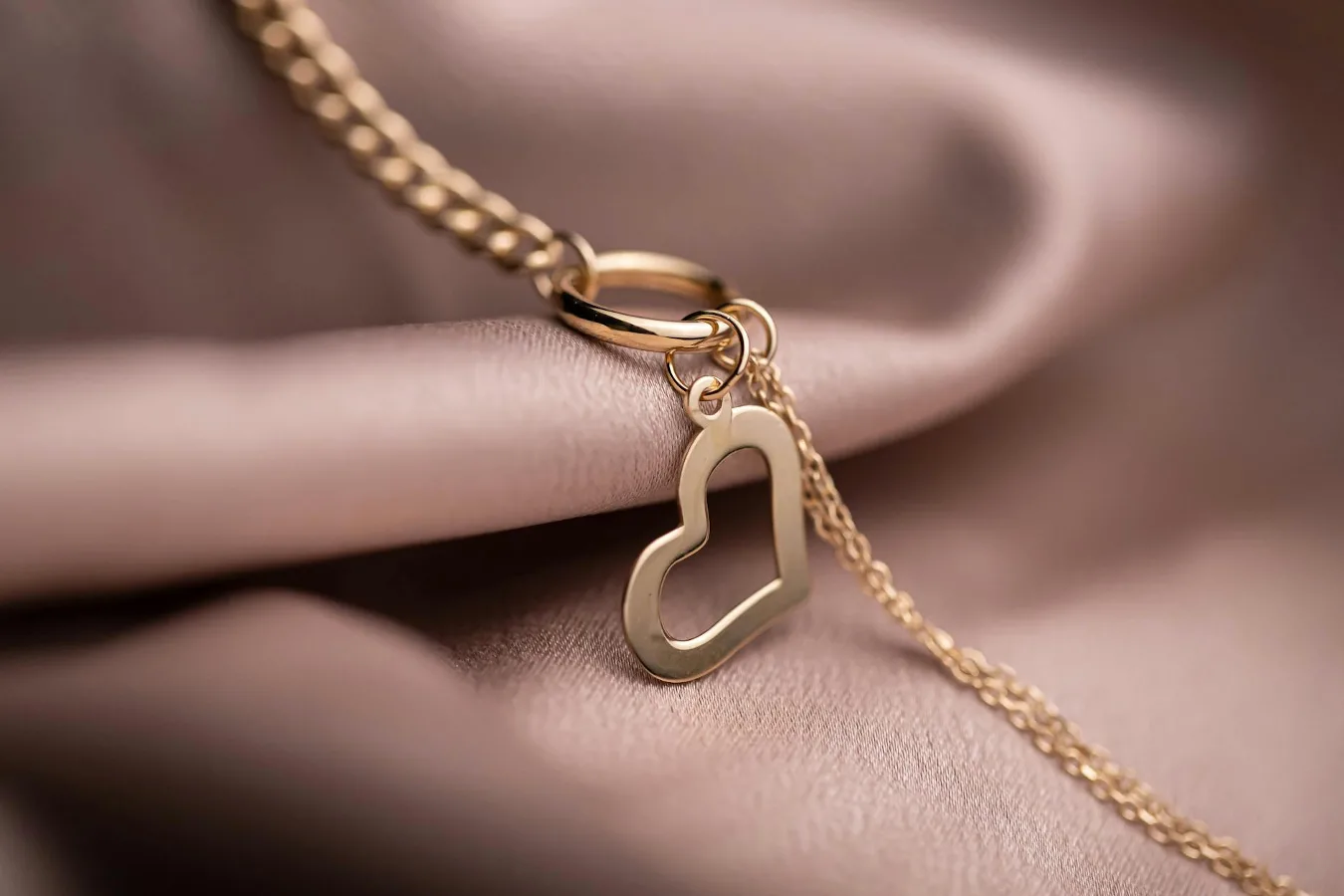
If you’re looking for a heart necklace gold piece, the best choice is usually the one that matches how you plan to wear it: as an everyday necklace, a sentimental gift, or a more polished accessory for special occasions. The right version depends less on the heart shape itself and more on the gold type, chain style, pendant size, and how much durability you need. gold rosary necklace offers more detail on this point.
A gold heart necklace can look delicate and understated or bold and decorative. That flexibility is what makes it such a popular jewelry category, but it also means buyers should pay attention to details that are easy to overlook, especially if the necklace will be worn often. gold jewelry care tips offers more detail on this point.
Start with the kind of gold you actually want
For most shoppers, the biggest decision is not the heart motif but the gold construction. The terms sound similar, yet they point to very different levels of durability, appearance, and long-term value.
- Solid gold: Usually the best choice for frequent wear if you want the most durable option in the long run. It tends to hold up better than plated jewelry, though the exact feel and color depend on the karat.
- Gold vermeil: Typically a sterling silver base with a thicker gold layer than standard plating. It can be a smart middle ground for buyers who want a richer look without moving into solid gold pricing.
- Gold plated: Often the most accessible option. It can be attractive for trend-driven styles or occasional wear, but the finish is generally more vulnerable to fading over time.
If the necklace is meant for everyday use, durability should usually outweigh novelty. If it’s mainly for occasional styling or gifting, the visual design may matter more than the base metal.
The chain matters as much as the pendant
Many shoppers focus on the heart pendant and then discover the chain is what determines whether the necklace feels comfortable and practical. A pretty pendant on a weak or poorly balanced chain can become frustrating quickly.
Look at these chain details before buying:
- Thickness: Very fine chains look elegant, but they can be more delicate. A slightly sturdier chain is usually better if the necklace will be worn often.
- Clasp style: Lobster clasps are widely used because they tend to feel secure and easy to operate. Spring rings are common too, though some people find them harder to manage.
- Length: Shorter lengths sit higher and feel more classic, while longer chains create a softer or layered look.
- Adjustability: An adjustable chain gives more styling flexibility, especially if the necklace will be worn with different necklines.
A heart pendant that hangs too low can lose the clean, centered effect that many buyers want. If you’re buying online, check whether the pendant is proportionate to the chain length so the necklace looks intentional rather than awkward.
Choose the heart style based on the message you want it to send
Not all heart necklaces read the same way. Some feel romantic, some feel modern, and others are closer to a subtle symbol than a literal love token. That difference matters if you’re shopping for a gift or trying to match a personal style.
- Simple outline hearts: Minimal and easy to wear with everyday outfits.
- Solid heart pendants: More visible and often better if you want the necklace to act as the main focal point.
- Open or split-heart designs: Can feel more contemporary or symbolic, depending on the finish.
- Heart lockets: Best if sentiment and keepsake value matter more than minimal styling.
- Gem-set hearts: Add sparkle and formality, but may be less versatile for daily wear.
A common misconception is that a heart necklace is automatically casual or overly sentimental. In practice, the right design can feel refined, modern, and even office-appropriate when the scale and finish are subtle.
Pick a gold tone that fits the rest of the jewelry you wear
Gold tone affects how the necklace works with your wardrobe and other pieces. Yellow gold is the classic choice, but rose gold and white gold can be better suited to certain skin tones, wardrobes, or existing jewelry collections. How to Choose a Rose Gold Necklace offers more detail on this point.
- Yellow gold: Traditional, warm, and easy to recognize as a classic heart necklace choice.
- Rose gold: Softer and more romantic in appearance, often chosen for a modern or feminine look.
- White gold: Cooler in tone and sometimes preferred if you wear more silver or platinum-colored jewelry.
If you already wear a lot of one metal color, matching the necklace can make styling much easier. Mixed-metal looks can work too, but they usually look best when they feel deliberate rather than accidental.
Think about size, proportion, and wearability
One of the easiest mistakes with heart necklaces is choosing a pendant that looks good in product photos but feels too large or too tiny in real life. Pendant proportion affects both style and comfort.
A small heart pendant can be ideal for everyday wear, layered looks, or people who prefer understated jewelry. A larger heart can create more visual impact, but it may feel less versatile and more dependent on the right outfit.
Before buying, ask yourself three practical questions:
- Do I want the necklace to be noticed immediately, or only up close?
- Will I wear it alone, or layer it with other necklaces?
- Does my usual style lean delicate, classic, romantic, or bold?
These questions help narrow the field faster than focusing on pendant shape alone.
Decide whether the necklace is for daily wear or occasional use
This is the point many buyers underestimate. A gold heart necklace for daily wear needs different priorities than one intended for birthdays, holidays, or date-night outfits.
For daily wear:
- Choose a secure clasp.
- Prefer a sturdier chain if possible.
- Look for a pendant size that won’t catch easily on clothing.
- Consider a finish that is easy to maintain.
For occasional wear:
- You can prioritize design details over ruggedness.
- More delicate chains and decorative accents may be acceptable.
- Trendy or highly polished looks can make more sense.
The practical trade-off is simple: the more delicate the design, the more likely it is to need careful handling. A necklace that looks refined in photos may be less forgiving in real life if you wear it to work, travel, or layer it with heavier pieces.
Good options by use case
There is no single best heart necklace gold style. The better question is which type fits your needs.
| Use case | Best features | Trade-off |
|---|---|---|
| Everyday wear | Sturdy chain, secure clasp, simple heart design | May feel less decorative |
| Gift giving | Classic shape, versatile length, meaningful finish | Harder if you do not know the recipient’s style |
| Layering | Smaller pendant, adjustable chain, clean silhouette | May disappear if too subtle |
| Statement styling | Larger pendant, polished surface, visible detailing | Less flexible with outfits |
| Sentimental keepsake | Locket or personalized heart design | Often more delicate and less everyday-friendly |
Common buying mistakes to avoid
A few avoidable mistakes come up again and again with heart necklaces:
- Choosing appearance over construction: A pretty pendant is not enough if the chain or clasp feels flimsy.
- Ignoring necklace length: A beautiful heart may sit in the wrong place depending on the neckline you wear most.
- Overlooking metal sensitivity: If you are sensitive to certain alloys, the gold type and base metal matter more than the design.
- Assuming all “gold” jewelry is the same: Plated, vermeil, and solid gold age very differently.
- Buying a style that does not match your wardrobe: A necklace should fit your clothing habits, not just your wish list.
Another overlooked factor is maintenance. Highly polished pieces may show fingerprints or surface marks more easily, while textured finishes can be better at hiding minor wear but may be harder to clean evenly.
How to make the necklace feel more personal
A heart necklace often works best when it carries some meaning. Personalization can be subtle or obvious, depending on the style.
- Initials or engravings: Good for gifts and keepsakes.
- Birthstone accents: Add color and a more custom feel.
- Layered pairing: Combine with a plain chain or a second pendant for a more curated look.
- Matching metals: Coordinate with earrings or a bracelet for a finished set.
If you are buying for someone else, personalization can make the piece feel thoughtful, but only if you are confident about their taste. A very specific design can be more meaningful than a generic one, yet it can also be harder to wear if it does not suit the recipient’s style.
Care and maintenance considerations
Gold necklaces generally reward gentle care. The exact routine depends on the construction, but a few habits help most styles last longer.
- Store the necklace separately when possible to reduce tangling and surface wear.
- Remove it before swimming, showering, or applying lotions and perfumes if the finish is delicate.
- Wipe it with a soft cloth after wear to help reduce buildup.
- Be especially careful with plated and vermeil pieces, since their finish is more vulnerable than solid gold.
If you want the least maintenance, choose a more substantial chain and a straightforward pendant design. Decorative textures, tiny stones, and ultra-fine links can all require a little more attention.
A simple way to narrow your choice
If you’re comparing several heart necklaces, use this quick filter:
- First: Decide whether you want solid gold, vermeil, or plated construction.
- Second: Choose a chain length that suits your neckline and layering habits.
- Third: Pick a heart style that matches your style personality.
- Fourth: Check clasp security and overall proportion.
- Fifth: Think about how often you’ll wear it and how much care you want to give it.
This approach keeps the purchase grounded in real use rather than just visual appeal.
When a heart necklace may not be the best choice
A heart necklace is versatile, but it is not always the right answer. If the recipient prefers geometric jewelry, ultra-minimal designs, or no-symbol pieces at all, another pendant style may fit better. Likewise, if you need a necklace for heavy daily wear and want minimal upkeep, a more substantial chain or a simpler charm may be the safer choice.
That does not make the heart shape less valuable. It just means the best version is the one that fits the wearer’s style, habits, and expectations.
FAQ
What is the best gold type for a heart necklace?
Solid gold is usually the strongest long-term option, especially for frequent wear. Gold vermeil can be a practical middle ground, while gold plated styles are often better for occasional use or trend-based purchases.
What chain length works best for a heart necklace?
The best length depends on where you want the pendant to sit and whether you plan to layer it. Shorter lengths create a classic look, while adjustable chains give you more styling flexibility.
Is a heart necklace a good gift?
Yes, especially if you want something sentimental but wearable. A simple, versatile design is usually the safest choice when you are unsure of the recipient’s style.
Can you wear a gold heart necklace every day?
Yes, if the construction supports it. Look for a secure clasp, a durable chain, and a design that will not easily catch on clothing or accessories.
How do I choose between a dainty and bold heart necklace?
Choose dainty if you want layering flexibility and subtle everyday wear. Choose bold if you want the necklace to stand out on its own and act as the main focal point.
A well-chosen gold heart necklace should feel easy to wear, easy to style, and appropriate for the reason you bought it. Whether you want a simple daily piece or a meaningful gift, the best option is the one that balances design with real-world use.