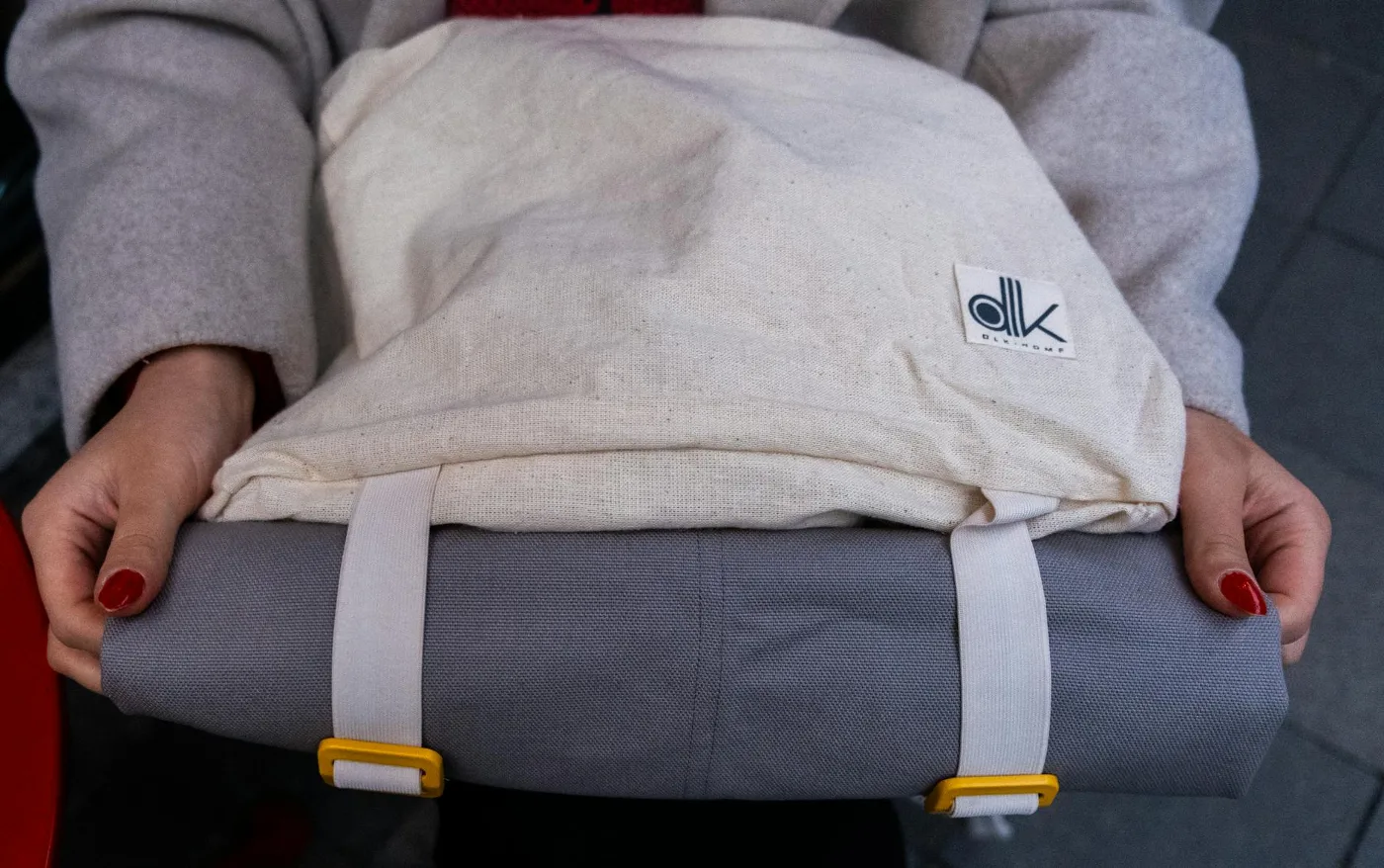
What a canvas sleeping bag is best for
A canvas sleeping bag is usually chosen for rugged, utilitarian outdoor use rather than lightweight backpacking. The canvas outer shell is valued for toughness, abrasion resistance, and a more structured feel than many synthetic camping bags. That makes it a practical option for car camping, hunting camps, cabins, ranch use, truck beds, and bunkhouses where durability matters more than packability.
If you are shopping for one, the key question is not just whether canvas is durable. It is whether that durability fits your trip style. A canvas sleeping bag can be a smart buy if you want something that holds up to frequent use, rough surfaces, and less delicate storage conditions. It is less appealing if you need a compact, lightweight, highly compressible bag for backpacking or long-distance travel.
That trade-off shapes most of the buying decision. Canvas brings toughness and a familiar, bed-like feel, but it also tends to be heavier, bulkier, and slower to dry than many modern shell fabrics. For the right buyer, those are acceptable compromises. For the wrong buyer, they become daily frustrations.
When a canvas sleeping bag makes sense
Canvas sleeping bags are worth considering when your priority is durability and practical everyday use in camp settings. They are often a better fit than ultralight sleeping bags in situations where gear gets tossed around, exposed to dust, or used repeatedly without much fuss.
Good use cases
- Car camping: Space and weight matter less, so a bulkier bag is easier to justify.
- Hunting camps: Rugged construction and straightforward care can be useful in camp environments.
- Cabins and bunkhouses: A canvas bag can work well as a simple bedding layer for guests or seasonal stays.
- Truck-bed or overland sleep setups: Tough outer materials can be appealing where abrasion is a concern.
- Frequent use: If the bag will be used often, a durable shell may hold up better over time.
One overlooked consideration is that many buyers want a “sleeping bag” but actually need a more flexible camp bedding system. In that case, canvas may be useful as a tough shell or outer layer, but the best setup might still include a separate liner, blanket, or insulated pad depending on the season.
How to evaluate a canvas sleeping bag step by step
The right choice depends on a few practical criteria. Thinking through them in order can help you avoid buying a heavy bag that looks right but performs poorly in your specific setting.
1. Start with your sleeping environment
Where the bag will be used matters more than the fabric alone. A canvas sleeping bag is easiest to justify in dry camps, cabins, tents with enough interior space, or vehicle-based trips. If you expect wet ground, persistent rain, or frequent condensation, pay close attention to how the bag handles moisture and drying time. how to choose the right sleeping bag material offers more detail on this point.
Canvas is not a magic solution for weather. It can feel reassuringly sturdy, but it still needs the rest of the sleep system to work well: tent or shelter, sleeping pad, insulation appropriate to the temperature, and dry storage between uses.
2. Check the insulation style, not just the shell
The outside fabric tells only part of the story. Warmth depends heavily on the insulation and construction. Some canvas sleeping bags are designed for cool-weather use, while others are more like rugged covers with minimal insulation. If the product listing does not make the insulation type clear, treat that as a warning sign and look for more detail before buying. Heated Sleeping Bag Buying Guide offers more detail on this point.
Consider whether you need:
- Full insulation: Better for cold nights and shoulder-season camping.
- A liner-based setup: Useful if you want flexibility across seasons.
- A heavy cover only: Sometimes suitable for indoor camp use or warm-weather trips.
Do not assume that a thick-looking canvas outer shell means the bag is warm enough for chilly nights. A common misconception is that canvas itself provides meaningful insulation. In reality, warmth comes from the bag’s fill, construction, loft, and how well it works with your sleeping pad.
3. Think about weight and packability honestly
Canvas is typically chosen by people who can accept extra bulk. That is fine if the bag lives in a truck, stays in a cabin, or travels by car. It is a poor fit if you want something compact for a long hike or if storage space is limited at home.
Ask yourself how often you will move it. If you will carry it from a vehicle to a tent, its weight may be manageable. If you need to haul all your gear on foot, a lighter synthetic or down alternative is usually more practical.
4. Look closely at comfort and interior feel
A canvas shell can feel more structured than slippery synthetic fabrics, which some people prefer. But comfort also depends on the lining. A rough or overly stiff interior can make the bag less pleasant for direct skin contact, especially in warm weather when you may use it more like a blanket than a sealed sleeping bag.
For comfort-focused buyers, the most useful features are often a soft lining, roomy cut, and a zipper that opens far enough to regulate temperature easily. If the bag will be used in a shared cabin or by guests with different preferences, that flexibility can matter more than a specific temperature rating.
5. Evaluate care and drying time
One of the most practical limits of canvas is maintenance. Heavier fabrics can take longer to dry and may be less convenient to clean and store than lighter sleeping bags. That matters if you camp often, if your gear gets dusty or damp, or if you do not have much space for airing things out.
Before buying, think through the routine: Can you wash the bag easily? Does it need spot cleaning? Can it dry fully before storage? A sleeping bag that is technically durable but difficult to care for can become a hassle over time.
What to compare before you buy
Not every canvas sleeping bag is built for the same use case. These are the features that usually matter most.
Shell fabric and weave
Canvas may be made from different blends or weave weights, and not all canvas feels the same. A heavier weave can improve ruggedness, but it may also increase stiffness and weight. A lighter canvas may be more comfortable and easier to manage, though not as tough in harsh use.
Lining material
The lining affects warmth, comfort, and moisture feel more than many shoppers realize. If the bag will be used without extra sheets or liners, a softer lining is often worth prioritizing. If the bag will mostly serve as outer bedding in a cabin or truck setup, lining may matter less than easy cleaning and durability.
Closure and entry design
Check how the bag opens and seals. A full-length zipper can make temperature control easier, while a shorter or less flexible opening may be simpler but less adaptable. A draft collar or flap can improve comfort in cooler conditions, but those details are more useful in true cold-weather use than in summer camping.
Shape and roominess
Rectangular bags are often the most natural fit for canvas-style camping bedding because they feel more spacious and easier to move around in. Mummy-style bags save space and can trap heat better, but many buyers looking for canvas want the roomier, bed-like feel of a rectangular cut.
Storage needs
Because canvas can be bulky, storage is a real buying factor. If a bag comes with a compression sack, that may help for transport, but long-term compression is not ideal for most insulated bags. You want a setup that can be stored without staying tightly packed for months at a time. sleeping bag compression sack offers more detail on this point.
Canvas sleeping bag versus common alternatives
Comparing canvas with other sleep systems helps clarify whether it is the right purchase.
| Option | Best for | Trade-offs |
|---|---|---|
| Canvas sleeping bag | Rugged car camping, cabins, hunting camps | Heavier, bulkier, slower to dry |
| Synthetic sleeping bag | General camping and easier care | May feel less durable or structured |
| Down sleeping bag | Lightweight warmth and packability | More care-sensitive and usually less suited to rough use |
| Camp blanket or quilt | Flexible, casual bedding for mild conditions | Less enclosed warmth and draft protection |
A canvas sleeping bag often competes most directly with a camp quilt or a heavy rectangular synthetic bag. If you want simple bedding that feels tough and forgiving, canvas has appeal. If you want the best balance of low weight, small packed size, and easy maintenance, the alternatives usually win.
Common mistakes shoppers make
- Buying for style instead of use: Canvas looks rugged, but the right pick depends on your actual camping setup.
- Assuming it will be warm enough on its own: Insulation and a sleeping pad still matter.
- Ignoring storage space: Bulk is one of the main compromises of canvas.
- Overlooking moisture management: Heavier materials can be slower to dry after damp use.
- Choosing the wrong shape: A spacious rectangular bag may be more comfortable for car camping than a tighter cut.
Another practical nuance: people sometimes focus on outdoor toughness and forget indoor or cabin use. If the bag will spend much of its life in a bunkhouse, rental cabin, or guest setup, softness, washability, and ease of handling may matter more than the toughest possible shell.
Checklist for choosing the right one
Use this quick checklist before you buy:
- Will it be used mainly for car camping, cabins, or rough service rather than backpacking?
- Does the insulation suit the lowest temperatures you realistically expect?
- Is the lining comfortable enough for how you will actually use it?
- Can you store it without compressing it long-term?
- Is the weight acceptable for the way you travel?
- Does the shape match your comfort preferences?
- Will maintenance and drying fit your routine?
- Would a synthetic sleeping bag or camp quilt solve your needs more cleanly?
Who should skip canvas altogether
A canvas sleeping bag is not the best answer for everyone. Skip it if you need a packable bag for backpacking, if your gear must dry quickly and pack small, or if you expect very wet conditions where low bulk and faster drying are more useful than ruggedness.
It may also be a poor fit if you are highly sensitive to weight, if you travel often by air, or if you want one bag to cover a wide range of temperatures with minimal bulk. In those cases, a lighter synthetic model or a carefully chosen quilt system will usually be easier to live with.
FAQs
Is a canvas sleeping bag warmer than a regular sleeping bag?
Not automatically. Warmth depends on the insulation, loft, fit, and sleep system, not just the outer fabric. Canvas mainly adds durability and a different feel.
Can you use a canvas sleeping bag for backpacking?
Usually not the best choice. Canvas models are often heavier and bulkier than backpacking-focused sleeping bags, which makes them less practical for carrying long distances.
Are canvas sleeping bags hard to clean?
They can be more inconvenient to care for than lighter bags, especially because drying may take longer. Always check the care instructions before buying.
What is the biggest advantage of canvas?
Durability is the main draw. Canvas is appealing when the bag will see rough handling, repeated use, or camp environments where ruggedness matters.
Should I choose a canvas sleeping bag or a camp blanket?
Choose a canvas sleeping bag if you want more enclosure, draft protection, and a structured sleep system. Choose a camp blanket if you want more flexibility and easier casual use in mild conditions.