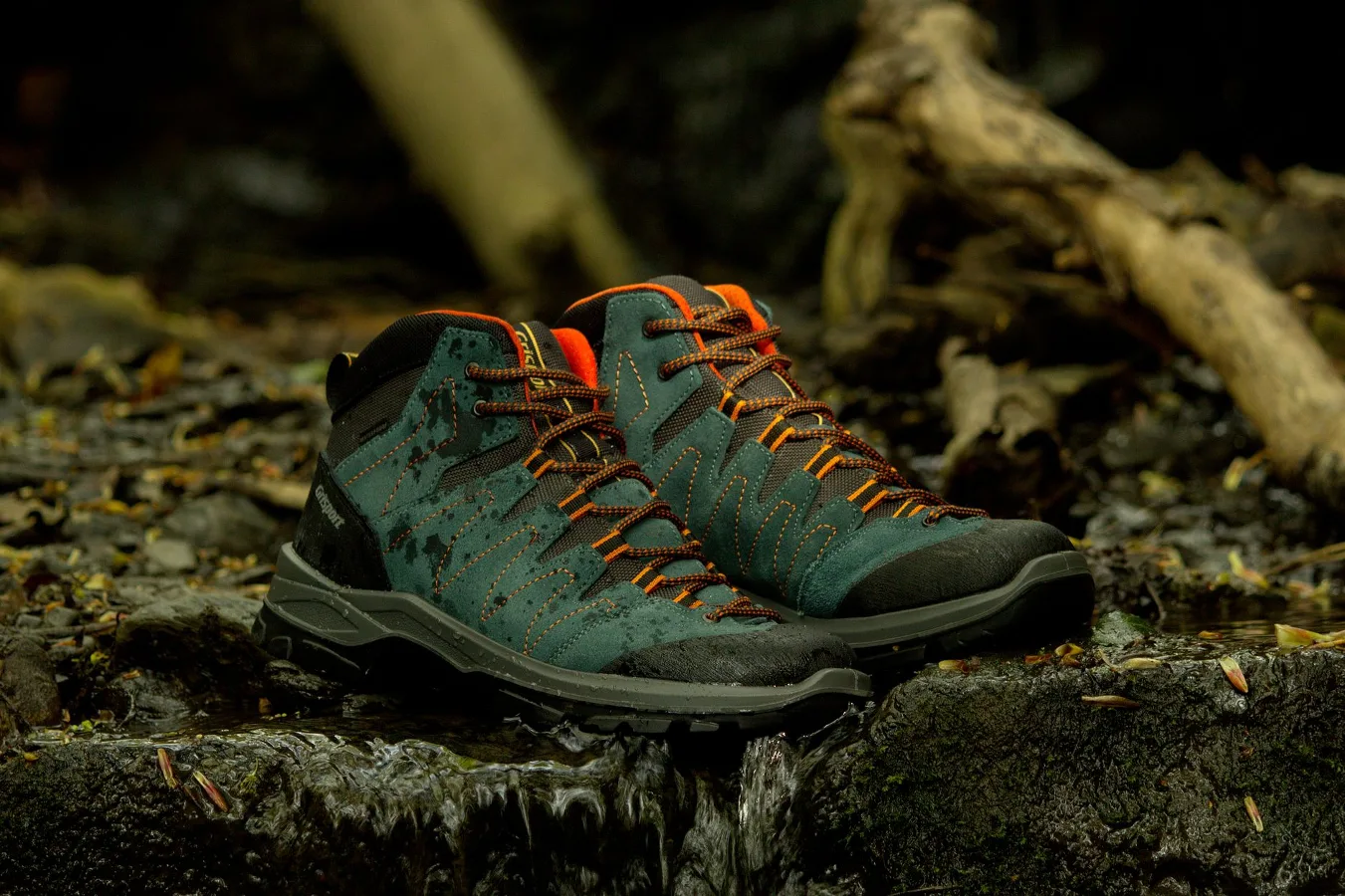
When Vibram hiking boots matter most
Vibram hiking boots are worth paying attention to when traction, outsole durability, and confident footing are higher priorities than a soft, sneaker-like feel. The phrase usually refers to hiking boots that use a Vibram outsole, which is the rubber bottom layer responsible for ground contact, grip, and wear resistance. how hiking boot soles affect grip offers more detail on this point.
That matters because the outsole influences how a boot behaves on loose dirt, wet stone, roots, mud, gravel, and steep grades. If you hike on mixed terrain, carry a pack, or regularly deal with slick or uneven footing, the outsole can make a noticeable difference in control and stability. If most of your walking happens on mellow paths or paved surfaces, a Vibram outsole may still be useful, but it is not the only feature worth considering.
A common misconception is that “Vibram” automatically means the boot is best for every hiker. In reality, the outsole is only one part of the equation. Fit, upper material, midsole stiffness, ankle support, and overall boot weight can matter just as much, sometimes more.
What a Vibram outsole actually changes
Vibram is a well-known outsole manufacturer, not a single boot design. Different boot brands use Vibram outsoles in different ways, and the tread pattern, rubber compound, and lug shape can vary significantly from model to model.
For shoppers, that means “Vibram hiking boots” is a category rather than a guarantee. Two boots with Vibram soles can feel completely different:
- One may be built for rocky, technical trails with a firmer platform.
- Another may emphasize flexibility and comfort for casual day hikes.
- A third may lean toward durability for heavier backpacking loads.
The outsole typically affects traction, braking on descents, edge stability on uneven rock, and how quickly the boot shows visible wear. The rest of the boot determines how that traction feels in practice.
Step-by-step criteria for choosing the right pair
1. Match the boot to your terrain
The best Vibram hiking boots for your needs depend on where you hike most often. Terrain should drive the decision before brand name or style. Rocky Hiking Boots: What to Know Before Buying offers more detail on this point.
- Rocky trails: Look for a grippy outsole with good surface contact and a stable platform.
- Muddy or loose terrain: Deeper lugs and spacing between lugs can help shed debris more effectively.
- Wet conditions: Traction matters, but upper materials, drainage expectations, and how the sole performs on slick rock also matter.
- Mixed terrain: A balanced outsole is often better than an aggressive tread that feels clumsy on easier sections.
One overlooked nuance is that very aggressive tread is not always better. On hard-packed trails or smooth stone, overly deep lugs can feel less precise and may wear differently over time. The right level of aggression depends on the surfaces you actually encounter.
2. Decide how much support you need
Vibram hiking boots come in forms that range from lighter, more flexible models to stiffer boots designed for heavier loads and rougher ground. Support is not just about the ankle collar; it also comes from the midsole and overall structure.
Ask yourself how you hike:
- Day hikes with light packs: A lighter boot or even a hiking shoe may be enough.
- Long days on uneven ground: Moderately supportive boots often offer a good balance of comfort and protection.
- Backpacking or rough terrain: A stiffer boot may reduce foot fatigue and improve control under load.
A mistake many shoppers make is choosing extra stiffness because it sounds more protective. Too much stiffness can feel fatiguing if the boot does not match your gait, load, or trail style.
3. Look beyond the outsole to the upper
The upper material affects breathability, weather resistance, structure, and break-in feel. Leather uppers often offer a different balance of protection and durability than synthetic materials, while mesh-heavy designs can feel lighter and more breathable.
Consider the trade-offs:
- Leather: Often valued for structure and durability, but may require more break-in and care.
- Synthetic materials: Usually lighter and quicker to dry, but may feel less substantial to some hikers.
- Waterproof membranes: Helpful in wet environments, though they can reduce breathability and are not always the best choice for hot, dry hiking.
If you hike in variable weather, this choice can be more important than the outsole label. A great Vibram outsole cannot compensate for a boot that traps too much heat or feels unstable on your foot.
4. Pay attention to fit first
Fit is the filter that decides whether a promising boot works in real life. A technically strong outsole means very little if the heel slips, the toe box feels cramped, or the arch shape does not suit your foot.
Useful fit checks include:
- Enough toe room for downhill hiking without slamming into the front.
- Secure heel hold to reduce blisters and friction.
- No pressure points across the instep or forefoot.
- Room for hiking socks without forcing the boot to feel oversized.
Because boots break in differently, a snug but not painful fit is usually more practical than sizing up dramatically. If you need a lot of extra room just to tolerate the first wear, the shape may be wrong for your foot.
5. Balance grip with durability
Hikers often focus on traction and ignore wear life. Yet outsole durability matters, especially if you walk on abrasive rock, pavement, or mixed urban-trail surfaces. Some soles may feel excellent at first but show faster cosmetic or functional wear depending on the compound and usage pattern.
Durability is not only about outsole rubber. Stitching, rand protection, toe cap design, and midsole compression also influence how long the boot remains useful. If you tend to hike frequently, a slightly heavier boot with more robust construction may deliver better long-term value than the lightest model on the shelf.
Examples of how different hikers may use Vibram hiking boots
Different use cases call for different priorities. A boot that makes sense for one hiker may be overbuilt or underbuilt for another.
- Casual day hiker: Usually benefits from a lighter boot with dependable traction and comfortable step-in feel.
- Weekend backpacker: May want more support under load and better durability across repeated trips.
- Rocky trail hiker: Often values sole precision, edge stability, and protection from sharp terrain.
- Wet-weather hiker: May prioritize grip, weather handling, and an upper that suits damp conditions.
- Travel hiker: Might prefer a versatile boot that can handle trail time without feeling overly bulky for general wear.
These are not hard categories. They help clarify what the boot should do most often, which is a more reliable shopping method than chasing a single feature.
Common mistakes when shopping for Vibram hiking boots
Some buying errors repeat because the outsole branding draws attention away from the rest of the boot. Avoiding them can save money and discomfort.
- Assuming all Vibram soles are identical: Tread design and rubber compound can vary a lot.
- Choosing for looks instead of terrain: A rugged-looking boot may not be the best choice for your routes.
- Ignoring the break-in period: Some boots need time to soften and shape to your foot.
- Overestimating ankle support: Higher cuffs do not automatically solve fit or stability problems.
- Buying too much boot: Heavy construction can become a burden on low-angle trails or casual hikes.
A practical rule: the more your hiking is shaped by steep ground, loose surfaces, and pack weight, the more meaningful the outsole and boot structure become. The gentler your terrain, the more comfort and fit can outweigh aggressive tread.
What to check before you buy
Use this checklist to narrow the field quickly.
- Terrain: Do you hike mainly on rock, dirt, mud, or mixed surfaces?
- Load: Are you carrying a light daypack or a heavier backpack?
- Weather: Do you need better water resistance, or is breathability more important?
- Support: Do you prefer a flexible stride or a firmer platform?
- Fit: Does the heel lock in, and do the toes have enough room?
- Weight: Will you notice fatigue from a heavier boot over long distances?
- Care: Are you willing to maintain leather or other higher-care materials?
These questions usually tell you more than the outsole name alone. They also make it easier to compare brands honestly, because the best Vibram hiking boots are the ones that match your actual use case.
Alternatives worth considering
Vibram hiking boots are a strong option, but they are not the only sensible choice. Depending on the hike, the best alternative may be a different category entirely.
- Hiking shoes: Better if you want less weight and more flexibility for faster or easier routes.
- Trail runners: Useful for hikers who value speed, low weight, and agility over boot structure.
- Non-Vibram boots: Some brands use their own outsoles that may suit certain feet or trail conditions just as well.
- Approach-style footwear: Can make sense for rocky terrain where precision is more important than traditional boot height.
The key is not whether a boot has the most recognizable outsole name. The key is whether the entire shoe or boot supports your terrain, pace, and comfort needs.
Short checklist for comparing pairs
If you are comparing multiple options side by side, use this quick filter:
- Confirm the boot matches the terrain you actually hike.
- Evaluate outsole traction pattern, not just the brand name.
- Check whether the boot feels supportive without being overly stiff.
- Assess fit in the heel, midfoot, and toe box.
- Think about weather, breathability, and care requirements.
- Choose the lightest boot that still meets your stability and durability needs.
That approach keeps the decision grounded in use rather than marketing. It also helps separate useful performance features from details that sound impressive but may not matter on your local trails.
Final take
Vibram hiking boots make the most sense for hikers who want dependable traction, trail durability, and a boot that can handle uneven ground with confidence. The outsole can be a real advantage, but only when it is paired with the right fit, support level, and upper construction. trail shoe vs hiking boot offers more detail on this point.
If your hikes are casual and dry, a lighter or simpler option may serve you better. If your routes are rocky, steep, or demanding, the outsole and overall boot build deserve more attention. The smartest choice is not the boot with the strongest reputation; it is the one that matches your terrain, pack weight, and comfort preferences with the fewest compromises.