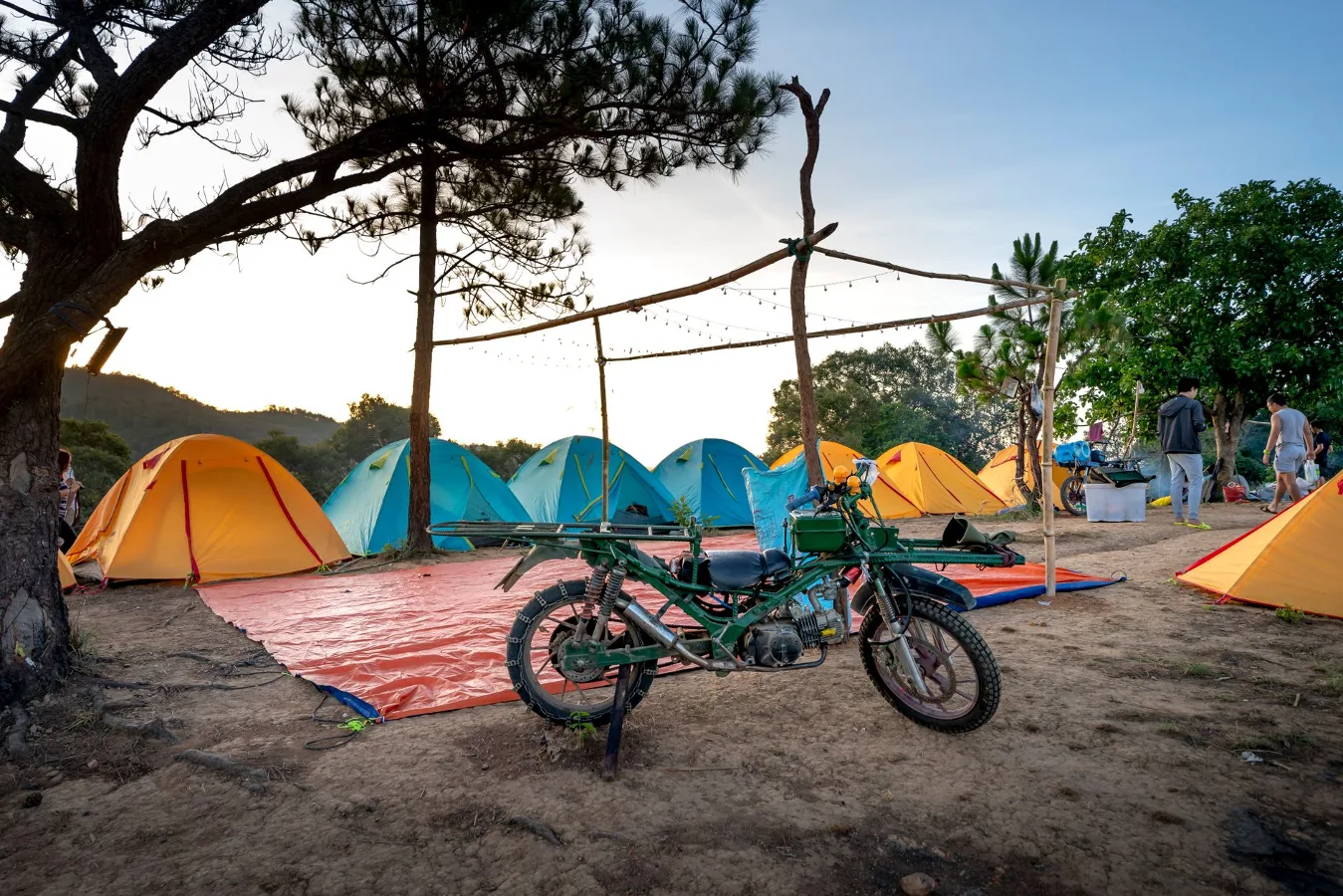
Who a moto camping tent is really for
A moto camping tent is for riders who need a shelter that fits motorcycle travel, not just general camping. That usually means a tent that is compact enough for panniers or a dry bag, light enough to carry without awkward handling, and simple enough to pitch after a long day on the road. lightweight camping gear for riders offers more detail on this point. three-season tent basics offers more detail on this point.
The right choice depends on how you ride. A solo rider doing overnight stops has different needs than someone touring with a passenger, carrying extra luggage, or camping in variable weather. The best tent for motorcycle travel is rarely the biggest or the most feature-packed one. It is the one that matches your packing system, your typical weather, and how much setup effort you are willing to tolerate at the end of the day. how to choose a backpacking tent offers more detail on this point.
For many riders, the real goal is not “the best tent” in a generic sense. It is a shelter that disappears into the luggage system, stands up to changing conditions, and does not become a hassle every time you move camp.
Start with the decision that matters most: how you travel
Before comparing fabric denier, pole materials, or ventilation panels, narrow the tent down by travel style. This is the part many buyers skip, and it leads to the most common regret: a tent that looks great online but is awkward on the bike.
Solo overnight riding
If you travel alone and move often, compactness usually matters more than living space. A tent that fits a sleeping pad, bag, and a bit of gear without feeling cramped is often enough. For solo riders, a small footprint can also make campsite placement easier, especially when you arrive late or land on a tight pad of ground.
Touring with longer stops
If you stay in one place for multiple nights, comfort starts to matter more. Vestibule space for boots and wet gear, better headroom, and easier access to the door can outweigh a slight penalty in packed size. Riders who base camp may prefer a tent that feels more livable, even if it is not the smallest option.
Unpredictable weather or shoulder-season trips
For trips that involve wind, cool nights, or rain, prioritize coverage and stability. A moto camping tent does not need to be expedition-heavy, but it should give you confidence when the forecast changes. The practical trade-off is clear: more weather protection often means more poles, more fabric, or a slightly larger packed bundle.
Multi-person motorcycle travel
If two riders share one shelter, the tent needs to be chosen more carefully than a basic “2-person” label suggests. Two people plus riding gear can feel tight fast. A model with real interior length, usable vestibule space, and enough room to get dressed without constant friction can make a huge difference on a trip.
The trade-offs that define a good motorcycle tent
Most moto camping tent decisions come down to balancing four things: packed size, weight, weather protection, and livability. Improving one usually affects at least one of the others.
Packed size vs interior comfort
A tent that packs small is easier to fit on a motorcycle, especially if you want to keep the load narrow or avoid a bulky roll strapped to the seat. But smaller packed size can mean a tighter interior, fewer poles, or less vestibule space. If you often camp in adverse weather, a slightly larger tent may be worth it because it gives you more room to manage wet layers and gear.
Weight vs stability
On a motorcycle, weight matters less than on a backpack, but it still affects handling, luggage balance, and how easy the tent is to move between bike and campsite. Very light tents can be appealing, but some trade durability or wind stability to get there. The right balance depends on whether your priority is a minimal load or a shelter that feels sturdier in rough conditions.
Fast setup vs structural simplicity
Riders often arrive at camp tired, cold, or in fading light. A tent with intuitive setup can be more valuable than a more complex design with a few extra comforts. Freestanding designs are often easier to position on rocky or hard ground, while non-freestanding models may save space or weight but require more attention to staking.
Ventilation vs weather sealing
Good airflow helps reduce condensation, especially in humid or cool conditions. At the same time, better ventilation should not mean poor rain coverage. A common misconception is that a tent is either “sealed” or “breathable.” In practice, the best tents manage both with mesh placement, rainfly design, and adjustable vents.
Material and spec factors worth checking before you buy
Not every spec matters equally for motorcycle camping. Focus on the features that affect real travel use, not just spec-sheet appeal.
Outer fabric and floor material
Tent fabrics vary in feel, coating, and thickness, but the main question is how the fabric supports your use case. For motorcycle trips, the floor matters a lot because campsites are not always clean or perfectly flat. If you camp on rough ground often, pay attention to floor robustness and the availability of a footprint or groundsheet. That added layer can improve long-term value, though it also adds another item to carry.
Pole design and packed organization
Pole architecture affects both setup ease and how neatly the tent stores. Some tents pack into a long, narrow bundle that can be easier to fit on a bike. Others fold into a more compact shape but may be bulkier in one dimension. If you use side cases, a tent that breaks down into shorter segments can be easier to distribute among luggage compartments.
Vestibule space
For riders, vestibules are more than a nice extra. They are often where boots, a wet jacket, gloves, or a helmet end up. A usable vestibule can help keep the sleeping area cleaner and drier. If you often deal with rain or morning dew, this is one of the most practical features to prioritize.
Door layout and access
Multiple doors are not always necessary, but they can make a tent easier to live in, especially for two people. A single door may be lighter and simpler, while two doors can reduce awkward climbing over a sleeping partner or gear. Think about how you actually enter and exit after a day on the road, not just how the tent looks in a product photo.
Ventilation controls
Look for vents or airflow paths that can be adjusted rather than fixed open panels. This matters because conditions change. What feels airy on a warm evening can become drafty or wet if the wind shifts. Adjustable ventilation helps the tent adapt without forcing you to choose between condensation and exposure.
Freestanding or stake-dependent
Freestanding tents are often more forgiving on mixed ground, which is useful when camping near gravel, hard soil, or sites with limited staking options. Stake-dependent tents can save space or weight, but they require more careful site selection. If you are a rider who values flexibility, freestanding construction is often the easier path.
What many riders overlook until after the purchase
The best moto camping tent is not always the one with the best headline specs. A few overlooked details often matter more in daily use.
How the tent fits your luggage system
A tent can be “small” and still be awkward if its shape fights your luggage setup. Long pole segments may not fit neatly into panniers. A bulky stuff sack may waste space in a tail bag. Before buying, think through where the tent will live on the bike and whether it will need to be packed separately from sleeping gear.
How easy it is to dry after a wet night
Motorcycle travel often means packing in a hurry. A tent that is easy to shake out, dry, and repack can save frustration over multiple days. If you regularly move camp, drying time becomes part of the buying decision, even if it is rarely highlighted in product descriptions.
How much space you really need at the end of the day
A tent that sounds roomy on paper may feel cramped once you add a riding suit, boots, electronics, and damp layers. A little extra interior space can make a big difference in comfort and organization. That said, too much space can mean a larger footprint, which can be a drawback on crowded campsites.
How visible the tent is at camp
This is a minor detail that can still matter. Bright colors can make a tent easier to spot in poor light and easier to identify in a busy campground. More subdued colors may blend in better but can be less practical when you are packing up quickly at dawn.
Common mistakes when choosing a moto camping tent
- Buying for capacity instead of real usable space. A listed capacity does not always account for bags, wet gear, or the comfort level you expect on longer trips.
- Ignoring packed shape. A tent can be light enough yet still awkward to fit on a motorcycle because of its length or bundle width.
- Choosing minimal weight over livability. Ultra-compact tents can be harder to manage when weather turns bad or when you need to spend time inside.
- Overlooking ventilation. Condensation is a common annoyance on bike trips, especially when you are sleeping with damp gear nearby.
- Not considering the campsite type. Riders who use established campgrounds have different needs from those who camp on uneven or hard-packed ground.
Practical tent types that make sense for motorcycle travel
There is no single tent style that works for every rider, but a few categories are especially relevant.
Compact solo backpacking tents
These are a popular choice for riders who want the smallest practical shelter. They usually pack down well and are easier to stow in motorcycle luggage. The trade-off is limited room, especially for gear storage inside the tent.
Lightweight two-person tents
Even for solo riders, a small two-person tent can be appealing if you want extra room for gear or a less confined sleep space. The compromise is size and weight, which may be worth it if your bike can carry the load comfortably.
Freestanding tents
These are often the easiest option for mixed terrain and quick pitching. For riders who move often and do not want to spend time hunting for ideal stake points, freestanding designs are practical and forgiving.
Ultralight shelters
Ultralight tents and shelters can work well for riders who prioritize minimal bulk, but they are not always the best match for every trip. They may require more care in site selection, setup, or weather judgment. If your routes are relaxed and your luggage has room, a slightly more robust tent can be the better long-term choice.
How to narrow the field before you click buy
If you are comparing moto camping tents online, use a simple filter process.
- Decide your primary use case. Solo, two-up, short overnights, or longer touring.
- Check packed dimensions first. Make sure the tent can actually fit your luggage system.
- Review weather features. Look at rainfly coverage, ventilation, and setup stability.
- Assess livability. Consider vestibule space, door access, and how much room you want inside.
- Think about the campsite you usually use. Freestanding designs are often easier on difficult ground.
- Plan for accessories. A footprint, extra stakes, or a storage method may improve usability.
This process keeps the decision grounded in how you travel rather than in marketing language or a long spec sheet.
When a different shelter might be a better fit
A moto camping tent is a strong default choice, but not the only option. Depending on your route and weather, another shelter format may suit you better.
If you mostly ride in dry conditions and want the lightest possible load, a tarp-style shelter or minimalist setup may be attractive, though it requires more camping skill and tolerance for exposure. If you camp mostly in developed campgrounds and value comfort over compactness, a roomier tent may be the smarter call even if it is less bike-friendly. If you ride in consistently harsh conditions, durability and storm-worthiness may matter more than saving a little storage space.
The right choice is the one that supports how you camp most often, not the one that looks most versatile on paper.
Next steps before you settle on a tent
Once you have a shortlist, compare each option against three questions: Will it fit my bike luggage cleanly, will it handle the weather I actually ride in, and will I still like using it after a long day on the road?
If the answer is yes to all three, you are probably close. If one of them is shaky, that weakness will usually show up on the trip itself. For motorcycle camping, convenience and fit often matter more than a feature list that sounds impressive but does not match real travel.
The best moto camping tent is the one that feels easy to live with from packing to setup to teardown. That is what makes it useful trip after trip.
FAQ
What size moto camping tent should I get?
Choose the smallest size that still gives you enough room for your sleep system and any gear you want to keep inside or in a vestibule. Solo riders often prefer compact one-person tents, while riders who want more comfort may choose a small two-person model.
Is a freestanding tent better for motorcycle camping?
Often, yes. Freestanding tents are usually easier to place on uneven or hard ground, which makes them convenient for riders who stop in a variety of campsites. Stake-dependent tents can still work well if you value a smaller packed profile.
What matters more: weight or packed size?
For motorcycle travel, packed size often matters slightly more because the tent has to fit your luggage system cleanly. Weight still matters, especially for handling and balance, but an awkward shape can be harder to live with than a slightly heavier tent.
Do I need a footprint or groundsheet?
Not always, but it can help protect the tent floor and make setup cleaner on rough or damp ground. Whether it is worth carrying depends on where you camp and how durable the tent floor already is.
Can a backpacking tent work as a moto camping tent?
Yes. Many riders use backpacking tents because they are compact and easy to store on a bike. The main question is whether the tent offers enough livable space and weather protection for the way you travel.