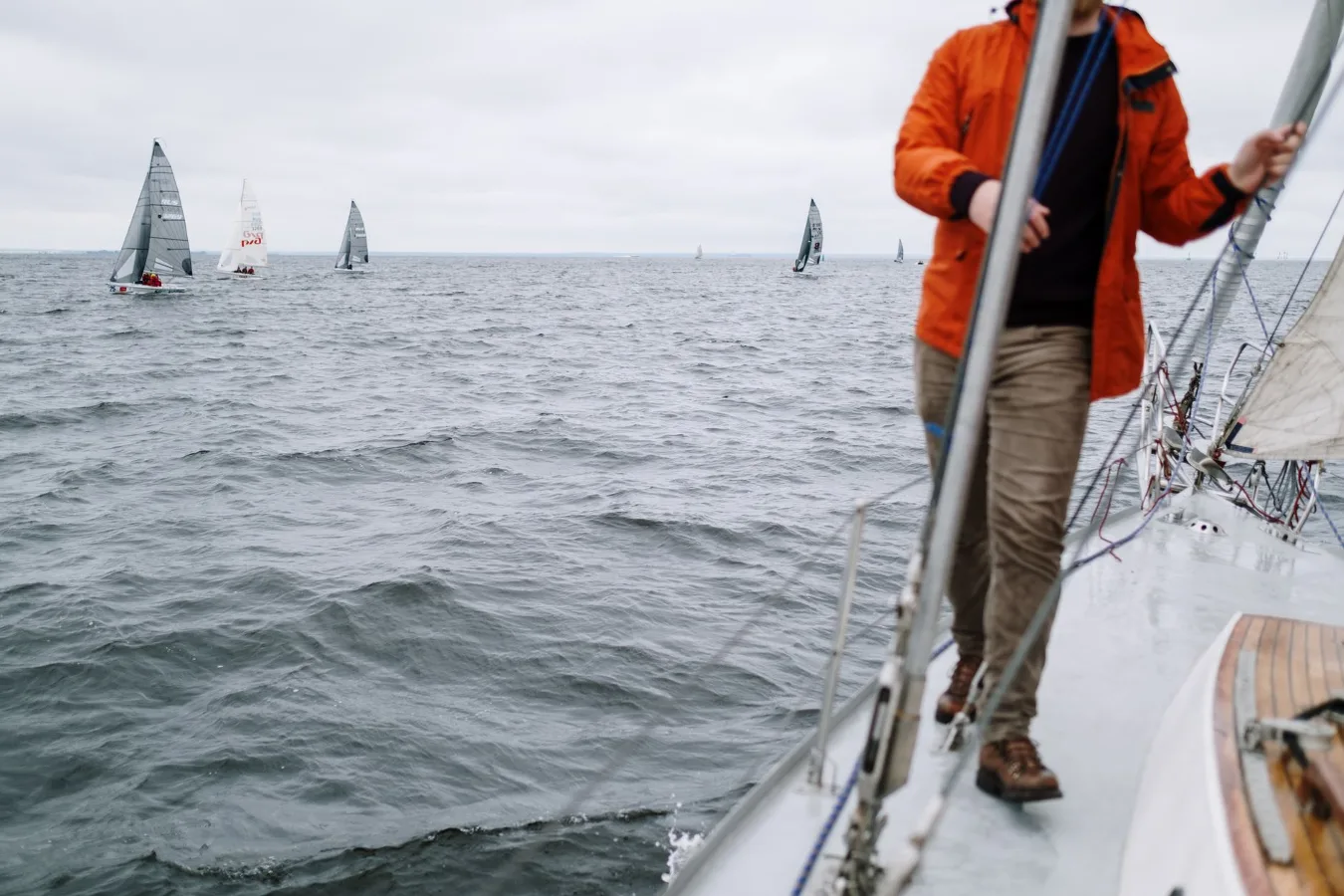
If you’re shopping for a Regatta outdoor jacket, the main question is not just which style looks best. It’s which jacket matches how you actually use it: commuting in wet weather, walking the dog, hiking on exposed trails, or layering for colder days. outdoor jacket always striving for excellence offers more detail on this point. Urban Outdoor Jacket Buying Guide offers more detail on this point.
Regatta makes a broad range of outdoor outerwear, so the right choice depends on weather protection, breathability, warmth, fit, and how much flexibility you want from one jacket. The best pick for a weekend hiker is often different from the best pick for someone who needs an everyday rain layer. how to choose an outdoor rain jacket offers more detail on this point.
Start with your buyer scenario
The fastest way to narrow the field is to think about your main use case. A jacket that works well for light city rain may feel too warm or too bulky on a trail. A more technical shell may be ideal for wet, changeable weather but feel unnecessary for casual errands.
For commuting and everyday wear
If you need a jacket for school runs, commuting, or general errands, look for a balance of weather resistance, comfort, and style. A lightweight waterproof jacket or a simple shell is often easier to wear day after day than a heavily insulated option. Pockets, adjustable cuffs, and a hood that stays put matter more here than advanced outdoor features.
For hiking and walking
For trail use, breathability and mobility become more important. If you walk uphill, carry a backpack, or tend to overheat, a jacket that vents well will feel more comfortable than one that only focuses on rain protection. Pay attention to cut and layering room so the jacket works over a fleece or base layer.
For colder weather
If you expect cold wind, prolonged damp conditions, or limited layering underneath, consider an insulated jacket or a waterproof shell designed to work over mid-layers. The trade-off is simple: more warmth often means more bulk, and more weather protection can reduce packability and everyday versatility.
What matters most in a Regatta outdoor jacket
Not every jacket needs the same features. A useful buying decision comes from matching materials and construction to the conditions you face most often.
Weather protection
The first question is whether you need waterproof, water-resistant, or wind-resistant protection. Waterproof jackets are designed for heavier rain and longer exposure, while water-resistant styles may handle drizzle and short showers better. Windproof construction is helpful in exposed areas or colder seasons, even when rain is not the main issue.
A common mistake is buying more protection than you need and ending up with a jacket that feels sweaty or stiff for daily use. Another is choosing a lighter shell and expecting it to perform like a fully waterproof piece in sustained rain.
Breathability
Breathability matters most if you move a lot. When a jacket traps heat, moisture builds up inside and you can feel wet even though the outside is keeping rain out. For walking, hiking, and active wear, this can be just as important as waterproofing.
If you run warm or wear your jacket during activity, a breathable shell or softshell can be more practical than a heavier insulated model. If you mostly stand, sit, or move casually between indoor and outdoor spaces, breathability may matter less than warmth and convenience.
Fit and layering room
Fit affects comfort more than many shoppers expect. A jacket that is too tight can restrict arm movement and limit layering. One that is too loose can let in cold air and feel awkward in wind. Look for enough room to wear a fleece or light sweater underneath without making the jacket balloon out excessively.
Also consider sleeve length, hem coverage, and hood adjustment. These details change how the jacket behaves in real weather. A good fit should let you move naturally, reach upward, and zip up fully without strain.
Weight and packability
If you travel, hike, or want a jacket that lives in a backpack, lighter packable outerwear is often the better choice. Packability is especially useful for changeable weather, where you may only need the jacket for part of the day.
Heavier jackets usually offer more structure, warmth, or durability, but they are less convenient to carry. This is a practical trade-off, not a flaw. The right answer depends on whether you value all-day wear or grab-and-go flexibility.
Material and construction choices
Materials shape how the jacket feels, how it handles moisture, and how versatile it is across seasons. You do not need to memorize fabric jargon, but a few distinctions make shopping easier.
Shell fabrics
Outdoor jackets commonly use shell fabrics designed to block wind and shed water. A shell can be the main outer layer on a rainy day or the outer barrier over insulating layers. In simple terms, shells prioritize protection and layering flexibility.
If you want a jacket for variable weather, a shell is often more versatile than a single heavy coat. If your climate is consistently cold, a shell alone may not be enough.
Softshell versus hardshell
Softshell jackets are usually valued for comfort, stretch, and ease of movement. They can be a strong choice for dry, cool, and lightly damp conditions. They often feel less rigid than more technical rain shells.
Hardshell jackets are built more for serious weather protection. They are the more logical choice if rain is a real part of the picture and staying dry is the top priority. The trade-off is that hardshells can feel less cozy for casual wear.
Insulation
If the jacket includes insulation, think about whether that warmth works for your climate. Insulated outdoor jackets are great when you need a single outer layer for cold conditions, but they are less adaptable once temperatures rise.
For many people, an uninsulated waterproof jacket paired with layers underneath is more useful across the year. That system also lets you adjust warmth more precisely than a fixed insulation level.
Hood design, cuffs, and closures
The small details often matter most in messy weather. A hood that adjusts well can make the difference between protection and constant readjustment. Adjustable cuffs help keep out drafts and rain. A secure front closure reduces weather intrusion and improves comfort in wind.
These features are easy to overlook online, yet they can define whether a jacket feels practical or annoying in use.
Trade-offs to expect before you buy
Every Regatta outdoor jacket involves compromise. That is normal, and it is the best reason to shop by use case rather than by the longest feature list.
- More weather protection often means less breathability.
- More warmth often means more bulk and less packability.
- More stretch and softness can mean less serious rain performance.
- More everyday comfort can mean fewer technical features.
One overlooked consideration is how often your jacket moves between indoor and outdoor settings. If you spend a lot of time going from heated spaces to cold air, a jacket that is too insulated can become uncomfortable fast. In that situation, lighter outerwear plus layers usually works better than one thick coat.
How to compare options without overthinking it
When several jackets seem similar, use a simple decision filter. Start with weather, then move to comfort, then to versatility.
- Choose your weather priority: rain protection, wind resistance, warmth, or all-around use.
- Check the fit approach: slim, regular, or roomier layering fit.
- Think about activity level: walking, commuting, hiking, or low-movement wear.
- Consider storage needs: packable, everyday hanging space, or travel-friendly.
- Look at maintenance: easy-care outerwear is often more realistic for frequent use.
This approach helps avoid a common mistake: buying a jacket for features you admire but rarely need.
Practical limitations to keep in mind
A Regatta outdoor jacket can be a strong value choice, but value depends on fit and use, not the label alone. If you want a single jacket to do everything, you may still need to compromise on warmth, waterproofing, or bulk.
Also, no jacket performs equally well in every climate. Wet coastal weather, dry cold, and mild transitional seasons all favor different designs. If you live somewhere with frequent weather swings, versatility matters more than one specialized feature.
Care requirements are another reality. A jacket that sheds water and blocks wind still needs basic maintenance to stay useful over time. Dirt, neglect, and poor storage can affect how outerwear feels and performs.
What to do after you narrow your choice
Once you have a short list, read the product description with a purpose. Look for the type of weather protection, the intended activity level, the fit notes, and whether the jacket is meant as a shell, a mid-weight layer, or an insulated outer piece.
If you are deciding between two similar jackets, let use case break the tie. The better jacket is usually the one that matches your most common weather and activity pattern, not the one with the most features on paper.
If you still feel uncertain, start with the most versatile option: a comfortable, weather-resistant jacket with enough room to layer. That gives you more flexibility across seasons and reduces the risk of choosing something too specialized.
Common mistakes to avoid
- Choosing a jacket that is too warm for active use.
- Ignoring hood, cuff, and hem adjustability.
- Buying a slim fit when you plan to layer underneath.
- Assuming water-resistant means the same as waterproof.
- Prioritizing style while overlooking breathability or mobility.
- Picking a technical shell when your use is mostly casual.
FAQs
Is a Regatta outdoor jacket good for everyday wear?
It can be, especially if you choose a lighter waterproof or water-resistant style. Everyday wear usually favors comfort, easy layering, and a fit that works with regular clothing.
Should I choose waterproof or water-resistant?
Choose waterproof if you expect frequent rain or longer exposure. Water-resistant is often enough for light showers or short periods outdoors.
What is the best Regatta outdoor jacket for hiking?
The best option is usually the one that balances breathability, mobility, and weather protection. Hikers often do well with a lightweight shell or a jacket that layers easily.
Can I wear an outdoor jacket in colder weather?
Yes, but warmth depends on the jacket type. For colder conditions, an insulated jacket or a shell with good layering space is often more practical than a very light rain layer.
How should I choose the right fit?
Focus on room for movement and layering without excess bulk. You should be able to zip it comfortably, raise your arms, and wear it over one or two light layers if needed.
If you want the most useful Regatta outdoor jacket, treat the purchase as a use-case decision rather than a style decision. Match the jacket to your weather, activity level, and layering habits, and you are far more likely to end up with something you actually wear.