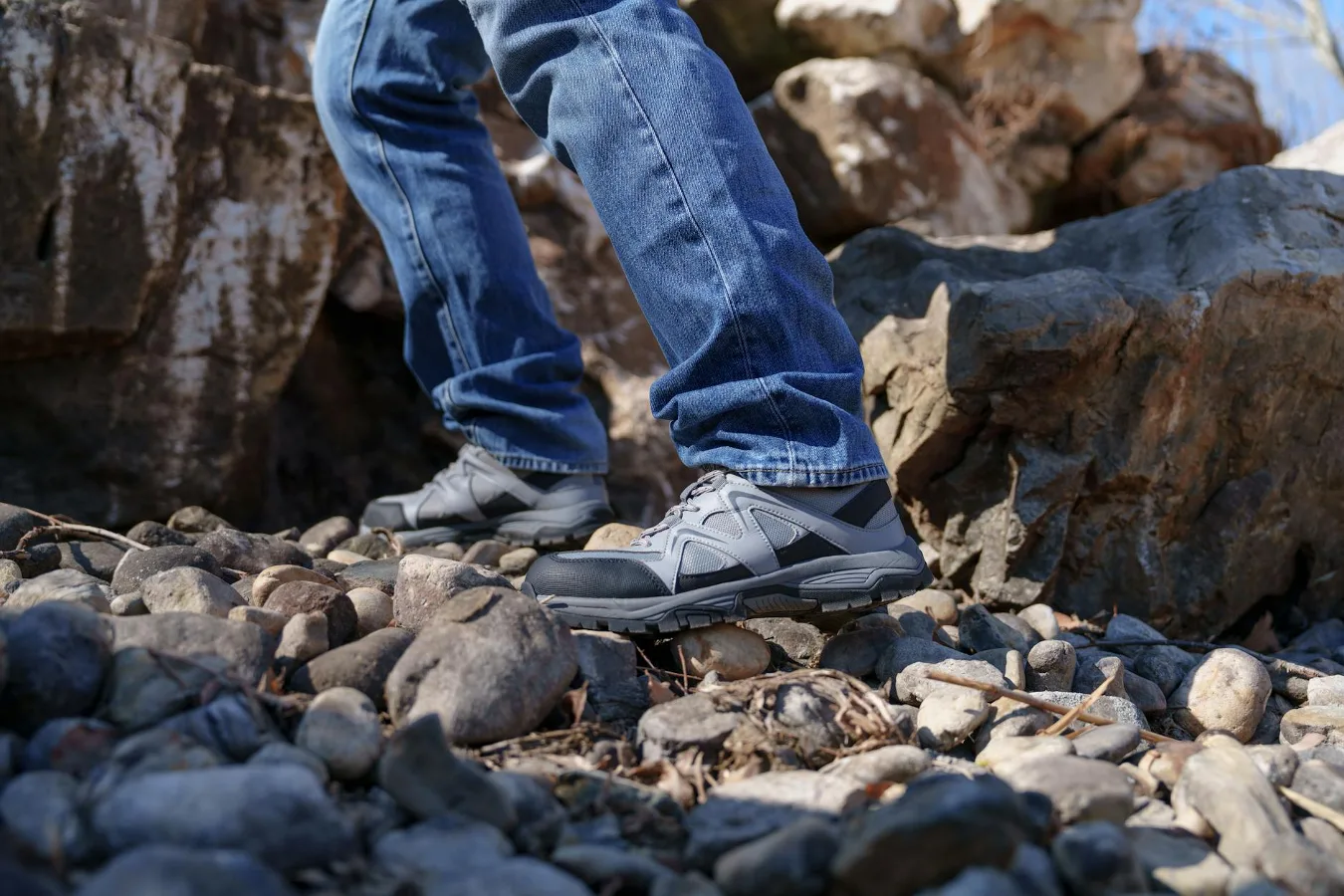
If you are looking at Rocky hiking boots, the most useful question is not whether they look durable. It is whether they match your terrain, your fit needs, and the kind of hiking you actually do. Rocky is a name many shoppers associate with rugged outdoor footwear, and that can be appealing if you want a boot that feels substantial enough for trails, wet ground, or cooler conditions.
The short answer: Rocky hiking boots can be a sensible choice for buyers who want a tougher, more traditional boot style rather than a lightweight trail shoe. They are often best considered by hikers who value stability, a protective upper, and a workwear-to-outdoor crossover look. The trade-off is usually weight and flexibility. If you want a boot for fast, summer trail miles, a lighter hiking shoe may be a better fit. If you want something that feels sturdier underfoot and can handle rougher surfaces, Rocky is worth a closer look.
Who Rocky hiking boots suit best
Rocky hiking boots tend to make the most sense for people who want one pair of boots to cover more than one setting. That might include casual hikers, landowners, hunters, outdoor workers who spend time on uneven ground, or anyone who prefers a boot with more structure than a sneaker-style hiker.
They are especially relevant if your priorities lean toward:
- ankle coverage and a more supportive feel
- durable materials that can handle regular wear
- a boot that works for both outdoor use and everyday cold-weather wear
- more protection on rocky, root-filled, or muddy terrain
They are less compelling if your top priority is speed, low weight, or maximum breathability in hot weather. That is a common misconception in boot shopping: a heavier boot is not automatically better for hiking. The right boot is the one that matches the trail, the weather, and your feet.
What to weigh before you buy
For this category, the most important evaluation factors are fit, support, traction, weather protection, materials, and break-in comfort. Those are the details that affect whether a boot feels reliable after a short walk or irritating after a full day outside.
Fit and sizing
Fit comes first because even a well-built boot will disappoint if the shape does not suit your foot. Hiking boots should feel secure at the heel, with enough room in the toe box to prevent jamming on descents. If a boot feels tight across the forefoot before you even leave home, it is unlikely to improve on the trail. Hiking Boots with Wide Toe Box: Buying Guide offers more detail on this point.
With Rocky hiking boots, pay close attention to how the boot accommodates socks, insoles, and foot volume. If you usually wear thicker hiking socks in cooler months, that can change the fit more than shoppers expect. Many people overlook this and size only for length, not overall shape. how to choose hiking boot fit offers more detail on this point.
Support and terrain
Support matters most when terrain gets uneven. A more structured boot can help reduce the feeling of rolling or collapsing on loose rock, steep approaches, or muddy ground. That said, more support does not guarantee better comfort. Some hikers prefer a softer, more flexible boot because it moves more naturally with the foot.
If your hikes are mostly moderate paths, a mid-cut boot may be enough. If you regularly carry a heavier pack or walk on unstable ground, a firmer platform can be useful. The decision is less about prestige and more about how much protection your ankles and arches actually need.
Traction and outsole grip
Traction is one of the most practical things to consider in hiking footwear, yet it is often reduced to a vague promise in product pages. For Rocky hiking boots, the real question is how the outsole pattern and rubber compound suit the surfaces you walk on. Deep lugs can help on mud and loose dirt, while a more balanced tread may feel better on mixed terrain.
Be realistic about where you hike. A boot designed for rugged outdoor use may feel excellent on dirt, gravel, and broken ground but still feel less secure on wet rock, slick boards, or leaf-covered slopes. No outsole solves every condition perfectly.
Weather protection
If you hike in rain, snow, damp grass, or shoulder-season weather, water resistance becomes a major decision factor. Some Rocky boots are built for wetter conditions, but water protection always comes with trade-offs. More sealed construction can reduce airflow, which matters on warmer days or during longer hikes.
A useful rule: if you often hike through wet brush, morning dew, or slushy conditions, some level of weather protection is valuable. If most of your hiking happens in hot, dry weather, breathability may matter more than a waterproof build.
Materials shape the feel more than the marketing does
Material choices affect durability, weight, flexibility, maintenance, and how the boot ages. This is where buyers can make a better decision by reading beyond product names and looking at construction.
Leather and synthetic uppers
Leather boots usually feel more substantial and can be a strong option if you want a boot that handles abrasion well. They often need more care, and they may feel stiffer at first. Synthetic materials typically reduce weight and can improve flexibility, but they may not feel as protective or long-lasting in rough use.
Neither choice is universally better. Leather can be a smart fit for rugged outdoor use, while synthetics may suit hikers who want less bulk and faster comfort out of the box.
Lining, insulation, and moisture management
If you hike in cold conditions, insulation can be a useful feature. If you hike in a humid climate or during summer, too much insulation can work against you. Lining also affects how the boot handles moisture over time. A boot that keeps water out but traps heat may still leave you uncomfortable after a few miles.
The overlooked consideration here is not just whether the boot is waterproof, but whether it can manage sweat as well as outside moisture. Wet feet do not always come from rain.
Midsole and underfoot feel
The midsole influences cushioning and stability. A firmer midsole can feel more supportive on rough ground, while a softer one can feel more comfortable on the first wear. The challenge is that soft does not always mean better for hiking. Too much softness can make a boot feel less secure on uneven terrain.
If you have joint sensitivity or prefer a smoother ride, a more cushioned boot may appeal to you. If you want better ground feel and steadiness, a firmer platform could be the better trade-off.
The trade-offs are real, and that is normal
Every hiking boot involves compromise. Rocky hiking boots are no exception. The most common trade-off is between protection and agility. A boot that feels tough and confidence-inspiring can also feel heavier, warmer, and slower than a lighter trail shoe. low cut hiking boots offers more detail on this point.
That does not make it a bad boot. It simply means the boot serves a different purpose. Buyers sometimes assume all hiking footwear should feel like athletic shoes. In practice, the better boot is often the one that gives up a little speed in exchange for stability, protection, or weather readiness.
Another trade-off is break-in time. Sturdier boots often need some time before they feel natural. If you need a pair for a trip next weekend, that matters. If you are buying for the long haul, a more structured boot can be worth the adjustment period.
How to decide if Rocky is the right fit for your use case
A practical way to choose is to start with your typical outing, not the hardest hike you can imagine. If your usual routine is short forest walks, wet dog-walking paths, light day hikes, or outdoor chores on uneven ground, a Rocky boot may be more boot than you need—but it could also be exactly the sturdy feel you want.
If you spend more time on longer hikes, warm-weather trails, or routes where lightweight movement matters, compare Rocky options against lighter hiking brands and trail shoes. The best footwear for you may be the one that feels less impressive on paper and more comfortable after two hours on your feet.
Use these questions to narrow the field:
- Do I need ankle coverage or just trail-ready grip?
- Will I wear these in wet, cold, or muddy conditions?
- Do I want leather durability, synthetic lightness, or a blend of both?
- How much break-in time am I willing to accept?
- Will I use the boot mostly for hiking, or for mixed outdoor and everyday wear?
Common mistakes shoppers make
One common mistake is choosing based on rugged appearance alone. A boot can look trail-ready and still be a poor match for foot shape or climate. Another is ignoring sock choice. Socks can change both fit and comfort, especially in stiffer boots.
People also underestimate the importance of testing the boot on inclines, not just standing in it. Downhill pressure reveals toe room, heel lock, and whether the boot slides in a way that could become annoying or painful later. Another frequent oversight is assuming waterproofing means comfort in all conditions. In warm weather, a fully sealed boot can feel too hot for some hikers.
Finally, some buyers treat break-in time as optional. A structured hiking boot often needs gradual wear, especially if it uses leather. Skipping that step can turn a promising pair into a blister source.
Care and upkeep affect long-term value
Even a solid boot will age faster if it is not cleaned and dried properly. Mud, salt, and moisture can wear on materials over time. After use, brush off debris, let the boots dry naturally, and avoid storing them while damp. If the uppers are leather, regular care matters even more because neglected leather can stiffen or dry out.
This is one area where the long-term value of a boot becomes clearer than the sticker price. A boot that fits well but lasts poorly is not a great buy. A boot that needs some care but holds up across seasons can be better value if you are willing to maintain it.
Smart next steps before ordering
If you are seriously considering Rocky hiking boots, focus on the practical details before you commit. Read the product description for upper material, waterproofing, insulation, and shaft height. Then compare those features with your climate and your trail habits.
Before you buy, check how the boot is intended to fit, what type of terrain it is built for, and whether it seems better suited to hiking, work, or mixed use. If you already know you prefer a lighter feel, keep that preference front and center. If you want a sturdier boot for rough ground and colder weather, Rocky’s rugged approach may be the right direction.
The best hiking boot is rarely the flashiest one. It is the pair that matches your feet, your terrain, and the way you actually move outside.