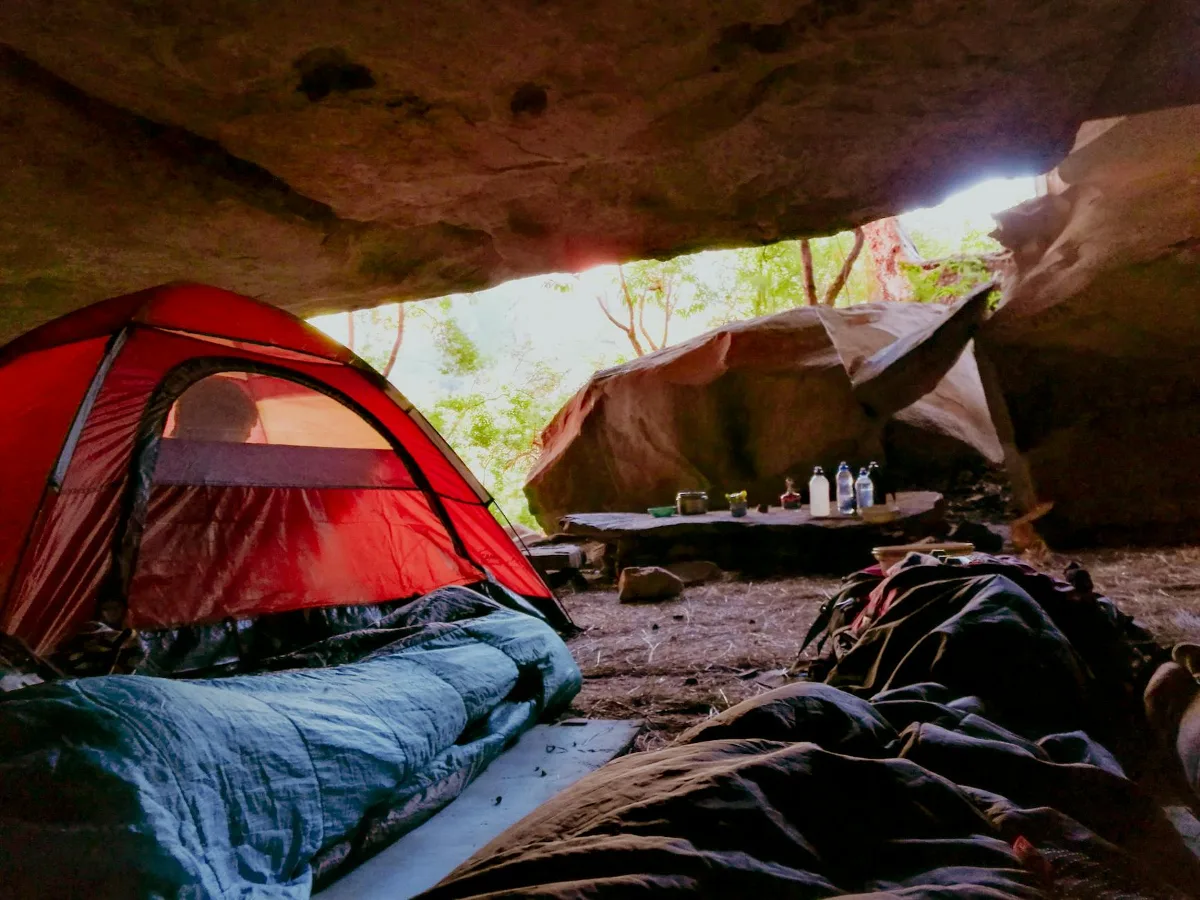
Quick answer: who needs a 20 degree sleeping bag?
A 20 degree sleeping bag is a good starting point for campers who want one bag that can handle many cool nights without moving into full winter territory. It is commonly considered a three-season option for spring, summer at higher elevations, and fall, especially when paired with the right sleeping pad and layers.
The right choice is not just about the temperature number on the tag. Shape, insulation type, fit, packed size, and how warm you sleep all matter. A bag that looks ideal on paper can feel too tight, too heavy, or not warm enough once it is on the ground.
If you are trying to decide whether a 20 degree sleeping bag is the right fit, think of it as a balanced middle ground: warmer than a summer bag, less bulky than a winter model, and often the most practical option for general camping and backpacking.
Why 20 degrees is such a common rating
For many outdoor buyers, 20 degrees sits in a useful zone. It is warm enough for a wide range of shoulder-season trips, yet still manageable for people who need to carry their gear. That is why this rating shows up often in backpacking, car camping, and general outdoor sleep systems.
That said, the temperature rating alone does not tell the whole story. A 20 degree sleeping bag is not a guarantee that you will sleep comfortably at exactly 20 degrees Fahrenheit. Real warmth depends on sleep clothing, shelter type, humidity, wind, insulation quality, and whether your sleeping pad is doing its job. best sleeping bag shapes for comfort offers more detail on this point.
A common misconception is that a bag rated for 20 degrees will feel equally warm for everyone. In practice, warm sleepers and cold sleepers often have very different experiences. Your own comfort range matters as much as the label.
How to compare 20 degree sleeping bags
If you are shopping for a 20 degree sleeping bag, focus on the features that affect actual use rather than the headline rating alone.
Insulation type
Down and synthetic insulation each bring different strengths. Down is usually favored for compressibility and lighter packed size, which makes it attractive for backpacking. Synthetic insulation tends to retain warmth better when damp and is often easier to care for, which can make it a practical choice for humid conditions, frequent use, or buyers who want lower maintenance.
A useful way to think about the trade-off is this: down often wins on packability and long-term loft when cared for properly, while synthetic often wins on moisture tolerance and simpler use. The best option depends on where you camp and how you manage your gear.
Shape and roominess
Mummy bags usually trap heat better because they reduce empty space inside the bag. That can be a strong advantage for a 20 degree sleeping bag, especially for backpackers who want warmth in a compact package. Rectangular bags give more room to move, but the extra space can make them feel cooler unless the design compensates with more insulation.
Some buyers assume a roomier bag is always more comfortable. That is true for some sleepers, but if you run cold or camp in shoulder seasons, too much space inside the bag can work against warmth. Side sleepers, broad-shouldered users, and people who feel cramped in traditional mummy bags may prefer a relaxed mummy or semi-rectangular cut instead of a fully boxy shape.
Fit and sizing
Fit influences warmth more than many shoppers expect. A sleeping bag that is too narrow can compress insulation around the hips, shoulders, or feet. A bag that is too loose leaves extra air to heat up. Neither is ideal.
Check shoulder girth, hip room, and length. Taller users should avoid forcing themselves into a bag that is technically “close enough,” because a cramped fit can reduce comfort and warmth at the same time. Smaller users should also pay attention to fit, since an oversized bag can feel drafty and inefficient.
Weight and packed size
For car camping, a little extra bulk may be acceptable if it improves comfort or durability. For backpacking, the same bulk can become a major downside. A 20 degree sleeping bag is often chosen because it strikes a reasonable balance between warmth and portability, but not every model does this equally well.
If the bag will spend most of its life in a vehicle or base camp, weight is less critical. If you will carry it several miles, packed size and overall carry weight deserve close attention.
Shell fabric and weather resistance
The outer fabric and finish influence how the bag handles condensation, damp tent walls, and general wear. A more durable shell can be helpful for frequent use, while water-resistant treatments may add a layer of protection in mixed conditions. Still, no sleeping bag should be treated as a substitute for a dry shelter or careful campsite setup. How to Choose a Sleeping Bag Compression Sack offers more detail on this point.
Draft control
Look for details such as draft tubes, insulated hoods, snug closures, and well-designed zippers. These small features can make a real difference in a 20 degree sleeping bag, especially on windy nights or when temperatures drop later than expected.
Who should choose this rating, and who should look elsewhere?
A 20 degree sleeping bag is often a smart buy for:
- campers who want one versatile bag for many seasons
- backpackers looking for a practical middle-ground warmth level
- buyers who camp in mild-to-cool conditions rather than deep winter
- people who want a more flexible bag than a summer-only model
It may not be the best choice if you regularly camp in very cold conditions, sleep cold even in moderate weather, or need the smallest possible packed size and are willing to trade warmth for lighter weight. In those cases, a warmer bag, a higher-loft sleep system, or a different insulation strategy may make more sense.
Another overlooked point: some people buy a 20 degree sleeping bag expecting it to solve every temperature problem by itself. It usually cannot. A sleeping bag is part of a system that includes a sleeping pad, shelter, clothing, and site selection. If one part is weak, the whole system feels colder.
20 degree sleeping bag vs other common options
Comparing this category to nearby ratings can make the choice clearer.
| Option | Best for | Main trade-off |
|---|---|---|
| 30 degree sleeping bag | Warmer conditions and lighter carry | Less versatility in cooler shoulder-season weather |
| 20 degree sleeping bag | Balanced three-season use | May be more bag than needed for summer-only trips |
| 0 degree sleeping bag | Colder conditions and winter use | More weight and bulk than many users need |
If you camp mostly in warm summer weather, a 20 degree bag may feel overly warm and less breathable than you want. If you extend trips into colder spring or fall nights, though, the extra insulation can be worth the added bulk.
Common mistakes to avoid
Several buying mistakes show up again and again with this category.
- Choosing the rating without checking fit. Warmth drops when the bag is too tight or too loose.
- Ignoring the sleeping pad. A bag cannot do much if the pad has poor insulation from the ground.
- Assuming all 20 degree bags feel the same. Construction, insulation type, and design details matter.
- Buying for the hottest trip instead of the broadest use case. If you only camp in summer, a warmer-rated bag may be unnecessary bulk.
- Forgetting about moisture conditions. Down can be an excellent choice, but it requires more care in damp environments.
- Overlooking packed size for backpacking. Comfort on the trail matters just as much as warmth at camp.
A practical tip: build your shortlist around the kind of trips you actually take. Weekend car campers, long-distance backpackers, and shoulder-season hikers do not need the same balance of features.
How to choose the right one for your use case
If you are narrowing down options, start with your primary camping style.
For backpacking: prioritize weight, compressibility, and a fit that keeps heat close to the body. Down often makes sense here, especially if you can protect it from moisture and store it properly between trips.
For car camping: comfort, roominess, and durability may matter more than packed size. A roomier cut or softer interior fabric can improve the experience without much penalty.
For cold sleepers: pay extra attention to hood design, draft tubes, insulation coverage, and whether the bag leaves room for light layering. A 20 degree rating may still be borderline for some sleepers unless the rest of the sleep system is strong.
For damp environments: synthetic insulation can be appealing because it is less sensitive to moisture and generally easier to live with in unpredictable conditions.
For users who hate feeling restricted: look for a relaxed mummy or semi-rectangular style rather than assuming every warm bag must feel tight.
Care, storage, and long-term value
Buying well is only part of the equation. How you store and care for the bag influences how long it stays warm.
Do not leave insulation compressed for long periods. Long-term storage in a loose sack or hung in a closet helps preserve loft. Keep the bag clean according to the manufacturer’s care instructions, and pay attention to zipper care, shell wear, and any spots where insulation starts to thin.
For down bags, moisture control and proper drying matter especially. For synthetic bags, regular cleaning can help maintain comfort and reduce odor buildup. Either way, a sleeping bag that is cared for properly will usually outperform one that is neglected, even if they started at the same rating.
Practical takeaway
A 20 degree sleeping bag is best understood as a flexible three-season tool rather than a universal solution. It works well for many campers, but the best choice depends on your body temperature, your camping style, and the rest of your sleep system. how sleeping bag temperature ratings work offers more detail on this point.
If you want one bag for a wide range of trips, this rating is often a strong place to start. Just make sure the insulation type, shape, fit, and packed size match how you actually sleep outdoors. That is where the real difference between a decent purchase and a genuinely useful one tends to show up.