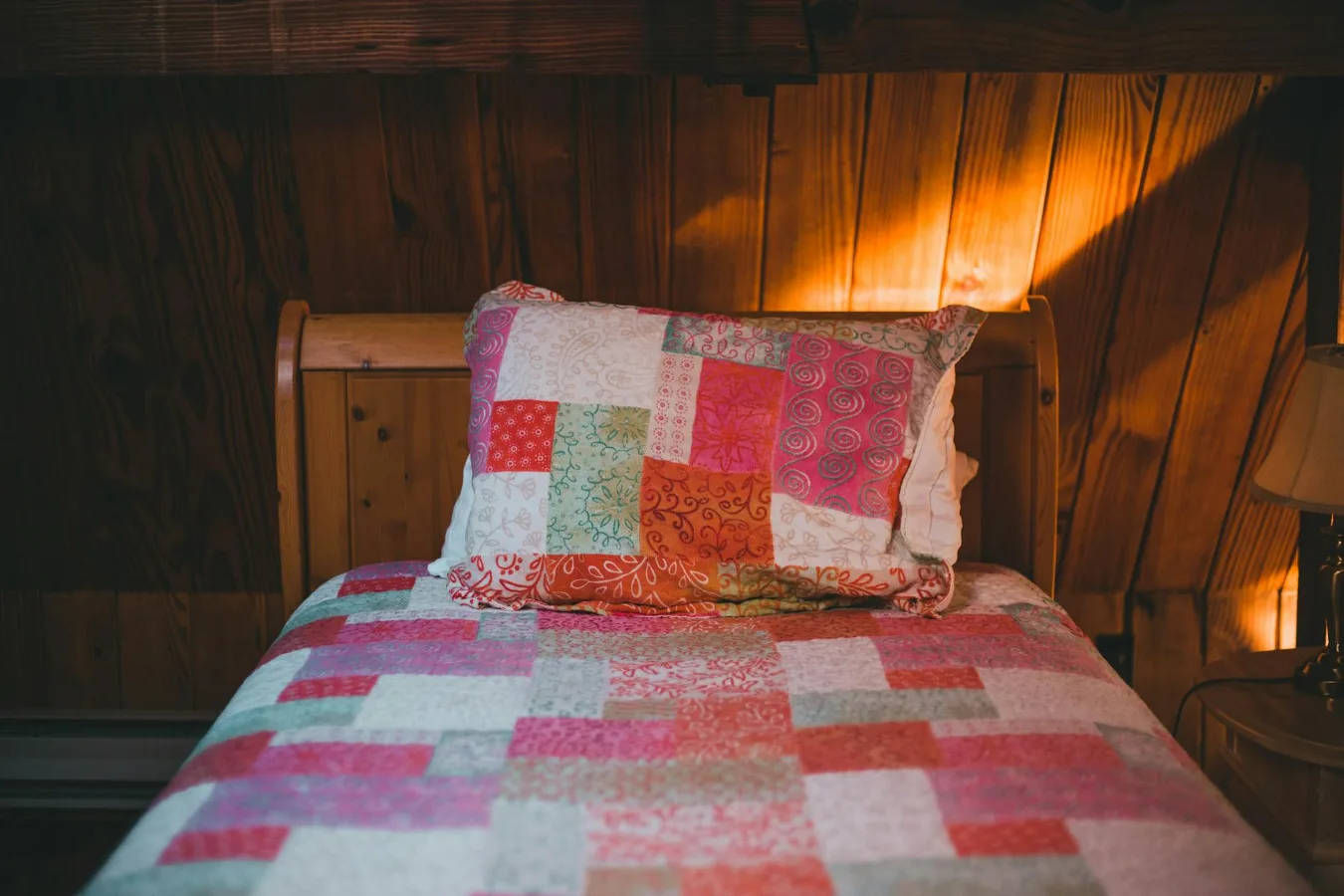
Quilt vs sleeping bag: the short answer
If you want the simplest answer, a sleeping bag is usually the safer, more straightforward choice for most campers, while a quilt is often the better option for hikers who want a lighter, less restrictive sleep system and are willing to manage drafts more carefully. degree sleeping bag offers more detail on this point.
The right choice depends on how you sleep, where you camp, and how much warmth security you want versus how much weight and bulk you want to save. Quilts and sleeping bags can both work well, but they solve the problem of staying warm in different ways.
A sleeping bag wraps insulation around your body, including underneath you. A quilt removes the insulation you would compress under your body and relies on your sleeping pad to insulate you from below. That difference changes comfort, warmth efficiency, and ease of use more than many shoppers expect. understanding down insulation offers more detail on this point.
Why the choice matters more than the label
People often treat quilts as a premium “upgrade” and sleeping bags as the basic option, but that oversimplifies the decision. The better sleep system depends on practical details that matter on real trips: moving around in the night, how cold you sleep, whether you camp in exposed conditions, and whether you value simplicity over flexibility. how to avoid drafts at night offers more detail on this point.
A common misconception is that quilts are automatically warmer because they are popular with ultralight backpackers. In practice, a quilt can be very effective, but only if you pair it with an appropriate sleeping pad, understand how to seal out drafts, and accept that the system is less enclosed than a traditional bag.
Another overlooked factor is sleep comfort. Some people feel cramped in a mummy bag and sleep better under a quilt with more room to shift positions. Others prefer the security of a bag because it stays put when they roll over or toss the top insulation aside.
Key factors that separate quilts from sleeping bags
Warmth and draft control
Sleeping bags generally provide more built-in draft protection. The enclosed shape, hood, and zipper design help keep warmth around your body with less adjustment required during the night. That makes them easier for many people in shoulder-season weather or unfamiliar campsites.
Quilts can be warm enough for similar conditions, but they depend more on proper setup. If the quilt is too loose, if the straps are not adjusted well, or if you move frequently, warm air can escape. This is not a flaw so much as a design trade-off: a quilt gives up some enclosure to reduce weight and bulk.
For colder or windier conditions, the margin for error matters. If you are the type of sleeper who dislikes fiddling with straps or tucking fabric, a sleeping bag may be the more dependable option.
Weight and packability
Quilts are often chosen for their lighter, less restrictive design. By removing the back insulation and zipper enclosure found in many sleeping bags, they can reduce packed size and overall carry weight. That is one reason they are common in ultralight backpacking systems.
But weight savings only matter if the rest of the system supports them. A quilt paired with a high-performing sleeping pad may still be lighter than a traditional bag, yet the final setup depends on insulation rating, material choice, and the accessories used to keep the quilt anchored.
If your trips involve long miles, small packs, or frequent resupply days, the lower bulk of a quilt can be a real advantage. If you mostly drive to campsites, the convenience of a bag may outweigh the difference.
Sleep position and roominess
Side sleepers and restless sleepers often prefer quilts because they feel less confining. Since the lower half of a quilt is not wrapped around your body in the same way, you may feel less tangled when turning over. This can make the sleep experience feel more natural.
Sleeping bags vary widely in shape. A roomy rectangular bag can feel comfortable, but it is usually heavier and less thermally efficient than a more fitted design. Mummy bags tend to be efficient and warm, yet some sleepers dislike the narrow cut, especially around the feet and shoulders.
The practical takeaway: if you feel restricted in a mummy bag, a quilt may solve that problem. If you like being cocooned, a bag may still be the better fit.
Temperature range and flexibility
Both quilts and sleeping bags are sold with temperature ratings, but those ratings do not tell the whole story. The comfort you actually feel depends on insulation type, pad R-value, clothing layers, wind exposure, humidity, and how well the system matches your body and sleeping style.
Sleeping bags are often easier for beginners because they behave more predictably. A quilt may be more flexible across different setups, especially if you already know how warm you sleep and how to manage layers. That flexibility can be useful for mixed-season use, but only if you are comfortable adapting your setup.
One practical nuance: a quilt can feel more versatile in mild to cool conditions, but a sleeping bag can feel more reassuring when temperatures dip and you want a sealed-in system without much adjustment.
Pad compatibility
Quilts rely heavily on the sleeping pad underneath you. Since compressed insulation under your body does little to keep you warm, the pad becomes part of the insulation system. If the pad is underperforming for the conditions, the quilt will not make up the difference.
This is one reason quilt shopping cannot be separated from pad shopping. The two work together. A warmer pad may allow a lighter quilt; a colder pad may require a more conservative quilt choice. If you are comparing options, think of them as a single sleep system rather than separate purchases.
Sleeping bags are less dependent on the pad for underside warmth because they enclose the body more fully. That does not eliminate the importance of a good pad, but it makes the setup more forgiving.
Where quilts usually win
- Ultralight backpacking: Every ounce matters, and quilts can reduce carry weight and packed volume.
- Side sleeping: The open design often feels less restrictive.
- Milder three-season trips: In conditions where draft management is manageable, quilts can be very efficient.
- Hammock camping: Quilts are popular because they pair naturally with hammock setups, especially as top insulation.
- Experienced users: Campers who understand their warmth needs can fine-tune a quilt system effectively.
Quilts also appeal to people who dislike the “dead space” of a bag or who want a more duvet-like feel in camp. That said, the comfort advantage is subjective. Some sleepers love the openness, while others miss the enclosure.
Where sleeping bags usually win
- Cold, windy, or variable conditions: The enclosed design offers more confidence and less fuss.
- Beginner-friendly use: Bags are easier to understand, adjust, and trust.
- Fast setup: There is less concern about attaching straps or sealing edges.
- Restless sleepers: If you move a lot, a bag tends to stay aligned around your body.
- Winter or near-freezing trips: A mummy bag or similarly enclosed design can simplify warmth management.
Sleeping bags also make sense when you do not want your insulation system to depend so heavily on technique. If you prefer gear that performs with minimal adjustment, a bag is often the safer bet.
Common trade-offs people miss
Quilts are not automatically lighter in every setup
While quilts often save weight, the final system can narrow the gap once you account for pad choices, attachment straps, and the need for a more robust sleeping pad in cooler conditions. A quilt is not magic; it is part of a coordinated system.
Sleeping bags are not always the warmer choice
A bag can feel warmer and more secure, but if it is overly roomy, poorly matched to the sleeper, or too bulky for the trip, it may not be the best functional choice. Warmth is not just about enclosure; fit matters too.
Comfort and efficiency do not always point in the same direction
A roomier sleeping setup can feel better at first, but may be less thermally efficient. A more fitted system may be warmer for the same amount of insulation. Your priority determines which compromise makes sense.
How to choose based on your trip style
| Trip style | Better fit | Why |
|---|---|---|
| Ultralight backpacking | Quilt | Lower bulk and less restrictive design can support lighter carry systems. |
| Beginner camping | Sleeping bag | Easier to use, easier to understand, and usually more forgiving. |
| Side-sleeper comfort priority | Quilt or roomy bag | Reduced confinement may improve sleep quality. |
| Cold, windy shoulder-season trips | Sleeping bag | More enclosure helps reduce drafts and simplifies warmth management. |
| Hammock camping | Quilt | Works naturally with hammock sleep systems. |
If your trips vary a lot, consider how often you are willing to adapt your gear. A quilt rewards attention to setup. A sleeping bag rewards simplicity.
Practical solutions if you are torn between the two
Choose a quilt if you value lighter packing and openness
A quilt makes sense if you are comfortable managing the rest of your sleep system, especially the pad beneath you. It is a strong choice for hikers who want to trim pack weight, sleep on their side, or reduce the “locked in” feeling of a mummy bag.
If you go this route, pay attention to the quilt’s attachment system, how it seals around your shoulders, and whether the shape suits your body and sleep habits. A good quilt is not just about insulation; it is about control over drafts and comfort.
Choose a sleeping bag if you want simplicity and warmth security
A sleeping bag is usually the better choice if you want a dependable, easy-to-use system. It is especially appealing for people who camp in changing weather, do not want to think much about setup, or are building a gear kit for the first time.
If you are leaning toward a bag, consider shape carefully. Mummy bags maximize thermal efficiency, while semi-rectangular and rectangular bags can feel more comfortable but may sacrifice some warmth efficiency and packability.
Consider a hybrid approach if your needs are mixed
Some sleepers end up using a quilt in mild weather and a sleeping bag when conditions become more demanding. That can make sense if you camp across a wide range of temperatures and want to match the insulation system to the trip.
Another practical option is to choose a bag with enough room to avoid feeling cramped, then focus on saving weight elsewhere. Not every camper needs the lightest possible setup if sleep quality suffers.
Common mistakes when comparing quilts and sleeping bags
- Ignoring the sleeping pad: A quilt especially depends on pad performance.
- Choosing by weight alone: Warmth, draft control, and comfort matter just as much.
- Buying too warm or too cold for your real use: Match the system to your usual conditions, not your rarest trip.
- Assuming a quilt will solve a bad sleep setup: If the rest of your gear is mismatched, a quilt will not fix it.
- Overlooking sleep style: Side sleepers, cold sleepers, and restless sleepers often need different solutions.
The biggest mistake is treating the choice as purely technical. In practice, it is about how you actually sleep outside, not just about insulation specs on paper.
Decision guidance: which one should you buy?
Pick a quilt if you want a lighter, less restrictive setup, already understand how to manage drafts, and prioritize packability and sleeping room. It is especially compelling for backpackers and hammock campers who are comfortable with a more customized sleep system.
Pick a sleeping bag if you want the most straightforward option, prefer a cocoon-like feel, or camp in conditions where extra enclosure and draft resistance matter more than shaving weight. It is usually the easier recommendation for newer campers and for colder, less predictable trips.
If you are undecided, ask yourself one practical question: Do you want your sleep system to be more forgiving, or more optimized? A sleeping bag leans forgiving. A quilt leans optimized. Neither is universally better.
FAQ
Are quilts warmer than sleeping bags?
Not automatically. A quilt can be very warm when paired with the right pad and used correctly, but a sleeping bag often feels warmer and more sealed-in because it encloses the body more completely.
Is a quilt good for beginners?
It can be, but sleeping bags are usually easier for beginners because they are more straightforward to use and less dependent on setup technique.
Do quilts work in cold weather?
Yes, but cold-weather use requires careful attention to draft control, sleeping pad insulation, and overall system fit. For some campers, a sleeping bag feels more dependable in low temperatures.
What is the biggest advantage of a sleeping bag over a quilt?
The biggest advantage is simplicity. Sleeping bags are generally easier to use, more enclosed, and more forgiving when conditions change.
Should I choose a quilt if I sleep on my side?
Often, yes. Many side sleepers appreciate the extra room and reduced restriction, though some still prefer the security of a roomy sleeping bag.