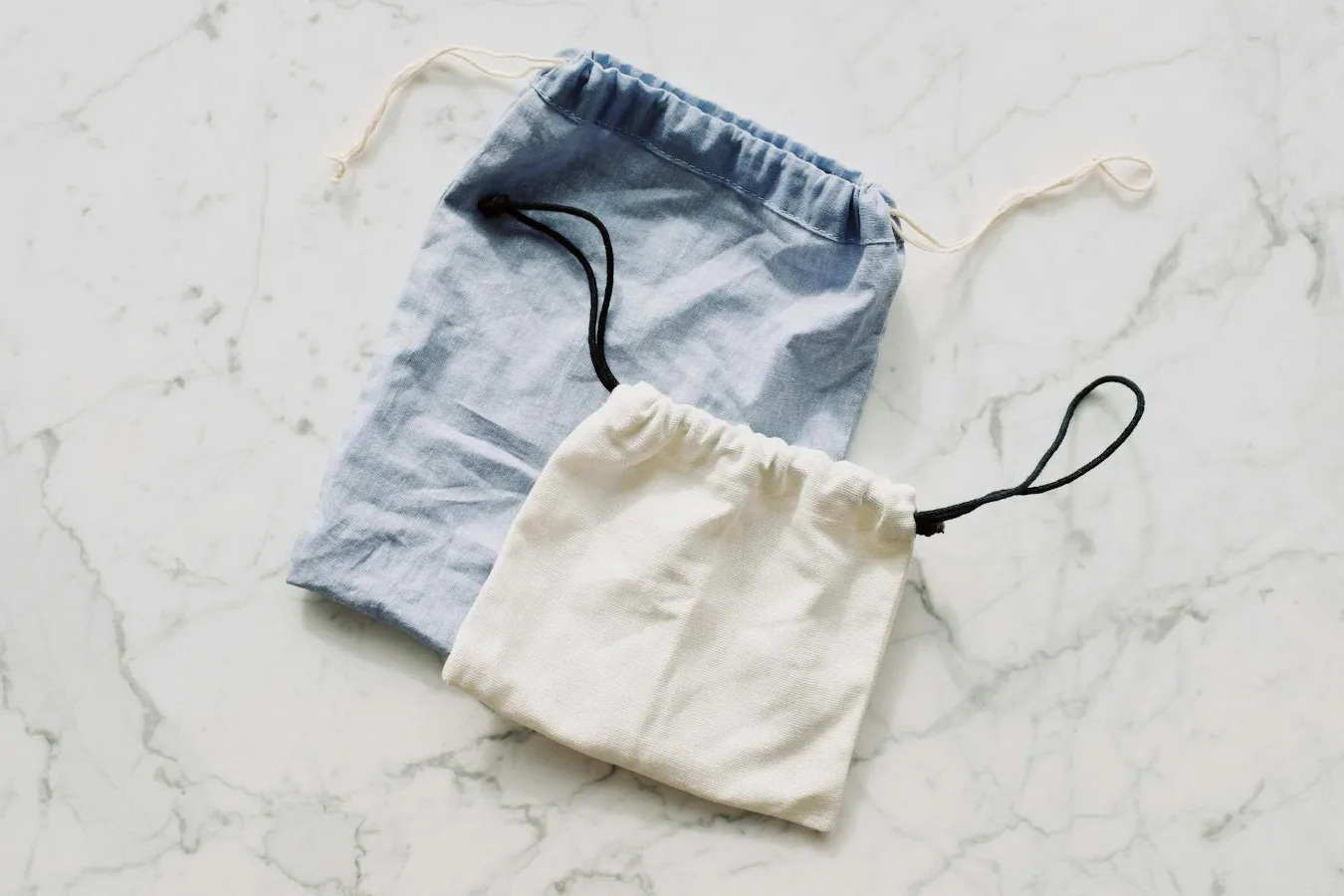
If you need a sleeping bag stuff sack, the right choice depends on how you use your bag. For short trips and backpacking, a compact sack helps you pack efficiently; for home storage, a looser sack or storage bag is usually the better option because it puts less stress on insulation. choosing the right sleeping bag sack offers more detail on this point. how to store a sleeping bag offers more detail on this point.
The main decision is not just size. You also need to think about whether you want a simple stuff sack or a compression sack, how durable the fabric needs to be, and whether the closure feels easy to use when your hands are cold or your bag is bulky. That combination matters more than brand claims or flashy features. Compression Stuff Sack Buying Guide offers more detail on this point.
Start with the use case, not the sack
The most common mistake is buying one sack and expecting it to solve every storage problem. A sleeping bag has two very different jobs: getting smaller in a pack and staying healthy between trips. Those goals do not always point to the same product.
For backpacking and travel
If the goal is to fit a sleeping bag into a packed backpack, a compression sack is often the more practical choice. Compression straps help reduce bulk, which can make a meaningful difference when space is limited. The trade-off is that repeated hard compression is not ideal for long-term storage, so this should be treated as a trip-use solution rather than a permanent home for the bag.
For storage at home
If the bag spends most of its life in a closet or gear bin, a larger storage sack is usually the safer option. The bag stays looser, loft retention is easier to preserve, and the fill is less likely to stay tightly compressed for long periods. This is especially relevant for down sleeping bags, but it also helps synthetic bags avoid unnecessary wear.
For car camping
Car campers often have more flexibility. A standard stuff sack may be enough if you do not need maximum pack compression. In many cases, a slightly roomier sack is easier to live with because it is faster to pack and less frustrating when the bag is damp, bulky, or not fully fluffed.
Size and fit are the first filters
Sleeping bag stuff sacks are not one-size-fits-all. Fit depends on the sleeping bag shape, fill type, temperature rating, and how tightly the bag compresses when packed. A sack that is too small can be frustrating and can put unnecessary stress on seams or zippers. A sack that is too large wastes space and may leave the bag shifting around inside your pack.
A good fit usually means the sleeping bag can be stuffed without fighting the opening, while still compressing enough to be useful. If you are choosing between two sizes, think about how you pack in real life. A bag that is used in cold weather, with thicker fill and bulkier lining, will typically need more room than a summer bag.
Shape matters too. Mummy bags usually pack smaller than rectangular bags, so they often work with smaller sacks. Rectangular or semi-rectangular bags may need extra volume even if their temperature rating looks similar on paper.
Material and construction affect durability
The shell fabric of the sack matters because it takes the abuse of stuffing, snagging, abrasion, and repeated compression. Lightweight materials can save weight, but they may feel thinner and less forgiving over time. Heavier fabrics can be more durable, but they may add bulk that is not welcome in a backpacking setup.
Look closely at the practical details rather than marketing language. Reinforced stitching, bar-tacked stress points, and a secure seam finish can matter more than a glossy fabric name. If the sack will live inside a pack with tent poles, cookware, or sharp-edged gear, abrasion resistance becomes more relevant.
Water resistance is worth a careful look, but it should not be overstated. A water-resistant coating or fabric can help with light exposure, damp grass, or a briefly wet pack exterior. It is not a substitute for a proper dry bag in sustained rain or river travel. If keeping the sleeping bag truly dry is critical, separate waterproof protection is still the safer choice.
Compression sacks and regular stuff sacks are not interchangeable
These two categories solve different problems. A regular stuff sack is mainly for containment and organization. A compression sack adds straps or a system that squeezes the bag down further.
The practical trade-off is simple: compression sacks save space, but they can be less gentle on insulation over time. Regular stuff sacks are easier on the fill and often faster to use, but they do not reduce volume as aggressively. That difference is easy to overlook when shopping online because both products can look similar at a glance.
If you backpack often and pack volume is tight, a compression sack may be worth it. If you mostly store the bag between trips or want the least complicated option, a regular stuff sack may be the better fit. Many outdoor users keep both: one for storage and one for travel.
Closure style can make the sack easier or harder to use
Closure design is a small detail that affects daily usability. Drawstring closures are common because they are simple and quick. Roll-top or buckle-based designs are less common for sleeping bag sacks but can be useful in certain storage setups. Compression models usually combine a top closure with side straps.
A closure should be easy to open, easy to close, and secure enough that the bag does not work loose in your pack. If you often pack in the dark, in cold weather, or with gloves on, that ease of use becomes more important than it sounds in a product listing.
Some users also prefer a wider opening because it makes stuffing less fussy. A narrow mouth can be tidy but may be annoying with bulky bags. This is one of those small usability details that can matter more than minor weight differences.
Down and synthetic bags have different needs
The sleeping bag fill changes how you should think about storage. Down bags are prized for loft and packability, which makes storage habits especially important. Synthetic bags are generally more forgiving, but they still benefit from sensible storage and packing.
For down, avoid keeping the bag tightly compressed for long periods. A roomy storage sack is often the better home base, with a separate compression sack reserved for trips. For synthetic fill, the same principle applies, though the material may tolerate compression somewhat differently depending on construction and quality.
In both cases, the goal is to preserve usable loft and keep the bag clean and organized. A stuff sack is not just a packing accessory; it is part of the sleep system’s long-term care.
Common mistakes buyers make
- Buying a compression sack for long-term storage and leaving the bag packed tight for months.
- Choosing a sack based only on color or brand instead of fit and use case.
- Assuming water resistance means the sleeping bag is fully protected in heavy rain.
- Picking the smallest size possible, then struggling to stuff the bag at the campsite.
- Ignoring bag shape, which can affect how well the sack closes and packs.
- Overlooking closure ease, especially for cold-weather or early-morning packing.
What to compare before you buy
If you want a practical shortlist, compare the sack on the same factors you would use for any piece of outdoor gear: fit, durability, weight, weather protection, and convenience. The best option is usually the one that matches your real packing style, not the most aggressively compressed result.
| Factor | What to look for | Why it matters |
|---|---|---|
| Size | Room for your sleeping bag without forcing it | Affects ease of packing and final packed volume |
| Material | Lightweight but durable fabric | Influences wear, abrasion resistance, and weight |
| Closure | Secure drawstring or compression system | Affects ease of use and pack security |
| Compression | Enough squeeze for travel, not for storage | Helps balance space savings with insulation care |
| Weather resistance | Light moisture protection if needed | Useful in damp conditions, but not a full waterproof solution |
| Shape | Matches your bag’s profile | Makes packing easier and reduces wasted space |
Alternatives worth considering
A stuff sack is not the only way to manage sleeping bag storage. Depending on the situation, a different solution may work better.
- Storage sack: Best for home use when loft preservation matters more than pack size.
- Compression sack: Best for backpacking or tight packing situations.
- Dry bag: Useful when moisture protection matters more than convenience, though bulk can increase.
- Pack liner: Helpful as a backup moisture barrier inside your backpack, especially in wet climates.
- Loose closet storage: The simplest option for long-term care if the bag has enough space and stays clean.
These alternatives are worth thinking about because the most efficient travel solution is not always the best storage solution. Many experienced campers separate the two tasks rather than trying to make one sack do everything.
Next steps for choosing the right one
Before buying, check the sleeping bag’s shape and approximate packed size, then decide whether the sack is for storage, travel, or both. That one decision will narrow the field quickly.
From there, choose the least complicated option that still meets your needs. If you are a backpacker, prioritize packability and secure closure. If you are storing a good bag at home, prioritize room and gentleness on the fill. If you camp in wet environments, add a separate moisture-protection plan instead of relying on the sack alone.
A sleeping bag stuff sack is a small accessory, but it has an outsized effect on how easy your gear is to pack, protect, and carry. The right one should make your sleeping bag easier to live with, not harder.