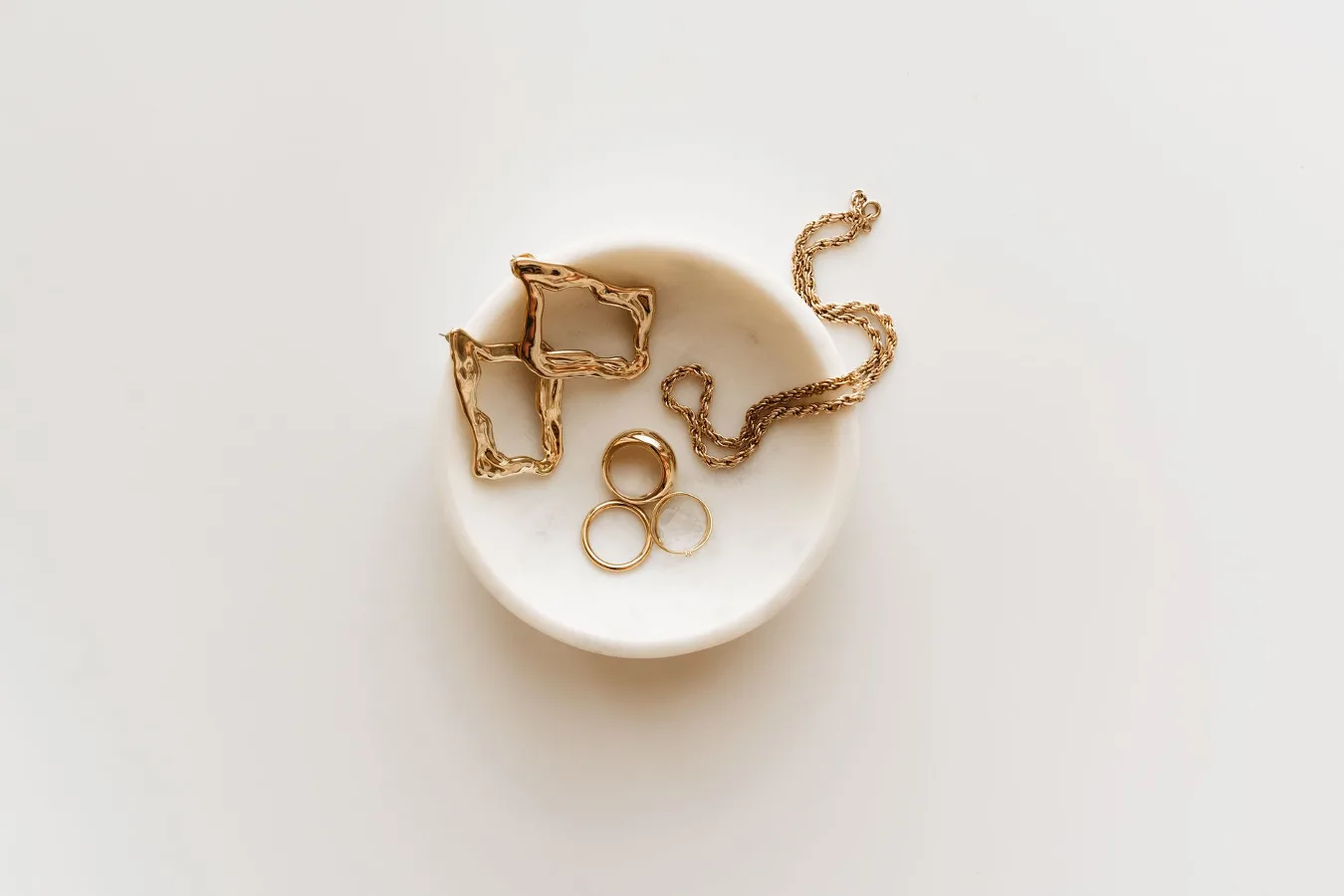
A gold plated necklace is a practical way to get the look of gold without paying for a solid gold piece. The trade-off is simple: you gain affordability and styling flexibility, but you also need to pay closer attention to plating quality, base metal, and care. gold lariat necklace offers more detail on this point.
If you are shopping for one, the best choice is usually not the brightest or the cheapest option. It is the necklace that matches how often you plan to wear it, how sensitive your skin is, and how much maintenance you are willing to handle.
What matters most in a gold plated necklace
Gold plated necklaces are not all built the same. Two pieces can look almost identical online and behave very differently after a few weeks of wear. The main reason is that the outer gold layer may be applied over different base metals and at different thicknesses, which affects both appearance and durability.
The first decision is whether you need a necklace for occasional styling or regular wear. That single question influences almost every other choice, from chain type to clasp style to whether you should consider a different category such as gold vermeil or solid gold instead.
Base metal affects comfort and lifespan
The metal underneath the plating matters more than many shoppers realize. It influences how the necklace feels, how it wears over time, and whether it is likely to irritate your skin. Common base metals in fashion jewelry include brass, copper, stainless steel, and sterling silver, though availability varies by brand and product line.
For some buyers, the most important factor is skin compatibility. If you are prone to irritation, look for clearer material information rather than vague descriptions like “premium alloy.” A more transparent listing is usually a better sign than one that focuses only on appearance.
- Brass is common in fashion jewelry and can offer a good look at a lower cost, but it may not be ideal for everyone’s skin.
- Stainless steel is often valued for sturdiness and everyday practicality.
- Sterling silver under gold plating can be a stronger option for buyers who want a more refined base.
- Copper-based pieces may show wear differently and can be less predictable over time.
Plating quality is the hidden deciding factor
Plating quality is one of the least visible but most important parts of the purchase. A thicker or better-applied plating layer generally gives the necklace a longer runway before the base metal starts to show through. That does not make the piece permanent, but it can make a meaningful difference in how long it keeps its finish.
Shoppers often assume that any gold-plated item will wear the same way, but that is not true. Finish quality depends on manufacturing consistency, how the necklace is worn, and how often it encounters moisture, lotion, perfume, or friction. A necklace worn under a collar every day will age differently from one worn for evenings out only.
One overlooked point: a very shiny photo can hide the fact that the plating is thin or uneven. Product images are useful for style, but they rarely tell you how the necklace will look after repeated use. Material details and care guidance are more revealing.
Chain style should match how you plan to wear it
The chain style affects both appearance and durability. Some chains are made to sit neatly on the neckline and layer well with other pieces. Others are better for holding a pendant or making a stronger visual statement.
Common chain styles to consider
- Cable chains are classic and versatile, making them a safe choice for everyday styling.
- Figaro chains create more visual interest and work well when the chain itself is part of the look.
- Snake chains have a smoother, more fluid appearance but may need gentler handling.
- Curb chains often feel more substantial and can suit bolder outfits.
- Box chains can be a clean option for pendants and modern styling.
If you want a necklace that layers easily, choose a style that lies flat and does not tangle too quickly. If you want a pendant necklace, check whether the chain thickness and clasp size are appropriate for the pendant’s weight. A delicate chain may look elegant, but it can be a poor match for a heavier charm.
Length changes the way the necklace works with your wardrobe
Chain length is not just a style detail. It changes how the necklace sits with necklines, how visible it is, and whether it works well alone or in a layered stack. A shorter necklace can feel polished and intentional, while a longer one may suit casual outfits or pendants better.
The right length depends on your frame, your wardrobe, and the looks you wear most often. If you already own several necklaces, think about how the new piece will layer with them rather than treating it as a standalone item.
- Shorter lengths are often better for statement looks and higher necklines.
- Mid-length necklaces usually offer the most versatility.
- Longer necklaces can help elongate an outfit and work well over simple tops and dresses.
One practical nuance: a necklace that looks perfect in product photos can sit differently once worn, especially if the chain is stiff or the clasp lands in an awkward place. That is another reason to review length carefully instead of relying on visuals alone.
Clasp design and finishing details are worth checking
Small hardware details often determine whether a necklace feels convenient or annoying to wear. A clasp that is easy to fasten by yourself matters more than many buyers expect, especially for daily wear. Finishing quality around the clasp and jump rings also affects long-term reliability.
Look for clean joins, smooth edges, and a clasp that closes securely without feeling flimsy. If the necklace has a pendant, inspect how it attaches to the chain. A weak connection point can become the first place where wear shows up.
These details may not be glamorous, but they influence how often you actually reach for the necklace. A piece that looks beautiful but is frustrating to put on tends to get worn less often.
How to think about value, not just price
A lower price can be appealing, but value depends on use. If you want a necklace for occasional events, a more decorative gold plated piece may be enough. If you want something to wear frequently, a better-made option may cost more upfront but feel more worthwhile over time.
Rather than asking whether a gold plated necklace is “worth it” in general, ask what role it will play in your jewelry collection. Is it a trend piece, a layering staple, a gift, or an everyday signature necklace? The answer changes the ideal budget and construction. gold plated jewelry basics offers more detail on this point.
It also helps to compare gold plated jewelry with alternatives:
- Gold vermeil is often considered a step up in materials, especially when the base is sterling silver.
- Gold-filled jewelry may offer better durability than standard plating in some cases.
- Solid gold is the most durable option, but it sits in a different price category altogether.
For many shoppers, the best choice is not the most durable option available. It is the option that matches the occasion, usage, and maintenance habits realistically.
Care habits make a bigger difference than most people expect
Even a well-made gold plated necklace will usually last longer if it is treated carefully. The plating can wear faster when exposed to moisture, cosmetics, fragrance, cleaning products, and rough storage. That does not mean the necklace must be babied, but it does mean a few habits can meaningfully extend its useful life.
- Put the necklace on after applying lotion, perfume, or hair products.
- Remove it before swimming, showering, or exercising if the brand recommends it.
- Store it separately to reduce scratching and tangling.
- Wipe it gently after wear if it has been exposed to sweat or product residue.
Storage matters more than many buyers expect. Keeping chains tangled in a jewelry drawer can create unnecessary friction, which may wear the finish and bend delicate links. A simple pouch, box, or hanging storage option can help preserve the look.
Common mistakes shoppers make
Many disappointing purchases come from the same few errors. The first is choosing only by appearance. A necklace may look rich in photos but still have thin plating or a fragile chain. The second is buying a style that does not fit the wearer’s routine. A delicate chain is not ideal if it will be tugged by layers, bags, or frequent movement.
Another common mistake is ignoring sensitivity concerns. Some people can wear plated jewelry comfortably, while others react to the base metal or finish. If you have known sensitivities, prioritize clear product details and choose conservative materials rather than assuming all plated necklaces will feel the same.
There is also a misconception that all gold plated jewelry is disposable. While it will not behave like solid gold, a well-chosen necklace can still deliver solid value if it is worn in the right context and cared for properly.
Which gold plated necklace fits which buyer?
The right choice depends on how the necklace will be used. Different shoppers need different trade-offs, and that is normal.
| Buyer need | What to prioritize | What to avoid |
|---|---|---|
| Everyday wear | Clear material details, sturdier chain, reliable clasp | Very delicate construction or vague material listings |
| Occasional styling | Design, layering potential, price-to-style balance | Overpaying for durability you will not use |
| Sensitive skin concerns | Transparent base metal information, more compatible materials | Unclear alloy descriptions |
| Gift buying | Versatile length, classic chain style, easy-to-wear design | Overly specific or trend-heavy styles |
| Layering looks | Short-to-mid lengths, flat chains, lightweight profile | Bulky or easily tangled designs |
This kind of matching is often more useful than searching for the “best” necklace in the abstract. A piece that suits one use case may be the wrong fit for another.
A practical way to narrow your choice
If you want a simple decision path, start with the question of wear frequency. For occasional wear, you can focus more on style, finish, and budget. For frequent wear, move durability, material transparency, and comfort higher on the list. After that, decide whether the necklace needs to stand alone or layer with others.
Then check three final details: chain length, clasp quality, and care instructions. Those are the parts most likely to affect daily satisfaction. A necklace that looks beautiful but feels awkward, tangles often, or is hard to maintain usually ends up sitting unused.
A gold plated necklace can be a smart buy when expectations are realistic. It is best viewed as a style-forward accessory with a limited lifespan rather than a permanent investment piece. That framing makes it easier to choose well, care for it properly, and avoid disappointment.
If you are building a jewelry collection, a gold plated necklace can also serve as a flexible entry point before you decide whether you prefer plated pieces, vermeil, gold-filled jewelry, or solid gold for future purchases. gold vermeil vs plated jewelry offers more detail on this point.