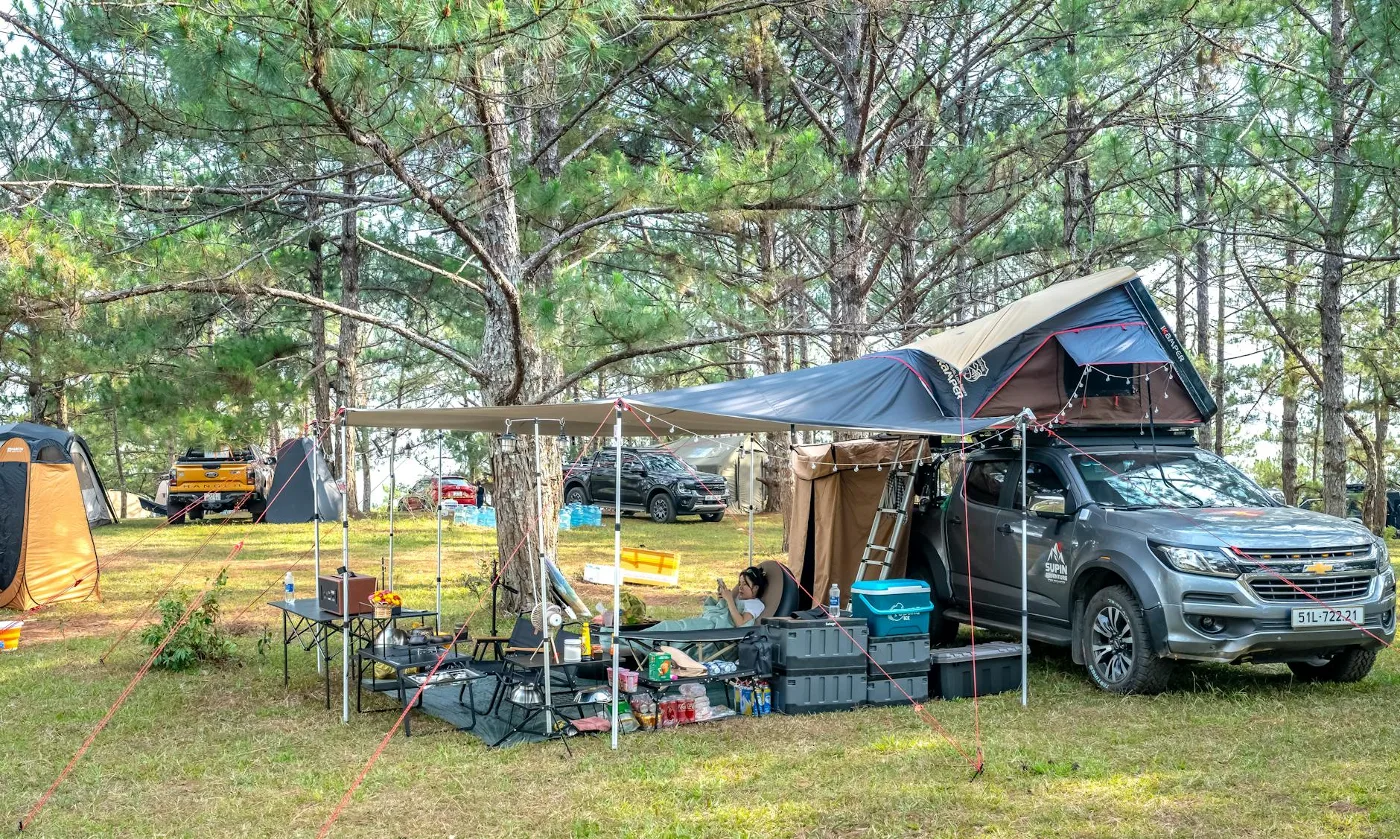
If you are shopping for a car camping sleeping bag, the best choice is usually not the lightest one. For car camping, comfort, room to move, easy care, and a realistic temperature rating often matter more than shaving ounces. The right bag should match your sleep style, the climate you camp in, and whether you want something roomy for summer weekends or versatile enough for colder shoulder-season trips. choosing the right bag shape offers more detail on this point.
Car camping changes the priorities compared with backpacking. You can usually carry a larger bag, a thicker insulation layer, and a more comfortable shape because weight and packed size are less restrictive. That opens the door to options that feel closer to bedding than technical alpine gear. The trade-off is that a bulkier bag may take up more trunk space, and some of the warmest or roomiest models can be less efficient to heat if you pick the wrong design for your conditions. seasonal camping gear guide offers more detail on this point.
When a car camping sleeping bag matters most
A sleeping bag becomes more important than many buyers expect because it affects more than warmth. It influences how well you sleep, how easy it is to get in and out at night, and whether you wake up feeling cramped or chilled. For car camping, this matters in a few common situations:
- Weekend trips with variable weather, where evening temperatures can drop faster than expected.
- Family camping, where comfort and ease of use are often more important than compactness.
- Road trips and dispersed camping, where the bag may need to handle different climates over one season.
- Campers who sleep cold and want more insulation than a blanket alone can provide.
- Casual campers using tents, truck beds, or SUVs, where a roomy sleep setup is practical.
If you camp only in warm summer weather, you may not need a heavily insulated bag. If you camp in spring or fall, the temperature range becomes more important, and a poor choice can leave you layering clothes inside the bag or waking up cold. That is why the best car camping sleeping bag is usually chosen by use case first, then by material and style.
Step-by-step criteria for choosing the right bag
1. Start with the coldest conditions you realistically expect
The most common mistake is buying for ideal weather instead of the coldest trip you are likely to take. A bag that feels comfortable on a mild night may feel inadequate when temperatures dip or humidity rises. Look for a bag that gives you a reasonable margin for the coldest conditions you actually plan to camp in, not the warmest ones you hope for.
For car camping, many people benefit from a bag that is more adaptable than extreme. If you camp across different regions or seasons, a three-season option is often a practical middle ground. If you camp only in summer, a lighter, more ventilated bag may be better than an all-season model that feels too warm.
2. Decide how much room you want
Fit affects comfort as much as insulation does. Some campers sleep better in a close-fitting mummy shape because it reduces dead air and traps warmth efficiently. Others find mummy bags restrictive, especially if they move around, sleep on their side, or dislike having their feet boxed in.
For car camping, rectangular bags are popular because they feel more like a blanket and allow more movement. Semi-rectangular or roomy mummy designs try to split the difference by improving warmth without feeling too tight. If you know you dislike narrow sleeping bags, do not assume you will adapt. Comfort issues tend to show up quickly once you are in the tent.
3. Match insulation type to your priorities
Two broad insulation types dominate the market: down and synthetic. Each has clear strengths, and neither is automatically best for every camper.
- Down insulation is valued for warmth-to-weight efficiency and compressibility. It can be a strong choice if you want a lighter, more packable bag and you camp in drier conditions. A key limitation is that down needs more care around moisture, so it is less forgiving if condensation or damp conditions are common.
- Synthetic insulation is generally easier to maintain and tends to keep insulating performance better when damp. It is often practical for humid climates, budget-conscious buyers, or anyone who wants a lower-stress option for car camping. The trade-off is that it can be bulkier and less compressible than comparable down options.
For a car camping sleeping bag, synthetic insulation is often a sensible default because trunk space is usually less of a constraint than in backpacking. But if you expect to camp in dry, cool conditions and want a more compressible setup, down can still make sense.
4. Choose a shape that fits how you sleep
Shape affects both warmth and comfort. A sleeping bag that looks ideal on paper can be wrong if your sleep habits do not match its design.
- Rectangular bags offer the most room and are often easiest for casual campers.
- Semirectangular bags provide a compromise between room and warmth.
- Mummy bags reduce empty space and can feel warmer, but they may feel restrictive.
- Double bags suit couples or campers who want a shared sleep setup, though they are less flexible if one person sleeps much warmer than the other.
If you are a side sleeper or someone who tosses and turns, a roomier cut can matter more than a slightly higher warmth rating. A too-snug bag can lead to pressure points and restless sleep, which defeats the purpose of buying a warmer model in the first place.
5. Look at temperature guidance with caution
Temperature ratings are useful, but they are not a promise of comfort for every sleeper. People vary widely in how warm they sleep, and the rest of the sleep system matters too. A sleeping pad with poor insulation can undermine even a well-chosen bag, especially on cold ground. sleeping bag temperature ratings explained offers more detail on this point.
Use temperature guidance as a starting point, then adjust for your own needs. If you sleep cold, camp at higher elevations, or use a thinner pad, you may want a warmer margin. If you sleep warm or only camp in summer, a lighter bag may be more comfortable.
6. Think about packability only as much as you need to
Because this is car camping, packed size should matter less than it does for backpacking. Still, it is worth considering if your vehicle space is limited or if you travel with multiple people and a lot of gear. Some bags are more compressible than others, and that can affect how easy they are to fit alongside coolers, tents, and camp chairs.
This is one of the overlooked considerations: many buyers overvalue pack size and undervalue sleep comfort. For car camping, a slightly bulkier bag that fits your sleep style is often a better purchase than a compact bag that feels too tight or too cold.
7. Check the details that affect daily use
Small features can make a big difference once you are actually camping.
- Zipper design: Smooth operation matters if you get up during the night or want to vent heat.
- Draft control: Draft tubes, collars, and hood design can improve warmth in cooler weather.
- Lining feel: The interior fabric affects comfort against skin or sleepwear.
- Ease of cleaning: Car camping bags often see more dirt, snacks, sunscreen, and general use than people expect.
- Storage needs: A bag stored loosely between trips typically lasts better than one kept compressed long term.
These details do not always show up in product headlines, but they influence whether a bag feels convenient or annoying after the first few trips.
Practical examples by camping style
For summer-only campers
If your trips are mostly warm-weather tent camping, prioritize ventilation, roominess, and easy cleaning. A lighter synthetic bag or a roomy rectangular model may be better than a heavily insulated design. Overbuying warmth can make the bag uncomfortable and harder to use on mild nights.
For shoulder-season campers
If you camp in spring and fall, a more versatile three-season bag is usually the safer choice. Look for better draft control, a more thoughtful hood or neck design, and a shape that balances comfort with warmth. This is where sleep system planning matters most, because a good pad and appropriate layers can extend the usable range of your bag.
For cold sleepers
If you tend to feel cold even when others are comfortable, choose conservatively. A bag with some extra warmth margin and features that reduce heat loss can be more useful than a looser, roomier model with a lower warmth profile. You may also want to focus on the full sleep system rather than the bag alone, especially if the ground is cold.
For couples or family campers
Shared sleeping setups can be convenient, but they are not always the most flexible choice. A double bag can feel cozy, but if one person sleeps hot and the other sleeps cold, temperature control can become complicated. Two separate bags or a modular setup may be easier to manage over time.
Checklist before you buy
Use this checklist to narrow the choices without getting distracted by marketing language:
- What is the coldest realistic weather I plan to camp in?
- Do I want roominess, warmth efficiency, or a balance of both?
- Do I sleep on my side, back, or stomach?
- Will I camp mostly in dry conditions or in humid or damp environments?
- Do I value easy maintenance more than maximum compressibility?
- Is vehicle space limited, or do I have room for a bulkier bag?
- Will I use the bag alone, or do I need a double or family-friendly setup?
- Does the sleeping bag work with my pad, tent, and layering habits?
If you can answer those questions clearly, you are much less likely to choose a bag that looks good online but disappoints at camp.
Common mistakes to avoid
Buying for backpacking instead of car camping. A superlight bag may be impressive, but it is not always the most comfortable or practical choice for driving to camp.
Ignoring the sleeping pad. Ground insulation matters. A warm bag paired with a poor pad can still leave you cold.
Choosing a bag that is too narrow. Restriction is one of the fastest ways to turn a good trip into a restless night.
Assuming one temperature rating fits everyone. Sleep temperature is personal, and layering, humidity, and wind all change how a bag feels.
Overlooking care requirements. Some materials need more careful washing, drying, or storage than others, and that affects long-term value.
Alternatives worth considering
A sleeping bag is not the only option for car camping. Depending on your setup, a few alternatives may make more sense.
- Sleeping quilts can work well for campers who want more freedom of movement and already have a good pad.
- Blankets or layered bedding may be enough for warm-weather trips or for camping inside a vehicle.
- Double sleep systems can be practical for couples who want a shared sleeping surface without buying matching individual bags.
These alternatives are especially useful if traditional sleeping bags feel too confining. The trade-off is usually less enclosure and, in some cases, less warmth efficiency.
Maintenance and storage basics
A car camping sleeping bag often lasts longer when treated as a sleeping system rather than toss-and-forget gear. After each trip, let it dry fully before storing it. If it gets dirty, follow the manufacturer’s cleaning guidance instead of using a one-size-fits-all approach. Long-term compressed storage can shorten the useful life of insulation, so a looser storage method is usually preferable between seasons.
Pay attention to zipper care, liner wear, and odor buildup, especially if the bag sees heavy summer use. A little maintenance goes a long way in preserving comfort and preventing avoidable replacement costs.
FAQ
What makes a sleeping bag good for car camping?
A good car camping sleeping bag usually prioritizes comfort, room, and practical warmth over ultra-low weight. It should suit your sleeping position, local climate, and how much space you have in your vehicle.
Should I choose down or synthetic insulation?
Down is usually better for compressibility and warmth-to-weight efficiency, while synthetic insulation is often easier to care for and more forgiving in damp conditions. For many car campers, synthetic is the simpler all-around choice.
Is a rectangular sleeping bag better for car camping?
Often, yes. Rectangular bags give more freedom of movement and can feel more comfortable for casual camping. If you sleep cold or want better heat retention, a roomier mummy or semi-rectangular option may be a better compromise.
Do I need a high temperature rating for summer camping?
Not necessarily. Summer campers often benefit more from ventilation and comfort than from heavy insulation. A bag that is too warm can be just as unpleasant as one that is too light.
Can I use a car camping sleeping bag without a sleeping pad?
You can, but it is usually a poor idea on cold or uneven ground. A sleeping pad adds comfort and ground insulation, which can make a major difference in how warm the bag feels.
If you want the most practical choice, start with your real camping conditions, then decide how much room, insulation, and maintenance you are willing to trade for comfort. For car camping, the best sleeping bag is usually the one that helps you sleep well without forcing you to compromise on the way you actually camp.