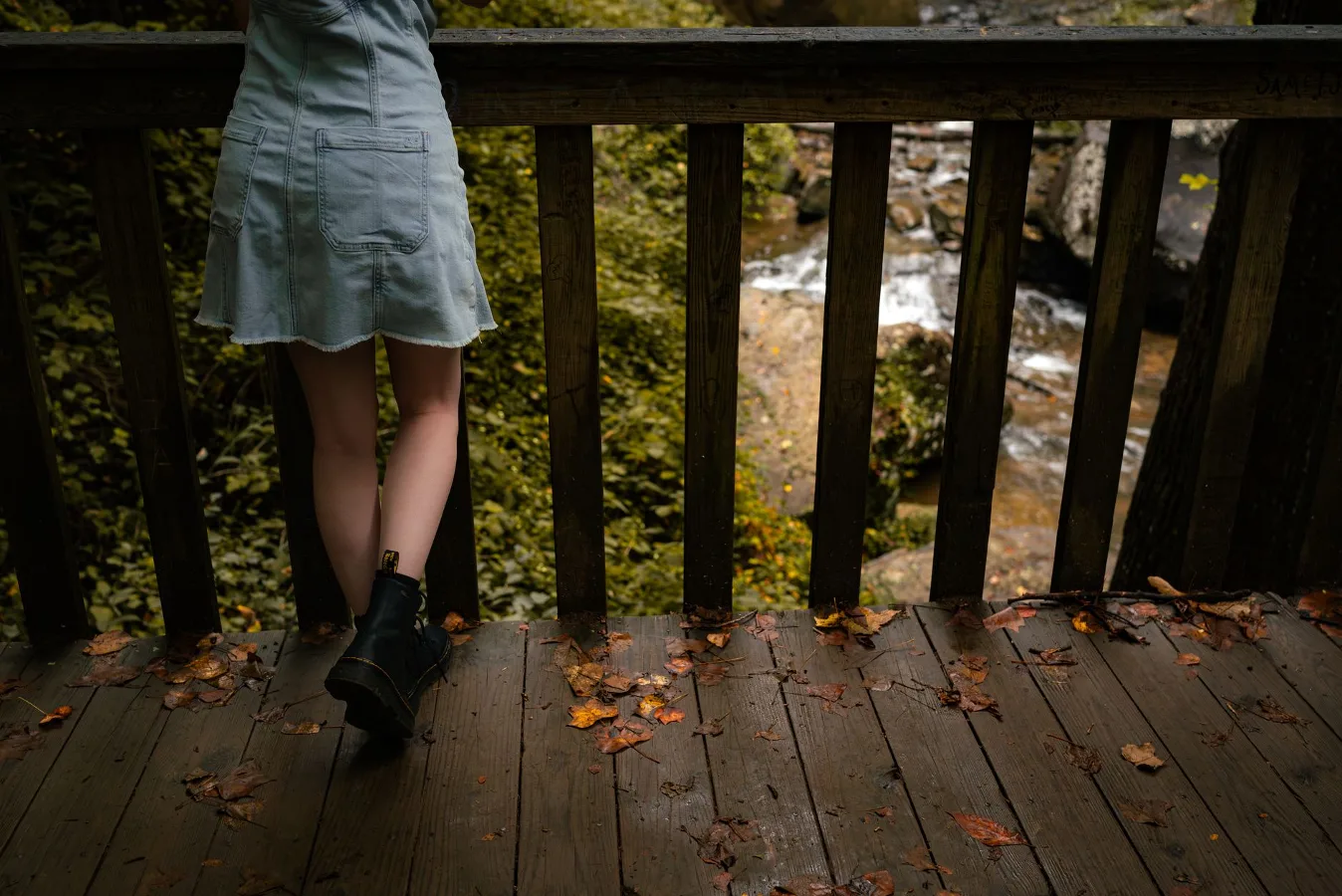
The best women hiking boots are the pair that fits your foot, matches the trail, and holds up to the kind of hiking you actually do. That usually means balancing three things: support, traction, and comfort over time. A boot can have an excellent reputation and still be wrong for your feet if the shape, stiffness, or weather protection does not suit your route. how to choose hiking boots for women offers more detail on this point. best ladies hiking boots offers more detail on this point.
If you are shopping for women’s hiking boots, the smartest approach is to start with terrain and fit before getting distracted by style details. A boot for easy, dry day hikes will not feel or perform the same as one built for muddy switchbacks, rocky descents, or carrying a loaded pack. The best choice is rarely the heaviest or the most expensive. It is the one that solves the conditions you face most often.
What matters most in a women’s hiking boot
Most shoppers focus on waterproofing first, but that is only one piece of the puzzle. A boot that keeps water out can still feel unstable, run hot, or rub in the wrong places. A better buying process looks at the whole system: fit, sole design, upper material, ankle height, and how much protection you need from the trail itself.
Fit comes before features
Fit is the factor that usually decides whether a boot becomes a favorite or a regret. Women’s hiking boots are often shaped differently from men’s versions, but that does not guarantee a perfect match for every foot. Some hikers need a narrower heel, more room in the forefoot, or a lower-volume fit. Others need a wide size or a boot that works with custom insoles. Vibram Sole Hiking Boots: A Practical Guide offers more detail on this point.
A proper fit should leave enough space for your toes to move on downhill stretches without letting your heel lift excessively. Too little room can create pressure points and black toenails. Too much room can cause blisters and instability. The right fit feels secure, not squeezed.
Support should match your load and terrain
Ankle support is often misunderstood. A mid-height boot can feel more secure than a low shoe, but it does not guarantee ankle protection on its own. Stability comes from the combination of fit, lacing, midsole structure, and outsole grip. If you hike uneven terrain with a light pack, a flexible mid boot may be enough. If you carry more weight or prefer rougher trails, a stiffer boot can help reduce fatigue and improve control.
One common mistake is choosing a boot that feels “strong” in the store and assuming that firmness equals better hiking performance. Excess stiffness can make casual hikes feel clunky and tiring. Support should be enough to help you, not so much that it fights your stride.
Traction is not all the same
The outsole is where many boots separate on real trails. Deep lugs help in mud and loose dirt, while a more balanced tread can be more versatile on mixed terrain. Rock surfaces, wet roots, sand, and gravel each ask something different from the sole. No single outsole is perfect everywhere, which is why it helps to think about your most common trail conditions.
A lug pattern that works well on steep, soft terrain may feel less precise on smooth rock. Conversely, a boot designed for flatter paths can struggle when the trail gets slick or broken up. If your hiking varies a lot, a versatile tread pattern is often a better choice than a highly specialized one.
Materials, weather protection, and breathability
Upper materials strongly affect comfort, maintenance, and long-term value. Leather, synthetic textiles, and mixed constructions all have trade-offs. Leather often brings durability and structure, while synthetic materials are usually lighter and can dry faster. Some boots combine both to strike a middle ground.
Waterproof membranes are useful in wet climates, damp grass, slushy conditions, or shoulder-season hiking. The trade-off is breathability. Even a well-made waterproof boot can run warmer than a non-waterproof model. If your hikes are mostly in dry, hot weather, a breathable boot or hiking shoe may feel better for long outings.
There is also a practical misconception worth clearing up: waterproof does not mean dry forever. Water can still enter from the top in deep mud, streams, or heavy rain, and once moisture gets inside, drying time matters. If you hike in wet places often, quick-drying materials and good socks become part of the equation, not just the boot itself.
How to choose the right boot for your hiking style
The best women hiking boots for one person may be the wrong choice for another, even if both hikers like the same brand. Start with the type of hiking you do most often, then narrow the boot style from there.
For casual day hikes
If your hikes are short to moderate and the trails are well maintained, you may not need a heavy boot. A lightweight hiking boot can offer enough structure without the bulk of a backpacking model. This is often the sweet spot for hikers who want more protection than a trail shoe but do not want a rigid, high-cut boot.
Day hikers usually benefit from comfort, easy break-in, and moderate traction. Overbuilt boots can feel unnecessary here and may wear you out faster than a lighter option.
For rocky, uneven, or technical trails
When the terrain is rough, prioritize a secure fit, a protective toe area, and a sole that feels stable underfoot. Rock plates or firmer midsoles can help reduce underfoot fatigue, though they may make the boot feel less flexible. If you often step on loose stone or sharp edges, this protective structure becomes more valuable.
Here, the overlooked detail is torsional stability. A boot that twists too easily can feel flimsy on off-camber ground. Stability underfoot often matters as much as cushion.
For wet, muddy, or shoulder-season hiking
If your trails stay damp, waterproofing and mud-shedding traction move up the list. A boot with a gusseted tongue, water-resistant upper, and grippy outsole can be especially useful when conditions are changing throughout the day. Just remember that waterproof boots tend to be less airy, so sock choice matters more than usual.
For hikers in variable weather, a versatile boot can be the most practical option. You want something that handles morning dew, a stream crossing, and a cool afternoon without forcing constant compromise.
For backpacking or heavier loads
Backpacking boots should offer more structure, especially if you are carrying food, shelter, and other gear over long distances. In this case, midsole support and heel security become especially important. A boot that feels comfortable on a short try-on can still fatigue your feet once weight is added.
Heavier-duty boots are not automatically better, though. If the load is moderate and the terrain is not too demanding, a lighter boot can save energy and feel more natural over long miles.
Practical solutions for common fit problems
Many boot problems can be traced back to sizing and lacing rather than the boot design itself. That is good news, because it gives you some room to fine-tune the fit before giving up on a pair.
- Heel slip: Try a more secure lacing pattern or a different heel shape. If the issue remains, the boot may simply be too large or too shallow for your foot.
- Toe pressure: Check for enough length and forefoot room, especially if you try boots late in the day when feet are slightly swollen.
- Hot spots: Sometimes a thinner or thicker hiking sock helps, but persistent rubbing usually means the boot shape is wrong.
- Arch discomfort: Insoles can help, though they are not a cure for poor base fit.
- Feet feeling unstable: Look at the midsole firmness and lacing lock points, not just the collar height.
Try boots with the socks you actually hike in. That small detail is often overlooked, yet it changes volume, cushioning, and heel hold in a meaningful way.
Trade-offs worth thinking about before you buy
Every hiking boot choice involves compromise. Recognizing the trade-offs ahead of time helps you avoid buying for the wrong priority.
| Choice | Upside | Trade-off |
|---|---|---|
| Lightweight boot | Less fatigue, easier walking, often more breathable | Usually less structure and protection |
| Waterproof boot | Useful in wet conditions and muddy terrain | Can feel warmer and dry more slowly inside |
| Stiffer boot | More support and control on uneven terrain | Can feel less flexible on easy trails |
| Leather upper | Often durable and supportive | May require more break-in and care |
| Synthetic upper | Typically lighter and quicker to dry | May show wear sooner in demanding use |
The main decision is not which trade-off sounds best on paper, but which one fits your normal hiking conditions. Many shoppers buy for the occasional difficult trail and end up with a boot that is inconvenient for the 90 percent of hikes they do most often.
Common mistakes when shopping for women’s hiking boots
One of the biggest mistakes is treating hiking boots like casual shoes and assuming they will “settle” into comfort no matter what. Some break-in is normal, especially with structured materials, but pain in the wrong spots is a warning sign, not a rite of passage.
Another common issue is choosing based only on waterproofing. That can lead to boots that are too warm for your climate or too rigid for your style of hiking. A different mistake is sizing up too much to make room for socks. Extra space can solve one problem and create another by allowing the foot to slide.
It is also easy to ignore how a boot feels on descents. Uphill comfort is only part of the picture. If your toes hit the front going downhill, the fit is not right, even if the boot feels fine standing still in the store.
How to narrow your final choice
If you are comparing several pairs, use your own hiking routine as the filter. Ask yourself a few simple questions: Do I need waterproofing most of the year, or only occasionally? Do I hike on smooth paths, rocky trails, or muddy ground? Do I want a lighter boot for comfort, or a more structured one for stability?
Then think about the details that are easiest to overlook: toe room on descents, heel hold, sock compatibility, and whether the boot flexes naturally where your foot bends. Those small factors often matter more than a long feature list.
If you are between two options, the better boot is often the one that fits your foot shape more cleanly, even if the other model has a more impressive spec sheet. Comfort and consistency usually win over hype.
When a hiking boot may not be the best answer
Not every hiker needs a boot. If your trails are dry, your pack is light, and you prefer a more natural stride, a hiking shoe or trail shoe may be a better fit. If you are doing very technical trekking or carrying a heavy load, you may need a more supportive boot than the average day-hiking model.
That is why the best women hiking boots are best only in context. The right footwear depends on the trail, the climate, and your foot shape. Once those three line up, the boot becomes an asset rather than something you have to manage all day.