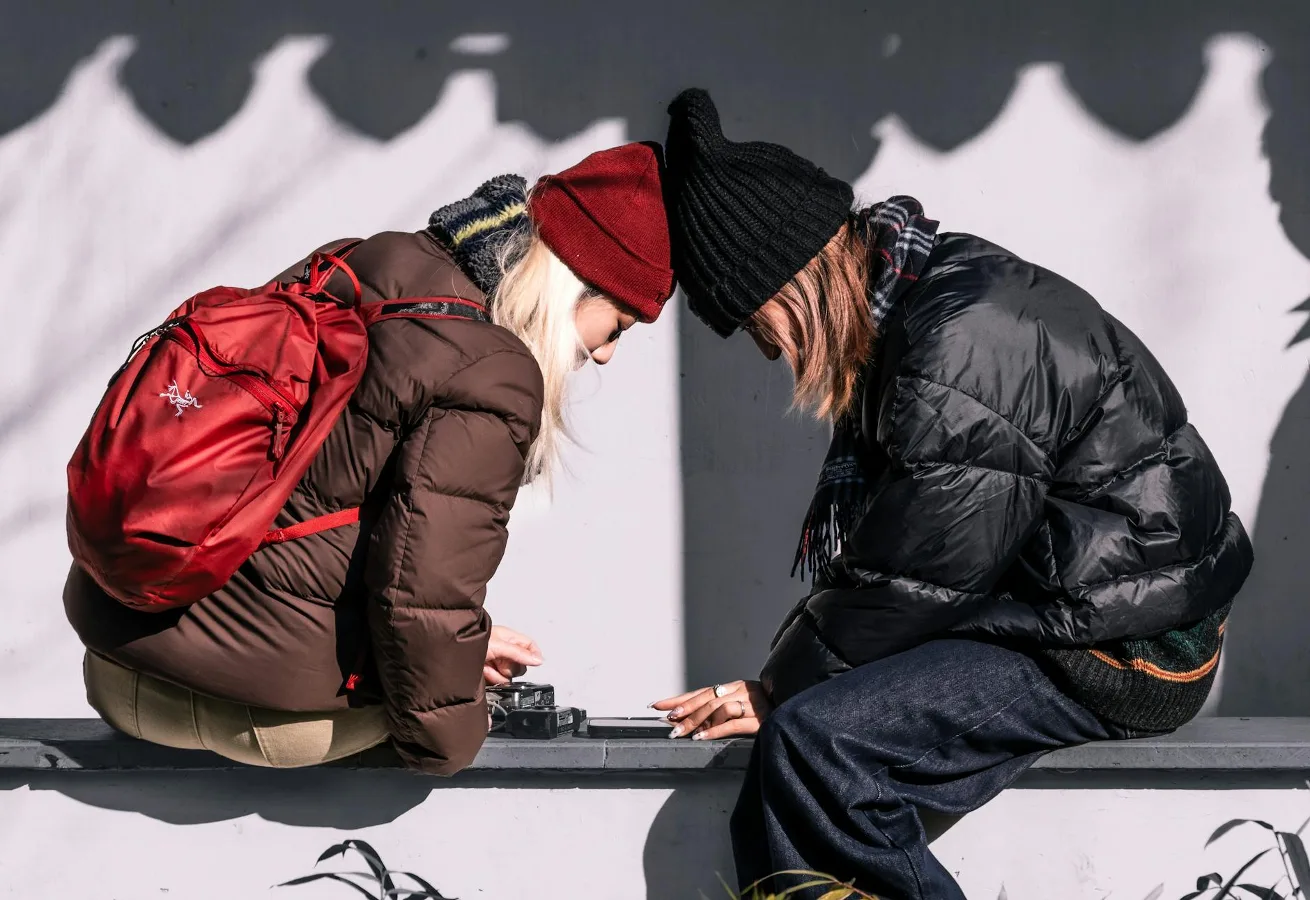
An urban outdoor jacket
If you are shopping for one jacket to cover mixed conditions, the smartest approach is to narrow the field by weather protection, comfort, fit, and style. Those are the factors that usually determine whether a jacket becomes an everyday staple or ends up worn only occasionally.
When an urban outdoor jacket makes sense
This category matters most when your routine includes both indoor and outdoor transitions. Think walking to transit, parking lots, bike commuting, weekend errands, or trips where the weather can change without warning. A good urban outdoor jacket should move easily between those settings without looking too specialized. liv outdoor jacket offers more detail on this point.
That usually means a jacket with some combination of the following:
- protection from light rain or wind
- enough breathability for active use
- a clean silhouette that works with casual clothing
- pockets that are practical in daily life
- layering room for cooler mornings and evenings
People often assume this category is only about style, but function matters just as much. A jacket can look great and still fail if it traps heat on the subway, feels stiff when you reach for your bag, or leaves you underdressed in a sudden downpour.
Step-by-step criteria for choosing the right one
1. Start with your weather reality
The first question is not what looks best, but what conditions you actually face. A jacket for a dry, windy city is different from one for a rainy coastal climate or a place with long shoulder seasons.
If you mostly deal with drizzle and wind, a water-resistant or wind-resistant jacket may be enough. If you regularly walk long distances in rain, look for stronger weather protection and details that help keep water out, such as a protective hood, sealed closures, and a shape that covers the torso well.
A common mistake is buying more weather protection than you need. A highly technical jacket can be excellent in heavy weather, but if it feels too warm, too stiff, or too sporty for daily wear, it may not get used often.
2. Decide how much breathability you need
Urban outerwear is often worn during stop-and-go activity: walking, waiting, commuting, going indoors, then back outside again. That makes breathability a real comfort issue. Jackets that block wind very well can also trap heat, which is fine in colder weather but frustrating during mild, active days. best jackets for commuting in wet weather offers more detail on this point.
If your routine includes brisk walking or bike commuting, prioritize a jacket that can vent excess warmth or at least feel comfortable over a wider temperature range. If you mainly need a shell for short trips between buildings and transit, you may care more about protection than airflow.
This is one of the most overlooked trade-offs in the category: the jacket that keeps you driest may not be the one you enjoy wearing most often.
3. Pay attention to fit and layering room
Fit affects both appearance and function. An urban outdoor jacket should generally allow a sweater or light midlayer underneath without feeling tight through the shoulders or upper arms. At the same time, it should not look oversized unless that is part of the style you want.
When evaluating fit, check:
- shoulder mobility
- sleeve length when reaching forward
- room across the chest
- hem coverage when seated
- how the jacket sits over a hoodie, knit, or light fleece
Many buyers focus on chest size alone and ignore movement. That leads to jackets that feel acceptable while standing still but restrictive when driving, riding a bike, or carrying a backpack.
4. Choose materials for real-world use, not just labels
Materials shape comfort, durability, and care requirements. In this category, you will often see woven synthetics, soft shells, lightweight insulated fabrics, cotton-blend styles, and rain-ready shell materials. Each brings a different balance.
Shell-style jackets usually offer the cleanest weather protection and are easy to layer. Soft shells often feel more comfortable and flexible, but they may not block rain as effectively. Insulated jackets help in colder weather but can be too warm for transitional seasons. Cotton-rich styles can look great in the city, yet they generally need more caution in wet weather. how to layer for changing temperatures offers more detail on this point.
The right material depends on whether you value weather defense, comfort, or visual versatility most. There is no single best option for everyone.
5. Look at closure, hood, and pocket details
Small design details often determine whether a jacket feels genuinely useful. A hood can be essential in sudden rain, but only if it fits securely and does not block your view. Zippers should feel easy to use with cold hands. Pockets should be placed where they remain comfortable when you are sitting, walking, or wearing a bag.
For urban use, thoughtful pocket placement matters more than many buyers expect. A jacket may technically have multiple pockets, but if they are too low, too shallow, or awkward with a crossbody bag, they will not add much value.
Also consider whether the jacket closes high enough at the neck for wind protection. In city environments, short bursts of wind can be surprisingly uncomfortable even when temperatures are moderate.
What to prioritize by use case
For commuting
Commuters usually benefit from a jacket that balances weather resistance with comfort during indoor transitions. Lightweight layering, a packable feel, and easy pocket access are useful here. If you carry a backpack or tote, check that the shoulders and underarms stay comfortable under pressure.
A commuter jacket should also avoid being so delicate that daily use becomes stressful. If you wear it several times a week, minor durability and care differences start to matter quickly.
For walking and city exploring
If your main use is long walks, sightseeing, or errands, comfort and mobility move to the top of the list. A jacket that feels good while moving is usually better than one that looks ideal on a hanger. Breathability, hem coverage, and lightweight construction are especially useful for this purpose.
Many city walkers prefer jackets that can handle an unexpected breeze or drizzle without looking overly technical. That is where hybrid styles often make sense.
For travel
Travel jackets need to be adaptable. Airport air conditioning, long walks, and unpredictable weather make versatility more important than any single feature. A jacket that packs reasonably well, resists wrinkles, and works with several outfits can be more valuable than a highly specialized design.
For travel, avoid overfocusing on one condition. A jacket that is excellent in rain but too warm for transit days may not earn enough wear to justify it.
Style considerations that actually matter
Style is not superficial in this category, because a jacket that does not fit your daily wardrobe will stay in the closet. The most useful urban outdoor jackets usually have a restrained design, neutral color options, and a shape that works over casual layers.
Ask whether you want the jacket to read as technical, minimal, or casual. Technical styles can be more capable in harsh weather. Minimal styles often blend more easily with office-casual or streetwear outfits. Casual styles may be the easiest to wear every day, but can sacrifice some weather performance.
A practical nuance here: the more a jacket looks like traditional outdoor gear, the easier it may be to trust in bad weather. The more it looks like a fashion piece, the easier it may be to wear often. The best urban outdoor jacket sits in the middle for many buyers.
Limitations to keep in mind
No urban outdoor jacket does everything well. A lighter city-friendly jacket may not be enough for prolonged rain or cold. A heavily weatherproof design may feel too warm indoors. A stylish jacket may need more care than a pure performance shell.
This is why it helps to define your dominant use case before buying. If you need one jacket for everything, aim for versatility. If you know you will mostly wear it in a specific season or condition, narrow your priorities accordingly.
Another common misconception is that more features always means better value. In practice, extra pockets, vents, insulation, or rugged hardware only help if they match how you actually use the jacket.
Simple checklist before you buy
- Will it work in the weather you face most often?
- Can you wear it comfortably over your usual layers?
- Does the fit allow movement in the shoulders and arms?
- Is the material appropriate for your mix of rain, wind, and temperature?
- Does the style fit your daily wardrobe?
- Are the hood, pockets, and closure practical for commuting or walking?
- Will the care requirements fit your routine?
- Would you still wear it if the forecast changed?
If you answer yes to most of those, you are probably looking at a jacket with real staying power. If several answers are uncertain, it may be better to keep looking or choose a more specific style.
Examples of common jacket directions
You do not need to lock into one perfect label, but these broad directions help narrow the search:
- Light shell: best for wind, drizzle, and layering
- Rain jacket: best when wet weather is the main concern
- Soft shell: good for comfort, mobility, and mild conditions
- Insulated city jacket: better for cooler temperatures and everyday warmth
- Hybrid jacket: a balanced option for mixed urban use
Each has trade-offs. A light shell may not add much warmth. An insulated jacket may feel too seasonal. A soft shell may be comfortable but less protective in steady rain. Understanding those trade-offs is usually more useful than chasing a single feature list.
Common mistakes buyers make
- Choosing style first and discovering the jacket is uncomfortable in motion
- Buying a weatherproof jacket that is too warm for daily city wear
- Ignoring layer room and ending up with a tight fit
- Overlooking hood quality and pocket placement
- Selecting a jacket that is hard to care for and therefore worn less often
- Assuming one jacket can handle every season equally well
These mistakes are easy to avoid if you focus on how the jacket will be used day to day rather than how it appears in a product photo.
How to narrow the choice fast
If you want a practical shortcut, start with your most frequent scenario. Ask yourself whether you need more help with rain, wind, warmth, or versatility. Then rank style, breathability, and durability based on how often you will wear the jacket.
For many city buyers, the best urban outdoor jacket is not the most technical option. It is the one that feels easy to wear, handles the weather you actually see, and fits naturally into your routine.
That balance is what makes the category useful. A well-chosen jacket can move from commute to coffee shop to weekend walk without feeling like you had to compromise too much in any one direction.