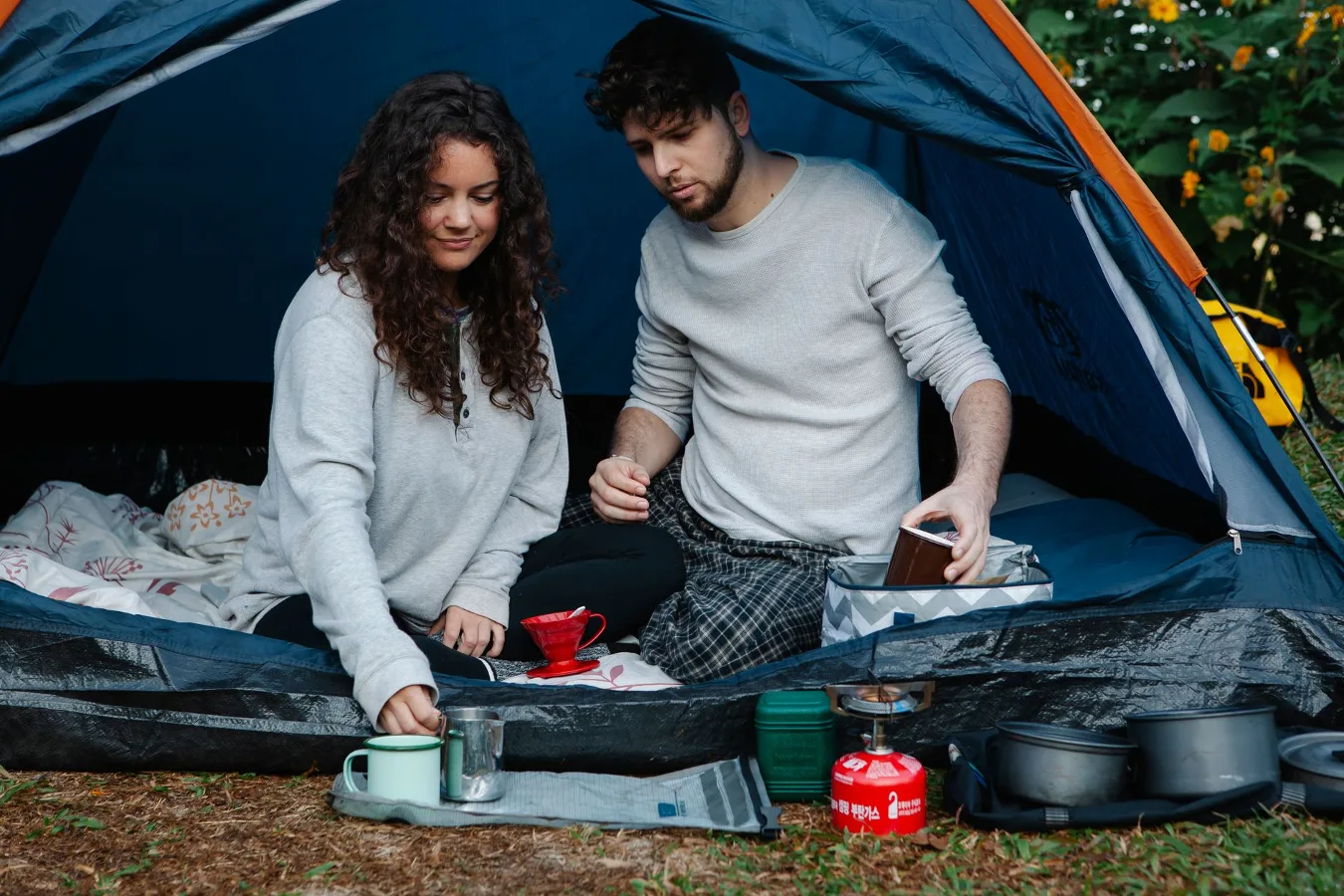
A 3-person camping tent is usually the right size for two campers who want room for sleeping bags, extra gear, and easier movement inside the shelter. It can also work well for a solo camper who values comfort over minimal pack size. The catch is that “3-person” refers to capacity, not necessarily comfortable living space, so the right choice depends on how and where you camp. car camping gear that improves comfort offers more detail on this point.
If you are comparing camping tent 3 person options, start with the basics that affect real use: interior space, weather protection, weight, ventilation, setup style, and storage features. Those details matter more than the label on the stuff sack.
Quick answer: what to look for in a 3-person camping tent
The best 3-person tent is the one that matches your trip style. For backpacking, prioritize lower packed weight, compact size, and a simple pitch. For car camping, focus more on livability, headroom, vestibules, pockets, and easier entry and exit. how to compare tent weight and packed size offers more detail on this point.
A useful rule of thumb is to think about the tent’s actual floor dimensions and peak height, not just its capacity rating. Three adults often fit on paper, but many campers find that a 3-person tent is most comfortable for two people plus gear, or for one person who wants a roomy setup.
Capacity is only the starting point
The biggest misconception about tent sizing is that the person count automatically equals comfort. In practice, sleeping capacity is a rough measure. Sleeping pads, thick sleeping bags, air mattresses, and bundled clothing can all take up more room than expected.
That is why a 3-person model can feel ideal for:
- Two adults who want extra elbow room
- A solo camper with luggage or photography gear
- Two campers sharing the tent with a dog
- Short trips where comfort matters more than minimal weight
It may feel cramped for:
- Three adults with standard sleeping pads
- Campers who need to store backpacks inside
- Trips in wet weather when more indoor time is likely
In other words, the right choice is less about the number in the product name and more about how much usable space you actually need.
Comparison factors that matter most
For a 3-person camping tent, the most relevant decision factors are space, weather protection, ventilation, weight, setup, and durability. Each one changes how the tent performs in real camping conditions. how tent ventilation affects condensation offers more detail on this point.
| Factor | Why it matters | What to look for |
|---|---|---|
| Interior space | Determines how comfortable the tent feels at night and during bad weather | Floor dimensions, peak height, and wall shape |
| Weather protection | Helps keep the shelter usable in rain, wind, and cool conditions | Rainfly coverage, bathtub floor, strong seams, and secure guylines |
| Ventilation | Reduces condensation and improves sleep comfort | Mesh panels, adjustable vents, and airflow through doors or fly vents |
| Weight and packed size | Important for carrying the tent to camp | Reasonable packed weight for your travel style and a bag that fits your pack |
| Setup simplicity | Saves time and frustration after a long drive or hike | Clear pole design, color coding, and intuitive clips or sleeves |
| Durability | Affects long-term value and resistance to wear | Strong fabric, solid zippers, reinforced stress points, and dependable poles |
Space and livability
Floor area is only part of the story. Wall shape can make a tent feel much larger or smaller than the same footprint suggests. Steeper walls often improve shoulder room, while a higher peak height makes changing clothes and sitting up much easier.
Vestibules are another overlooked detail. They create sheltered storage for muddy shoes, packs, and wet layers, which helps preserve sleeping space inside the tent. If you camp in damp weather or carry bulky gear, vestibule space can matter as much as the main floor.
Weather protection
For most campers, the tent’s rainfly and floor design are the real weather story. A full-coverage rainfly generally offers better protection than a minimal one, especially in wind-driven rain. A bathtub-style floor helps reduce splash and ground moisture intrusion.
If you camp in shoulder seasons or unpredictable mountain weather, look for a shelter designed to handle more than fair conditions. If your trips are mostly warm-weather car camping, you may be able to prioritize airflow over maximum coverage.
Ventilation and condensation
Condensation is easy to underestimate. Even a well-built tent can collect moisture inside when warm, humid air meets cooler fabric. Good ventilation does not eliminate condensation completely, but it helps reduce buildup and improve comfort.
Mesh-heavy designs usually breathe well in warm weather, while adjustable vents can help you manage cooler nights. The trade-off is that tents with more mesh may feel draftier in cold or windy conditions, so the best option depends on the climate you camp in most often.
Weight and portability
A 3-person tent intended for backpacking should feel meaningfully different from a car-camping shelter. If you need to carry the tent for long distances, weight and packed size become major decision points. If the tent will mostly live in the trunk until you reach the site, comfort and roominess often deserve more attention.
One common mistake is choosing a tent that looks practical online but is awkward to pack once you add stakes, poles, guylines, and a footprint. Always consider the complete carry system, not just the shelter body.
Setup and daily convenience
Easy setup matters more than many buyers expect. A complicated pole structure can be frustrating after sunset or in bad weather. Freestanding tents are often simpler to position and adjust, while non-freestanding designs may save weight but require more skill and better site selection.
Look for clear pole colors, intuitive clips, and a design that can be pitched quickly if you camp often or arrive late at camp.
How to match the tent to your camping style
The best 3-person camping tent depends on the way you use it. A tent that is perfect for one type of trip can be awkward for another.
For backpacking
Choose a tent that balances low weight with enough room for a realistic sleep setup. Backcountry campers often care about compact packed size, efficient pole design, and solid ventilation. Interior livability still matters, but not at the expense of carrying comfort.
For car camping
Car campers can usually afford a larger, taller, and more feature-rich tent. In this use case, headroom, pockets, gear lofts, and broad vestibules often deliver more day-to-day value than shaving off a few ounces.
For mixed-use camping
If you want one tent for different trip styles, the trade-off is obvious: you may not get the lightest backpacking shelter or the roomiest car-camping model. The best compromise is usually a well-ventilated, reasonably portable tent with dependable weather protection and a layout that does not feel cramped.
Comparison: what to weigh before buying
Think through these trade-offs before choosing a tent:
- More room vs. less weight: extra space improves comfort, but usually adds bulk.
- Better weather protection vs. more airflow: heavier coverage helps in storms, while open mesh improves breathability.
- Freestanding vs. lighter non-freestanding designs: simpler setup often comes with some weight penalty.
- Single large door vs. multiple doors: multiple doors can improve convenience, especially for two campers sharing the tent.
- Budget vs. long-term value: a cheaper tent may work fine for occasional trips, but a more durable design can be better value if you camp regularly.
There is no universal best choice. The right balance depends on whether your priority is sleeping comfort, packability, storm readiness, or all-around versatility.
Mistakes to avoid when buying a 3-person tent
Several buying mistakes show up again and again with camping tents. Avoiding them can save you from a shelter that looks good in the listing but feels frustrating at camp.
- Buying by capacity alone: a 3-person label does not guarantee comfortable space for three adults.
- Ignoring peak height: a low tent can feel restrictive even if the floor area is adequate.
- Overlooking vestibule space: without it, wet gear can crowd the sleeping area.
- Choosing the wrong ventilation profile: too much mesh can feel cold in some conditions, while too little airflow can trap moisture.
- Forgetting about setup conditions: some tents need more space or better ground conditions than others.
- Assuming all-season suitability: most tents are built for specific weather ranges, not every possible trip.
A practical nuance many shoppers miss is that tent comfort changes with the gear you bring. Thick sleeping pads, large pillows, and bulky clothing layers all reduce usable room. If your sleep system is substantial, sizing up can make more sense than choosing the exact capacity on the box.
Materials and construction details worth checking
Materials tell you a lot about a tent’s likely strengths and weaknesses. While product pages can be vague, the following details are worth reviewing carefully:
- Poles: affect stability, ease of setup, and portability
- Fabric weight and weave: influence durability and handling
- Zippers: should feel smooth and substantial, since they are a frequent wear point
- Seams and reinforcement points: matter where stress and weather exposure are highest
- Floor design: helps determine resistance to ground moisture and abrasion
For most buyers, the goal is not finding the heaviest-duty tent available. It is finding a shelter whose materials match the kind of camping you actually do.
When a 3-person tent may not be the best fit
There are times when a 3-person camping tent is not the smartest purchase. If you usually camp solo and value a very small pack, a lighter 1- or 2-person tent may be more efficient. If you routinely camp with three adults and a lot of gear, you may be happier moving up in size.
You may also want a different shelter if you need:
- More standing room for extended car camping
- Extra vestibules for gear-heavy trips
- Greater storm stability for exposed environments
- A tent that favors fast packability over comfort
The right shelter is the one that solves the conditions you actually face, not the one that looks most versatile on paper.
Useful alternatives to consider
If you are close to choosing a 3-person tent but still unsure, a few alternatives can help narrow the decision.
- 2-person tent: a better pick for ultralight hikers or solo campers who want a simpler setup
- 4-person tent: useful when you want extra space, longer stays, or more gear storage
- Backpacking tarp or shelter system: worth considering for experienced minimalist campers
- Roof-top or cabin-style car-camping shelter: better for people who prioritize space and convenience over portability
These alternatives are not automatically better. They simply solve different problems. Comparing them against your usual camping style often leads to a more confident choice than focusing on capacity alone.
What a good 3-person tent should help you do
A strong 3-person camping tent should make your trip easier, not more complicated. It should give you enough sleeping room, protect you from weather that is realistic for your destination, and pack down in a way that fits your travel style. If it also sets up quickly and leaves room for wet gear, that is a sign the design is working with you rather than against you.
For most buyers, the best approach is to choose the tent that fits your main use case first, then check the secondary features that affect comfort. That usually leads to a better long-term match than chasing the most feature-packed model or the lightest one on the list.
If you are shopping for a camping tent 3 person, focus less on the headline capacity and more on how the tent behaves once you put pads, packs, and weather into the picture. That is where the real difference shows up.