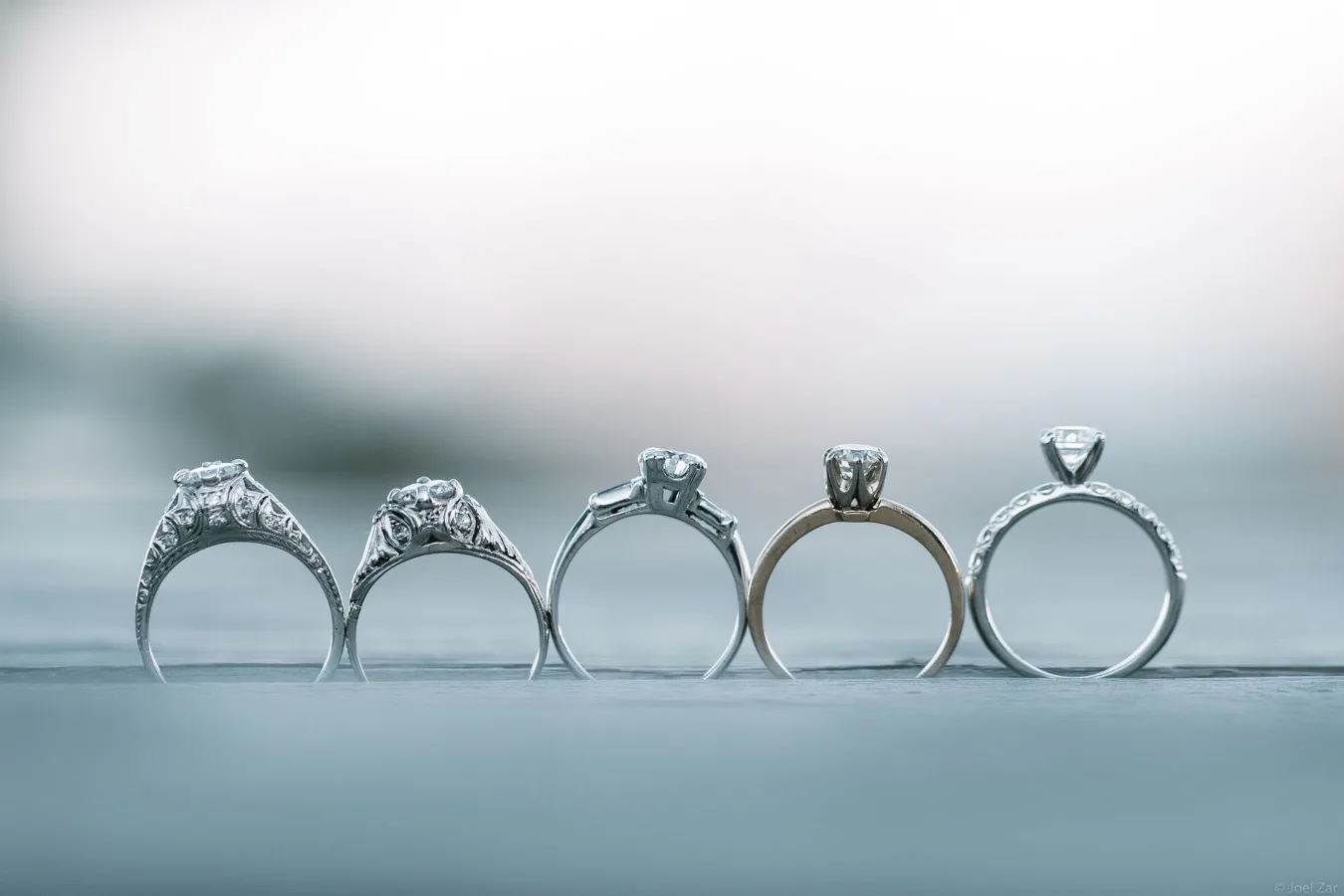
Art Deco engagement rings are a strong choice if you want a ring with structure, symmetry, and visual personality. The style is usually defined by geometric lines, crisp detailing, and a vintage feel that stands apart from softer, more romantic ring designs.
If you are shopping for one, the most useful question is not just “What does Art Deco look like?” but “Which version of this style will suit daily wear, your center stone, and your budget?” That is where many buyers narrow their search too quickly. A ring can look authentically Art Deco without being antique, and a vintage-inspired ring can be easier to size, insure, and maintain than a true period piece.
What defines an Art Deco engagement ring?
Art Deco jewelry draws from the design movement of the 1920s and 1930s. In engagement rings, that usually means symmetry, angular lines, stepped shapes, and decorative details such as milgrain, filigree, engraving, or geometric side settings. The look often feels architectural rather than delicate. Jewelry guide offers more detail on this point.
Common visual features include:
- Rectangular, square, or elongated center stones
- Step-cut diamonds such as emerald cut or Asscher cut
- Strong symmetry in the setting
- Channel-set or baguette side stones
- Milgrain edges and fine metalwork
- Black enamel or contrast accents in some designs
A common misconception is that every Art Deco ring must be an antique. Many modern rings are inspired by the period and borrow its design language while using updated construction, sizing, and stone-setting methods. For many buyers, that is the more practical route.
The key factors that matter most
1. The center stone shape
Art Deco settings often pair best with shapes that echo the style’s linear character. Emerald cuts, Asscher cuts, radiant cuts, oval cuts with geometric halos, and even round stones in angular settings can all work well. The right shape depends on how formal, streamlined, or dramatic you want the ring to feel.
Step-cut stones are especially associated with the era because their broad flashes and clean outlines reinforce the style. They do not hide inclusions as readily as some brilliant cuts, so clarity and overall stone appearance become more important than sparkle alone.
2. The setting design
The setting carries much of the Art Deco identity. A ring may feature a halo, split shank, side baguettes, open gallery work, or engraved shoulders. The challenge is balancing ornament with wearability. Intricate settings can be beautiful, but they may also be harder to clean and more likely to catch on fabric if the profile is high or the details are sharp.
If you wear rings every day, pay attention to how much the design protrudes from the finger. A lower-profile setting is often more comfortable and practical, especially for an active lifestyle or hands-on work.
3. Metal choice
Platinum and white gold are the most common choices for Art Deco engagement rings because they support the cool-toned look often associated with the style. Platinum is dense and durable, while white gold is popular for its appearance and lower entry cost. Yellow gold can also work, especially when paired with black accents or a more period-specific aesthetic. gold and rose gold engagement rings offers more detail on this point.
Your metal choice affects not only color but also maintenance. White gold usually needs periodic rhodium replating to keep its bright finish. Platinum develops a patina over time, which some buyers like and others prefer to polish away. That difference is worth considering before you commit.
4. Decorative detail versus everyday practicality
Art Deco rings often look best when the details are crisp, but more detail can also mean more care. Milgrain can soften with wear. Filigree can collect residue. Tiny accent stones may require occasional inspection. None of that makes the style a poor choice, but it does mean you should match the design to your maintenance habits.
If you want the look without the upkeep, consider a ring that uses the geometry of Art Deco design more than the most delicate surface ornament. Clean lines, a stepped halo, and well-proportioned side stones can deliver the aesthetic with fewer fragile elements.
How to evaluate quality without overcomplicating the purchase
For commercial shopping, the best buying decisions usually come down to craftsmanship and fit, not just visual appeal. A ring may look striking online but feel awkward on the hand or seem impractical once worn daily.
Look closely at these details:
- Prong security: Tiny or decorative prongs should still hold the stone securely.
- Symmetry: Art Deco styling depends on balanced lines, so uneven spacing is more noticeable.
- Band comfort: A ring should feel smooth on the inside and not dig into the finger.
- Band pairing: Some ornate settings sit awkwardly next to a straight wedding band.
- Stone protection: Corner stones and exposed edges need thoughtful protection.
An overlooked consideration is how the ring will look from the side, not just from above. Many buyers focus on the top view because that is what photographs best. But the side profile often determines comfort, clearance, and whether the ring feels refined or bulky.
Which buyers are best suited to this style?
Art Deco engagement rings suit people who want design presence. They tend to appeal to buyers who like vintage references, structure, and details with a bit of edge. The style can feel elegant, distinctive, and slightly formal without becoming ornate in a romantic or floral way.
This style is often a good fit if you prefer:
- Cleaner geometry over soft curves
- A ring that looks different from many modern solitaire styles
- Historical character without needing a true antique
- Stone shapes with a sleek or architectural look
- A ring with enough detail to feel special from every angle
It may be less suitable if you want an extremely minimalist ring, if you dislike visual detail, or if you need something very low-maintenance with almost no exposed edges or decorative elements.
Buying new, antique, or vintage-inspired: the trade-offs
Art Deco engagement rings are available in three broad routes, and each has advantages.
Antique rings
A true antique ring carries period authenticity and often unique craftsmanship. The downside is that older rings may have wear, past repairs, or setting limitations. Sizing can be more difficult, and delicate original components may not be ideal for a heavily worn daily ring.
Vintage rings
Vintage rings are generally older but not necessarily from the Art Deco period. They can still offer a distinctive look, though the style may be a mix of influences. These pieces can be appealing if you want character and are comfortable evaluating condition carefully.
Modern Art Deco-inspired rings
Modern designs are often the most practical choice. They can offer easier sizing, more predictable construction, and the option to choose a center stone that suits your preferences. For many shoppers, this is the best balance of style and usability.
A useful decision rule: if authenticity matters most, look at period pieces; if daily practicality matters most, look at modern interpretations; if you want the most distinctive story, a carefully chosen antique may be worth the extra caution.
How to choose a center stone for the style
The center stone should work with the setting, not fight it. That matters more in Art Deco designs than in some other ring styles because the overall composition is so visually organized.
Here is a practical way to think about common choices:
- Emerald cut: Clean, elegant, and highly aligned with the style.
- Asscher cut: Strong vintage character and square symmetry.
- Oval: Softer than the classic period look, but attractive in geometric halos.
- Round: Versatile, especially when the setting adds angular structure.
- Radiant cut: Combines sparkle with a more geometric outline.
Do not assume that a larger stone automatically looks more Art Deco. Proportion matters more than size. A center stone that is too dominant can overwhelm the setting details and make the design feel less cohesive.
Common mistakes buyers make
One frequent mistake is choosing a ring based on a single front-facing image. Art Deco rings are highly detail-driven, and the side profile, band thickness, and symmetry can change the look dramatically.
Other common issues include:
- Ignoring how the ring will pair with a wedding band
- Overlooking maintenance for milgrain, filigree, or pavé accents
- Choosing a highly ornate ring without considering comfort
- Focusing only on period authenticity and forgetting everyday wear
- Buying a shape that clashes with the setting’s geometry
Another practical nuance: some designs look more “Art Deco” in photographs than in person because lighting emphasizes contrast and sparkle. In real life, the ring may appear subtler. If you want a bolder effect, look for stronger structural elements rather than relying on surface ornament alone.
How to keep the ring wearable long term
Detailed rings need a little more attention than plain solitaires. That does not make them fragile by default, but it does mean you should consider routine care from the start.
Useful habits include:
- Removing the ring for heavy manual work
- Checking stones periodically for looseness
- Cleaning gently so residue does not build up in detail work
- Storing it separately to reduce scratching
- Inspecting delicate edges if the ring is antique or estate jewelry
If you are drawn to vintage detailing but want fewer care concerns, ask whether the setting can be simplified slightly while preserving the overall style. Small design adjustments can improve durability without losing the character that makes the ring appealing.
Choosing between style and practicality
The best Art Deco engagement ring is the one that matches how you will actually wear it. A dramatic antique ring can be memorable, but a cleaner modern interpretation may make more sense if you want comfort, easier resizing, or fewer worries about delicate parts.
A simple way to narrow the field:
- Choose antique if period character and originality matter most.
- Choose vintage-inspired if you want the style with more flexibility.
- Choose a lower-profile design if comfort and daily wear are priorities.
- Choose step-cut stones if you want the classic architectural look.
- Choose a cleaner version of the style if you want less upkeep.
If you are comparing several rings, look beyond the headline style name. Two Art Deco rings can feel completely different based on stone shape, metal, profile height, and the amount of ornamental detail. That is where the most practical buying decision usually happens.
FAQ
Are Art Deco engagement rings still in style?
Yes. The style remains popular because it feels distinct, structured, and versatile enough to suit both antique and modern tastes.
What diamond shape looks most Art Deco?
Emerald cut and Asscher cut stones are often the closest visual match, but geometric halos and angled side stones can make other shapes fit the style well.
Are Art Deco rings good for everyday wear?
They can be, especially if the setting is well made and not overly delicate. A lower profile and secure stone setting usually improve comfort and durability.
Do Art Deco rings work with wedding bands?
Sometimes, but not always seamlessly. Ornate or unusually shaped settings may require a contoured band or a custom pairing.
Should I buy antique or modern Art Deco-inspired?
Choose antique if authenticity matters most. Choose modern if you want easier sizing, more predictable condition, and a ring that is simpler to maintain.