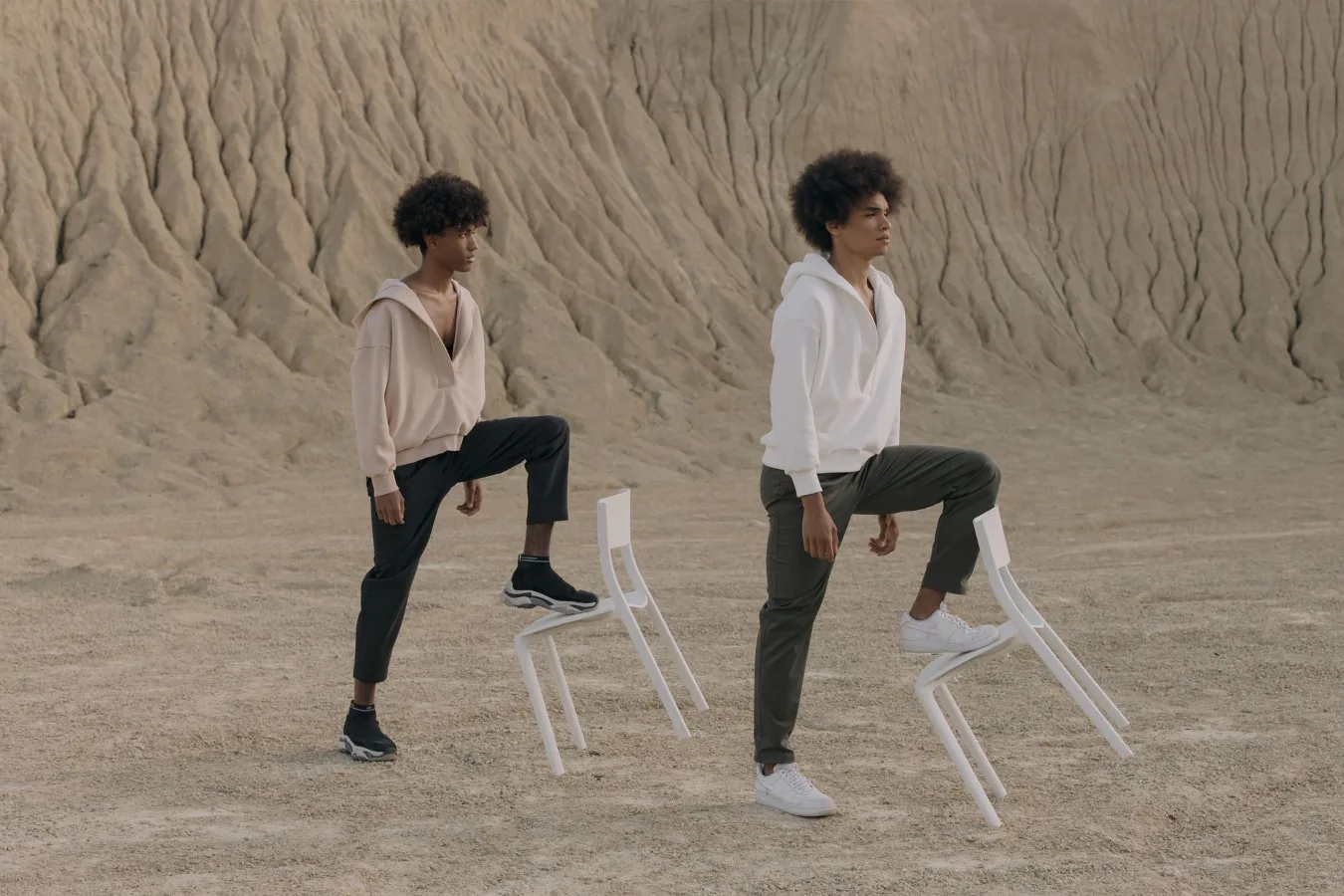
Why a cashmere hoodie stands apart
A cashmere hoodie sits in a useful middle ground: softer and more refined than a standard sweatshirt, but more relaxed than a traditional sweater. That makes it appealing for people who want something comfortable enough for weekends yet polished enough to wear outside the house without looking underdressed.
The phrase cashmere hoodie can describe very different garments, though. Some are minimalist pullovers with a clean silhouette. Others borrow the shape of a classic hoodie but use a finer knit, a lighter drape, or a blended yarn to improve durability. If you are shopping commercially, the real task is not just finding cashmere—it is deciding what kind of cashmere hoodie fits your life.
The best choice depends on how you plan to wear it, how much maintenance you are willing to accept, and whether you care more about softness, structure, warmth, or longevity. Those trade-offs matter more here than they do with many casual basics.
The key factors that matter most
1. Cashmere quality is only part of the story
Not all cashmere hoodies feel or wear the same. Fiber quality, yarn construction, knit density, and finishing all influence the final result. A very soft hoodie may feel luxurious at first touch, but softness alone does not guarantee better durability. In knitwear, a smoother handfeel can sometimes come from a looser construction that is more prone to stretching or pilling.
Look for how the garment is described rather than focusing on a single claim. Terms like fine-gauge knit, midweight knit, fully fashioned, or cashmere blend all signal something about structure and wear. A dense knit usually looks more elevated and holds shape better, while a looser knit can feel airier and more relaxed.
2. Fit changes the entire purpose
The silhouette matters as much as the fiber. A cashmere hoodie in a trim cut behaves like a sleek layering piece under a coat or jacket. An oversized version reads more casual and works well with denim, leggings, or relaxed tailoring. Neither is inherently better; the right choice depends on your wardrobe.
If you want one hoodie to do many jobs, aim for a fit that follows the body without clinging. Too boxy and it can look bulky under outerwear. Too slim and it may lose the ease that makes a hoodie practical in the first place. Sleeve length, shoulder placement, and hem shape all affect how refined the garment looks.
3. Weight affects warmth and versatility
A lighter cashmere hoodie layers more easily and can work across seasons, especially indoors or in mild weather. A heavier version feels cozier and more insulating, but it may be less versatile under coats and more likely to feel overly warm in transitional weather. Neither option is universally best.
For most shoppers, the sweet spot is a medium-weight knit that can handle cool days without becoming too delicate or too bulky. If you live in a colder climate, that same hoodie can become part of a layered system rather than a standalone outer layer.
4. Pure cashmere vs. blended yarns
Many shoppers assume pure cashmere is automatically the smarter purchase. In practice, cashmere blends can be a practical choice. Adding fibers such as wool, silk, or synthetics may improve shape retention, reduce cost, or make the garment more resilient for frequent wear. The trade-off is that you may lose some of the signature softness and luxury feel associated with higher cashmere content.
If your priority is the richest handfeel, pure cashmere is the natural target. If your priority is daily wear and easier upkeep, a well-made blend may be more realistic. The best choice depends on whether this hoodie will be reserved for occasional use or worked into a regular rotation.
What a good cashmere hoodie should do for your wardrobe
A well-chosen cashmere hoodie can replace several other pieces. It can stand in for a sweatshirt when you want to look more put together, and it can serve as a light sweater when a full blazer or structured knit feels too formal. That versatility is the main reason the category has such strong appeal.
It also gives you styling range. Paired with trousers and clean sneakers, it can look intentionally modern. Worn with denim and boots, it leans relaxed. Under a tailored coat, it becomes a smart cold-weather layer. Because of that flexibility, a cashmere hoodie tends to make sense for people who prefer fewer, better pieces rather than a closet full of trend-driven items.
Still, the garment is not a cure-all. It is usually less rugged than cotton fleece, less low-maintenance than a synthetic hoodie, and less structured than a tailored knit. If your daily routine is hard on clothes, those limitations deserve attention before you buy.
How to judge durability without overthinking it
Durability in cashmere is about behavior over time, not just first impressions. The main issues shoppers encounter are pilling, stretching, thinning at stress points, and general shape loss. A hoodie that starts out beautifully soft can become frustrating if the cuffs bag out or the body goes misshapen after a few wears.
To reduce that risk, look for straightforward construction details: reinforced ribbing, stable seams, and a knit that looks balanced rather than overly delicate. Heavier yarns and tighter stitches often wear better, though they may feel less airy. A blend can also improve resilience, but only if the overall quality is strong.
One overlooked consideration is how often you plan to wear it between cleanings. Cashmere benefits from rest. Rotating it with other sweaters helps the fibers recover and can reduce unnecessary wear. If you expect to wear the same hoodie several times a week, you will usually get better long-term value from a sturdier knit than from the softest option available.
Care requirements are part of the purchase decision
Cashmere is not difficult to live with, but it does require more care than a typical sweatshirt. That is a practical trade-off, not a flaw. If you prefer garments that can be tossed in the wash without much thought, a cashmere hoodie may not be the best match.
Most buyers should be prepared for gentle cleaning, careful drying, and mindful storage. Folding is usually better than hanging for long-term shape retention, especially if the knit is substantial. A sweater comb or fabric shaver can help manage pilling, though prevention is better than correction. Washing instructions vary by garment, so the care label should guide you more than assumptions about the fiber itself.
A common mistake is treating a cashmere hoodie like a basic sweatshirt because it looks casual. The fabric may be casual in appearance, but it behaves more like a delicate knit. If that disconnect will bother you, a cashmere blend or a merino-wool alternative may be more satisfying.
Styling a cashmere hoodie without making it look too casual
The easiest way to make a cashmere hoodie feel intentional is to anchor it with cleaner, more structured pieces. Straight-leg trousers, dark denim, a tailored coat, leather sneakers, loafers, or ankle boots can all sharpen the overall look. The hoodie then becomes a texture layer rather than the whole outfit’s defining feature.
For a refined casual outfit, keep the color palette controlled. Neutrals such as black, navy, gray, oatmeal, camel, and cream tend to look more elevated in cashmere than loud colors or heavy graphics. That said, color can be useful if the rest of the outfit is simple and you want the hoodie to act as the focal point.
If you want the piece to work in a more polished setting, avoid overly slouchy proportions and visible wear from heavy pilling. A clean neckline, tidy cuffs, and a well-shaped hood make the garment feel more considered. The goal is not to hide the hoodie’s casual identity, but to make it feel deliberate.
Cashmere hoodie vs. other options
| Option | What it offers | Best for | Main limitation |
|---|---|---|---|
| Cashmere hoodie | Softness, polish, relaxed versatility | Refined casual wear and layering | Requires more care |
| Cotton fleece hoodie | Easy maintenance and familiar comfort | Everyday casual use | Looks less elevated |
| Merino hoodie | Good temperature regulation and lighter layering | Travel and mixed-weather wear | Usually less plush than cashmere |
| Cashmere-blend hoodie | Potentially better durability and value | Frequent wear | May feel less luxurious |
This comparison is useful because many shoppers are not choosing between cashmere and nothing; they are choosing between cashmere, merino, cotton fleece, and blends. The right answer depends on whether you want the most luxurious feel, the easiest care, or the most practical balance. the difference between cashmere and merino offers more detail on this point.
Who should buy one—and who should skip it
A cashmere hoodie makes the most sense if you appreciate soft fabrics, want your casual clothes to look more refined, and are willing to treat knitwear with a bit more care. It is especially appealing for wardrobes built around neutrals, layering, and a restrained aesthetic.
You may want to skip it if you need a hard-wearing garment for frequent rough use, prefer simple machine-washable basics, or find yourself frustrated by pilling on delicate knits. In those cases, a high-quality cotton hoodie or a merino layer may be the more practical choice.
Another useful way to think about it: if you are buying the hoodie to elevate your everyday wardrobe, cashmere can make sense. If you are buying it to replace a gym sweatshirt, it may be the wrong category entirely.
Practical buying guidance
Start by deciding what role the hoodie will play. If it is primarily for lounging at home, comfort and softness may outweigh everything else. If it will be worn publicly, prioritize shape, weight, and how it layers under outerwear. If it needs to be a versatile everyday piece, balance all three.
Then look closely at the details that usually separate thoughtful knitwear from impulse purchases:
- Neckline shape: A hood that sits cleanly can make the whole piece look sharper.
- Ribbing: Firm cuffs and hem help preserve structure.
- Knit density: Tighter knits often hold their shape better.
- Blend composition: More cashmere is not always better for your use case.
- Color: Neutral shades usually offer the widest styling range.
- Care instructions: Match the garment to your actual routine, not your ideal routine.
A subtle but important nuance is that a premium price does not guarantee premium wear. A thoughtful midrange piece that matches your lifestyle can be more satisfying than a delicate, high-maintenance hoodie that rarely leaves the closet.
Common mistakes shoppers make
One common mistake is buying for softness alone. Initial touch matters, but structure, recovery, and care requirements matter just as much. Another is choosing an oversized fit without considering proportion. A relaxed hoodie can look elegant; an overly large one can simply look sloppy. Dog Hoodie Buying Guide: Fit, Warmth, Style offers more detail on this point.
Shoppers also sometimes overlook maintenance. If you do not want to fold, de-pill, and handle knitwear carefully, the garment may not get enough use to justify the purchase. Finally, some people expect a cashmere hoodie to behave like a sweatshirt and are disappointed when it does not. That expectation mismatch is often the real problem. when to choose a hoodie over a crewneck offers more detail on this point.
The simplest way to choose well
If you want a cashmere hoodie that earns its place in your wardrobe, focus on three questions: How will you wear it, how much upkeep will you accept, and what level of structure do you want? Those answers usually point you toward either pure cashmere, a blend, a lighter knit, or a more durable alternative.
A good cashmere hoodie should feel easy to wear but not disposable, relaxed but not shapeless, and luxurious without becoming impractical. If it meets those conditions, it can be one of the most useful pieces in a modern wardrobe. If it does not, a merino or cotton alternative may serve you better for less hassle.
The smartest purchase is not the softest one on the hanger. It is the one that fits your climate, your routine, and the way you actually dress.