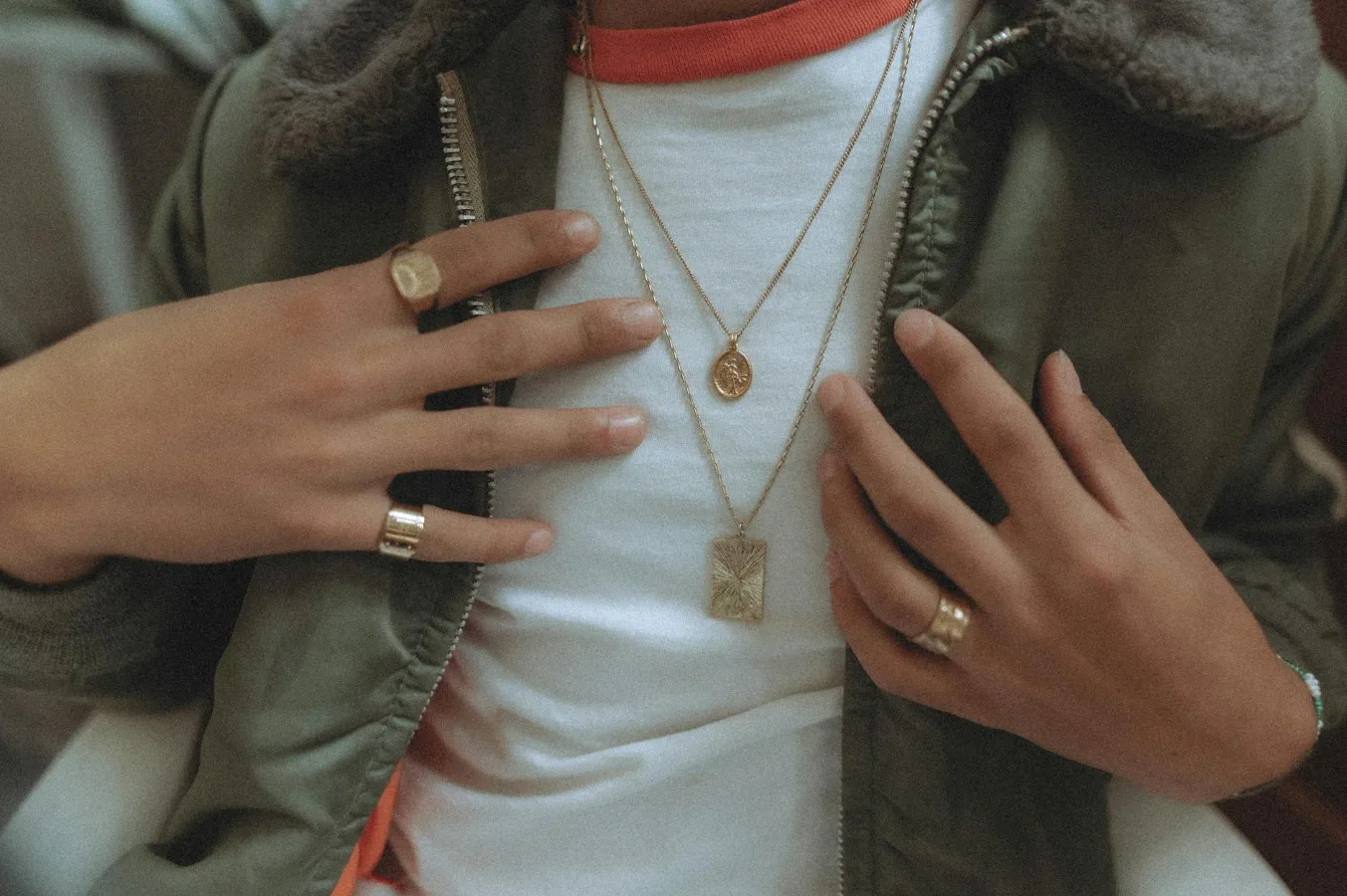
Choosing a gold cross pendant necklace starts with the basics
A cross pendant necklace in gold is one of those pieces people buy for more than one reason. For some, it carries faith-based meaning. For others, it is a clean, versatile necklace that works with daily outfits, special occasions, or layered styling. The right choice depends less on trend and more on a few practical details: the type of gold, the size of the pendant, the chain, and how you plan to wear it. gold pendant necklace styles offers more detail on this point. Gold Diamond Cross Necklace Buying Guide offers more detail on this point. Gold Plated Necklace Buying Guide offers more detail on this point.
If you are shopping for one now, the most useful approach is to narrow the decision by use case. A necklace for everyday wear should prioritize comfort and durability. A gift piece may call for a classic look that fits a wide range of styles. A more decorative design may trade simplicity for presence, while a smaller pendant may be easier to wear every day.
This guide focuses on the decisions that actually affect satisfaction after purchase, not just how the necklace looks in a product photo.
The first choice: solid gold, gold-filled, or gold-plated
The term “gold” can describe several very different constructions. That matters because appearance, durability, maintenance, and long-term value vary a lot from one type to another.
Solid gold
Solid gold pieces are made from a gold alloy rather than a thin surface layer. They are usually the most durable option for long-term wear and tend to hold up better to repeated use, cleaning, and friction from clothing or skin. For a cross pendant necklace, solid gold is often the most practical option if you want a piece you can wear often without worrying as much about fading or wear-through.
Gold-filled
Gold-filled jewelry uses a thicker gold layer bonded to a base metal. It is generally more durable than standard gold plating and can be a useful middle ground if you want a gold look with a lower upfront commitment than solid gold. For buyers who want a cross pendant with a more substantial feel but do not need heirloom-level metal content, gold-filled can be worth considering.
Gold-plated
Gold-plated necklaces have a thin gold layer over a base metal. They are usually the most budget-friendly option and can be appealing if you want to try the style first or wear it occasionally. The trade-off is that plating tends to be less forgiving with frequent wear, moisture, friction, and cosmetic products. If the necklace will be worn daily, plated options deserve extra scrutiny.
A common misconception is that all gold jewelry wears the same way. In practice, the construction matters as much as the color. A cross pendant in gold tone can look very similar across price points at first glance, but the maintenance expectations are not the same.
What size and shape make the necklace easier to wear?
Pendant size changes the entire feel of the necklace. A small cross reads as subtle and versatile. A larger pendant makes more of a statement and can become the focal point of the outfit.
For everyday wear, many shoppers prefer a cross that sits neatly on the chest without feeling heavy or swinging excessively. That usually means thinking about proportion rather than chasing the biggest or most ornate design. A petite pendant can be easier to layer and more comfortable under collars, sweaters, or jackets. A larger pendant can work well if you want the necklace to be noticed on its own.
Shape also matters. Some cross pendants are clean and geometric; others have rounded edges, filigree details, or accented elements such as texture, stones, or cutouts. A simpler silhouette tends to be easier to style across outfits. More decorative designs can feel more personal, but they may be less flexible if you want one necklace for many settings.
Chain style can change comfort more than the pendant does
Many people focus on the cross itself and overlook the chain, but the chain often determines whether a necklace feels secure and easy to wear.
Chain type influences appearance and durability. Cable, curb, box, rope, and wheat chains each have a different look and feel. Some are more delicate visually, while others appear heavier or more structured. For a pendant necklace, the chain should support the pendant comfortably without overpowering it.
Chain thickness matters too. A very fine chain can look elegant but may be more vulnerable to tangling or breakage if the pendant is too heavy. A thicker chain can improve durability and visual balance, though it may make the necklace feel bolder.
Chain length affects where the pendant sits. Shorter lengths place the cross closer to the collarbone. Mid-length chains usually work well for everyday wear and layering. Longer chains create a more relaxed silhouette and can help the pendant stand out over simple tops.
If you want a necklace you can wear often, the best chain is usually the one that balances appearance with practical handling. A beautiful pendant attached to a flimsy chain is a poor trade.
Finish, color, and skin tone: what actually matters
Gold cross necklaces are often described by finish as well as metal color. Yellow gold is the classic choice, but rose gold and white gold are also common in related jewelry categories. In this keyword’s case, the focus is gold, so the most relevant decision is often the shade and finish of the gold itself.
A polished finish gives the pendant a brighter, more reflective look. A matte, brushed, or satin finish appears softer and can reduce glare. Textured surfaces can add dimension, but they may be harder to clean thoroughly if details are tight or raised.
Skin tone is often discussed in jewelry shopping, but the more practical question is wardrobe compatibility. A warm yellow gold finish tends to coordinate easily with other gold jewelry, warm neutrals, and classic accessories. If the rest of your collection is mostly silver or white metals, a gold cross necklace can still work, but it may look best as a deliberate contrast rather than an accidental mix.
Comfort and wearability: the overlooked test
One of the most overlooked considerations is whether the pendant sits well during normal movement. A cross with pointed edges, a heavy bail, or a bulky back can catch on fabric or shift uncomfortably when you sit, lean, or layer it with other pieces.
Comfort is especially important if the necklace will be worn daily or during long hours. The best everyday option is often one that feels almost invisible after a while: light enough to forget, secure enough not to need constant adjustment, and smooth enough not to irritate the skin or snag clothes.
If you have sensitive skin, pay attention to the metal composition and finish. Coatings and base metals can matter as much as the visible surface. If you tend to react to certain metals, a more stable construction is worth prioritizing over trend-driven styling.
How to match the necklace to the reason you are buying it
A gold cross pendant necklace can serve different purposes, and the best version depends on the job you want it to do.
- Everyday wear: Choose a modest size, a secure chain, and a finish that resists looking overly delicate.
- Gift giving: A classic silhouette usually works best because it is easier to wear across personal styles.
- Layering: Look for a thinner chain and a cross that does not compete with other pendants.
- Statement styling: A larger cross or a more decorative design can provide visual presence on its own.
- Faith-based wear: Simplicity often matters more than embellishment, especially if the piece is meant for daily meaning rather than fashion-first styling.
This is where shoppers sometimes overbuy. A very ornate pendant may look appealing in product photos, but if the necklace is intended for frequent wear, a simpler model often proves more useful.
Trade-offs worth thinking through before you buy
Every cross pendant necklace in gold involves a few trade-offs. The point is not to find a perfect piece with no compromises; it is to choose the compromise that fits your life.
More ornate vs. more versatile: Decorative details can add personality, but plain designs are usually easier to wear often.
Smaller vs. more visible: Smaller pendants are subtle and flexible; larger ones create more impact but can feel less understated.
Thinner chain vs. stronger chain: Fine chains look elegant, but sturdier chains often perform better over time.
Lower upfront cost vs. longer-term durability: Plated pieces may be affordable, but they typically ask for more caution in daily wear.
Trend-driven vs. timeless: A classic cross shape tends to stay relevant longer than highly stylized versions.
A realistic buying mindset helps here. If the necklace is meant to become part of your regular rotation, durability and comfort deserve more weight than novelty.
Common mistakes to avoid
Several mistakes show up again and again when people shop for pendant necklaces online.
- Ignoring chain strength: A pendant that looks fine can still be mismatched with a chain that is too delicate.
- Choosing by image alone: Photos do not always reveal scale, thickness, or how the pendant hangs.
- Overlooking the clasp: A weak or awkward clasp can make an otherwise good necklace frustrating to wear.
- Forgetting wardrobe fit: Some lengths work better with crew necks, while others suit V-necks or open collars.
- Assuming all gold finishes behave the same: Construction and upkeep vary widely across materials.
- Buying too much detail for daily use: Decorative settings can catch more easily and may require more care.
One practical nuance: if the pendant has a strong symbolic meaning, the design may matter less than the overall proportions and comfort. Many people regret buying a piece that is visually impressive but awkward to wear.
Styling a gold cross necklace without overthinking it
The most useful styling approach is to let the pendant be either the main focal point or part of a restrained layer, but not both at once.
For a clean look, pair a single cross pendant with simple earrings or no additional necklace. For layering, combine it with one shorter or longer chain that has a different texture or scale. Try to avoid competing pendants of similar size, since they can tangle and visually crowd each other.
A gold cross necklace generally pairs well with neutral tops, black, white, denim, and warm-toned fabrics. It can also work with dressier outfits if the chain and pendant are refined enough. If your wardrobe leans casual, a simple pendant often feels more natural than a highly embellished one.
For men’s styling, slightly longer chains and more structured pendants are common choices, but the same principle applies: the most wearable piece is usually the one that fits the wearer’s proportions and routine rather than a trend image.
Care and maintenance for better long-term wear
Care depends on the construction, but a few habits help almost any gold cross pendant necklace last longer.
- Store it separately to reduce tangling and surface wear.
- Remove it before swimming, showering, or heavy sweating if the construction is delicate or plated.
- Avoid direct contact with lotions, perfumes, and hair products when possible.
- Wipe it gently after wear to remove oils and residue.
- Check the clasp and jump rings periodically, especially on finer chains.
Plated pieces need more caution than solid gold or gold-filled pieces. If you want a necklace for frequent use and minimal maintenance, that should influence the materials you choose. Maintenance is not just about cleaning; it is part of the total cost of ownership.
When a different necklace may be the better choice
A gold cross pendant necklace is not the right answer for every buyer. If you want something more expressive, a medallion, initials pendant, or small charm necklace may suit your style better. If you want a stronger fashion statement, a chain necklace without a pendant may offer more flexibility. If you need a highly durable everyday piece, a simpler gold chain may be less likely to snag or require delicate handling.
That does not make the cross pendant less worthwhile. It just means the best purchase is the one that matches both the meaning of the piece and the reality of how you will wear it.
A practical way to choose
If you want to narrow your options quickly, use this short decision path:
- Decide whether the necklace is for daily wear, gifting, layering, or dressier use.
- Choose the metal construction based on how often it will be worn.
- Pick a pendant size that matches the wearer’s proportions and style preference.
- Select a chain that can comfortably support the pendant.
- Check the clasp, finish, and comfort details before finalizing the purchase.
That sequence keeps the focus on wearability first and aesthetics second, which is usually the best way to avoid buyer’s remorse.
FAQ
What length is best for a gold cross pendant necklace?
The best length depends on how you want the pendant to sit. Shorter lengths feel more traditional and visible near the neckline, while mid-length chains are often easier for everyday wear and layering.
Is solid gold better than gold-plated for a cross necklace?
Solid gold is generally better for long-term durability and frequent wear. Gold-plated pieces can still be useful if you want a lower-cost option or plan to wear the necklace less often.
Can a gold cross necklace be worn every day?
Yes, if the construction, chain strength, and comfort level suit daily use. For everyday wear, simpler designs and sturdier chain choices are usually easier to live with.
How do I choose between a small and large cross pendant?
Small pendants are more subtle and versatile. Larger pendants create more presence and work better if you want the necklace to be a focal point.
What is the easiest gold cross necklace to style?
A simple pendant with a clean chain is usually the easiest to style because it works across casual outfits, layered looks, and more polished settings without much effort.