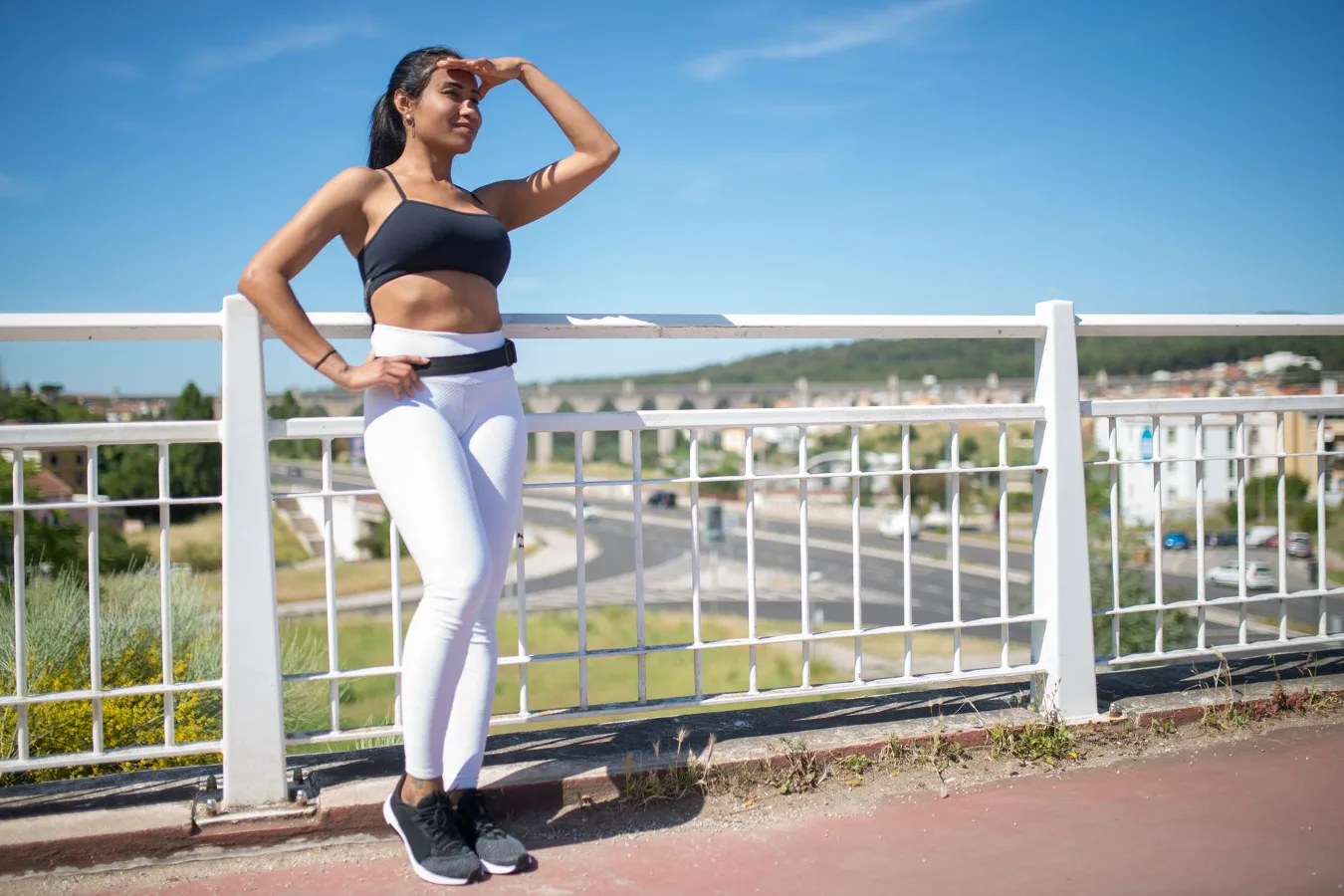
High compression leggings are leggings made with a firmer, more supportive fit than standard stretch styles. The main appeal is the locked-in feel: they hold close to the body, often smooth the silhouette, and can feel more secure during training, walking, or long wear. If you are trying to decide whether they are worth buying, the real question is not just whether they look flattering. It is whether the level of compression matches how you move, how long you wear them, and how much comfort you want. leggings for running and training offers more detail on this point. how to choose supportive activewear offers more detail on this point.
For some people, high compression is ideal for gym sessions, running, or any activity where staying in place matters. For others, the same snug fit can feel restrictive, especially for all-day wear or low-impact movement. The best pair is the one that balances support, stretch, recovery, and breathability without creating pressure points or constant tugging.
Quick answer: what to look for first
If you want high compression leggings that actually work for you, start with four things: fit, fabric, waistband design, and intended use. A pair that feels supportive in the fitting room may still fail if it rolls down, pinches at the waist, or becomes too warm during exercise. Compression should feel secure, not painful. You should be able to move, bend, and sit without losing circulation or constantly adjusting the waistband.
For active use, look for leggings that offer strong recovery in the fabric, a secure rise, and enough thickness to maintain coverage under stretch. For casual wear, consider whether the compressive feel is something you will actually enjoy for several hours. The most common mistake is assuming “more compression” automatically means “better leggings.” In practice, the right amount depends on your activity and your comfort tolerance.
How high compression leggings differ from regular leggings
Regular leggings usually prioritize softness, stretch, and everyday comfort. High compression leggings are built to feel firmer. That firmer feel often comes from denser knit construction, a higher elastane or spandex content, or a fabric blend designed to hold shape after repeated movement. The result is a tighter fit that can feel more stable around the legs and midsection.
This difference matters because compression changes how the leggings behave. High compression styles are less likely to feel loose over time, but they may also be less forgiving if the sizing is off. A regular legging might still feel wearable if it runs slightly small. A compressive one can feel uncomfortably restrictive or difficult to pull on if you choose the wrong size.
Another practical distinction is how each style handles activity. Standard leggings may be fine for lounging, errands, yoga, or light movement. High compression leggings are often better suited to workouts, lower-bounce activities, or situations where you want a more structured fit. That does not mean they are only for athletes. It just means their strengths are more noticeable when support and stability matter.
Comparison factors that matter most
| Factor | Why it matters | What to look for |
|---|---|---|
| Fit and compression level | Determines comfort, support, and how secure the leggings feel | Snug but not painful, with no digging at the waist or thighs |
| Fabric blend | Affects stretch, recovery, breathability, and durability | Dense fabric with enough stretch to move and return to shape |
| Waistband | Helps prevent rolling, slipping, and constant adjustment | Wide, stable waistband with a rise that suits your torso |
| Opacity | Important for coverage during bends, squats, and lunges | Fabric that stays opaque when stretched |
| Activity match | Not every compressive legging suits every use case | Support level appropriate for training, travel, or casual wear |
| Breathability | Influences comfort during warm workouts or long wear | Fabric that manages heat without feeling flimsy |
Fit and compression level should come before style details. High compression leggings are only useful if you can wear them comfortably. The ideal pair feels tight enough to stay put, but not so tight that it creates pressure behind the knees, at the hips, or across the waistband. If the brand offers guidance on compression level, use it as a starting point, not a guarantee.
Fabric blend is the hidden difference between leggings that feel supportive and leggings that feel suffocating. A well-designed compressive fabric should move with the body and return to shape after stretching. If the fabric feels thin, overly slippery, or easily see-through, compression alone will not make up for it.
Waistband design can make or break the experience. High-rise styles often feel more secure, but only if the rise matches your torso length. A waistband that is too tall can fold, while one that is too short may slide down during movement. The right waistband should distribute pressure evenly instead of digging into one spot.
How to choose the right pair for your use case
For workouts and training
If you plan to wear high compression leggings to the gym, prioritize stability, coverage, and sweat management. They should stay in place during squats, lunges, step-ups, and treadmill sessions without needing constant adjustment. Look closely at the waistband and seam construction, since these details affect how the leggings hold up during repetitive motion.
For training, the best option is usually one that feels compressive but still flexible enough for a full range of motion. Very rigid leggings can limit comfort during deep bends or floor exercises. A smoother, more secure fabric often works better than a stiff one.
For running or higher-impact movement
Running and similar activities usually demand a more secure fit than casual wear. High compression leggings can help reduce bounce and shifting, but only if the size is correct. A pair that is too loose will not feel supportive, while one that is too small can become distracting over a longer run.
For this use, pay attention to how the leggings handle sweat, friction, and repeated motion. If you run outdoors in the United States across changing seasons, consider whether the fabric feels too warm for summer or too thin for cooler weather. Seasonal suitability is an overlooked factor that can affect how often you actually reach for the pair.
For all-day wear
If you want compression leggings for travel, errands, or long periods of sitting, comfort matters more than maximum compression. Many shoppers assume tighter automatically means better shaping, but a high level of compression can become uncomfortable after several hours. A slightly softer compressive legging may be a better long-wear choice than the firmest option available.
For all-day use, look for a waistband that does not pinch and a fabric that breathes well. A legging that feels great for twenty minutes in the dressing room may be far less pleasant after a full day on your feet or in a car seat.
For smoothing and shaping
Some shoppers want a more sculpted look, especially under longer tops or athleisure outfits. High compression leggings can help create a smoother line, but they do not replace proper fit. Shaping should come from even fabric tension, not from squeezing too aggressively into a smaller size.
This is a common misconception: sizing down is not a shortcut to a better silhouette. It often leads to visible strain, waistband rolling, and shortened garment life. A true compressive fit should come from the design, not from forcing the wrong size to do extra work.
Trade-offs to consider before buying
High compression leggings offer real benefits, but they are not the best choice for every situation. The firmer fit can create a secure, polished feel, yet that same structure can reduce comfort if you prefer softer lounge wear. They can also feel less forgiving when you are between sizes or if your body shape does not match the brand’s pattern block well.
Another trade-off is breathability. Stronger compression often means denser fabric, and denser fabric may feel warmer. That can be a plus in cooler weather or for support-focused wear, but less ideal for hot studios or humid climates. If you are sensitive to heat, the fabric finish and panel construction matter just as much as compression level.
Durability is also worth thinking about. Compression fabrics are designed to recover, but they still need proper care. Overstretching, rough washing, and high heat can wear down elasticity faster. If you want long-term value, choose a pair you can realistically maintain well. compression fabrics explained offers more detail on this point.
Mistakes to avoid
- Buying for compression alone. Support is useful, but comfort, coverage, and movement matter just as much.
- Sizing down unnecessarily. A smaller size can create bulging, rolling, or loss of opacity.
- Ignoring waistband shape. A waistband that looks flattering standing still may still slide or fold during movement.
- Overlooking fabric recovery. If a pair stretches out quickly, it will not keep the supportive feel you wanted.
- Choosing the wrong use case. A pair built for training may be too warm or structured for casual wear.
- Forgetting opacity checks. Compression does not automatically mean squat-proof.
One overlooked issue is seam placement. Seams that sit awkwardly can create pressure or visible lines under fitted tops. Flat seams or thoughtfully placed paneling can improve comfort more than a louder design or trendier color ever will.
How to assess fit without overthinking it
A good way to judge compression leggings is to ask three questions: do they stay up, do they allow movement, and do they feel fine after several minutes of wear? If the answer to any of those is no, the pair may not be right even if it looks good in a mirror.
During try-on, bend, squat, sit, and walk. Notice whether the waistband rolls, whether the fabric pulls across the thighs, and whether you feel pressure at the waistline. Compression should feel even. Hot spots usually mean the cut or size is off.
If you are between sizes, your ideal choice depends on your goal. For firm support and a more locked-in feel, the larger size may still feel secure if the fabric is genuinely compressive. For a shaping effect, the smaller size may seem tempting, but it often sacrifices comfort and wearability. In most cases, the best decision is the size that lets the fabric function as intended.
Care and longevity
Compression leggings usually last longer when treated gently. Follow the garment care label, wash them with similar fabrics, and avoid harsh heat when possible. Heat can be especially hard on elastane-based fabrics, which are responsible for stretch and recovery. If the leggings start to lose their snap, that is often a sign of wear, wash habits, or both.
For storage, avoid stuffing them tightly in a drawer with rough closures or accessories that can snag the fabric. A smooth fold is usually better than stretching them over hangers or letting them catch on Velcro, zippers, or jewelry. Small habits matter more than people expect with performance fabrics.
What alternatives may work better
High compression leggings are not the only supportive bottom option. If you want something lighter, standard high-rise leggings may be more comfortable for everyday wear. If you want more airflow, running tights or thinner performance leggings may suit your routine better. For low-impact workouts, softer seamless leggings can offer enough support without the same locked-in feel.
Think of compression as one tool, not the default answer. The best option depends on whether you care more about support, softness, breathability, or all-day ease. A truly useful wardrobe often includes more than one type of legging for different settings.
Frequently asked questions
Are high compression leggings good for everyday wear?
They can be, but it depends on how much firmness you like. If you enjoy a supportive, secure fit, they may work well for errands, travel, or long days. If you prefer a relaxed feel, a lower-compression legging is usually more comfortable.
Should high compression leggings feel tight?
Yes, but they should not feel painful or restrictive. A good pair feels snug, supported, and stable without digging into the waist, thighs, or behind the knees.
Are they better for workouts than regular leggings?
Often, yes, especially for activities where stability and coverage matter. But for yoga, lounging, or low-impact movement, regular leggings or softer performance styles may be the better choice.
Can you size down for more compression?
Usually not a good idea. Sizing down can create discomfort, reduce opacity, and make the leggings wear out faster. Choose your normal size unless the brand’s fit guidance suggests otherwise.
What matters most: fabric or waistband?
Both matter, but the waistband is often the difference between leggings you keep adjusting and leggings you forget about. Fabric recovery and waistband stability work together to create the right fit.
High compression leggings make the most sense when you know what you want from them: support, smoothing, stability, or performance. If you focus on fit first and style second, you are much more likely to end up with a pair you actually wear often. That is the real value of a good compressive legging: not just how it looks, but how reliably it fits into your routine.