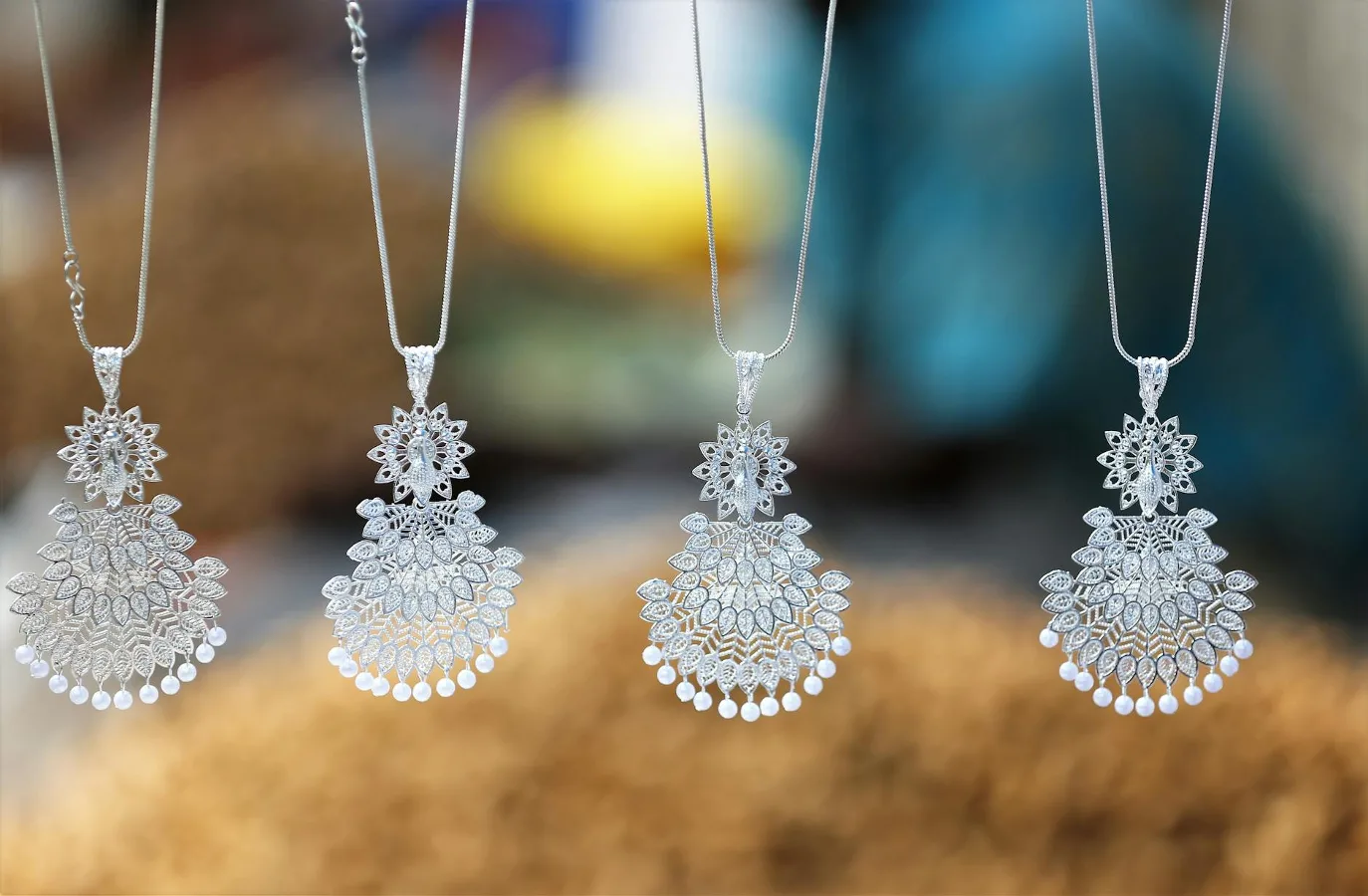
A silver pendant necklace is one of the easiest jewelry pieces to wear well because it can be dressed up, dressed down, and layered without feeling overdone. The best one for you depends less on trend and more on a few practical details: the type of silver, the chain, the pendant size, and how often you plan to wear it. silver heart necklace offers more detail on this point.
If you are shopping with a commercial intent, the smartest approach is to compare pieces by wearability first. A necklace that looks beautiful in product photos can still disappoint if the chain is too delicate, the pendant is too heavy for the clasp, or the finish does not match your wardrobe. The right silver pendant necklace should feel balanced, comfortable, and easy to maintain.
What to look for first
The quickest way to narrow your options is to decide how you want the necklace to function. Some people want a quiet everyday piece that sits close to the collarbone. Others want a visible pendant that becomes the focal point of an outfit. Those two goals call for different choices.
- For daily wear: look for a sturdy chain, a secure clasp, and a pendant size that will not snag easily.
- For layering: choose a length that can sit cleanly with other necklaces, usually with a simple pendant silhouette.
- For gifting: go with a classic shape and a versatile finish so the necklace works with more outfits.
- For sensitive skin: check the metal content and any plating or alloy details before buying.
One common misconception is that all silver necklaces are equally durable. In practice, the chain construction matters a lot. A pendant can be beautiful, but if the chain is too thin for the pendant weight, the piece may twist awkwardly or wear out faster than expected.
Silver type matters more than many shoppers realize
Most buyers start with the word “silver,” but that term can cover very different materials and finishes. The choice affects appearance, maintenance, and long-term value.
Sterling silver
Sterling silver is the most common choice for quality jewelry because it is widely recognized and usually offers a good balance of beauty and durability. It may still tarnish over time, especially with frequent wear, moisture, or exposure to products like lotion and perfume. That is not a defect so much as a maintenance trade-off.
Silver-plated pieces
Silver-plated necklaces can be attractive at a lower entry price, but the finish may wear over time, particularly on high-contact areas like the pendant edges or chain links. They can be a sensible option for trend-driven styles or occasional wear, but they are usually less forgiving for everyday use.
Oxidized or antiqued silver
These finishes give the necklace a darker, more textured look. They can make details stand out, especially on symbolic pendants, engraved designs, or vintage-inspired styles. The trade-off is that the look is more distinctive and may be less versatile if you prefer a bright, polished aesthetic.
How pendant shape changes the whole piece
The pendant is not just decoration; it controls the visual tone of the necklace. A tiny disc, a bar, a heart, a gemstone drop, or a symbolic charm all signal something different.
- Minimal shapes such as discs, bars, and small geometric forms feel modern and easy to layer.
- Organic shapes can look softer and more understated, especially on fine chains.
- Symbolic pendants tend to feel more personal and are often better as gifts.
- Gemstone pendants add color and can create a more polished or dressy look.
Size is the overlooked factor here. A pendant that is technically attractive can still be impractical if it sits too low, catches on clothing, or feels visually heavy on a very fine chain. If you wear a lot of sweaters, textured tops, or scarves, a lower-profile pendant is usually easier to live with.
Chain style and thickness deserve as much attention as the pendant
Many shoppers focus on the pendant first, but the chain often determines whether the necklace feels premium or fragile. The chain should complement both the pendant weight and the way you plan to wear the piece.
| Chain consideration | Why it matters | Best for |
|---|---|---|
| Thin chain | Looks delicate and subtle, but may be less forgiving with heavier pendants | Minimalist styles and light pendants |
| Medium chain | Offers a better balance of presence and durability | Everyday wear and most pendant shapes |
| Thicker chain | Provides more visual weight and can support larger pendants more confidently | Statement pieces and bolder styling |
| Adjustable chain | Gives more flexibility with necklines and layering | Shoppers who want versatility |
Common chain styles like cable, box, rope, and snake each change the look and feel. Cable chains are versatile and familiar. Box chains can feel slightly more structured. Snake chains have a smooth surface but may be less tolerant of rough handling. If you want a necklace that you can wear often without much thought, a straightforward cable or box chain is usually the safest starting point.
Length affects styling more than most buyers expect
Length is not just a fit issue; it changes how the pendant interacts with clothing, collars, and other jewelry. A short chain can make a pendant feel neat and intentional. A longer chain can make the same pendant look relaxed or more dramatic.
- Short lengths work well with open necklines and layering close to the neck.
- Mid-length chains are often the easiest for everyday outfits because they sit lower and are less likely to compete with collars.
- Longer chains can help a pendant stand out over simple tops or dresses.
If you are unsure, an adjustable necklace is often the most practical option. It gives you room to test what works with your wardrobe instead of locking you into one fixed position.
Finish, shine, and visibility
A silver pendant necklace can look crisp and bright or softly muted depending on the finish. A highly polished surface reflects more light and feels more formal. A brushed, matte, or oxidized finish feels quieter and sometimes more contemporary.
This is a useful decision point if you wear a lot of gold-tone jewelry or mixed metals. A bright silver finish can stand apart more clearly, while a softer finish may blend more naturally into a layered look. There is no universally better choice; the right finish depends on whether you want the necklace to stand out or support the rest of your outfit. guide to rose gold engagement rings offers more detail on this point. Heart Necklace Gold Buying Guide offers more detail on this point.
Comfort and wearability should not be an afterthought
One of the most common mistakes is buying a pendant based on appearance alone. Comfort affects how often you actually wear the piece. If the pendant flips too easily, sits awkwardly, or pulls on the chain, it may end up staying in a jewelry box.
Pay attention to the following:
- Clasp security: a secure clasp matters more than a decorative one.
- Pendant balance: a pendant that hangs straight is usually easier to wear.
- Weight: a very heavy pendant can strain a delicate chain.
- Skin sensitivity: if your skin reacts easily, metal composition and plating details matter.
Another practical nuance: the necklace should work with your regular clothes, not just with the one outfit in the product photo. If you usually wear crewnecks, V-necks, button-downs, or layered basics, choose a pendant shape and length that fit those real wardrobe patterns.
How to compare options before buying
When two silver pendant necklaces look similar, compare them using a few simple questions:
- Is the silver type clearly identified?
- Does the chain look strong enough for the pendant?
- Is the length appropriate for your most common necklines?
- Will the pendant fit your style if you wear it often?
- Does the finish match the rest of your jewelry?
- Is the clasp easy to fasten without feeling flimsy?
This kind of comparison is more useful than choosing by photos alone. Product imagery can make almost any necklace look elegant, but it rarely shows how the piece behaves with movement, how much it will snag, or whether the proportions feel right in real life.
Common mistakes to avoid
Shopping for a silver pendant necklace gets easier once you know where buyers often go wrong.
- Choosing a pendant that is too large for the chain. This can shorten the life of the necklace and make it feel awkward on the neck.
- Ignoring the clasp. A weak clasp can be the difference between a necklace you enjoy and one you worry about losing.
- Buying only for photos. A necklace that looks polished in a close-up may not suit your necklines or daily style.
- Overlooking maintenance. Silver needs routine care, especially if you wear it often.
- Assuming one size fits all. Necklace length, pendant size, and styling preferences vary more than people expect.
Maintenance and care
Silver jewelry usually benefits from simple, regular care rather than occasional deep cleaning. Wiping the necklace after wear, storing it in a dry place, and keeping it away from products that can accelerate tarnish are all practical habits.
If the necklace is sterling silver, tarnish management is part of ownership. That does not mean the piece is high maintenance; it just means it needs attention occasionally. If you prefer something lower effort, a plated piece may seem easier at first, though it often comes with shorter finish longevity.
For storage, a soft pouch or separate compartment helps reduce tangling and surface wear. This matters especially for delicate chains, which can knot easily when tossed into a drawer with other jewelry.
When a silver pendant necklace is the right choice
This style is especially strong if you want one necklace that can do a lot of work in your wardrobe. It can feel personal without being overly formal, polished without being loud, and versatile without looking generic. That balance is part of why it remains such a reliable jewelry category.
It is also a good choice if you are buying for someone whose style you know only broadly. A classic silver pendant necklace is usually safer than something very trend-specific, as long as the chain, length, and pendant size are chosen with care.
If you want more personality, consider alternatives such as a gemstone pendant, a locket, a charm necklace, or a layered set. Those can offer a stronger statement, but they also narrow the styling range. For buyers who want the easiest day-to-day option, a well-proportioned silver pendant necklace is still one of the most practical picks.
The best decision usually comes down to balance: the right metal, a sensible chain, a pendant that suits your wardrobe, and a finish you will still like after the novelty fades. If those pieces line up, the necklace is far more likely to become a regular part of your rotation rather than an occasional accessory.