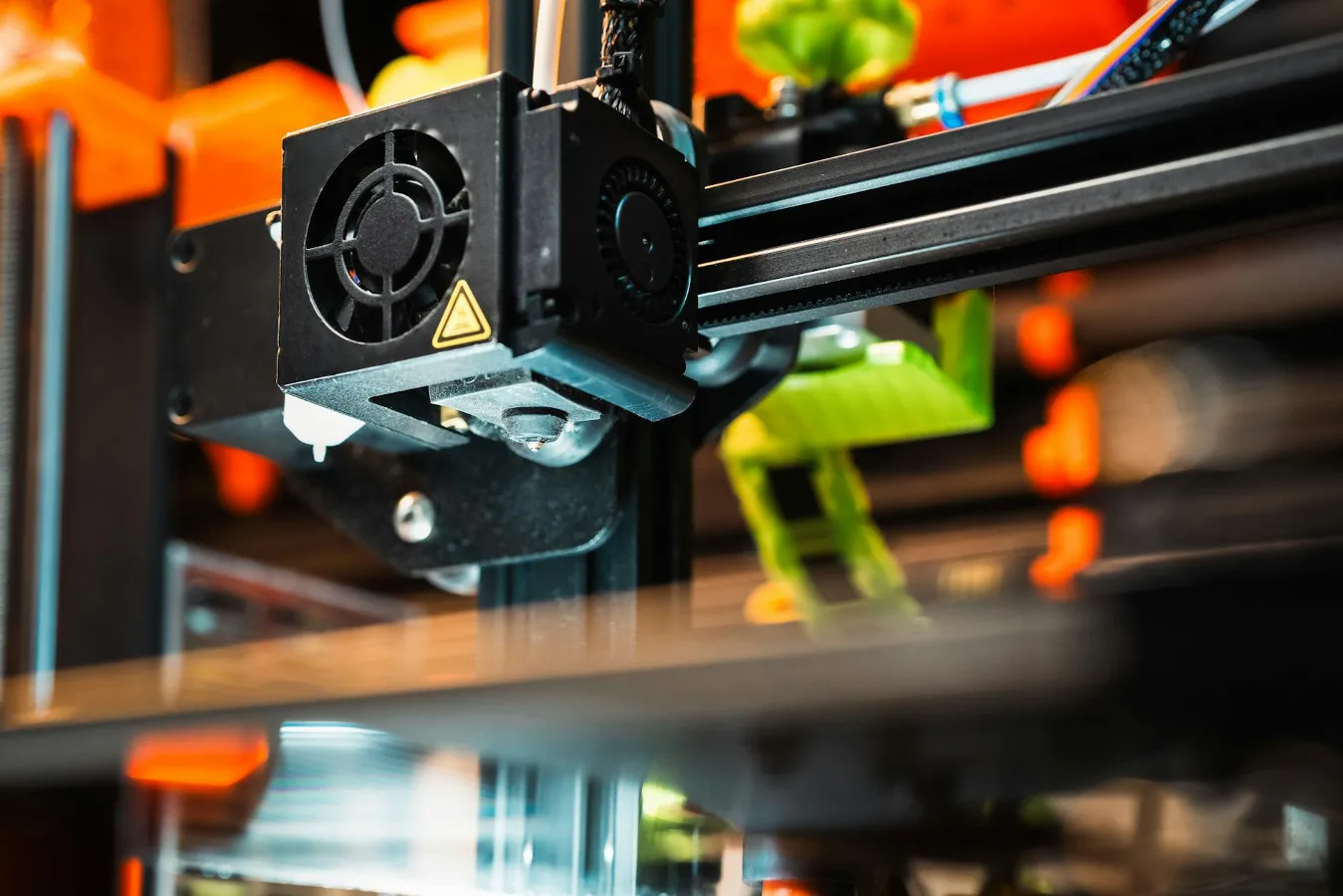
Why 3D printed travel accessories matter
3D printed travel accessories are best understood as problem-solvers. They are usually designed to make packing, organizing, securing, labeling, or storing small travel items easier. That can include everything from cable clips and luggage tags to strap guides, toiletry holders, bag hooks, and custom-fit organizers. travel packing organizers offers more detail on this point. personalized travel accessories offers more detail on this point.
The appeal is straightforward: 3D printing makes it possible to create small accessories in shapes that are hard to find in mass-market travel gear. For travelers with unusual packing habits, specialized equipment, or limited space, that customization can be more useful than buying a generic gadget that only partly fits the job.
These accessories are not automatically better than traditional alternatives. Their value depends on the material used, the design quality, and the specific travel task. Some are genuinely practical. Others look clever but fail under real travel conditions, especially when exposed to repeated handling, heat, pressure, or rough baggage treatment.
If you are considering 3D printed travel accessories, focus first on where they solve a real pain point. The best purchases are usually small, lightweight, and simple rather than novelty-driven.
What these accessories are good for
Most useful 3D printed travel accessories fall into a few practical categories. The common thread is that they support organization or convenience without adding much bulk.
- Packing organization: dividers, cable wraps, earbud holders, label clips, and small compartment inserts.
- Luggage identification: luggage tags, tag frames, name markers, and bag markers designed for visibility.
- Storage and containment: holders for toiletries, small chargers, adapters, pills, SD cards, or jewelry.
- Trip-specific convenience: hooks, stands, clips, mounts, and attachments that help manage gear in hotels, airports, or vehicles.
- Customization: accessories shaped for a specific bottle, cable bundle, device, bag opening, or packing cube setup.
That flexibility is the main reason people look for them. A well-designed printed accessory can match a travel routine more closely than a generic off-the-shelf item.
When it makes sense to choose 3D printed options
These products make the most sense when the item you need is small, low-risk, and highly specific. A 3D printed luggage tag holder, for example, can be a smart buy if you want something lightweight and easy to replace. A cable organizer tailored to a particular cord shape can also be useful because it removes clutter without much effort.
They are also worth considering when you want a custom fit. Travelers with unusual gear setups often benefit from accessories that are built around their own devices, bottles, cases, or packing habits. That is where 3D printing can outcompete standard retail options.
On the other hand, they are less compelling when the accessory must endure heavy stress. If an item will be bent constantly, clamped tightly, sat on, or thrown into checked baggage, a conventional material or a reinforced design may be the safer choice.
Step-by-step criteria for choosing the right one
1. Start with the travel problem, not the product
Before comparing listings, define the exact issue you want to solve. Are you trying to keep cables together, identify a suitcase quickly, protect small items, or make toiletries easier to access? The clearer the use case, the easier it is to judge whether a printed accessory actually fits.
A common mistake is buying a clever-looking item that does not address a real friction point. Travel gear is most useful when it removes a repetitive annoyance.
2. Check the material and finish
Material choice matters a great deal for travel accessories. Different printing materials can feel rigid, flexible, smooth, or brittle, and those differences affect both comfort and durability. For example, a luggage tag or clip may need enough flexibility to withstand handling, while a divider or holder may need better rigidity to keep its shape.
The surface finish also affects practical use. Rough edges, visible layer lines, or weak attachment points can make a small accessory frustrating to use. For travel items that touch hands, pockets, or other packed items, a smoother finish is generally more comfortable and less likely to snag fabric.
3. Think about stress points and wear
One overlooked consideration is where the accessory will flex or bear weight. Many printed items fail at connection points, thin arms, hinges, or snap-fit tabs rather than in the main body. If a product relies on repeated bending, pay close attention to whether the design looks reinforced or delicate.
For travel, that matters because items are handled repeatedly. They are opened, closed, compressed, and moved around more than home-only accessories. The more moving parts a design has, the more important build quality becomes.
4. Match the size to real travel constraints
Travel accessories should disappear into your setup, not create a new packing problem. The best options are compact, light, and easy to stow. If an accessory saves space in one area but adds bulk somewhere else, it may not be worth it.
Also consider compatibility with your existing bags, pouches, and packing cubes. A well-sized accessory should fit naturally into your current organization system rather than forcing you to rebuild it.
5. Check compatibility with what you already carry
Compatibility is easy to overlook. A cord organizer may work beautifully for one cable type and poorly for another. A bottle holder may fit one toiletry container but not others. A luggage accessory may attach to one handle shape and slip on another.
Look for dimensions, opening sizes, attachment style, and any notes about compatibility with specific objects. If the product is marketed as universal, read carefully. In travel gear, “universal” often means “works for many things, but not all of them equally well.”
6. Decide how much maintenance you are willing to do
Some printed travel accessories are nearly zero-maintenance. Others need regular cleaning or careful handling to stay functional. This matters most for toiletry containers, holders used near liquids, and pieces that collect dust or lint inside a bag.
If you prefer low-fuss gear, keep the design simple. Smooth interiors, fewer crevices, and easy-to-wipe surfaces are usually more practical than intricate shapes.
Examples of useful travel use cases
Not every travel accessory needs to be flashy to earn a place in your bag. The most practical examples tend to be the simplest.
- Luggage tags: useful for identification, especially if you want a custom shape or a distinct visual marker.
- Cable clips and wraps: help keep charging cords, earbuds, and small tech accessories tidy.
- Toiletry organizers: can hold small items upright or prevent loose pieces from shifting around.
- Bag hooks and holders: useful in hotels, airport seating areas, or transit spaces when you need to keep a bag off the floor.
- Passport or document organizers: can help separate papers, cards, or small documents, though they should be checked for fit and ease of access.
- Adapter and charger holders: help prevent small electronics from disappearing into a larger pouch.
These examples share one advantage: they solve everyday travel annoyances without requiring a major change in packing habits.
Common drawbacks to weigh before buying
3D printed travel accessories are not a universal upgrade. A few trade-offs deserve attention.
First, durability is design-dependent. Two accessories that look similar can perform very differently depending on wall thickness, material, and stress distribution. Travel use can expose weak spots quickly.
Second, finish quality varies. Some items may be perfectly functional but feel rougher than molded alternatives. That may be acceptable for a luggage tag, but less ideal for something you handle constantly.
Third, they are not always weatherproof or crush-resistant. If you travel in hot cars, humid climates, or tightly packed luggage, check whether the accessory is appropriate for those conditions.
Fourth, custom does not always mean better. A custom fit is only valuable if it matches the way you actually travel. A specialized holder for one bottle or cable can become useless if your setup changes.
The best approach is to treat these accessories as targeted tools, not one-size-fits-all upgrades.
What to compare before you buy
| Factor | What to look for | Why it matters |
|---|---|---|
| Material | Rigid, flexible, or reinforced construction | Affects durability, comfort, and how well the item holds up in a bag |
| Attachment style | Clip, slot, snap-fit, loop, or insert | Determines compatibility and ease of use |
| Size | Fits your bag, pocket, or item without excess bulk | Travel accessories should save space, not consume it |
| Finish | Smooth edges and clean contact points | Improves comfort and reduces snagging |
| Maintenance | Easy to wipe, clean, or inspect | Useful for items that contact toiletries or live inside packed bags |
| Use case | Specific problem it solves | Prevents novelty purchases that do not add real value |
Alternatives worth considering
3D printed travel accessories are only one option. Depending on the job, traditional alternatives may be better.
- Fabric organizers: often better for soft storage and items that benefit from flexibility.
- Silicone accessories: useful when you want more give, easier cleaning, or better grip.
- Metal hardware: a stronger choice for stress-bearing components or rough handling.
- Retail travel organizers: practical when you want something standardized and ready to use without compatibility concerns.
- DIY pouch systems: sometimes the simplest solution for cables, adapters, and small toiletries.
If a travel problem is simple, a simple conventional solution can be better than a custom printed one. The right answer depends on whether you need flexibility, strength, convenience, or pure simplicity.
Common mistakes buyers make
- Choosing novelty over utility: a clever shape is not the same as a useful product.
- Ignoring fit: small accessories often fail because dimensions were not checked carefully.
- Overlooking stress points: thin clips and tabs can be the weakest part of the design.
- Buying for a hypothetical trip: the accessory should match how you actually travel now.
- Assuming all printed materials behave the same: construction and design matter as much as appearance.
- Expecting one accessory to do everything: many printed travel tools are best at one narrow task.
A realistic buying mindset helps here. A good printed accessory usually does one thing well, not five things adequately.
Checklist for a smart purchase
Use this quick checklist before choosing a 3D printed travel accessory:
- Does it solve a specific packing or travel problem?
- Will it fit the item, bag, or compartment you plan to use?
- Does the design look sturdy at clips, tabs, and joints?
- Is the surface finish acceptable for frequent handling?
- Can you clean or inspect it easily if it gets dirty?
- Is it lightweight enough for real travel use?
- Would a fabric, silicone, or metal alternative do the job better?
If you can answer yes to most of those questions, the accessory is more likely to earn its space in your luggage.
Who benefits most from them
These accessories are especially useful for travelers who like organized packing systems, frequent flyers who handle the same gear repeatedly, and people who need a custom fit for specific items. They can also make sense for minimalist travelers who want small tools that solve precise problems without adding much weight.
They are less compelling for anyone who prefers highly durable, all-purpose gear with a long track record. If you rarely change your packing setup, a standard organizer may be more practical. practical packing checklist offers more detail on this point.
The best way to evaluate them is to ask a simple question: does this accessory make travel easier in a specific, repeatable way? If the answer is yes, it may be worth considering. If not, a conventional alternative is probably the better buy.