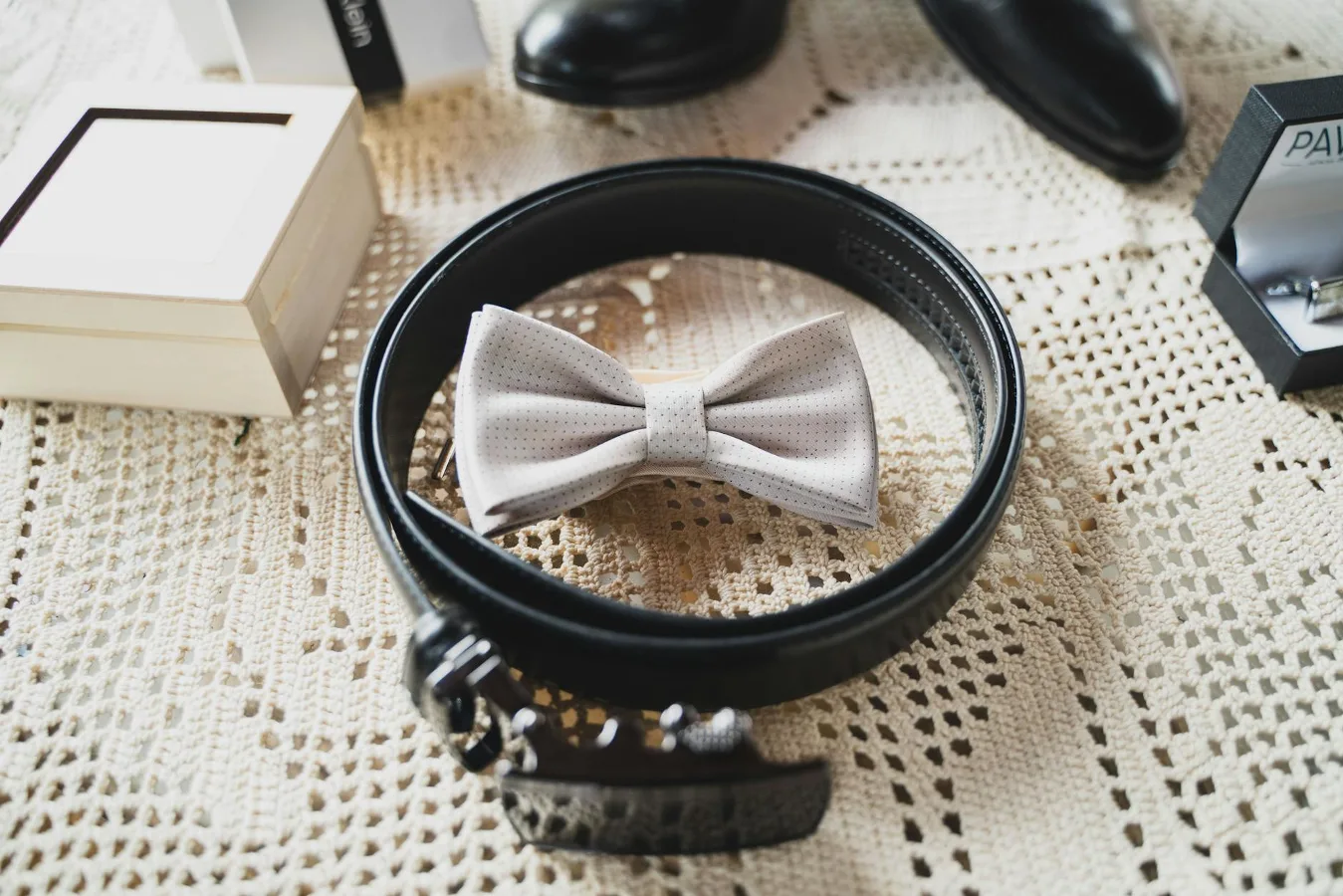
If you’re searching for Bally belts for men, you’re probably looking for a belt that can do more than hold up trousers. Bally sits in the designer-accessory space, so the real question is not just whether the belt looks good, but whether the style, material, width, and buckle suit the way you actually dress. belt width guide for men offers more detail on this point. wide belts for men offers more detail on this point.
This guide focuses on the practical side of buying a Bally belt: where it fits in a wardrobe, what details matter most, how to judge whether a style is appropriate for business or casual wear, and which trade-offs are worth thinking about before you buy.
When a Bally belt makes sense
A Bally belt makes the most sense if you want a polished accessory that can work across several outfits, especially if your wardrobe leans toward tailored clothing, smart casual pieces, or refined everyday basics. For many buyers, the appeal is less about trendiness and more about consistency: a clean leather belt with a restrained buckle can be easier to wear often than a more fashion-forward statement piece. men’s leather belt styling tips offers more detail on this point.
That said, not every Bally belt is meant for the same role. Some styles are better suited to suits and dress trousers, while others work with denim, chinos, or business-casual outfits. The key is to match the belt to the outfit category first, then narrow down color, finish, and buckle style.
A common misconception is that a luxury belt automatically works as a universal accessory. In practice, a belt that looks elegant with wool trousers may feel out of place with rugged jeans, and a thicker casual belt may look too heavy with formal tailoring. That’s why the best purchase decision starts with use case, not brand name alone.
Step-by-step criteria to judge the right belt
1. Start with the outfit it needs to support
Before comparing buckle shapes or leather finishes, decide where the belt will be worn most often. If the primary use is office wear, client meetings, weddings, or dress pants, prioritize a slimmer profile and a more understated buckle. If the belt will live in a casual rotation, a slightly more relaxed finish may be a better fit.
Ask a simple question: will this belt disappear into the outfit, or should it add a visible style note? Dress belts should usually disappear. Casual belts can have more texture, contrast stitching, or a stronger buckle presence.
2. Check width before anything else
Belt width affects both comfort and formality. Narrower belts tend to look more refined with tailored clothing, while wider belts usually feel more casual and substantial. Even if a belt is beautifully made, an awkward width can make it harder to wear with the trousers you already own.
If you’re buying one belt to do most things, aim for the most versatile width for your wardrobe rather than the most eye-catching option. This is one of the easiest places to make a mistake, because width is often overlooked until the belt is already home.
3. Choose the leather finish for real-world use
Leather finish changes the personality of the belt almost as much as color. Smooth leather tends to read more formal and controlled. Textured leather can feel more relaxed and better at hiding minor wear. A glossy finish may look sharper for dressier settings, while a matte surface usually feels quieter and easier to pair.
Think about maintenance too. A smoother leather belt can show scratches or creasing more clearly, while a heavily finished belt may be less forgiving if you want a pristine look over time. If you plan to wear the belt often, durability and visual aging matter just as much as appearance.
4. Pay attention to the buckle style
The buckle sets the tone. A clean, minimal buckle works well if you want something subtle and timeless. Larger or more sculptural buckles create more visual presence, but they can also limit where the belt feels appropriate.
For most buyers, the safest choice is a buckle that complements the rest of the wardrobe rather than competing with it. If you already wear watches, cufflinks, or shoes with strong metal accents, a balanced buckle tends to feel more cohesive.
5. Confirm sizing carefully
Size is where many belt purchases go wrong. A belt should fasten comfortably on the middle range of holes, not at the very first hole and not at the last. That gives you room to adjust for seasonal clothing changes and different trousers.
Because sizing conventions vary by brand and region, it’s worth checking the product’s sizing guidance rather than assuming your pant size will translate directly. Belts are one of those accessories where a small mismatch can make an otherwise excellent purchase frustrating to wear.
How Bally belts fit into a men’s wardrobe
One of the strongest use cases for a Bally belt is a wardrobe that already includes polished basics: tailored trousers, oxford shirts, knit polos, dark denim, loafers, derbies, or minimalist sneakers. In that setting, the belt acts as a finishing piece rather than the focal point.
For business wear, a black leather belt is usually the most versatile option because it pairs naturally with charcoal, navy, and black footwear. Brown leather can work beautifully too, especially if your shoes and other accessories already live in that color family. The important thing is consistency. A belt should feel like part of the same visual language as the rest of the outfit.
For smart casual outfits, a Bally belt can help elevate simple pieces without looking too formal. A clean belt with subtle branding may be enough to sharpen jeans and a blazer or chinos and a fine-gauge sweater. If your style is already loud elsewhere, though, a more restrained belt often works better.
Practical trade-offs to consider
Designer belts usually ask you to balance a few competing priorities.
- Style vs. versatility: A bolder buckle or standout finish may be attractive, but a quieter design usually gets more wear.
- Appearance vs. durability: Smooth dress leather can look refined, but textured finishes may be more forgiving for daily use.
- Formal vs. casual use: A belt that works with suits may not be the best choice for denim-heavy wardrobes.
- Luxury appeal vs. value: The brand matters, but so does how often the belt matches your actual outfits.
Another overlooked consideration is how often you’ll wear the same belt. A premium belt worn frequently should be chosen for comfort and practicality, not just appearance in the box. If you already own several belts, filling a gap in color or formality can be smarter than buying the most decorative option available.
Common mistakes buyers make
- Buying the wrong width: The belt may look fine on its own but feel mismatched with trousers.
- Ignoring shoe coordination: A great belt can still look off if it clashes with the shoes.
- Choosing a statement buckle too quickly: Bold hardware can limit versatility.
- Assuming all leather is equally easy to maintain: Different finishes age differently.
- Picking a size based only on pants size: Belt sizing often needs a separate check.
- Overlooking wardrobe gaps: Sometimes the best buy is the belt color or style you don’t already own.
Examples of good buying scenarios
If your work wardrobe is mostly navy, gray, and black, a restrained black Bally belt is usually the safest anchor piece. It will work across suits and dress pants without drawing attention away from the rest of the outfit.
If your clothing is more casual and you wear a lot of denim or chinos, a brown leather belt may be more useful, especially if your shoes are brown, tan, or burgundy. In that case, texture can be helpful because it gives the belt a slightly more relaxed feel.
If you want one belt for travel or a compact wardrobe, focus on the most neutral style you can wear with multiple outfits. A reversible belt can be practical, but only if both sides genuinely fit the rest of your wardrobe. A versatile accessory is only useful if you actually like wearing it with the clothes you own.
Checklist before you buy
- Confirm whether the belt is meant for dress, casual, or mixed use.
- Check the width against the trousers and jackets you wear most often.
- Decide whether you want smooth, textured, matte, or polished leather.
- Choose a buckle that fits your wardrobe, not just your taste in isolation.
- Verify sizing carefully and compare it with the brand’s guidance.
- Match the color to your shoes and other leather accessories.
- Think about maintenance and how visible wear will be over time.
- Consider whether you need a versatile daily belt or a more formal occasion piece.
How to care for a Bally leather belt
Good care helps a leather belt keep its shape and appearance longer. Store it flat or hang it without sharp bends when possible, and avoid leaving it folded tightly in a drawer for long periods. If the leather gets dirty, use gentle care appropriate for the finish rather than aggressive cleaning.
It also helps to rotate belts instead of wearing the same one every day. Even a well-made leather belt benefits from rest, especially if it is frequently exposed to heat, humidity, or friction from belt loops. If you live in a climate with seasonal swings, that can matter more than people expect.
One practical rule: if a belt starts to look tired around the edges, that doesn’t always mean it is unusable. But once the finish becomes visibly uneven or the buckle area begins to show strain, it may be time to replace it rather than trying to rescue it with heavy maintenance.
Alternatives worth considering
If Bally is the brand you like but the style you want is not available, or if you’re comparing options, it helps to think in terms of category rather than brand alone. Comparable alternatives may include other designer leather belts, understated dress belts, reversible office belts, or premium casual belts depending on your wardrobe needs.
If your main priority is everyday function, a well-made non-designer leather belt may offer a better balance of price and utility. If your priority is a refined finish for tailored outfits, focus less on branding and more on clean construction, proportional hardware, and a leather tone that works with your shoes.
For some buyers, the best decision is not a single premium belt but a small rotation: one formal black belt, one brown belt for casual and business-casual outfits, and one more relaxed option for denim. That approach often provides more wardrobe coverage than buying one expensive belt that only works in narrow situations.
FAQ
Are Bally belts for men best for formal or casual wear?
They can work for both, but the specific belt matters. Slim, understated leather styles are usually better for formal wear, while textured or more relaxed designs are easier to pair with casual outfits.
How do I choose the right size?
Use the brand’s sizing guidance and aim for a belt that fastens comfortably around the middle holes. Do not rely only on your pants size, since belt sizing can differ.
What color Bally belt is the most versatile?
Black is usually the most versatile for dress wear and office outfits. Brown is often the better all-around option if your wardrobe leans casual or you wear brown shoes regularly.
Should a belt match shoes exactly?
Not necessarily exactly, but it should look coordinated. Matching the overall tone and formality usually matters more than finding an identical shade.
Is a reversible belt a good choice?
It can be, especially if you need flexibility and want to save space. The trade-off is that reversible belts are not always as elegant or as refined as a dedicated single-color belt.
Final buying takeaway
The best Bally belt for men is the one that matches your wardrobe, not just your preference for a luxury label. Start with use case, then narrow by width, leather finish, buckle style, and size. If you do that well, you’ll end up with a belt that feels natural to wear and earns its place in your rotation.
If you want the most practical purchase, choose the most versatile version you can imagine wearing often. If you want a sharper style statement, keep the rest of the outfit simple so the belt complements rather than competes.