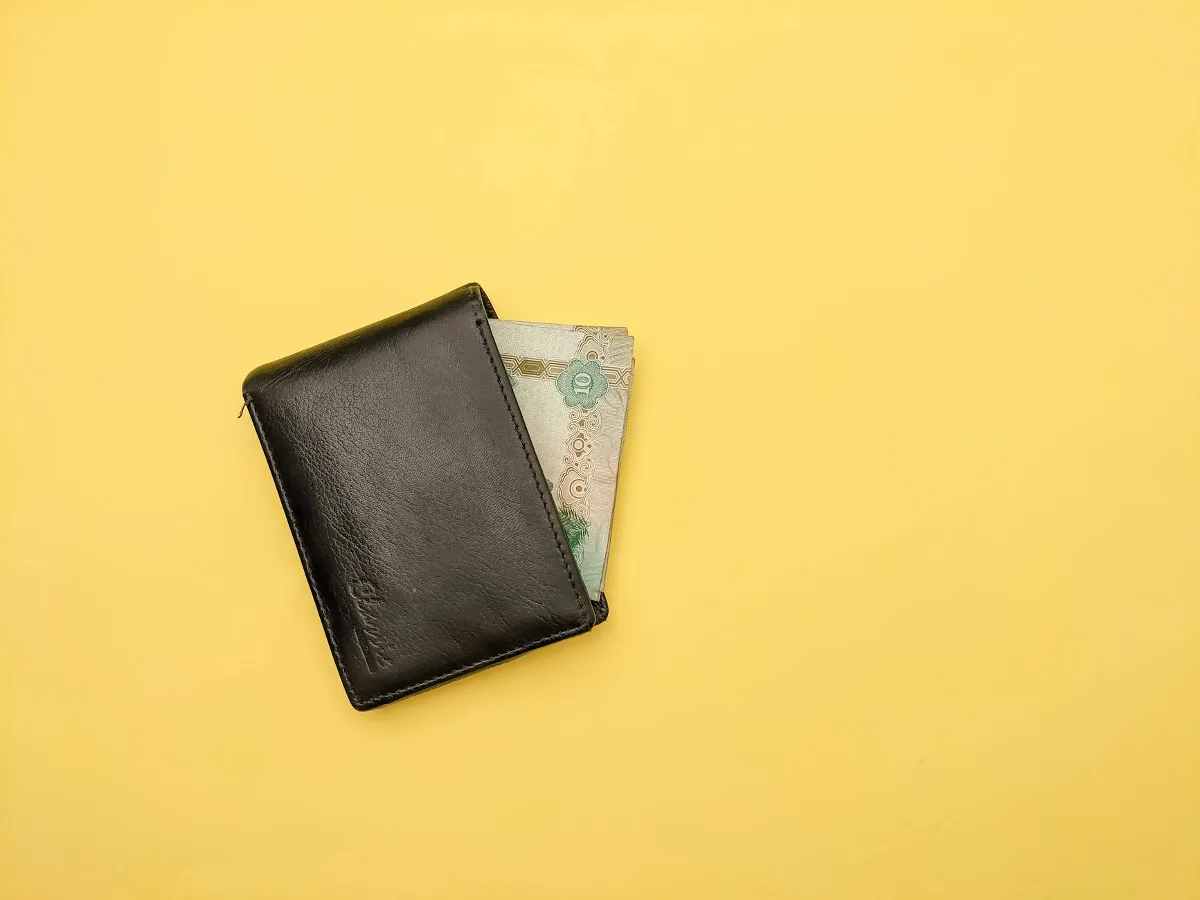
Which men should choose a leather bi-fold wallet?
A leather bi-fold wallet is a strong fit for men who want a familiar, easy-to-use wallet with enough room for cards, cash, and a few daily essentials without moving to a bulkier design. If you still carry folded bills, a handful of cards, and maybe an ID window or receipt slot, the bi-fold remains one of the most practical formats. Browning Wallets for Men: A Buying Guide offers more detail on this point.
The appeal is straightforward: it opens cleanly, sits naturally in a jacket or back pocket, and usually feels more balanced than larger wallet styles. That said, not every bi-fold is a good choice. Some are built too thick, some stretch quickly, and some look refined at first but become awkward once loaded. The right one depends on how much you carry and where you keep it. how to choose a wallet size offers more detail on this point.
For a lot of men, the best bi-fold wallet is less about being trendy and more about solving a daily carry problem in a way that feels tidy, durable, and comfortable.
What makes a bi-fold leather wallet worth considering
A bi-fold wallet earns its place when it matches your routine. The format is simple: it folds once, which keeps access easy and the profile relatively compact compared with trifold designs. Leather adds structure, a more traditional look, and the potential to age well if the material and construction are decent.
For buyers comparing options, the real value is in how the wallet behaves over time. A wallet that starts sleek but balloons after a few weeks is rarely satisfying. A wallet that feels slightly stiffer at first but keeps its shape, edges, and stitching holds up better in everyday use.
Best buyer scenarios
- You want a classic wallet shape that works with business, casual, and travel outfits.
- You carry several cards and some folded cash, but not a large amount of loose items.
- You prefer a wallet that fits easily into a jacket pocket or a spacious front pocket.
- You like a traditional look rather than a minimalist clip or card sleeve.
If that sounds like you, a leather bi-fold is often the most balanced option in the men’s accessories category. men’s leather accessories guide offers more detail on this point.
Trade-offs to weigh before buying
Bi-fold wallets are practical, but they are not the right answer for every carry style. The biggest trade-off is capacity versus bulk. A wallet can be slim when empty and still become uncomfortable once you add too many cards, business cards, loyalty cards, folded receipts, and cash.
Another trade-off is pocket placement. A traditional bi-fold can work in the back pocket, but that is not always the most comfortable or wallet-friendly choice over long periods. Many men now prefer front pocket carry for comfort and to reduce wear, yet not every bi-fold is designed well for that use.
There is also a style-versus-function balance. Some leather wallets look polished and dressy but sacrifice card access. Others prioritize storage and end up looking thick and overstated. A thoughtful purchase means deciding which compromises are acceptable.
A common misconception
A frequent mistake is assuming that more card slots automatically make a wallet better. Extra slots can be useful, but only if you truly use them. If you fill every compartment, even a well-made wallet can lose its shape and become harder to sit with comfortably.
Another misconception is that all leather behaves the same. Leather type, finishing, lining, edge treatment, and stitching all influence how a wallet feels in the hand and how it ages.
Leather types and what they change
Leather is the main material decision, and it affects both appearance and long-term use. Buyers often focus on the color and overlook the leather category, but that detail matters more than it first appears.
Full-grain leather
Full-grain leather is often preferred for wallets because it retains the natural grain and tends to develop character over time. It usually offers a more substantial feel and can handle daily use well when construction is solid. The trade-off is that it may feel firmer at first and can show natural markings.
Top-grain leather
Top-grain leather is typically smoother and more uniform in appearance. It can be a strong choice if you want a cleaner, more refined finish with a softer initial feel. Depending on the build, it may not develop the same character as full-grain leather, but it can still be durable and attractive.
Genuine leather
The term genuine leather can be useful to understand, but it does not automatically signal premium quality. In wallet shopping, the phrase is often used broadly. The better question is how the wallet is made, how thick the leather feels, and whether the stitching and edges seem carefully finished.
For many buyers, material quality matters more than brand language. A simple wallet with well-cut leather and tight stitching may be a better buy than a heavily marketed one with weak construction.
Construction details that affect everyday use
Construction decides whether a wallet feels refined or frustrating. On paper, many bi-folds look similar. In use, the differences become obvious.
Stitching and edges
Clean, even stitching usually signals better assembly. Loose threads, uneven seams, or rough edge finishing can lead to faster wear. Since wallets are handled constantly, those details matter more than they do on occasional-use accessories.
Card slot layout
Think about how often you need the card you use most. If your primary card is buried behind several layers, the wallet will feel inconvenient no matter how good it looks. A practical layout usually includes enough slots for your essentials without making access fussy.
Bill compartment design
Some men want a simple open bill section; others prefer a divided compartment or a tighter fit for folded cash. Either can work, but the bill area should not make the wallet too stiff or create unnecessary bulk.
ID window and hidden pockets
An ID window is handy if you use a badge, license, or frequently shown identification. Hidden pockets can be useful for emergency cash or backup cards, but they can also become clutter traps if you carry too much. Extra features are helpful only when they serve a clear routine.
What to look for based on your carry style
The best leather bi-fold wallet depends on how you carry it day to day. This is the part many shoppers skip, even though it matters more than color or stitching style.
If you carry mostly cards
Look for a slim bi-fold with enough room for your essentials and a design that stays flat when partly filled. Overbuilt wallets often create unnecessary thickness for card-heavy users. A cleaner layout usually works better than a crowded one.
If you carry cards and cash
Choose a wallet with a secure bill compartment and card slots that do not force the wallet open too far. A good cash-and-card wallet should hold folded bills neatly without making the fold feel stretched or stiff.
If you prefer front pocket carry
Pay attention to profile, corner shape, and flexibility. Some leather bi-folds are technically compact but still feel bulky in a front pocket because of thick interiors or wide dimensions. A slimmer construction is usually more comfortable for this use.
If you dress more formally
A smoother leather finish and restrained detailing often pair better with suits, jackets, and office wear. A wallet that looks understated and holds its shape tends to work across more outfits than one with visible bulk or overly decorative branding.
How to judge value without focusing only on price
Price matters, but value is more than the number on the tag. A wallet is a daily-use item, so the real question is whether it fits your habits and remains comfortable long after the novelty fades.
Cheap wallets can be fine if the construction is honest and the carrying capacity matches your needs. More expensive wallets are not automatically better if they add features you will not use or use leather that is too stiff for your preferences. A good value wallet should feel like it was designed for your actual routine.
Useful value checks include:
- Does the wallet stay manageable when fully loaded?
- Do the slots hold cards without making them hard to remove?
- Are the edges and stitching neatly finished?
- Does the leather feel appropriate for the style you want?
- Will the wallet still make sense if your carry changes slightly over time?
Alternatives worth considering
A bi-fold is a strong default, but alternatives can be better in specific situations. If your carry is extremely minimal, a card sleeve or money clip may suit you better. If you need more compartments for travel documents, loyalty cards, and miscellaneous items, a larger wallet or travel organizer can be more functional.
Some men also prefer a front-pocket card holder for comfort and a cleaner silhouette. The trade-off is reduced cash storage and less familiar handling. A trifold offers more organization, but it is usually thicker and less comfortable for everyday pocket carry.
The right choice depends on whether you value simplicity, capacity, or pocket comfort most.
Common mistakes when choosing a leather bi-fold
One of the biggest mistakes is buying for appearance first and use second. A wallet may look excellent online but become inconvenient if the card slots are too tight, the fold is too stiff, or the design is too thick for your pocket.
Another mistake is overfilling the wallet from the beginning. Even a well-built leather bi-fold will lose its shape faster if it is stuffed with every card you own. Keeping only the items you use regularly helps the wallet last longer and sit better.
It is also easy to ignore dimensions. A wallet can sound compact in description yet still feel large once in hand. If your carry style is selective, look for a slimmer format. If you need more room, be honest about that rather than forcing a minimalist wallet to act like a storage wallet.
Finally, do not overlook comfort. A wallet that looks polished but feels stiff, thick, or uneven in the pocket is rarely satisfying after repeated use.
Care and maintenance for long-term use
Leather wallets do not require complicated maintenance, but a little care can help them age more gracefully. Keep the wallet dry, avoid overstuffing, and store it in a way that does not crush the shape for long periods.
If the wallet gets dirty, gentle cleaning is usually better than aggressive products. Harsh treatment can affect the finish, especially on smoother leather. Since different leather finishes react differently, it is wise to follow the care guidance from the maker when available.
Rotation can also help. If you use the same wallet every day, it will show wear faster than one that shares duties with a backup. That said, many men prefer to keep a single wallet and simply maintain it well, which is perfectly reasonable for most use cases.
What to do next
Before buying, decide how much you actually carry, where you want to keep the wallet, and whether you prioritize slimness, structure, or storage. Those three answers usually narrow the field quickly.
Then compare leather type, slot layout, bill compartment design, and overall thickness. If a wallet seems impressive but fails on comfort or practical access, move on. A leather bi-fold is supposed to make daily carry simpler, not more complicated.
For most men, the best option is a wallet that stays organized without feeling overbuilt, uses leather that suits the look they want, and remains comfortable after the initial break-in period. That is the real standard worth aiming for.