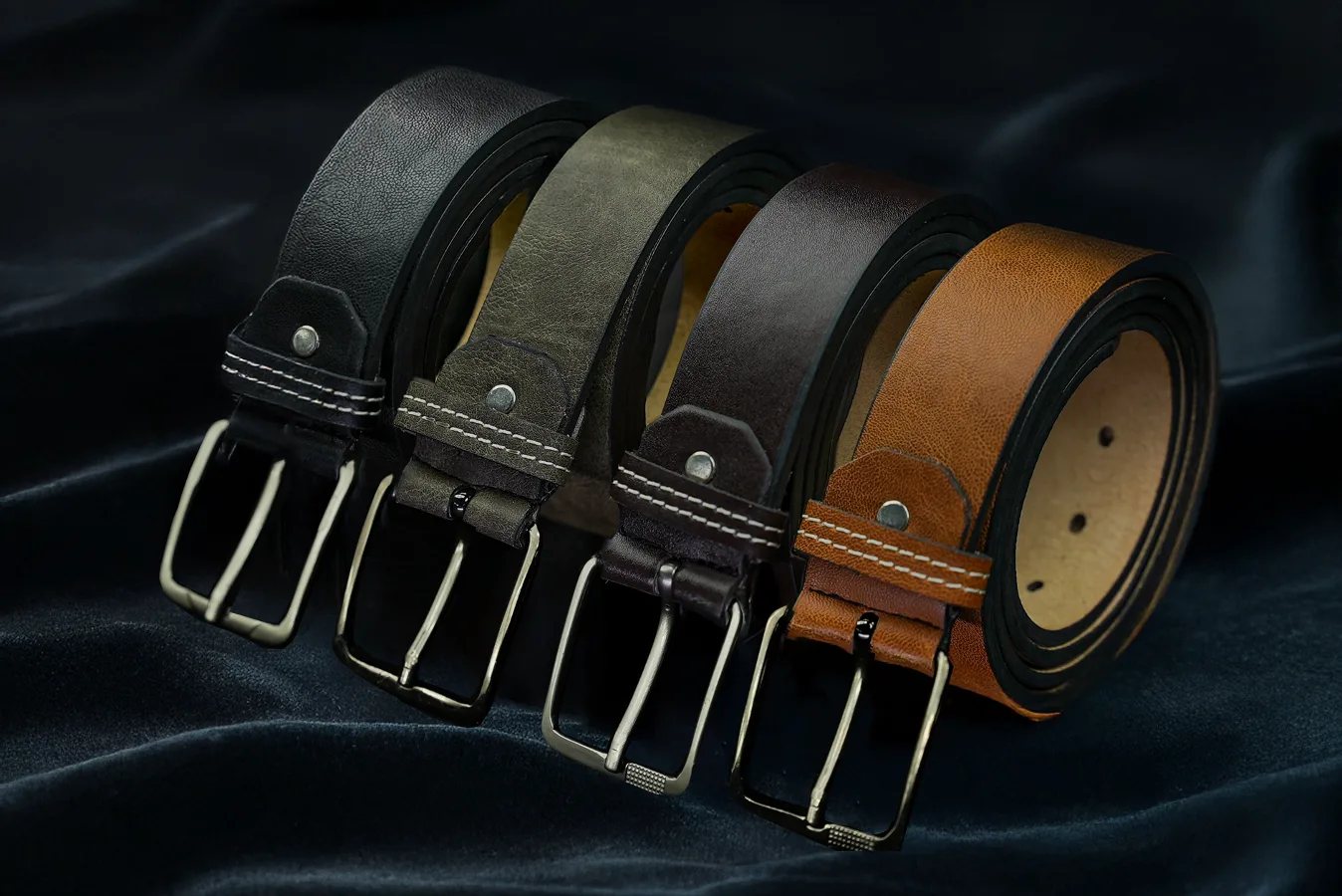
What makes a work belt worth buying
The best work belts for men do one job well: they keep your pants secure without becoming a distraction. That sounds simple, but workwear changes the equation. A belt that feels fine with chinos may flex, twist, or dig in when worn with heavier pants, tool pouches, or long hours of standing and bending. tool belts for men offers more detail on this point. durable essentials for men’s workwear offers more detail on this point.
For most buyers, the right choice comes down to a few practical questions: How much support do you need? Will the belt carry tools or just hold up work pants? Do you want something that looks polished enough for after-hours wear, or is pure function the priority? Once those answers are clear, the field narrows quickly.
There is no single best option for every man. A leather belt, a nylon web belt, and a ratchet-style belt can all be good choices depending on the job, the pants, and how often you need to adjust fit throughout the day.
Start with the job, not the label
One common mistake is shopping by category alone. “Work belt” can mean very different things across trades and work environments. Someone in an office with occasional field visits has different needs than someone on a construction site or in a warehouse.
- Light-duty office or service work: Prioritize comfort, a clean look, and a belt that sits neatly under a tucked shirt or uniform.
- Trade and jobsite work: Look for firmer construction, stronger hardware, and a belt that resists twisting under load.
- Mixed use: Choose a belt that is durable enough for work but simple enough to wear outside the job.
This matters because the belt is part of the load path. If your pants carry a phone holster, tape measure, pouch, or radio clip, the belt needs enough structure to support that weight without collapsing or rolling over.
Materials: leather, nylon, and hybrid builds
Material is usually the biggest deciding factor. It affects comfort, stiffness, appearance, and how well the belt holds up over time.
Leather work belts
Leather is the classic choice for a reason. A well-made leather belt usually offers a good balance of structure and appearance, which makes it useful for men who want one belt that works in more than one setting. It can feel more substantial than casual fashion belts and often becomes more comfortable as it breaks in. guide to leather accessories that last offers more detail on this point.
The trade-off is maintenance and rigidity. Leather may need occasional care, and some belts are so stiff at first that they feel better after a break-in period. That stiffness can be helpful for support, but it is not ideal if you prefer a softer, more flexible feel from day one.
Nylon and web belts
Nylon work belts are often chosen for mobility, quick adjustment, and resistance to daily wear. They can be a strong option for active jobs, outdoor work, or situations where you need a belt that adjusts easily throughout the day.
The downside is appearance and structure. Some nylon belts look too casual for office settings, and lower-quality versions may feel flimsy if they are not reinforced well. If the belt is meant to carry tools, check that the webbing and buckle system are sturdy enough for the task.
Hybrid and reinforced designs
Some belts combine a cleaner exterior with reinforced construction, or use layered materials to improve stiffness and durability. These can be a smart middle ground for men who want support without the bulk of a dedicated tool belt.
Hybrid belts are especially useful when you want one belt to move between work environments. The limitation is that “versatile” can sometimes mean “not specialized enough” for heavy tool carry. If your work belt needs to do serious load-bearing, a true heavy-duty design is usually the safer choice.
Fit and width matter more than most shoppers expect
Width is an overlooked detail that affects both comfort and compatibility. A belt that is too wide may not fit your pants loops properly. A belt that is too narrow may not provide enough support and can wear out faster under tension.
Before buying, check the belt loop size on the pants you actually wear most often. Work pants vary, and some are designed with larger loops for utility use. A belt also needs to sit comfortably when you bend, squat, and sit down. If it pinches at the hips or rides up uncomfortably, the wrong width or stiffness may be the problem.
Length matters too. A good work belt should fasten in a useful range without leaving an awkwardly long tail or forcing you to use the last hole all the time. If your size fluctuates between brands, adjustable styles can reduce the need to buy a replacement every time your fit changes slightly.
Buckle type changes the experience
The buckle is not just a finishing detail. It affects how fast you can adjust the belt, whether it stays secure, and whether it gets in the way during repetitive movement.
- Classic prong buckles: Familiar, reliable, and often easier to pair with workwear. Good for straightforward use.
- Ratchet buckles: Useful when you want finer adjustment and a snug fit without relying on fixed holes.
- Slide or quick-adjust systems: Handy for frequent changes during the day, though compatibility with all pants styles can vary.
A practical nuance: the buckle should also suit your environment. A large, bulky buckle may interfere with tool pouches or get uncomfortable if you sit for long periods. On the other hand, a compact buckle may not feel as secure if the belt is expected to support heavier gear.
Comfort is not just softness
Many shoppers equate comfort with a softer belt, but for workwear that can be misleading. A belt can feel soft and still fail to support weight. A better way to think about comfort is how the belt performs over a full day.
Look for a balance between firmness and flexibility. The belt should hold its shape without creating pressure points. Edges matter as well. Rough edges, exposed stitching, or a buckle that presses against the stomach can become frustrating by midday.
If you wear your belt for long shifts, consider how it behaves while seated, climbing, crouching, or driving. A belt that performs well standing still may become annoying once you spend hours moving through different tasks.
Durability indicators worth checking
Without making assumptions about brand quality, a few construction details usually tell you more than marketing language does. These are worth checking before you buy.
- Stitching: Even, reinforced stitching is a good sign, especially near stress points and buckle attachment areas.
- Edge finish: Cleanly finished edges can improve comfort and reduce early wear.
- Hardware quality: The buckle and fasteners should feel solid, not light or loose.
- Layering or reinforcement: Extra structure can help the belt resist rolling and stretching.
A common misconception is that a heavier belt is always better. Weight can suggest substance, but it can also mean unnecessary bulk. The better question is whether the belt keeps its shape under the kind of use you expect.
Choose based on how you actually wear your belt
The smartest buying decision is to match the belt to your daily routine, not an idealized version of it. That means considering everything the belt has to work with: your pants, your shirts, your tools, and how often you remove it.
If you want one belt for work and casual wear
A clean leather belt with enough stiffness to support daily use is often the most versatile choice. It tends to look more refined than nylon while still being practical for regular wear.
Just keep in mind that this versatility has limits. A more stylish leather belt may not be the best option if you regularly carry heavy tools or need constant micro-adjustments.
If your day involves movement and quick adjustments
Nylon or ratchet-style options make more sense when comfort and adjustability matter most. They can be useful for fluctuating waist comfort, active jobs, or days when you are in and out of vehicles and workspaces.
The trade-off is that they may not deliver the same polished look as a traditional leather belt. If appearance matters in client-facing settings, choose a design that stays visually simple.
If the belt needs to support tools
Prioritize structure. A belt used with pouches or holsters should resist bending, twisting, and sagging. Compatibility with your existing gear is more important than style here.
Also think about belt loop reinforcement on your pants. A strong belt cannot fully compensate for pants that are not built for load-bearing use.
Common mistakes that lead to disappointment
Several avoidable mistakes show up again and again when people buy work belts.
- Buying for appearance alone: A belt may look right but fail in real work conditions.
- Ignoring width compatibility: A belt that does not fit your loops will never feel right.
- Choosing too much stiffness: Some men buy heavy-duty belts that are uncomfortable for all-day wear.
- Overlooking buckle bulk: A large buckle can interfere with sitting, bending, or carrying gear.
- Assuming one belt works for every outfit: Work demands and dress expectations can point to different solutions.
Another overlooked issue is stretch. Some materials and constructions loosen over time, which is not necessarily a flaw, but it can change how the belt fits. If you prefer a consistent feel, look for belts that are designed to hold shape rather than soften dramatically.
Practical recommendations by use case
If you want a simpler way to narrow the field, think in use cases rather than product labels.
| Use case | Best direction | Why it works | Possible limitation |
|---|---|---|---|
| Office or business-casual work | Leather belt | Clean look with enough support for regular wear | May not suit heavy tool carry |
| Trades, field work, warehouse jobs | Reinforced leather or nylon belt | Better support and durability under movement | Bulkier feel than casual belts |
| Frequent sizing changes | Ratchet or quick-adjust belt | More precise fit control | Compatibility varies by style |
| All-day wear with moderate activity | Hybrid or well-structured leather belt | Balanced comfort and appearance | May not be ideal for heavy gear |
How to think about value
For work belts, value is less about getting the cheapest option and more about buying the belt that avoids frustration. A belt that fits correctly, holds shape, and survives daily use can be more economical than replacing a cheaper one that twists, stretches, or fails to stay comfortable.
That does not mean the most expensive belt is the right choice either. The best value usually comes from matching material, width, buckle type, and construction to your actual routine. If those pieces are aligned, the belt is more likely to stay useful long enough to justify the purchase.
Final buying guidance
If you are choosing the best work belt for men, start with function first: support, fit, and compatibility with your day-to-day gear. Then decide whether you need the cleaner look of leather, the adjustability of nylon, or the precision of a ratchet system.
For most buyers, the best choice is the belt that disappears into the workday. It should stay secure, feel comfortable from morning to evening, and match the demands of the job without requiring constant adjustment. If you keep those priorities in view, it becomes much easier to separate truly useful options from belts that only look work-ready.
And if your needs are split between work and casual settings, it is often smarter to buy for the hardest part of the day first. A belt that handles the jobsite well will usually be more satisfying than one chosen only because it looks good on a hanger.