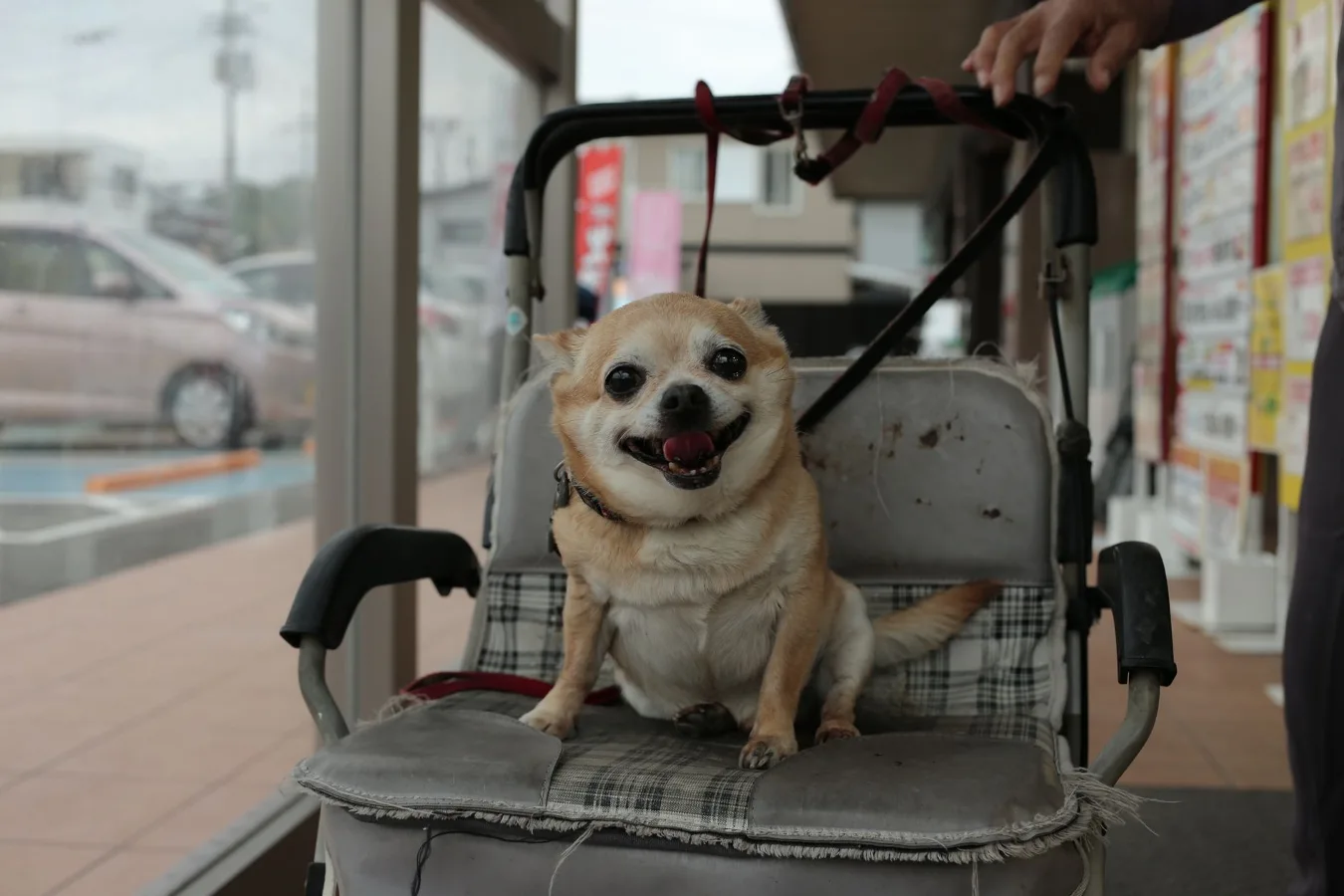
Dog car travel accessories are the products that make it easier to transport a dog safely, comfortably, and without turning your vehicle into a mess. The best setup usually combines protection for the car, proper restraint for the dog, and a few comfort items that match the length and style of your trips. luxury dog travel accessories offers more detail on this point.
For most buyers, the real question is not whether to buy dog travel gear, but which pieces actually solve the problems you have. A sedan used for errands calls for different accessories than an SUV used for long road trips, and a calm 12-pound companion needs a different setup than an energetic shepherd in the back seat.
Start with the job the gear needs to do
Dog car travel accessories fall into three practical categories: safety, cleanliness, and comfort. Many shoppers focus on only one of those, then discover the setup still feels incomplete. Children’s Travel Accessories: A Practical Guide offers more detail on this point.
If your dog rides in the back seat, you may need a seat cover plus a restraint system. If your dog travels in the cargo area, a liner and barrier may matter more than a hammock. If motion sickness, anxiety, or shedding are the biggest concerns, comfort and cleanability can be more valuable than flashy extras.
The most useful accessories usually solve one of these common problems:
- keeping the dog restrained during travel
- protecting seats, doors, and cargo floors from hair, drool, dirt, and claws
- reducing stress through better stability, airflow, and visibility
- making loading, unloading, and roadside stops easier
Safety should shape the rest of the decision
The most overlooked mistake is buying comfort gear first and treating restraint as an afterthought. A soft seat cover or plush booster seat may look appealing, but it does not replace secure travel practices.
For many dogs, a properly fitted harness that connects to a vehicle restraint is the first accessory to consider. A crash-tested product is often discussed in this category, but buyers should read labels carefully and understand what a brand actually claims. Not every harness or tether is designed for crash protection, and some are only meant to limit wandering during normal driving. what to consider before buying a dog barrier offers more detail on this point.
Crates and carriers can also be a strong option when they fit the dog, the vehicle, and the trip. A secure crate may be especially useful for dogs that panic, scratch at seats, or need a clearly defined space. The trade-off is bulk: a crate can reduce room for passengers and luggage, and it requires enough cargo space to fit safely.
Seat belt tethers are convenient, but they are not all equal. The length of the tether, the strength of the attachment point, and the quality of the harness all affect how useful the setup is. A tether that lets a dog roam too freely can become a distraction, while one that is too restrictive can be uncomfortable.
Choose protection based on where the dog rides
The right accessory often depends on the vehicle zone your dog uses most.
Back seat setups
Back seat use usually calls for a combination of a seat cover, a restraint, and sometimes a barrier between front and back seats. A hammock-style cover can help protect upholstery and reduce the chance of a dog slipping into the footwell. It can also create a more defined surface, which some dogs seem to settle on more easily.
The trade-off is access. Hammocks can make it harder for a person to sit beside the dog, and they may not suit dogs that prefer to lie stretched out. For those dogs, a flat seat protector or bench cover may be a better fit.
Cargo area setups
Dogs riding in an SUV or wagon cargo area often need a liner, a barrier, and some way to keep the space tidy. Cargo liners are especially useful for muddy paws, shedding, and travel gear that slides around. A barrier can help prevent the dog from climbing into the passenger area, which improves driver focus.
One common misconception is that cargo space automatically equals safety. A loose dog in the back of a vehicle can still shift around during braking or turns, so restraint and containment still matter.
Front-seat use
Front-seat travel should be approached carefully and is generally not ideal for dogs. If a dog must ride there for a short trip or due to a specific accommodation, the restraint and vehicle airbag considerations become especially important. This is an area where local rules, vehicle design, and the dog’s size all matter.
Look closely at materials and cleanability
Dog car travel accessories face a rougher life than many pet products. They deal with claws, saliva, fur, damp coats, and the occasional accident. That makes material choice a practical decision, not just a style one.
For covers and liners, buyers often look for waterproof or water-resistant materials, but the details matter. A product may resist surface moisture while still allowing liquid to soak through seams or stitch lines. Reinforced edges, full coverage, and easy removal can matter as much as the fabric itself.
For harnesses, check for padded contact points, sturdy hardware, and adjustable fit. For barriers, look at whether the frame feels secure in your specific vehicle rather than assuming a universal fit. For mats and liners, slip resistance can matter more than thickness if the goal is stability.
Cleanability is one of the biggest long-term value factors. Accessories that wipe down quickly or can be machine washed are usually easier to live with than products that trap hair in seams or take forever to reinstall.
Comfort features can help, but only when they fit the dog
Comfort accessories are worth considering, especially for anxious dogs, seniors, and longer trips. These may include booster seats for small dogs, padded inserts, travel beds, and no-slip surfaces that help a dog feel more anchored.
Booster seats are often attractive for small breeds because they improve visibility and can reduce sliding. The limitation is stability: if the seat is too shallow, too soft, or poorly anchored, the dog may feel less secure rather than more.
For larger dogs, a back seat extender can create a flatter surface and reduce the gap between seats. That can improve lounging space, but it also changes how the dog moves in the car, so the fit needs to work with the restraint method and the vehicle layout.
Comfort should never come at the expense of control. A plush accessory that encourages a dog to wander, stand, or brace awkwardly during turns may look inviting but work poorly in daily use.
Think about trips, not just products
The best dog car travel accessories depend on how often and how far you travel.
For short city errands: a seat cover and a simple restraint may be enough, especially if your dog is calm and your priority is keeping the car clean.
For weekend road trips: you may need a fuller setup with a cargo liner or hammock, a travel water bowl, waste bags, and a way to keep gear organized.
For frequent long-distance travel: comfort, access, and easy cleanup become more important. Dogs that travel often benefit from a consistent setup so the car feels predictable.
For dogs that shed heavily or track in dirt: prioritize surface protection and materials that are easy to shake out, vacuum, or wipe down.
For dogs that get anxious: stability and familiar bedding can matter more than decorative extras.
Useful accessories that often earn their place
Not every item needs to be a major purchase. Some accessories are modest additions that improve the whole experience.
- Seat covers or cargo liners to protect fabric, leather, and seams
- Harnesses or restraints to limit movement and improve travel control
- Barriers to separate the dog from the front cabin
- Travel bowls for water during stops
- Storage organizers for leashes, wipes, towels, and treats
- Ramps or steps for older dogs or taller vehicles
- Booster seats for small dogs that need a better perch
The overlooked consideration here is vehicle logistics. A product can be excellent on paper and still be irritating if it takes too long to install, interferes with child seats, blocks seat belts, or has to be removed every time a passenger rides along.
Common mistakes buyers make
Many disappointing purchases come from choosing based on appearance alone. A neat-looking hammock or a cute booster seat is not enough if the dimensions do not suit your car or the dog cannot settle in it.
Another frequent mistake is underestimating how much shedding, moisture, and dirt a product will absorb. A cover that looks durable in photos may still be frustrating if it is hard to clean or slides around every time the dog gets in.
Buyers also sometimes overbuy. A dog that takes occasional short rides may not need a complex multi-piece setup. In that case, a simple restraint and a wipeable cover may deliver the most value.
Finally, some shoppers overlook the dog’s behavior. A nervous dog may chew straps or scratch at barriers, while an energetic dog may try to climb between seats. Behavior should influence the product choice just as much as the vehicle type.
How to build a setup that actually works
A practical dog car travel setup usually starts with the ride location, then layers in protection and control. From there, you can add comfort pieces only if they solve a real problem.
- Decide where the dog will ride: back seat, cargo area, or another limited zone.
- Choose the restraint method first so movement is controlled.
- Add a surface protector that matches the space and is easy to clean.
- Consider comfort items only if the dog needs more stability, height, or cushioning.
- Check that every piece works together without blocking buckles, airbags, doors, or access points.
This approach keeps the purchase focused. It also helps prevent the most common waste: buying separate accessories that conflict with one another.
Alternatives worth considering
If you are unsure about a full accessory setup, there are simpler alternatives. A washable blanket can be a temporary surface layer for very short trips, though it will not stay in place as well as a fitted cover. A basic harness may be enough for dogs who already ride calmly and do not need a crate or booster. For some cargo-area travelers, a sturdy liner paired with a divider can cover the essentials without extra padding.
These simpler options are not ideal for every dog, but they can be the right starting point if you are still learning what your dog actually needs in the car.
Picking the right mix for your dog
The most reliable way to shop for dog car travel accessories is to match the gear to your dog’s size, behavior, and travel pattern. Small dogs often benefit from better elevation and a secure perch. Large dogs usually need more floor space, stronger containment, and tougher materials. Messy or active dogs need surfaces that clean easily and stay put.
If you are buying only one item first, start with the accessory that solves the biggest daily problem. For many owners that is a seat cover or cargo liner. For others it is a restraint system. For some, especially small or anxious dogs, it is a booster seat or a more stable resting surface.
Good dog car gear should make travel simpler, not more complicated. If an accessory is hard to install, hard to clean, or awkward for the dog to use, it may look helpful but fail in real life. The best setup is the one that fits the vehicle, fits the dog, and fits the way you actually travel.