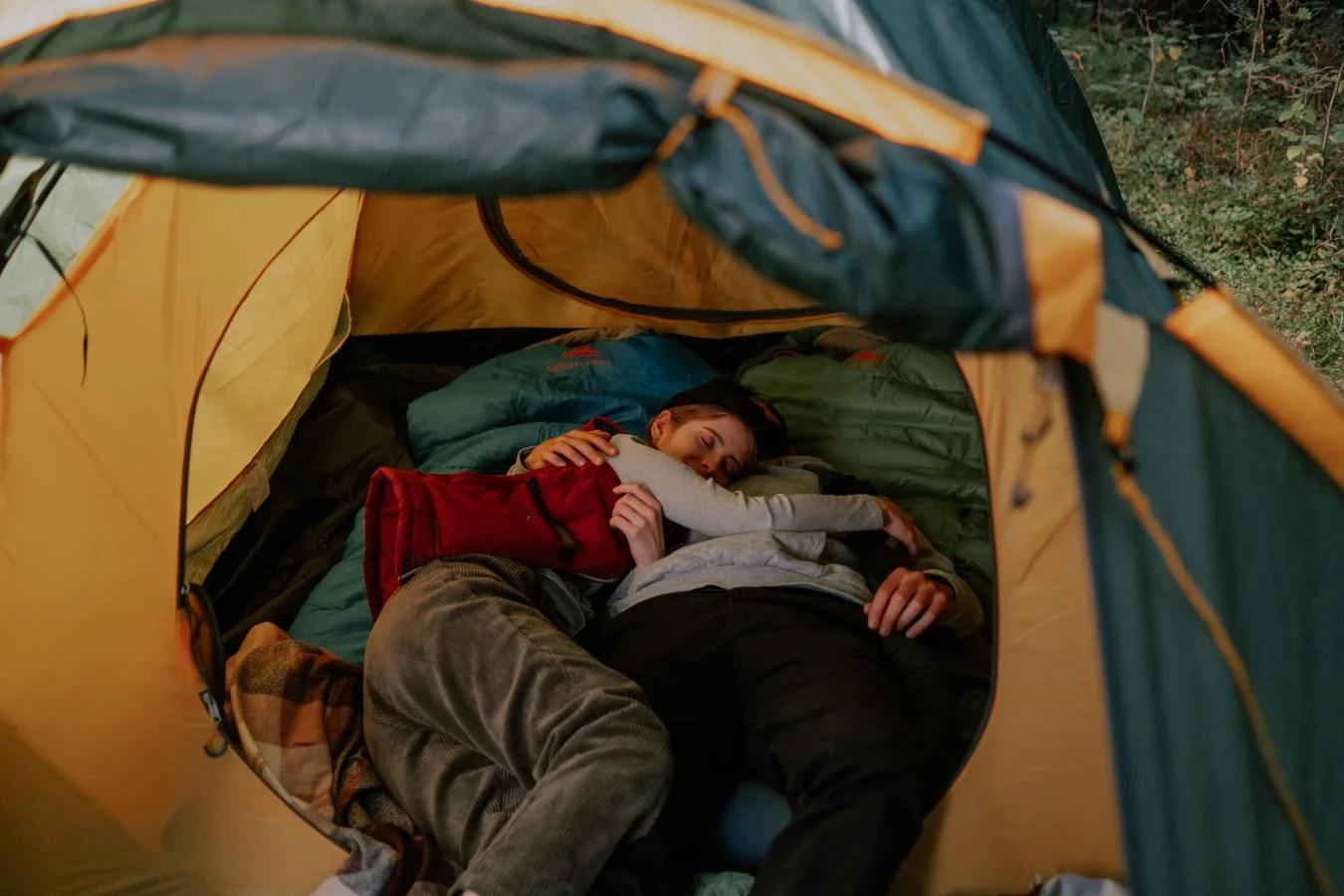
If you want a lightweight sleeping bag, the best choice is usually the one that cuts pack weight without sacrificing the warmth, shape, and comfort you actually need on the trail. For most buyers, that means balancing three things: insulation type, temperature rating, and packed size. mid cut vs low cut hiking boots offers more detail on this point.
Lightweight does not automatically mean better. A bag that is too minimal for your conditions can leave you cold, while a bag that is warmer than necessary can waste space and money. The right bag is the one that fits your trips, your sleep style, and the season you use it in most often.
When a lightweight sleeping bag matters most
A lighter bag makes the biggest difference when every ounce counts. Backpackers, thru-hikers, bikepackers, and travelers often care about keeping overall load low, especially if they are carrying a tent, pad, food, and water at the same time. A lighter sleeping bag can also make packing easier in a small backpack or duffel.
For car camping, weight matters less than comfort and roominess. In that setting, a heavier bag may be perfectly reasonable if it gives you more space to move around or a more relaxed sleeping setup. The same is true for short trips close to the trailhead, where comfort may matter more than shaving pack weight.
The real question is not whether the bag is light. It is whether the weight savings fit your trip style.
Step-by-step criteria for choosing the right bag
1. Start with your coldest realistic conditions
Temperature rating is the first filter because lightweight bags often achieve lower weight by using less insulation or more efficient materials. Pick a bag for the coldest conditions you genuinely expect, not the most extreme trip you can imagine. If you routinely camp in shoulder season, a summer-only bag will feel too limited.
Many buyers make the mistake of choosing for the calendar instead of the environment. Elevation, wind, humidity, and your own cold tolerance all affect how a bag performs. A mild night at a windy campsite can feel much colder than the forecast suggests.
2. Decide how much packed size matters
Weight and packed volume are related, but they are not identical. Some bags are light yet still bulky, especially if they use synthetic insulation. Others compress very well, which makes them easier to fit inside a smaller pack.
If you are trying to travel light, look at both the carried weight and the compressed size. A bag that stuffs down efficiently can free up room for food, layers, and a sleeping pad. That matters a lot on longer trips or in smaller packs.
3. Choose insulation based on weather and care preferences
Down insulation is often the first choice for lightweight sleeping bags because it usually offers an excellent warmth-to-weight ratio and compresses well. It is a strong option for dry conditions and for users who want the smallest packed size possible.
Synthetic insulation is usually more forgiving in damp conditions and is easier to manage if your gear gets wet. It often weighs more for the same warmth level and may take up more room, but it can be a practical choice for humid climates, unpredictable weather, or buyers who prefer simpler care.
The trade-off is straightforward: down tends to be lighter and more compressible, while synthetic tends to be more moisture tolerant and often easier to live with.
4. Match the shape to your sleep style
Sleeping bag shape has a bigger effect on comfort than many people expect. A mummy bag usually saves weight and improves thermal efficiency because it reduces empty space around your body. That makes it the common choice for lightweight backpacking.
A more relaxed cut or semi-rectangular shape can feel less restrictive, especially if you move around during sleep. The trade-off is that added room usually means added weight and more air inside the bag that needs to be warmed up.
If you dislike feeling confined, a slightly roomier design may be worth the extra ounces. If efficiency and packability matter more, a tapered bag is usually the smarter pick.
5. Check the hood, draft control, and zipper details
Small design features affect warmth and usability more than many shoppers realize. A good hood can reduce heat loss on colder nights. Draft tubes along the zipper help limit cold air leaks. A two-way zipper can improve ventilation when the temperature rises.
These details matter because a lightweight bag has less margin for error. If it leaks heat easily, you may end up layering clothing inside the bag more often, which can reduce comfort and flexibility.
6. Think about the rest of the sleep system
A sleeping bag does not work alone. Your sleeping pad, base layers, shelter, and campsite choice all affect how warm you feel. A lightweight bag paired with a poor pad can underperform, because insulation underneath you matters just as much as insulation above you.
This is an overlooked consideration. Some buyers focus entirely on the bag and ignore the pad, even though heat loss to the ground is a common reason people feel cold at night. If your pad is not suitable for the season, upgrading the bag alone may not solve the problem.
What the trade-offs really look like
Lightweight sleeping bags usually force a decision between warmth, durability, comfort, and packability. No bag maximizes all four. More delicate shell fabrics may reduce weight, but they can demand more careful handling. Higher-loft insulation can improve warmth but may increase cost. Roomier cuts improve comfort but often add bulk.
That does not make lightweight bags fragile or impractical. It just means the best option is the one that matches your priorities instead of trying to be everything at once.
| Feature | Lightweight-friendly choice | Typical trade-off |
|---|---|---|
| Insulation | Down | Better compressibility, more care in wet conditions |
| Shape | Mummy or tapered | Less room to move, better efficiency |
| Shell fabric | Thin, packable materials | May require gentler handling |
| Temperature range | Season-specific rating | Less versatile across extreme conditions |
| Fit | Close but not tight | More efficient warmth, less lounging comfort |
Examples of the right bag for different users
For weekend backpackers
If you take short trips on established trails, look for a lightweight sleeping bag that is easy to pack, quick to set up, and warm enough for the shoulder season you actually use most. A down mummy bag often makes sense here because it balances comfort and packability without much fuss.
For summer campers
Warm-weather users can often choose a lighter, less insulated bag or a compact summer model. The benefit is less bulk and more ventilation. The limitation is that these bags may be too narrow a fit for cool mornings or higher elevations.
For damp or variable climates
If moisture is a regular concern, a synthetic bag may be the safer practical choice even if it weighs more. That extra tolerance can matter if you camp in humid regions, deal with condensation, or want something a little less demanding to maintain.
For cold sleepers
If you tend to sleep cold, do not buy only by weight. Prioritize warmth first, then look for ways to save ounces elsewhere in your sleep system. A slightly heavier bag that keeps you comfortable can be more useful than an ultralight option that leaves you layering every night.
Common mistakes to avoid
- Buying too warm for the season: Extra insulation adds weight and bulk you may not need.
- Ignoring sleeping pad compatibility: Ground insulation affects real-world warmth more than many shoppers expect.
- Choosing by weight alone: Packability, fit, and insulation type matter just as much.
- Assuming all temperature ratings feel the same: Ratings help with comparison, but personal comfort varies.
- Overlooking storage care: Compressing a bag long-term can shorten loft, especially for down insulation.
A practical checklist before you buy
- Confirm the coldest conditions you expect to face.
- Decide whether packed size matters as much as weight.
- Choose down or synthetic based on weather and maintenance tolerance.
- Select a shape that fits how you sleep.
- Check zipper, hood, and draft features for warmth control.
- Make sure your sleeping pad supports the same season of use.
- Consider how much room you need for clothing layers inside the bag.
- Think about storage space at home as well as pack space on the trail.
Alternatives if a lightweight sleeping bag is not the best fit
A sleeping quilt can be a smart alternative for backpackers who want to save weight and do not mind a less enclosed design. It can feel less restrictive, but it also depends more heavily on a good sleeping pad and good layering habits.
A roomier bag may be better if comfort is your top priority. That is especially true for car camping, casual weekend trips, or travelers who dislike the snug feel of a mummy bag. In some cases, the best decision is not the lightest bag available, but the one you will actually sleep well in.
Lightweight sleeping bag FAQ
What is the best fill for a lightweight sleeping bag?
Down is usually the best choice if your main goal is reducing weight and packed size. Synthetic fill can be better if you expect damp conditions or want easier care.
Is a mummy bag always the lightest option?
Usually, yes, because the tapered shape reduces excess material and trapped air. But fit matters, and a slightly roomier design may be worth the extra weight if you sleep better in it.
Do I need a lightweight sleeping bag for car camping?
Not necessarily. Car camping gives you more flexibility, so comfort, roominess, and convenience may matter more than trail weight.
How important is the sleeping pad with a lightweight bag?
Very important. A good pad helps prevent heat loss to the ground, which can significantly affect how warm the bag feels in real use.
How should I store a lightweight sleeping bag at home?
Store it loosely rather than compressed whenever possible, especially if it uses down insulation. That helps protect loft and long-term performance.
The smartest way to buy
The best lightweight sleeping bag is not simply the one with the lowest number on the scale. It is the one that fits your season, your sleep style, and your tolerance for trade-offs. If you choose based on realistic temperatures, insulation type, shape, and packed size, you will end up with a bag that is easier to carry and more dependable to sleep in.
For most outdoor buyers, that balanced approach is better than chasing the lightest possible option. A well-chosen bag should make your load lighter without making your nights harder. Outdoor guide offers more detail on this point.