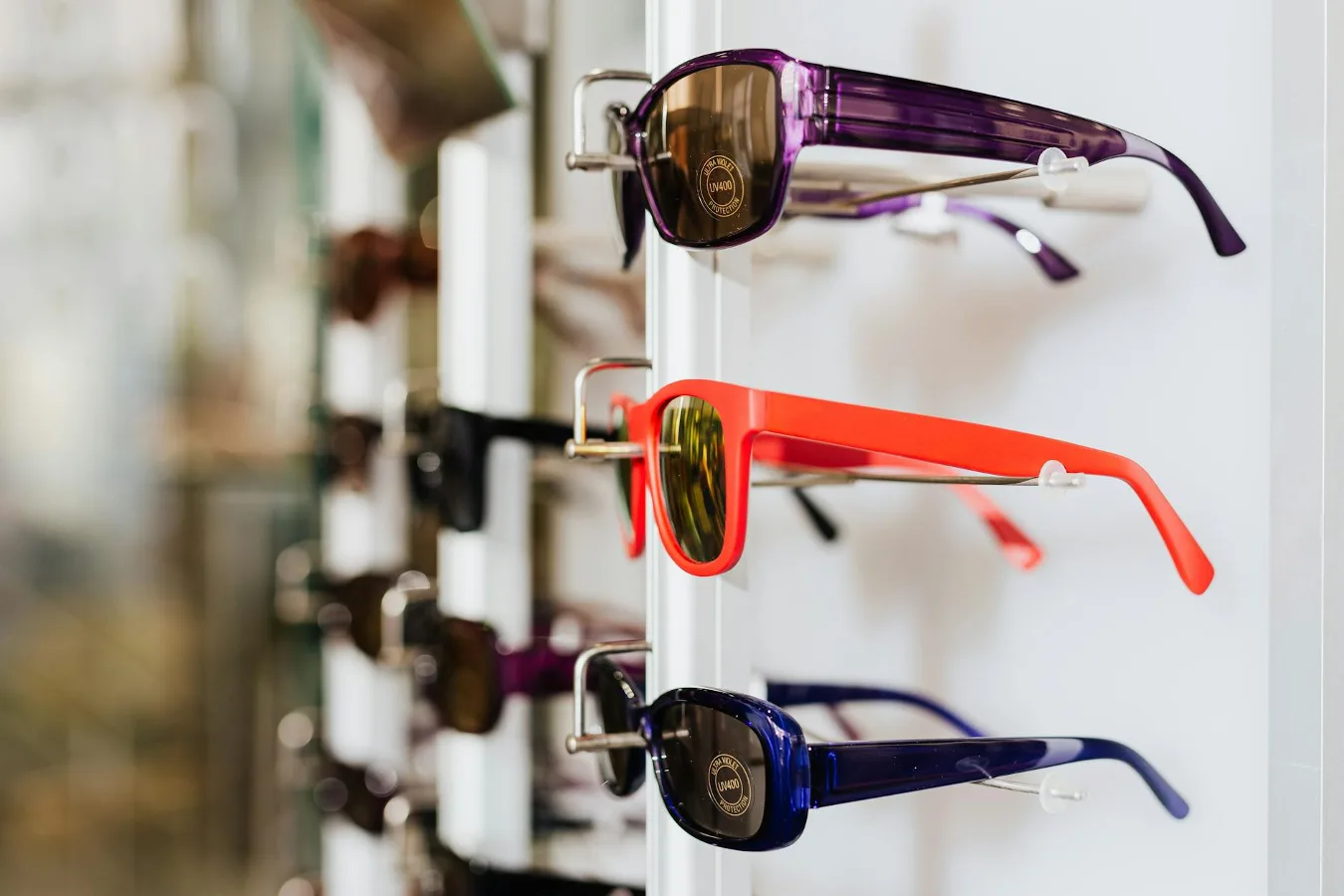
Why red sunglasses work for some buyers
Red sunglasses are a strong style choice because they do more than shade your eyes. They change the visual weight of an outfit, add contrast to neutral clothing, and can make simple looks feel intentional. If you are searching for red sunglasses, you are probably deciding between style impact and everyday usability. That is the real question to answer first. oval sunglasses offers more detail on this point.
The best pair depends on how bold you want them to look, how often you will wear them, and whether you need them for casual fashion, outdoor events, or travel. A red frame can be subtle or attention-grabbing depending on the shade, finish, and shape. Red lenses create a different effect from red frames, so those should not be treated as the same purchase.
Start with the use case, not the color
Before comparing styles, narrow down where the sunglasses will actually be worn. That decision affects comfort, lens type, and frame durability more than color alone.
Best for fashion-forward everyday wear
If you want red sunglasses as a regular accessory, look for a frame shape that feels easy to repeat with multiple outfits. A clean silhouette in acetate or lightweight metal usually wears better than an oversized novelty shape. The goal is to make the red feel deliberate rather than costume-like.
Best for special occasions or seasonal outfits
If the pair is mainly for events, vacations, concerts, or photos, you can lean harder into dramatic shapes, mirrored finishes, or deeper red tones. In that case, comfort still matters, but versatility matters less. A striking frame can be worth it if you will only wear it occasionally.
Best for outdoor use
If you plan to wear red sunglasses outside for long stretches, prioritize lens quality and fit over trend appeal. The frame should sit securely without pinching, and the lenses should suit your light conditions. Color alone should never replace practical sun protection.
The main trade-offs with red sunglasses
Red sunglasses offer personality, but that same strength can limit how often they work with an outfit. They are more distinctive than black, tortoiseshell, or clear frames, so they create a stronger style signal. That can be a benefit or a limitation depending on your wardrobe.
Style impact: Red frames instantly stand out, which makes them useful if you want accessories to carry the look. They can also make simple clothing feel more styled without adding extra layers or jewelry. Accessories guide offers more detail on this point.
Versatility: The stronger the red, the more selective you need to be about pairing. Bright cherry red tends to feel playful and graphic. Deeper burgundy or wine tones read more refined and are often easier to wear repeatedly.
Maintenance: Glossy red finishes may show fingerprints, smudges, and surface wear more visibly than darker neutral frames. If you like a polished look, be prepared to clean them often.
Occasion fit: A red frame can feel perfect for festivals or streetwear looks and less natural in conservative settings. That is not a flaw in the product; it is a context issue worth thinking through before buying.
Material and construction details that matter
Many shoppers focus on the color first and overlook the frame material. That is a mistake, because material affects comfort, durability, weight, and how the color actually appears in daylight.
Acetate frames
Acetate is a common choice for fashion sunglasses because it supports rich color and visible depth. Red acetate frames often look saturated and polished. They can feel substantial and stylish, though the exact weight depends on the design. If you want red sunglasses with a more premium fashion feel, acetate is often worth considering.
Metal frames
Metal frames can make red sunglasses feel lighter and more refined. They are a good option if you prefer a slimmer profile or want the color to appear in accents rather than as a full block. Some metal frames use red coating or enamel details, which can create a cleaner, less saturated effect.
Plastic and mixed-material frames
Plastic frames can deliver bright red color at a lower visual cost, but the quality varies widely. Mixed-material frames may combine metal arms with a colored front, which can improve balance and wearability. If you see a style that looks good but feels heavy, check whether the material choice is part of the problem.
Finishes and color depth
Red is not one look. Matte finishes read more understated, while glossy finishes feel sharper and more fashion-driven. Translucent red frames can soften the effect and work especially well if you want color without a heavy block on the face. Opaque red frames create a stronger statement and usually dominate the styling more.
Lens factors that should not be ignored
For sunglasses, the lens matters as much as the frame. That is especially true when the frame color is already doing a lot visually. Red-tinted lenses and red frames produce different effects, and buyers sometimes confuse them.
UV protection: This should be a baseline requirement for any sunglasses you plan to wear outdoors. Lens color does not automatically mean protection. Look for clear product details about UV coverage rather than assuming that a dark or tinted lens is enough.
Polarization: Polarized lenses can help reduce glare from reflective surfaces like water, roads, or car windows. They are useful for many outdoor settings, but they are not necessary for every buyer. Some screens and displays can also appear different through polarized lenses, which is worth remembering if you wear sunglasses while driving or using digital devices outside.
Lens tint: Red or rose-tinted lenses create a warmer visual effect and can slightly change how colors appear. That is part of the appeal for some buyers, but it can also make them less suitable if you want a neutral view of the world. If visual clarity in mixed lighting matters, keep the tint moderate.
Mirror coatings: Mirror finishes add more personality and can increase the fashion impact of red sunglasses. They may also make the lenses feel more specialized, which is great for style but less ideal if you want one pair for everything.
How to choose a shape that feels intentional
The frame shape can either calm down the color or amplify it. Red sunglasses often look best when the shape and shade support the same style direction.
- Round frames soften the intensity of red and can feel retro or artistic.
- Cat-eye frames emphasize the fashion side of the color and work well for statement looks.
- Aviator shapes balance bold color with a familiar silhouette, which can make red easier to wear.
- Square and rectangular frames create stronger definition and feel more modern or structured.
- Oversized frames maximize visual impact, but they require careful fit so they do not overwhelm the face.
Face shape matters, but not in a rigid way. Think of it as a balance tool. A bold red frame on a strong geometric shape can look deliberate, while a softer shape can make the same red feel more relaxed. The most wearable pair is usually the one that matches both your taste and your wardrobe habits.
Color nuance: not all red sunglasses read the same
One overlooked consideration is that red frames can look very different indoors and outdoors. Under indoor lighting, a bright red may feel playful or even neon-like. In daylight, the same frame may appear deeper or more vivid. That means the color you see online may not fully describe how the sunglasses will feel in real life.
Use the shade to guide the mood you want:
- Bright red feels bold, youthful, and high-contrast.
- Cherry red is lively and fashion-forward without always feeling extreme.
- Burgundy or wine feels richer and usually easier to pair with tailored outfits.
- Translucent red softens the statement and can look more wearable across seasons.
If your wardrobe leans neutral, a deeper red may give you more mileage. If you wear lots of black, white, denim, or sporty basics, a bright red frame can work as the accent piece.
Common mistakes buyers make
People often choose red sunglasses for the look and ignore the practical details that determine whether they will actually wear them. These are the most common missteps.
- Choosing color without checking fit: A stylish frame that slides down your nose or pinches at the temples will not get worn often.
- Assuming all dark lenses provide the same protection: Lens darkness is not the same as reliable sun protection.
- Picking a very trendy shape that clashes with the rest of the wardrobe: If the frame only works with one outfit, it becomes an occasional accessory rather than a useful one.
- Overlooking finish quality: Cheap-looking red coatings or uneven edges can make the whole pair feel less polished.
- Buying a color that is too saturated for the intended setting: Extremely bright frames may be perfect for photos but awkward for daily errands or work-adjacent wear.
How to style red sunglasses without making them feel overdone
Red sunglasses are easiest to wear when the rest of the outfit gives them room to stand out. That does not mean everything else has to be plain, but it does help to avoid competing color stories.
Neutral clothing is the simplest route. Black, white, gray, navy, denim, and beige all let red sunglasses become the focal point. If you want a more coordinated look, echo the red in a small detail such as lipstick, a bag accent, or a shoe detail rather than repeating it everywhere.
For a more fashion-driven approach, pair red sunglasses with similarly confident textures and shapes. A structured jacket, a crisp shirt, or a clean monochrome outfit can make the frame look intentional instead of random. With streetwear, red frames often work best when the rest of the outfit has enough balance to absorb the color.
One practical nuance: red sunglasses can compete with already saturated makeup or print-heavy outfits. If you wear strong eyeshadow, bold prints, or multiple high-contrast accessories, the sunglasses may disappear into the overall look. In that case, a deeper red or a slimmer frame may be easier to integrate.
When a different color may be the better choice
Red sunglasses are not the best answer for every buyer. If you need one pair that works with nearly everything, black, tortoiseshell, brown, or clear frames will be more flexible. If you want a softer style statement, rose, burgundy, or translucent neutrals may be easier to wear without losing personality.
If your priority is utility over style, focus on lens quality, comfort, and shape first, then choose the most restrained frame color that meets your taste. Red is a strong choice when you want the accessory itself to matter. If you want the sunglasses to disappear into your wardrobe, a quieter color is usually smarter.
What to do next before you buy
Before choosing a pair of red sunglasses, compare three things side by side: the frame shape, the frame material, and the lens features. That will tell you far more than color alone.
Ask yourself a few practical questions:
- Will I wear these mostly for fashion, or for outdoor function too?
- Do I want a bold statement or a more subdued red?
- Will this frame work with the clothes I wear most often?
- Does the shape suit the level of contrast I want on my face?
- Are the lenses appropriate for the conditions I expect?
If you are still undecided, start with the most wearable version of the trend: a medium-depth red frame, a familiar silhouette like aviator or square, and lenses that provide the protection and comfort you actually need. That combination usually offers the best balance of style, versatility, and long-term usefulness.
Red sunglasses can be a smart accessory purchase when you treat them as both a design choice and a wearing decision. The right pair should suit your routine, not just catch your eye in a product photo.