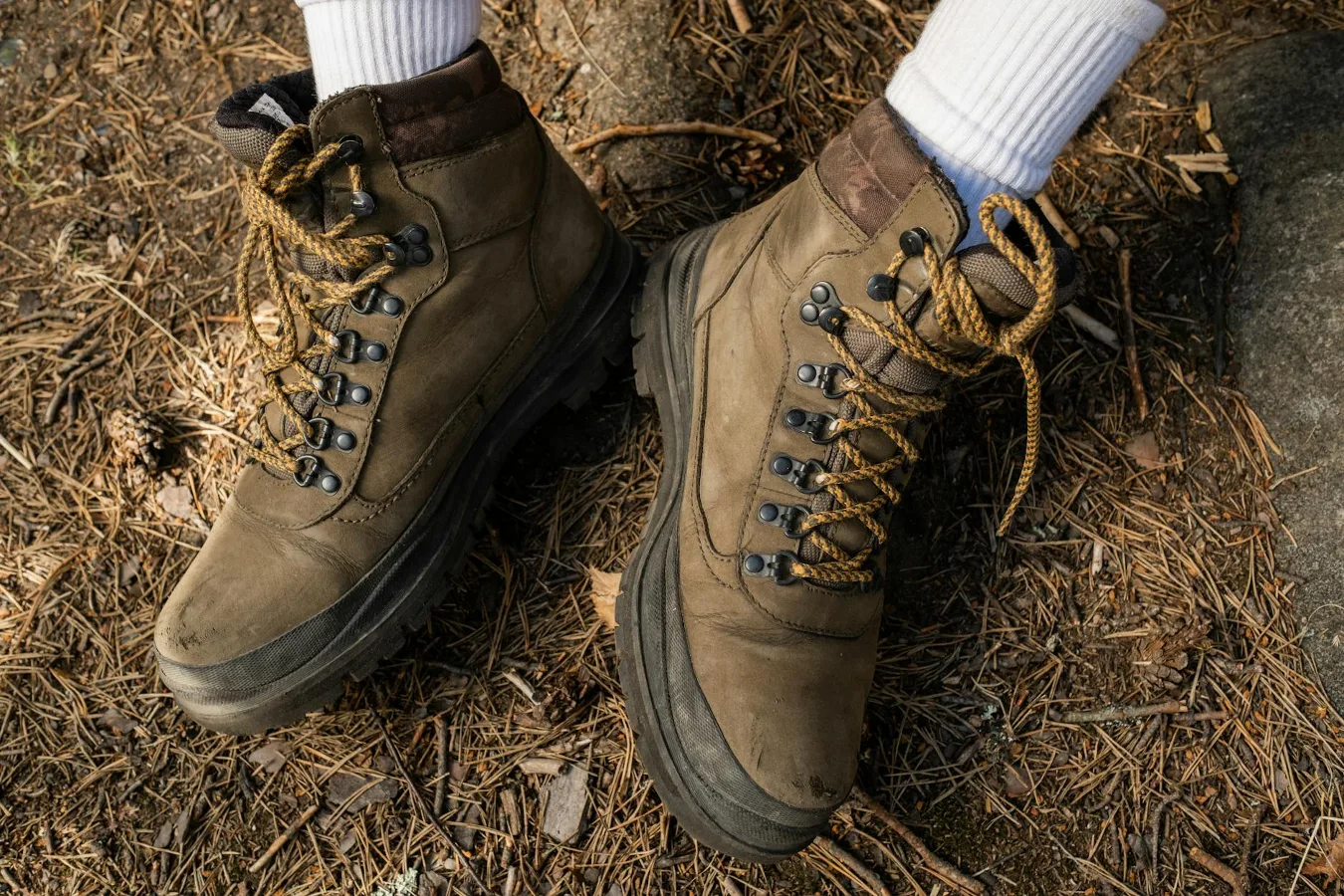
If you are searching for Heliot Emil hiking boots, you are probably not looking for a pure technical mountaineering boot. You are likely looking for boots that bring together outdoor-inspired function, sculptural design, and everyday wearability. That distinction matters. Heliot Emil is best approached as a fashion-forward footwear choice with rugged cues, not as a replacement for dedicated trail footwear. how to choose outdoor boots offers more detail on this point.
The right question is not simply whether the boots look good. It is whether they match your use case: city wear, light outdoor use, travel, or style-driven outfits that benefit from a toughened silhouette. If you want true hiking performance, a traditional hiking brand may be a better fit. If you want a sharper, more directional boot that can handle daily wear and occasional rough conditions, Heliot Emil may be worth considering.
Quick answer
Heliot Emil hiking boots are best for buyers who want an outdoor-inspired look with premium fashion appeal. They make the most sense for streetwear, casual wear, travel, and light-duty use where style matters as much as practicality. They are not the safest choice if your main goal is technical hiking, wet-trail reliability, or long-mile comfort on uneven terrain.
Before buying, focus on four things: fit, sole design, upper material, and how often you plan to wear them. Those factors usually matter more than the label on the boot. Down Sleeping Bag Guide: How to Choose offers more detail on this point. dog sleeping bag offers more detail on this point.
How to judge Heliot Emil hiking boots
Because this category sits between fashion and function, the evaluation is a little different from a standard hiking boot review. A buyer guide for Heliot Emil should consider both practical performance and design intent. The most useful comparison points are below.
1. Fit and silhouette
Fit is the first thing to understand, especially with designer footwear. A boot can look substantial but still feel narrow, stiff, or unusually shaped on foot. Heliot Emil footwear often appeals to buyers who want a structured silhouette, so the shape may feel more fashion-led than trail-led.
Think about toe room, heel hold, and whether you prefer a closer or roomier fit. Boots that are too tight in the forefoot can become uncomfortable quickly, especially if you wear thicker socks. Boots that are too loose can rub at the heel and create instability. If you are between sizes, it is worth checking the brand’s size guidance carefully rather than assuming your usual sneaker size will work.
2. Upper materials
The upper material affects comfort, durability, weather resistance, and how the boot ages. In this category, buyers often see leather, coated materials, textile blends, or mixed constructions. Each has trade-offs.
- Leather can offer a more premium feel and better structure, but it usually needs care and may require break-in time.
- Synthetic or coated uppers can be easier to maintain and may feel more weather-friendly, but breathability can vary.
- Textile blends can reduce weight and soften the overall feel, though they may be less protective in harsh conditions.
If your priority is everyday wear, easier maintenance may matter more than maximum abrasion resistance. If you want a boot that keeps its shape and looks refined over time, material quality becomes more important.
3. Sole and traction
A hiking-inspired boot should have a sole that suits the conditions you expect to face. The key questions are simple: does the outsole look capable of gripping varied surfaces, and does the tread pattern suit city sidewalks, light trails, or slick weather?
For many fashion-focused boots, the sole offers visual ruggedness first and technical traction second. That is not a flaw if you understand the purpose. It just means you should be realistic about where the boot will perform best. If you plan to walk on wet rocks, muddy paths, or steep terrain, you should compare these boots with purpose-built trail footwear.
4. Support and comfort
Comfort is often more nuanced than buyers expect. A boot can feel padded at first try-on and still become tiring after a day of wear. Pay attention to ankle support, flex at the forefoot, and how the collar sits against your leg. A stiffer boot can feel secure, but it can also demand more break-in time.
One common misconception is that a heavy-looking boot automatically provides better support. In practice, support comes from structure, fit, and sole behavior working together. A poorly fitting boot with a thick sole may still feel unstable.
5. Weather suitability
If you expect rain, slush, or cold weather, check the construction carefully. A boot may look rugged while offering limited protection against moisture. Water resistance, seam construction, and tongue design all influence how well a boot handles wet conditions.
For buyers in the United States, climate matters a lot. A boot that works well for dry urban winters in the Northeast may not be the same boot you want for rainy Pacific Northwest conditions or variable mountain weather. Think about your local environment rather than treating the category as universally weather-ready.
Heliot Emil hiking boots vs traditional hiking boots
The most useful comparison is not between different fashion boots, but between Heliot Emil and a standard hiking boot. They may share a chunky profile, but their priorities are usually different.
| Factor | Heliot Emil hiking boots | Traditional hiking boots |
|---|---|---|
| Primary goal | Style with outdoor influence | Trail performance and protection |
| Best use case | Casual wear, travel, urban outfits | Hiking, rough terrain, longer outdoor use |
| Comfort expectation | Fashion-led fit with mixed comfort levels | Engineered for repeated outdoor use |
| Traction | May be suitable for everyday surfaces | Designed for variable trail conditions |
| Weather readiness | Depends on the construction | Usually more purpose-built |
| Style flexibility | High | Lower, more utilitarian |
This does not mean one is better than the other. It means each serves a different buyer. If you want a boot to wear with tailored outerwear, technical cargo pants, or monochrome streetwear, the Heliot Emil approach makes sense. If you need dependable traction and all-day trail stability, prioritize performance first.
Who these boots are for
Heliot Emil hiking boots are a strong fit for buyers who value design language and want footwear that can bridge multiple wardrobes. They may appeal to:
- streetwear-focused shoppers who like utilitarian silhouettes
- buyers seeking a rugged boot for city wear
- travelers who want one boot that works across casual outfits
- fashion buyers who prefer sculptural, directional footwear
- people who need light-duty outdoor versatility rather than technical hiking performance
They are less suitable for buyers who need true hiking functionality, high breathability for strenuous activity, or boots that will be used frequently on challenging terrain.
Common mistakes to avoid
Fashion-forward hiking boots are easy to misread. The shape suggests performance, but the use case may be much narrower. A few buying mistakes show up repeatedly.
Choosing them for serious hiking by default
The biggest mistake is assuming any boot with a rugged profile can replace a trail boot. Heliot Emil hiking boots may look capable, but appearance is not the same as trail engineering. If your outings involve mud, steep ascents, long descents, or unpredictable weather, do not rely on styling alone.
Ignoring weight and stiffness
Chunky boots can feel impressive in hand and less enjoyable after hours on foot. Weight, sole stiffness, and upper rigidity influence fatigue. If you plan to wear them all day, think beyond the first five minutes of comfort.
Overlooking maintenance
Depending on the materials, designer boots may require more care than buyers expect. Leather may need conditioning. Coated surfaces may need gentle cleaning. Light-colored finishes can show wear quickly. Maintenance affects how the boots look over time, especially if you wear them often.
Prioritizing style so heavily that fit becomes an afterthought
With statement boots, it is tempting to focus only on the silhouette. That is a mistake. A boot that fits poorly will limit how often you wear it, no matter how good it looks. Fit should come before aesthetic preference, not after it.
Assuming weather protection is built in
Another common misconception is that a hiking-style boot is automatically weatherproof. Some may handle damp conditions well enough for everyday use, but that is not the same as dependable waterproofing or serious insulation. Check construction details and avoid assuming capabilities from looks alone.
Practical alternatives to consider
If you like the Heliot Emil aesthetic but want to compare options, it helps to separate style needs from performance needs.
- Traditional hiking brands make more sense if trail function is the priority.
- Fashion boots with lug soles may offer a similar visual effect with more emphasis on outfit versatility.
- Combat-inspired boots can deliver a similar rugged mood with different comfort and weight characteristics.
- Hybrid outdoor-lifestyle footwear may work better if you want a middle ground between city wear and occasional outdoor use.
A useful shopping approach is to compare the boot against both a dedicated hiking option and a fashion boot. That comparison reveals whether you are paying for performance, design, or a combination of both.
How to decide if they are worth buying
The best way to evaluate Heliot Emil hiking boots is to match the boot to your real routine. Ask yourself:
- Will I wear these mostly in the city or on trails?
- Do I want a statement piece or a performance tool?
- How much weight and stiffness am I willing to tolerate?
- Do I need easy maintenance or a premium material finish?
- Will I wear them with streetwear, outerwear, or more refined casual clothes?
If the answer leans toward styling, everyday versatility, and design, they can be a smart addition. If the answer leans toward technical use, comfort over long miles, or weather protection, you should keep comparing.
Care and longevity considerations
One overlooked consideration is how quickly a fashion-led boot can start to look tired if it is worn hard without proper care. Scuffs, salt stains, and creasing are normal on many boots, but the pace and visibility of wear depend on the finish.
To help a boot last longer, clean it according to the material, let it dry naturally, and store it away from prolonged moisture or heat. If the boot has a leather upper, conditioning may help maintain flexibility. If it uses mixed materials, use gentler cleaning methods to avoid damaging coatings or surface texture.
Good care will not turn a fashion boot into a trail boot, but it can protect your investment and keep the silhouette looking intentional.
FAQ
Are Heliot Emil hiking boots good for real hiking?
They may work for light outdoor use, but they should not be assumed to match the performance of dedicated hiking boots. If hiking is the main purpose, compare them carefully with trail-specific footwear.
Do Heliot Emil hiking boots run true to size?
That can vary by model and construction, so it is best to check the brand’s sizing guidance and consider whether you plan to wear thicker socks. Designer boots often fit differently from athletic shoes.
Are they comfortable for everyday wear?
They can be, especially if the fit suits your foot shape and you want a more structured boot. Comfort depends on weight, stiffness, and how well the boot matches your daily walking pattern.
What should I compare before buying?
Focus on fit, material, sole traction, weather suitability, and how often you will wear them. Those factors matter more than the boot’s visual resemblance to hiking footwear.
Are there better alternatives for outdoor use?
Yes. If you need stronger traction, more support, or better weather performance, a traditional hiking boot or a hybrid outdoor shoe may be a better choice.
Heliot Emil hiking boots make the most sense when you want a refined, rugged look that can move between outfits and settings. Treat them as a style-driven hybrid, compare them against the demands of your real routine, and you will be much more likely to choose the right pair.