Quick answer: what to know about cushion cut diamond engagement rings
Cushion cut diamond engagement rings are a strong choice if you want a shape that feels soft, romantic, and recognizable without looking overly sharp or modern. The cushion cut blends a square or rectangular outline with rounded corners, which gives it a vintage-friendly look and a distinctive kind of sparkle. Round Engagement Rings: Buyer’s Guide offers more detail on this point.
For many shoppers, the appeal is balance: cushion cuts can look classic in a solitaire, more decorative in a halo, and especially elegant in three-stone settings. The trade-off is that cushion cuts vary a lot in appearance. Two diamonds with the same basic shape can look noticeably different depending on faceting style, length-to-width ratio, depth, and how the setting frames the stone.
If you are comparing cushion cut engagement rings for a real purchase, the main question is not just whether you like the shape. It is whether the specific diamond has the kind of face-up appearance, sparkle pattern, and setting compatibility you want.
Why cushion cuts remain so popular
Cushion cuts sit in an interesting middle ground. They feel softer than princess cuts, less symmetrical than rounds, and less elongated than ovals or radiants. That makes them versatile for people who want a diamond shape with personality but not one that feels trend-driven.
Another reason they stay relevant is their flexibility. Cushion cuts can work in minimal designs, antique-inspired halos, East-West orientations, and side-stone rings. They also pair well with many metal choices, from platinum to yellow gold to rose gold, depending on whether you want the ring to feel crisp, warm, or vintage-inspired.
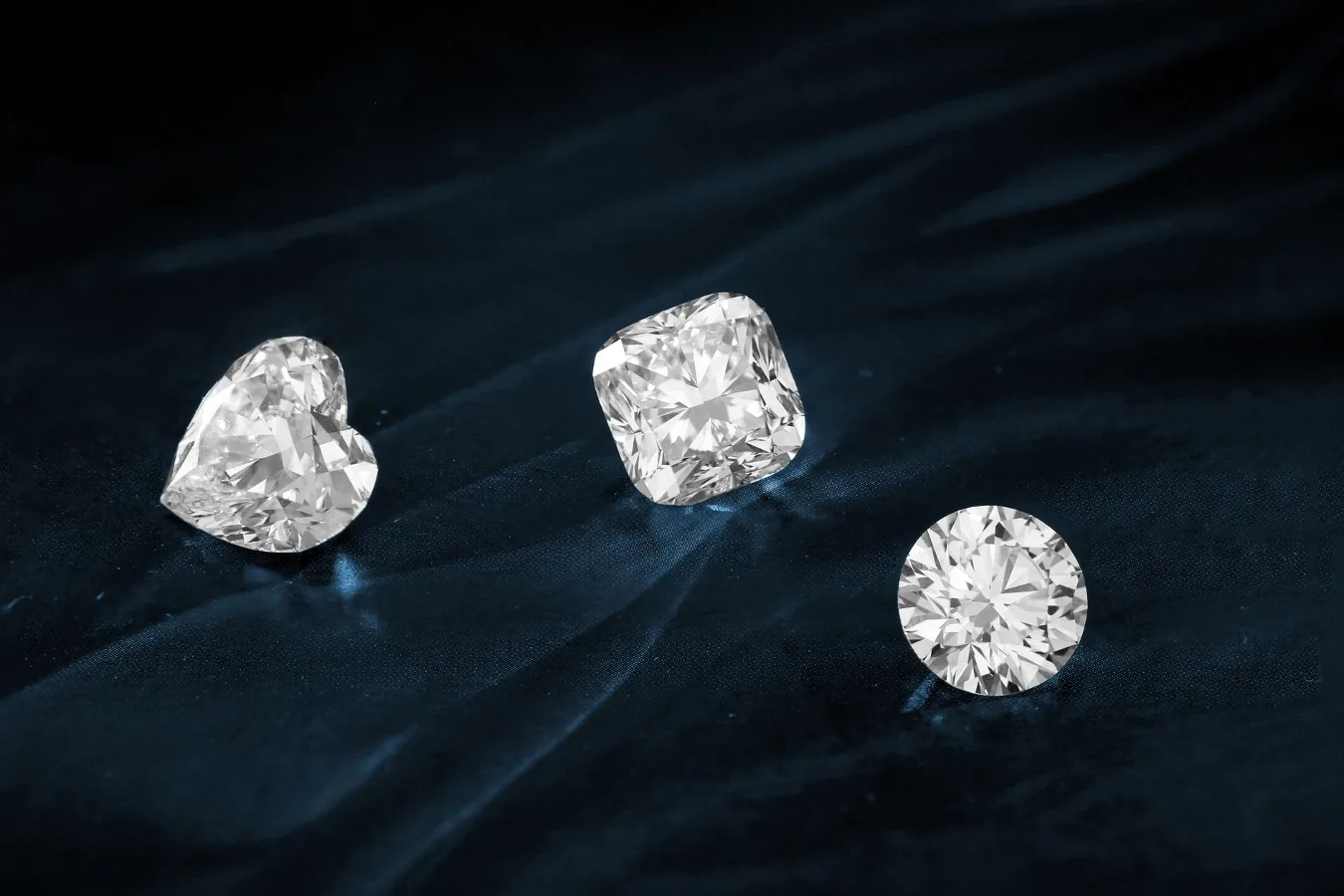
One overlooked point: cushion cut is not a single visual style. Some cushion diamonds have a more traditional, pillow-like shape with a softer sparkle pattern. Others are cut to emphasize brilliance and may flash more like a modified round. That difference matters more than many first-time buyers expect.
How to compare cushion cut diamonds wisely
To judge cushion cut engagement rings well, focus on the characteristics that affect how the diamond looks on the hand, not just the headline details on the grading report.
Shape outline
Cushion cuts are usually described as square or rectangular with rounded corners. A square cushion often feels more compact and symmetrical, while an elongated cushion can create a slimmer visual profile and make the finger appear longer. Neither is universally better; the right choice depends on your style preference and how much coverage you want across the finger.
Shape also affects how the ring reads at a glance. A squarer cushion can feel more antique and substantial, while an elongated cushion may look more refined and modern. If you are shopping online, compare the diamond’s length-to-width impression visually rather than relying on labels alone.
Faceting style
Faceting changes how the stone handles light. Cushion brilliant cuts are often chosen for lively sparkle, while modified cushion cuts can show a different pattern with more segmented flashes. Some buyers prefer a classic, softer glow; others want more distinct scintillation. The key is to look for the visual effect you actually enjoy.
This is one reason cushion cuts deserve more attention than shapes with more standardized face-up behavior. A setting photo alone cannot tell you how the diamond will perform. If you are buying remotely, ask for clear images or videos that show the diamond in different lighting.
Face-up size and depth
Two cushion diamonds can have the same carat weight and still look different in size once set. Depth, shape outline, and how much of the weight sits below the girdle all influence face-up presence. A deeper stone may carry more weight beneath the surface, while a shallower one can appear larger from above.
This is a practical place where shoppers sometimes get misled by carat weight alone. Carat is only part of the visual story. If finger coverage matters to you, look closely at proportions and the actual silhouette in relation to the setting.
Color and clarity
Cushion cuts can show color differently depending on the cut style and setting. Some buyers prefer a warmer look in yellow gold or rose gold, while others want a brighter appearance in white metals. Clarity matters too, but the real question is whether inclusions are visible to the eye in the chosen stone and whether they interfere with the look of the diamond.
A common mistake is over-focusing on grading labels while ignoring what the stone looks like in normal viewing conditions. For a cushion cut, visual harmony matters as much as report details.
Setting choices that change the whole ring
The setting can make a cushion cut look delicate, bold, antique, or contemporary. Because the shape is so adaptable, the setting often determines the personality of the ring more than the diamond alone.
- Solitaire: Clean and timeless. Best if you want the cushion shape to be the focus.
- Halo: Adds presence and can amplify sparkle and apparent size. A good option if you want a more ornate look.
- Three-stone: Balances the center diamond with side stones and creates a more substantial profile.
- Hidden halo: Adds detail from the side without changing the top view as much.
- Vintage-inspired setting: Complements the cushion cut’s softer edges and can enhance a romantic feel.
Setting height also matters. A higher setting can showcase the stone more dramatically but may be less practical for everyday wear. A lower profile can feel sturdier and easier to live with, especially if the wearer works with their hands often.
Another real-world constraint is ring stacking. Some cushion settings sit flush with wedding bands more easily than others. If you plan to wear a band beside the engagement ring, check how the center setting and side design affect that fit. how to choose an engagement ring setting offers more detail on this point.
Common mistakes to avoid when shopping
Cushion cuts reward careful shopping. The shape is forgiving in some ways, but that same variability creates opportunities for mistakes if you rush the decision.
Choosing by carat alone
Carat weight is easy to compare, but it does not tell you how the diamond will look once it is mounted. A cushion cut with good spread may appear more substantial than a heavier stone with a deeper profile. Always judge the face-up look, not just the number.
Ignoring the actual shape ratio
Many shoppers assume all cushions are roughly the same. They are not. A square cushion and an elongated cushion can feel like completely different design choices. If you want a softer, compact look, elongated stones may not be ideal. If you want a longer visual line, a square cushion may feel too contained.
Overlooking the sparkle pattern
Some people fall in love with the outline and only later realize the faceting pattern is not what they imagined. This is especially important with modified cushion cuts, which can look very different from more traditional cushion brilliants. If sparkle style matters to you, do not skip visual comparison.
Forgetting about the wedding band
A ring can look perfect as a standalone piece and still feel awkward next to a band. This is a practical issue that often gets missed during online shopping. The center setting, prong style, and shank shape can all affect whether the rings sit neatly together.
Assuming every cushion cut suits every hand equally
Hand shape, finger length, and personal style all influence how a cushion cut reads on the hand. A larger, squarer cushion may feel bold on a petite finger, while an elongated version can create a more streamlined effect. Try to think in terms of visual balance rather than universal rules.
Who cushion cut diamond rings suit best
Cushion cut diamond engagement rings are a good fit for buyers who want a shape that feels soft but still substantial. They are often appealing to people who like classic styling with a slightly romantic edge.
They can also be a smart choice if you prefer a ring that does not look overly minimal. A cushion cut has enough character to stand on its own in a solitaire, yet it can also handle decorative details without feeling crowded.
By contrast, they may be less suitable for someone who wants the crisp geometry of an emerald or princess cut, or someone who prefers a very defined, mirror-like look. Cushion cuts lean toward softness and warmth, not sharp precision.
Alternatives worth considering
If you like cushion cuts but are still deciding, it helps to compare them with other shapes that solve slightly different style goals.
- Round brilliant: Usually the most straightforward choice for maximum familiarity and a very classic sparkle pattern.
- Oval: Similar to cushion cuts in softness, but with a more elongated silhouette and a different visual flow.
- Radiant: A rectangular option with more angular edges and a different type of sparkle character.
- Princess cut: Squared and contemporary, with sharper corners and a more geometric feel.
- Asscher cut: More structured and step-cut in appearance, for buyers who want a more architectural look.
The best alternative depends on whether your priority is softness, sparkle, finger coverage, or a more modern edge. Cushion cuts usually win when you want a romantic shape that still feels adaptable across many settings.
Practical buying checklist
Before choosing a cushion cut engagement ring, use a simple checklist to keep the decision grounded in how the ring will actually look and wear.
- Decide whether you prefer a square or elongated outline.
- Compare the visual sparkle style, not just the grading details.
- Check how the setting changes the diamond’s presence and profile.
- Think about how the ring will pair with a wedding band.
- Choose a metal color that complements the stone and the wearer’s style.
- Look for a diamond that looks balanced face-up, not just one with a strong carat number.
- Consider daily wear needs if the ring will be worn often.
That last point matters more than people sometimes expect. A beautiful ring that constantly catches on clothing, feels too high on the hand, or does not stack well can become frustrating over time. Comfort and practicality are part of value.
How to think about value without overcomplicating it
With cushion cut diamond engagement rings, value is usually about how well the design matches the wearer’s priorities. A diamond with a perfect label profile but the wrong shape ratio or sparkle pattern may feel disappointing in real life. A slightly less formal-looking stone that has the right presence and character can be the better buy.
That is the real advantage of cushion cuts: they allow room for personal preference. The shape is flexible enough to suit classic, vintage, and modern tastes, but that flexibility also means you should compare stones carefully instead of assuming they are interchangeable.
If you are shopping for someone else, the safest route is to focus on the style cues they already wear: soft or structured, ornate or minimal, compact or elongated. Cushion cuts are broad enough to fit many aesthetics, but not every cushion cut fits every person.
For more general ring research, it can also help to explore diamond shape comparison guides, setting style guides, and bridal ring buying guides so you can judge the cushion cut in the context of the full ring, not just the center stone. diamond shape comparison guide offers more detail on this point.