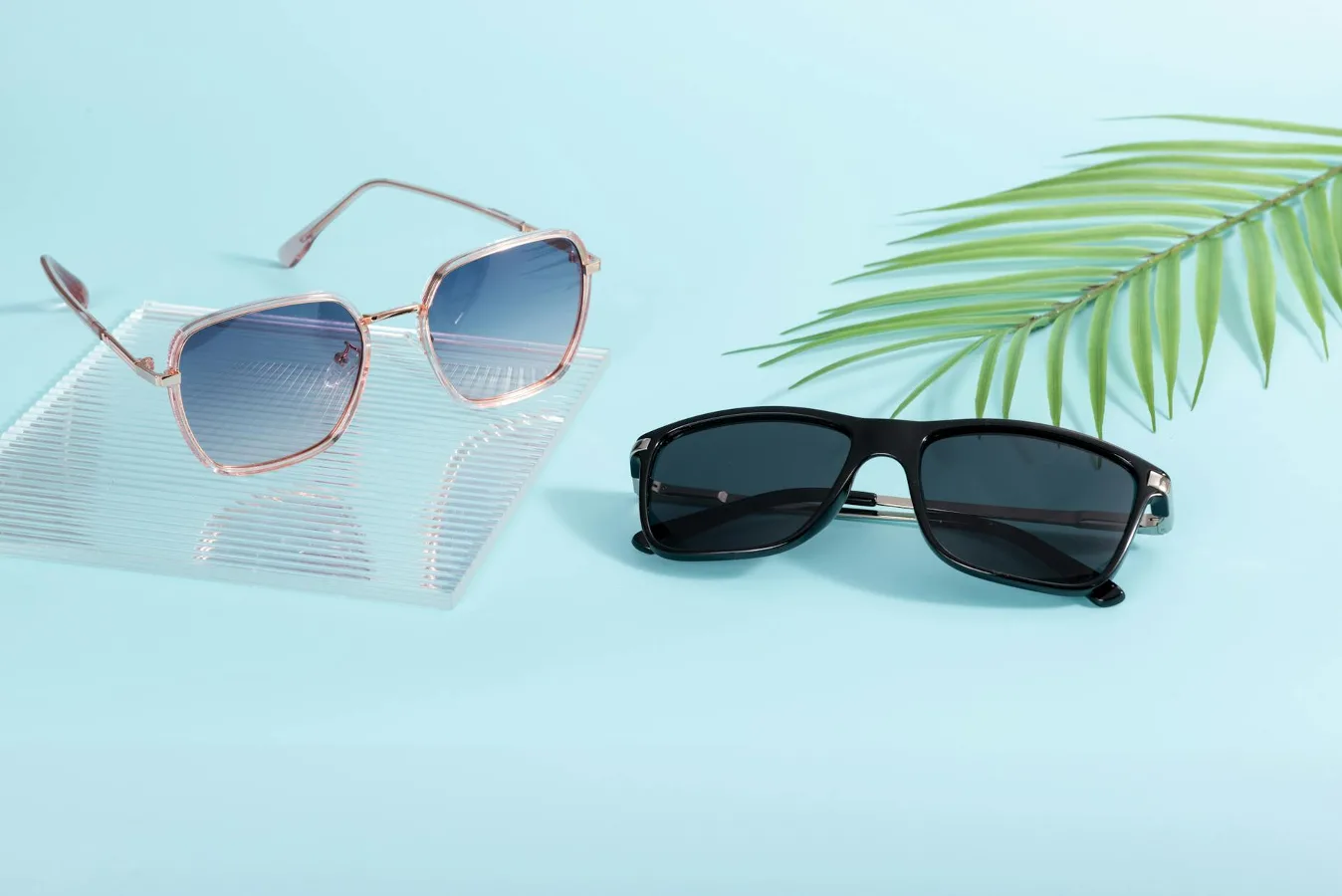
Non polarized sunglasses are sunglasses that reduce brightness and block ultraviolet light without using a polarization filter. That makes them a practical choice for people who want sun protection, a more natural view of screens or dashboards, or simply a certain look and lens tint that polarized options do not always provide.
They are not automatically better or worse than polarized sunglasses. The right choice depends on how you use them. For some people, non polarized lenses are the more comfortable, more versatile option. For others, the glare-cutting effect of polarization is worth having. how to choose sunglasses for driving offers more detail on this point.
Quick answer: who should consider non polarized sunglasses?
Non polarized sunglasses make sense if you want standard sun protection and do not need the extra glare filtering that polarized lenses provide. They are especially worth considering for people who:
- prefer to see digital screens, instrument panels, or LCD displays more clearly
- want a wider range of fashion lens tints and finishes
- need sunglasses for situations where polarization can be less convenient, such as viewing certain screens or displays
- prefer a more traditional sunglass look without the stronger contrast effect some polarized lenses create
- are shopping for a budget-friendly pair and want to compare options carefully
The key point is simple: non polarized does not mean low quality. A pair can still offer good UV protection, comfortable fit, durable frames, and useful everyday sun coverage.
How non polarized sunglasses compare to polarized ones
The main difference is how the lenses handle glare. Polarized lenses include a special filter that reduces reflected light from surfaces like water, roads, snow, and glass. Non polarized lenses do not have that filter, so they can still darken bright light, but they do not selectively reduce reflected glare in the same way.
That difference affects the user experience more than many shoppers expect. Polarized sunglasses often make shiny surfaces look less harsh, which can be useful outdoors. Non polarized sunglasses may feel more natural in situations where you want brightness reduced but do not want the altered contrast that polarization can create.
| Feature | Non polarized sunglasses | Polarized sunglasses |
|---|---|---|
| Brightness reduction | Yes, through tint | Yes, through tint |
| Glare reduction | Limited | Stronger on reflective surfaces |
| Screen visibility | Usually more predictable | Can sometimes be harder to read |
| Outdoor comfort | Depends on tint and fit | Often better for reflected glare |
| Style options | Very broad | Broad, but sometimes more limited |
| Use in some sports or settings | Can be preferable | Can be less ideal for certain displays |
What this means in practice is that non polarized sunglasses are often chosen for versatility, while polarized sunglasses are chosen for glare control. If you need both features in different settings, many shoppers keep more than one pair.
When non polarized sunglasses are the better buy
One overlooked advantage of non polarized sunglasses is that they can fit more situations without changing the visual experience too much. That matters if you move between indoor and outdoor environments during the day or rely on screens, dashboards, or electronic displays.
Driving and dashboard visibility
Some drivers prefer non polarized sunglasses because they want a straightforward reduction in brightness without any chance of seeing certain displays differently. Depending on the car, head-up display, instrument cluster, or infotainment screen, polarization can create a more noticeable change in visibility. That does not make polarized lenses bad for driving, but it does mean non polarized options are sometimes the simpler choice. best sunglasses for screen use offers more detail on this point.
If you spend a lot of time in a vehicle, think about your actual dashboard layout, not just the road. The best pair is the one that lets you see comfortably without creating avoidable visual distractions.
Screen use and everyday convenience
People who regularly look at phones, tablets, laptops, and point-of-sale screens often find non polarized sunglasses less fussy. You may still need to remove your sunglasses to read some screens clearly, but non polarized lenses are less likely to create the darkening or color shift that can happen with polarized filters.
This is one reason non polarized sunglasses remain popular for casual daily wear. They are easy to live with when you are walking between errands, sitting outdoors, checking your phone, and moving back indoors.
Fashion and lens appearance
Non polarized sunglasses are also a strong choice if you care about how the lens looks. Mirror coatings, gradient tints, colored lenses, and certain retro styles are often easier to find or more aesthetically flexible in non polarized form. If the visual effect matters as much as the function, non polarized lenses give you more room to shop by style.
What to look for before buying
Because non polarized sunglasses do not rely on a glare filter, the rest of the lens and frame matters more. A good pair should still feel comfortable, protect your eyes from UV exposure, and suit your daily use.
UV protection comes first
The most important feature is UV protection, not whether the lenses are polarized. Dark lenses without proper UV protection can be a poor choice because they reduce visible light while still letting harmful ultraviolet rays reach your eyes. Look for sunglasses that clearly state UV protection rather than assuming all dark lenses do the job.
This is a common misconception: darker tint does not automatically mean better protection. Tint helps with brightness, but UV protection is a separate feature.
Lens tint and light conditions
The tint affects how the glasses feel in different environments. Darker tints can be more comfortable in intense sun, while lighter or medium tints may work better for variable light or city wear. Grey, brown, and green tints are common because they each create a slightly different visual experience. Grey tends to preserve color more naturally, brown can increase perceived contrast, and green is often used as a balanced middle ground.
If you want one everyday pair, choose a tint based on where you spend most of your time. A style-first purchase can still work well, but the lens color should support your environment, not fight it.
Frame fit and coverage
Fit matters more than many shoppers realize. Sunglasses that sit too low can let light in from above. Frames that are too wide may slide, and tight frames can become uncomfortable quickly. A wraparound shape or larger lens can offer better side coverage, but it may not suit every face or wardrobe.
For non polarized sunglasses especially, good fit helps make up for the lack of glare filtration. Better coverage can reduce the amount of bright light entering from the sides and top.
Lens material and everyday durability
Common lens materials include polycarbonate, CR-39, and glass. Each has trade-offs. Polycarbonate is often favored for lighter weight and impact resistance. CR-39 can offer good optical clarity and a classic feel. Glass can resist scratching well, but it is typically heavier and may not be the most practical choice for everyone.
The right material depends on how you wear sunglasses. For travel, commuting, and active use, lighter materials are often easier to live with. For occasional wear or style-focused use, the trade-off may be less important.
Coatings and finish
Anti-reflective coatings, scratch-resistant finishes, and mirror coatings can change how the lenses perform and look. These details are worth comparing because a non polarized lens is doing less glare control on its own, so coatings and tint become more relevant. Just remember that coatings are not a substitute for UV protection.
Common mistakes shoppers make
One mistake is assuming polarized automatically means better and non polarized automatically means inferior. That is too simplistic. The better choice depends on how you spend your time and what kind of visual experience you prefer.
Another mistake is buying based only on darkness. Very dark lenses can still be poorly suited to the user if the fit is bad or the UV protection is unclear. A comfortable pair with the right tint and real eye protection is more valuable than a fashionable pair that only looks protective. fashion sunglasses buying basics offers more detail on this point.
A third mistake is ignoring where the sunglasses will be used. Someone who sits outside with a book, checks a phone, and drives short distances may have different needs from someone fishing, skiing, or spending long hours near reflective water. One pair can do a lot, but no pair is perfect for every setting.
Finally, some shoppers forget that non polarized sunglasses are not designed to solve glare-heavy environments as aggressively as polarized lenses. If you spend a lot of time around water, snow, or bright reflective roads, you may still want to consider polarized sunglasses or keep a second pair for those conditions.
Alternatives worth considering
If you are unsure whether non polarized sunglasses are right for you, a few alternatives can help narrow the choice.
- Polarized sunglasses: Best if glare reduction is your top priority and you spend time around reflective surfaces.
- Photochromic lenses: A practical option if you want lenses that change with light conditions, though they may not darken instantly in every situation.
- Clear blue-light glasses: Useful for screen comfort indoors, but they are not a substitute for sunglasses outdoors.
- Different tint levels: Sometimes the best solution is not changing polarization at all, but choosing a better tint and frame shape.
There is also a practical hybrid approach: keep one non polarized pair for daily wear and screens, and another polarized pair for outdoor glare-heavy activities. That approach is often more useful than trying to force one pair to do everything.
How to choose the right pair for your routine
Start with the environment you spend the most time in. If your day is mostly commuting, errands, office breaks, and casual wear, non polarized sunglasses can be a flexible everyday accessory. If your routine includes boating, fishing, beach time, mountain driving, or very reflective conditions, polarization may deserve a closer look.
Then think about comfort. The best sunglasses are the ones you actually keep on. Check frame weight, temple pressure, nose bridge comfort, and how much coverage the lens provides. If a pair slides or pinches, you are less likely to wear it consistently.
After that, compare the lens features that matter most: UV protection, tint, finish, and material. Do not let the term non polarized distract you from the basics. A well-made non polarized pair can be a better purchase than a poorly fitted polarized pair.
If you are shopping online, read product details carefully. Look for information about lens material, UV protection, frame measurements, and return policies. That matters because fit and comfort are difficult to judge from a photo alone.
Who should skip non polarized sunglasses?
Non polarized sunglasses are not ideal for every buyer. If your main goal is reducing glare from roads, water, or snow, a polarized lens is usually the more targeted tool. If you work or recreate around highly reflective surfaces, the extra glare reduction may be worth prioritizing over screen convenience or style flexibility.
People who want maximum contrast control for outdoor activities may also lean toward polarized lenses. The same is true for buyers who already know they dislike bright reflections and want the most straightforward visual comfort outdoors.
That said, the decision does not need to be permanent. Many people use different sunglasses for different situations. The better question is not whether non polarized sunglasses are universally best, but whether they fit the way you actually live.
A practical way to decide
If you want a simple decision rule, use this:
- Choose non polarized sunglasses if you want reliable sun protection, broad style options, and easier screen visibility in everyday settings.
- Choose polarized sunglasses if your main priority is glare reduction on reflective surfaces.
For many shoppers, the most sensible answer is to own at least one non polarized pair and one polarized pair, each for different use cases. That way, you are choosing based on context rather than expecting one lens type to solve every problem.
Non polarized sunglasses earn their place by being practical, adaptable, and easy to wear. If you match the lens to the setting, they can be one of the most useful accessories in your rotation.