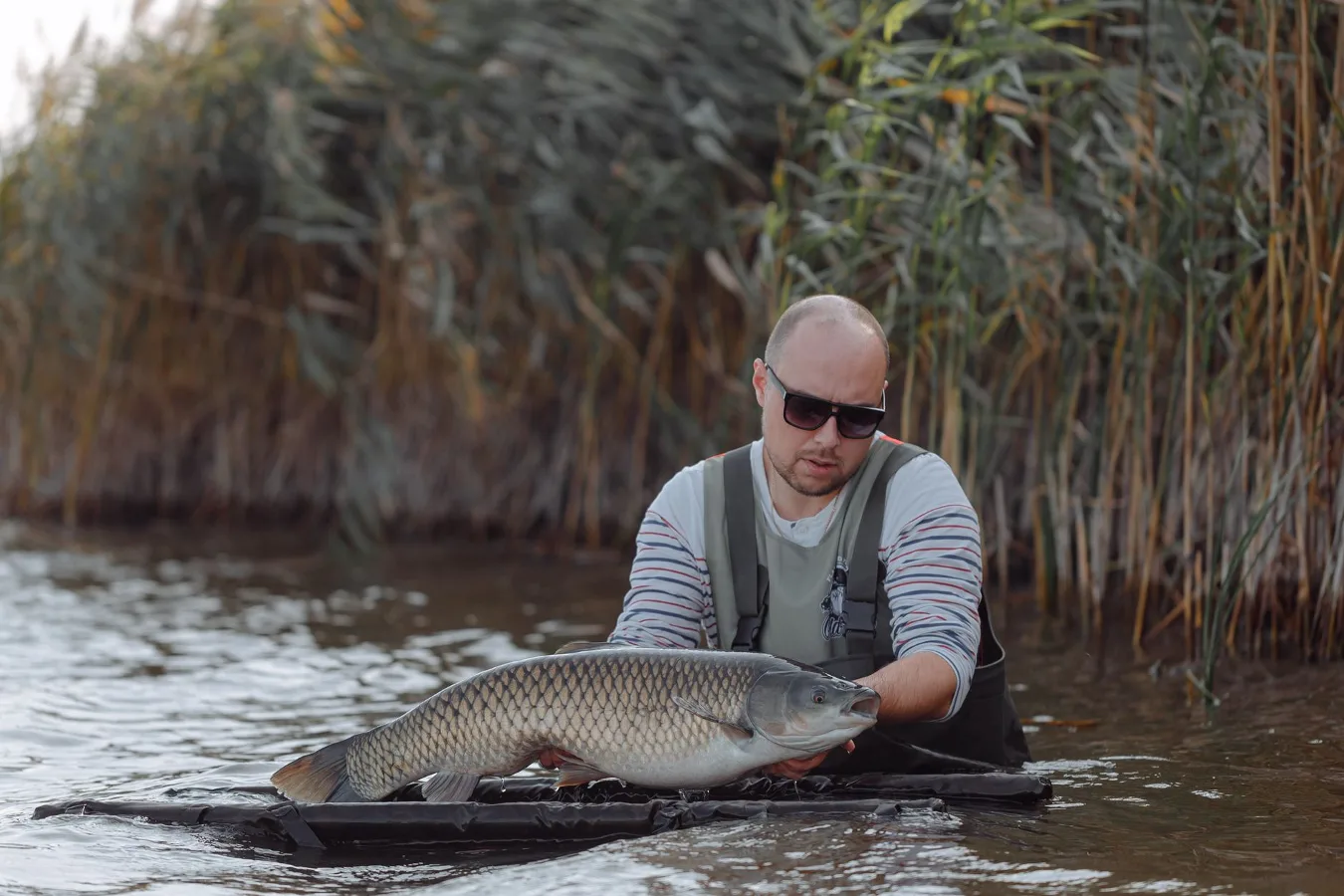
What matters most in fishing sunglasses
The best sunglasses for fishing are the ones that help you read the water, cut glare, and stay comfortable long enough to actually use them all day. For most anglers, that means polarized lenses, solid UV protection, and a frame that fits securely without pressure points. polarized sunglasses for outdoor use offers more detail on this point. guide to non polarized sunglasses offers more detail on this point.
If you want the shortest possible answer: look first at polarization, then lens color, then fit. Those three factors do more for fishing performance than fashion details or brand name alone.
That said, the “best” pair depends on where you fish. Bright open water, wooded rivers, cloudy freshwater mornings, and offshore trips all benefit from slightly different lens choices. A pair that looks great on shore can still be the wrong tool on the water.
Why polarization matters so much
Polarized lenses are the feature most anglers notice first because they reduce reflected glare from the water’s surface. That matters when you’re trying to spot structure, follow a lure, or read subtle changes in color and depth.
One common misconception is that polarization automatically makes every fishing situation better. It usually helps a lot, but it can also make some digital screens harder to read, especially if you rely on a phone, fish finder, or other display while on the water. That’s not a deal-breaker; it just means you should consider how you fish before choosing a lens. how to choose lens colors for accessories offers more detail on this point.
For anglers, polarization is most useful when:
- you fish on bright days
- you deal with surface glare on lakes, bays, or flats
- you want better visual contrast near the waterline
- you spend long stretches scanning rather than casting nonstop
Step-by-step: how to choose the right pair
1. Start with your fishing environment
Think about the water and light you face most often. This is the overlooked step many shoppers skip. A lens that works well on deep blue offshore water may not be the best match for shaded creeks or overcast conditions.
- Bright, open water: neutral or darker lenses usually feel easier on the eyes.
- Low light or mixed light: lighter, contrast-friendly lenses can help preserve visibility.
- Freshwater rivers and lakes: many anglers prefer lenses that improve contrast without making everything too dark.
- Saltwater and flats: glare control and secure fit become especially important.
2. Choose lens color for the conditions you actually fish
Lens color is not just about appearance. It affects brightness, contrast, and how well you can track movement under different skies.
- Gray lenses: a balanced option that reduces brightness without strongly altering color. Good for general use and very sunny conditions.
- Amber or copper lenses: often favored when contrast matters more than pure glare reduction. Useful in mixed light, overcast weather, or when you want more definition in the water.
- Brown lenses: a common middle ground for anglers who want contrast and comfortable all-day viewing.
- Blue mirror lenses: can be helpful in intense sun and reflective conditions, though the mirror finish is more about reducing brightness than improving clarity by itself.
- Green-tinted options: sometimes used for balanced visibility, especially if you want a natural color view.
The best lens color is the one that matches your water and weather more often than not. If your fishing conditions vary a lot, a versatile brown or gray lens is usually safer than a highly specialized tint.
3. Check the frame shape and coverage
Fishing sunglasses should block light from the sides, not just the front. Wraparound frames or designs with good side coverage help keep stray glare out of your eyes, especially on open water.
A practical frame should also sit high enough that your lashes do not brush the lenses and low enough that light does not leak in from above. This balance sounds minor, but it affects comfort during long sessions more than many buyers expect.
Look for:
- wraparound or semi-wraparound coverage
- a stable bridge fit
- temple arms that grip without squeezing
- enough coverage to shield the brow and sides
4. Make fit a priority, not an afterthought
Fit matters because fishing is active. You bend, turn, cast, reel, and sometimes deal with sweat, spray, or humidity. Sunglasses that slip every few minutes become a distraction fast.
Pay attention to the nose bridge, temple grip, and overall balance. Lightweight frames are helpful, but light weight alone does not guarantee comfort. A poorly shaped frame can still bounce or slide when you move.
If you wear a hat or cap while fishing, test how the sunglasses sit together with it. The right pair should work with your regular setup, not only when worn alone.
5. Decide how much durability you need
Fishing eyewear takes more abuse than casual sunglasses. Exposure to salt, sunscreen, humidity, and frequent handling can wear down cheaper finishes quickly. While premium materials are not mandatory for everyone, it helps to choose a frame and lens style that fits your habits.
Consider whether you need:
- scratch resistance for frequent use
- saltwater-friendly construction
- easy cleaning without special care
- replaceable lenses for long-term value
- floating or retention-friendly designs if drops are a concern
Not every angler needs the same level of ruggedness. If you fish a few weekends a month, a simple, comfortable pair may be enough. If you fish often or in rough conditions, durability becomes more important than extra styling details.
Examples of the best sunglasses by fishing situation
For bright open-water fishing
Choose polarized sunglasses with gray or darker brown lenses and strong side coverage. This setup is usually the most comfortable in full sun because it keeps brightness down without making the scene look overly tinted.
For freshwater lakes and rivers
Amber, copper, or brown lenses often work well because they can improve contrast when you are watching shoreline edges, submerged structure, or moving bait. If your fishing days include changing weather, a mid-tone lens is often more versatile than a very dark one.
For cloudy days and early starts
Lighter contrast-enhancing lenses can be easier to live with than dark lenses that may feel too heavy in low light. The goal is not maximum darkness; it is better visibility without eye strain.
For saltwater and offshore use
Secure fit, side coverage, and reliable glare reduction matter a great deal. A frame that stays put in wind and spray is often more valuable than decorative features. If you fish from a moving boat, comfort and stability should rank above almost everything else.
Common mistakes buyers make
- Choosing by tint alone: lens color matters, but polarization and fit are just as important.
- Buying fashion sunglasses for fishing: regular casual shades may look fine but often lack the coverage and secure fit anglers need.
- Ignoring side light: glare can enter from angles, not just straight ahead.
- Overlooking compatibility with hats: a frame that feels fine indoors may press awkwardly with a cap.
- Assuming darker is better: very dark lenses are not always ideal, especially in mixed light.
- Forgetting screen visibility: polarization can affect the readability of some displays.
A simple checklist before you buy
Use this quick checklist to narrow your options:
- Polarized lenses for glare reduction
- UV protection for sun exposure
- Lens color matched to your fishing conditions
- Wraparound coverage for side glare control
- Secure, comfortable fit for active movement
- Frame durability suited to your environment
- Screen compatibility if you use electronics while fishing
If a pair checks most of these boxes, it is usually a stronger choice than one that simply looks more expensive or more technical.
Trade-offs to keep in mind
There is no perfect fishing sunglass that excels in every condition. Better glare reduction can sometimes mean less flexibility in dim light. A darker lens may be excellent on sunny water but less useful on cloudy mornings. A wraparound frame improves protection but can feel warmer in hot weather. A highly durable pair may also be heavier than a simpler alternative.
The right decision depends on what bothers you most while fishing. If glare is your biggest problem, prioritize polarization and coverage. If you fish from dawn into midday, choose a more versatile lens color. If comfort is the issue, focus on fit before any other feature.
When a cheaper pair can still make sense
You do not always need a high-end option to get value. A simpler pair can be a practical choice if you fish occasionally, keep backup gear in the boat, or want a spare pair for travel. The key is not chasing the most expensive label; it is avoiding weak choices that compromise visibility or comfort.
That said, extremely low-cost sunglasses can be a false economy if they slip, fog easily, or feel tiring to wear. In fishing, small annoyances add up quickly.
Maintenance and care tips
Keeping fishing sunglasses in good condition is mostly about preventing scratches and buildup. Rinse them after saltwater use, wipe them with a clean microfiber cloth, and store them in a case when they are not on your face. Sunscreen residue, salt, and grit can all damage lenses over time if you rub them in dry.
If you fish often around spray or humidity, let the sunglasses dry before storing them. A damp case can trap moisture and create more wear than you might expect.
Useful alternatives to consider
If traditional sunglasses are not your only option, a few alternatives may fit specific needs better:
- Clip-ons: useful if you already wear prescription eyewear, though fit and coverage vary.
- Prescription fishing sunglasses: a better long-term solution for anglers who need correction and glare control together.
- Retainer straps: not an alternative to sunglasses, but a smart add-on for active fishing or boat use.
- Specialized lenses for variable light: helpful if you fish through changing weather and want more flexibility.
FAQ
Are polarized sunglasses always best for fishing?
They are usually the best starting point because they reduce reflected glare, but the right lens color and fit still matter. Some anglers may prefer a less dark or more contrast-focused option depending on conditions.
What lens color is best for fishing?
There is no single best color for every situation. Gray works well in strong sun, while amber, copper, or brown often help with contrast in mixed light or overcast conditions.
Can fishing sunglasses be too dark?
Yes. Very dark lenses can be tiring or limiting in cloudy weather, early mornings, or shaded water. A more versatile tint may serve you better if conditions change often.
Do I need wraparound frames?
Not always, but they are helpful if you want more side coverage and less stray light. They are especially useful on bright water or windy boat trips.
What should I avoid when buying fishing sunglasses?
Avoid choosing solely by appearance, ignoring fit, or buying lenses that do not match your usual fishing light conditions. Comfort and visibility matter more than style alone.
Choosing the best pair for your kind of fishing
The best sunglasses for fishing are the ones that fit your light conditions, stay comfortable, and help you see the water with less strain. For many anglers, a polarized brown or gray lens in a secure wraparound frame is the most practical place to start.
If you fish in very different environments, think in terms of use case rather than one perfect all-purpose pair. The smartest purchase is usually the one that solves your most common problem on the water, not the one with the most features on paper.