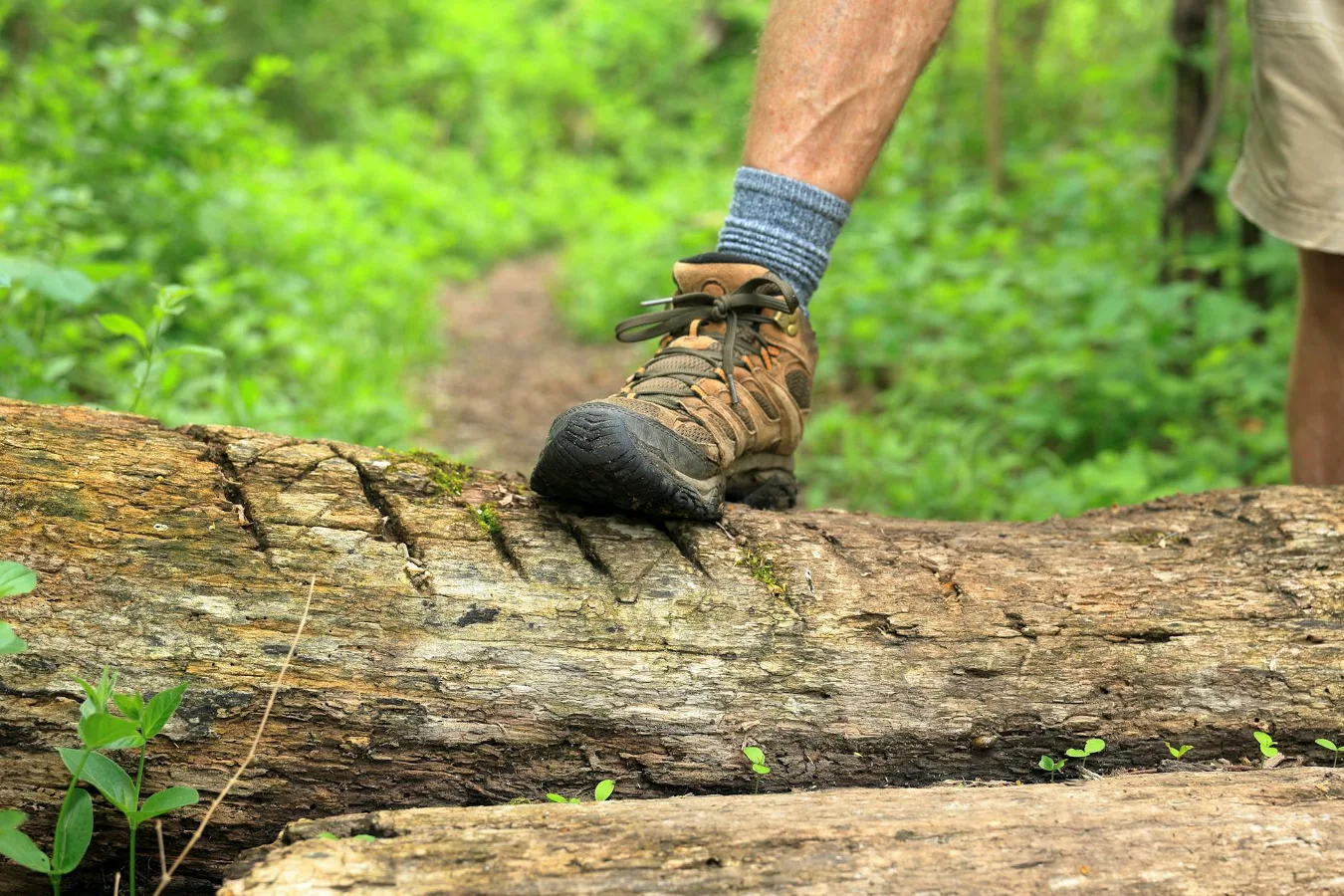
If you want lighter hiking boots, the key is not simply finding the lowest weight possible. The better choice is a boot that feels easy on your feet and still matches your terrain, pack weight, and hiking style. For many hikers, that means a lighter boot with a more flexible build, a secure fit, reliable traction, and enough protection for the trail conditions you actually face.
Lighter boots make the most sense for day hikes, fast-moving hikes, warm weather, and people who want less fatigue over distance. They can also work well for shorter backpacking trips if the trail is well maintained and your pack is not especially heavy. The trade-off is simple: as boots get lighter, they often give up some stiffness, protection, and sometimes long-term durability.
When lighter hiking boots make sense
Weight matters most when you are moving for hours, climbing often, or hiking in heat. Every extra ounce on your feet can make the day feel more demanding, especially on steep ascents and long descents. That said, lighter hiking boots are not automatically better for every hiker. day hiking footwear guide offers more detail on this point. Best Lightweight Hiking Boots: Buyer Guide offers more detail on this point.
They tend to be a smart choice if you:
- hike mostly on established trails
- prefer quicker foot turnover and less bulk
- want more comfort in warm or mild weather
- carry a light to moderate pack
- do not need a very stiff platform for heavy loads
They may be the wrong choice if you routinely hike over sharp talus, carry a heavy backpack, or want maximum toe protection and torsional support. In those situations, a sturdier boot may feel better even if it weighs more.
Step-by-step criteria for choosing a lighter pair
1. Start with the terrain, not the label
Many buyers focus on the word “lightweight” before they think about where they will use the boots. That can lead to a mismatch. A boot that feels great on packed dirt may feel too soft on rocky ledges or slick roots. Start with the hardest conditions you expect to see most often.
Ask yourself a few practical questions. Will you be mostly on dry trails, muddy paths, or mixed mountain terrain? Do you need more grip on granite, or more flexibility for rolling hills? Will you hike in heat, cold, or frequent rain? The answers shape the best trade-off.
2. Decide how much support you actually need
A common misconception is that taller boots always provide better ankle protection. In reality, boot height alone does not guarantee better stability. Fit, midsole structure, lacing, and outsole grip all matter. A well-fitting mid-cut boot can sometimes feel more stable than a taller boot that flexes too much or fits poorly.
For lighter hiking boots, support usually comes from a balance of midsole firmness, heel hold, and a secure upper. If you like a more planted feel underfoot, look for a boot that does not twist too easily. If you prefer a natural stride and softer ride, a more flexible build may suit you better.
3. Check the outsole and traction pattern
With lighter boots, the outsole becomes especially important because the rest of the boot may have less structure. Look for a tread pattern that matches your terrain rather than assuming deeper lugs always mean better grip. Mud-friendly lugs help in soft ground, while more defined contact zones can feel better on rock and hardpack.
Also pay attention to how the boot flexes. A lighter boot that bends too much at the forefoot may feel comfortable in a store but less controlled on descents. If you often hike on rough ground, a slightly firmer sole can be worth the trade-off.
4. Judge the upper material by climate and use
Upper materials influence weight, breathability, protection, and weather resistance. Mesh and thinner synthetic uppers often keep weight down and help with airflow, which is useful in summer or on fast hikes. Leather and leather-synthetic blends usually add structure and abrasion resistance, but they can feel warmer and heavier.
If your hikes are mostly dry and warm, breathability may matter more than waterproofing. If you frequently encounter wet grass, rain, or stream crossings, a waterproof membrane may be helpful. Just remember that waterproof boots often trade some breathability for that protection, so they can feel hotter in humid conditions.
5. Look at fit before anything else
Fit is the most overlooked factor in lighter hiking boots. A lightweight boot that slips at the heel or crushes the toes will feel worse than a slightly heavier boot that fits correctly. Good fit starts with enough toe room for descents, a locked-in heel, and no painful pressure points across the instep or forefoot.
Because lighter boots often use softer materials, they may feel forgiving at first but allow too much movement once you start hiking. That is why lacing matters. A good lacing system should let you secure the heel without over-tightening the forefoot.
6. Match cushioning to your mileage and load
More cushioning can improve comfort, but too much softness can reduce stability. Lighter hiking boots often sit somewhere between trail shoes and traditional backpacking boots, so the right level of cushioning depends on how you move. Fast hikers may prefer a lower, more responsive feel. Hikers covering long distances on hard surfaces may want a bit more underfoot comfort. choosing between boots and trail shoes offers more detail on this point.
If you carry a heavier pack, consider whether the boot feels controlled when fully weighted. A boot that feels fine unloaded may compress too much once you add gear, which can make the ride sloppy on uneven ground.
Examples of the most common lighter-boot categories
Not all lighter hiking boots are built the same. The category often includes a few different approaches, and the right one depends on your priorities.
- Lightweight mid-cut boots: A practical middle ground for hikers who want some ankle coverage and trail protection without a bulky feel.
- Fast-and-light boots: Designed for moving quickly and efficiently, often with a more flexible feel and less structure.
- Light waterproof boots: Useful in damp climates or shoulder seasons, though they may feel warmer and take longer to dry.
- Breathable non-waterproof boots: Often better for hot weather, dry trails, and hikers who prioritize ventilation.
Each type can be the right answer in a different setting. The best option is usually the one that matches your trail conditions instead of the one that sounds most advanced.
Trade-offs you should expect
Lighter hiking boots come with real advantages, but there are limits. Understanding those limits helps you avoid disappointment later.
- Less protection: Thinner materials and softer midsoles may transmit more trail feel.
- Less structure: Some lightweight boots feel less stable with a heavy pack.
- Potentially faster wear: Lightweight designs can be less forgiving in harsh terrain, depending on materials and construction.
- Weather compromises: Breathable options are often better in heat but weaker in wet conditions.
That does not mean lightweight boots are fragile. It means the best pair is usually a compromise between comfort, protection, and durability. For many hikers, that compromise is worthwhile because less fatigue can improve the whole day.
Common mistakes buyers make
One mistake is choosing weight alone and assuming comfort will follow. Another is buying boots that are too stiff for the terrain, which can make every step feel awkward. Some hikers also overestimate how much waterproofing they need and end up with hotter boots than necessary.
Another overlooked issue is sock choice. Thin socks can make a lightweight boot feel sloppy, while overly thick socks can create pressure in the wrong places. The sock and boot need to work together, especially when the upper is softer and more flexible.
Finally, do not ignore how the boot feels on descents. Many boots seem fine on flat ground but become uncomfortable when your toes slide forward downhill. If you can, test fit with a downhill posture in mind, not just by standing still.
Practical checklist before you buy
- Does the boot match your usual terrain?
- Is the fit secure at the heel and roomy enough at the toes?
- Does the outsole suit mud, rock, or mixed trails?
- Is breathability or weather resistance more important for your climate?
- Do you need extra support for a heavier pack?
- Does the boot feel stable when you flex and twist it by hand?
- Will you wear it mostly for day hikes, travel, or short overnights?
If you can answer those questions clearly, you are much less likely to end up with a boot that feels impressive on paper but disappointing on the trail.
Lightweight boots versus trail shoes and heavier boots
Lighter hiking boots sit between trail shoes and traditional boots. Compared with trail shoes, they usually give you more coverage, more protection, and often a slightly more secure feel. Compared with heavier boots, they are usually easier to walk in and less tiring over long distances.
If you want maximum agility and your routes are well maintained, trail shoes may be enough. If you want more structure for rugged terrain or a heavier pack, a traditional boot may be the safer choice. Lighter hiking boots make the most sense when you want a middle path: more protection than a trail shoe, less bulk than a full boot.
Care and maintenance considerations
Lightweight construction can be less forgiving of neglect. Dirt trapped in the outsole and upper can speed up wear, and wet boots that are left dirty may deteriorate faster. After muddy hikes, brush off debris, remove insoles if needed, and let the boots dry naturally away from direct heat.
If the boot uses a waterproof membrane, keeping the upper clean helps preserve breathability and surface performance. If it is a leather or leather-blend design, regular care matters even more because the upper often depends on maintenance to stay comfortable and protective.
FAQ
Are lighter hiking boots good for beginners?
Often, yes. Many beginners do well with a lighter boot because it feels less tiring and easier to walk in. The main priority is fit, not the heaviest or lightest option.
Do lighter hiking boots always mean less durability?
Not always. Durability depends on materials, construction, and how you use the boots. But lighter models sometimes use thinner materials, so they may be less forgiving in harsh conditions.
Should I choose waterproof or breathable lighter boots?
Choose waterproof if you often hike in wet grass, rain, or cool damp conditions. Choose breathable if you hike mostly in warm, dry weather and want better ventilation.
Can lighter hiking boots handle backpacking?
Some can, especially for shorter trips or moderate loads. If your pack is heavy or your route is rough, make sure the boot offers enough structure and sole support.
What matters more: boot weight or fit?
Fit matters more. A lighter boot that fits poorly will usually feel worse than a slightly heavier boot that matches your foot and terrain.
Final checklist for choosing the right pair
The best lighter hiking boots are the ones that reduce fatigue without creating new problems. Focus on fit first, then terrain, then support, traction, and weather protection. If you keep the trade-offs in view, you can choose a boot that feels efficient on the trail and practical in real use.
For many hikers, that means choosing the lightest boot that still feels stable enough for the worst trail conditions you expect to face. That single decision rule is often more useful than chasing the lowest possible weight.