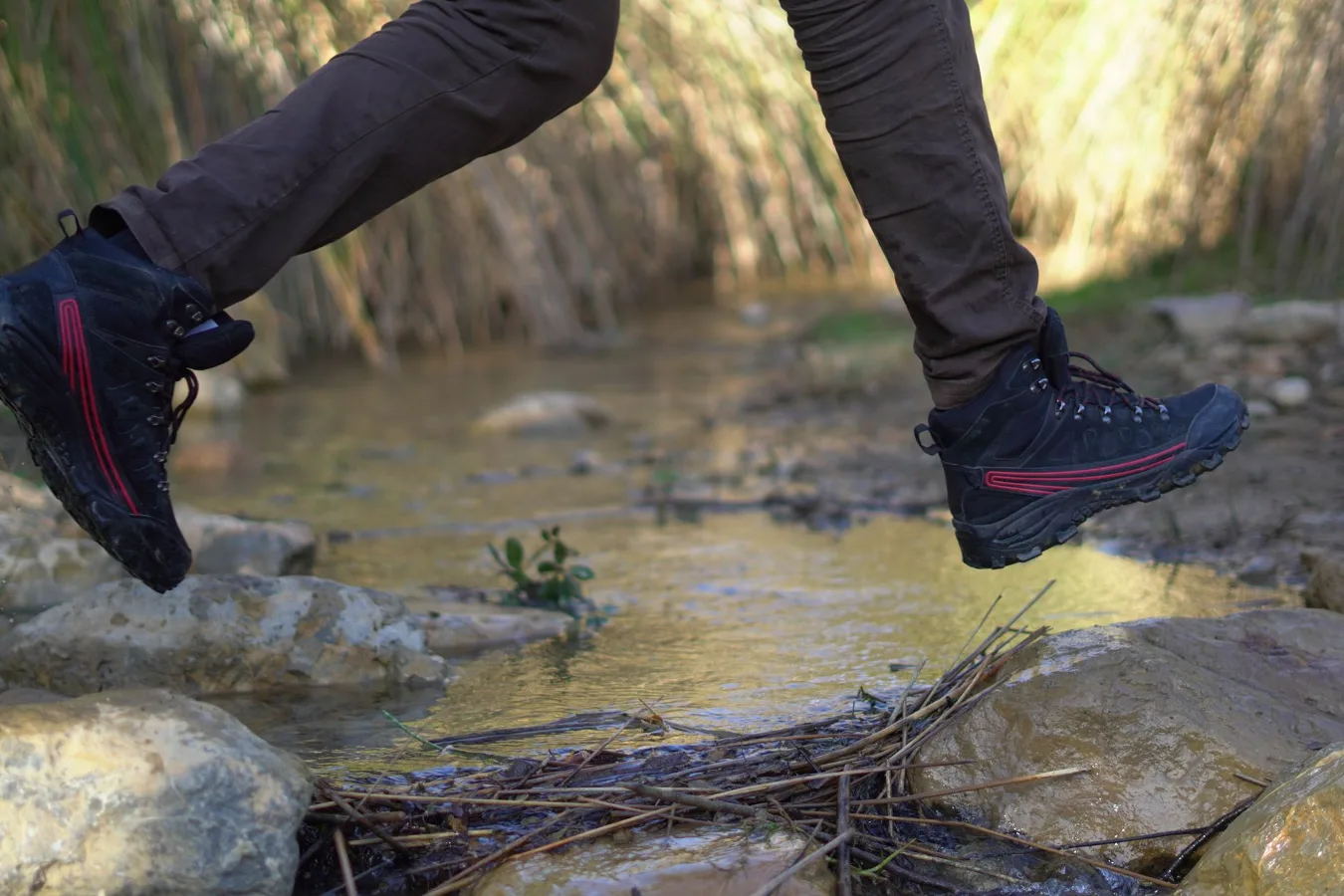
If you want the short answer: the best lightweight hiking boots are the pair that gives you enough traction, comfort, and protection for your trails without feeling bulky or tiring your feet. For many hikers in the U.S., that means a boot with a lighter upper, a grippy outsole, a secure heel, and just enough structure for the terrain you actually hike. zero drop hiking boots offers more detail on this point.
That balance matters because “lightweight” does not mean the same thing for every hiker. A boot that feels ideal on groomed day trails may feel underbuilt on rocky descents or with a loaded pack. The right choice depends less on the label and more on fit, support, weather resistance, and how forgiving the boot feels after a few hours on trail.
What makes a lightweight hiking boot worth buying?
Lightweight hiking boots sit in the middle ground between low-cut hiking shoes and heavier backpacking boots. They are usually chosen by hikers who want more stability and foot protection than a trail shoe offers, but do not want the weight and stiffness of a traditional boot.
The appeal is practical. Less weight on your feet can reduce fatigue over a long day, and a more flexible build often feels easier on rolling terrain, packed dirt, and moderate trails. At the same time, a boot still gives you a higher collar, more abrasion protection, and often a more confidence-inspiring platform than a shoe.
The trade-off is equally important: as boots get lighter, they often lose some combination of durability, weather protection, or underfoot support. That does not make them worse. It just means they should match your hiking style.
Key factors that matter most
Fit comes before everything else
No hiking boot is truly “best” if the fit is wrong. Lightweight models can be especially sensitive to fit because they usually rely on a close, efficient feel rather than extra padding to mask problems. Pay attention to heel lock, toe room, midfoot security, and whether the boot bends naturally with your foot.
You want enough space for toe swelling on descents, but not so much room that your foot slides forward. Heel slip is a common issue in boots that are too wide or too shallow in the heel. That can quickly turn into blisters on longer hikes.
Support should match your terrain
One of the biggest misconceptions about hiking boots is that more support is always better. In reality, the best amount of support depends on trail conditions, pack weight, and your own comfort preferences. A lighter boot with moderate support can be ideal for day hikes, mixed-use trails, and fast-paced hiking.
If your routes involve sharp rocks, uneven roots, or frequent off-camber sections, look for a boot with a more stable platform and a firmer midsole. If your hikes are mostly maintained trails, too much stiffness can feel like unnecessary bulk.
Traction is not just about tread depth
Outsole pattern matters, but so does rubber compound, lug spacing, and how the boot flexes under pressure. A deep tread is not automatically better if the lugs are spaced in a way that sheds mud poorly or if the rubber feels slippery on wet stone.
For most hikers, the best lightweight hiking boots offer dependable grip on dry dirt, gravel, and moderate rock, with enough bite for loose trail surfaces. If you often hike in wet conditions, traction becomes even more important than weight savings.
Waterproofing has a cost
Waterproof membranes can be useful for cold, wet, or brushy conditions, but they are not a universal upgrade. Waterproof boots usually run warmer and dry more slowly once water gets in from the top. On hot summer hikes, that can make them feel less comfortable than breathable non-waterproof models.
If you hike in humid climates, cross streams often, or want faster drying, a breathable boot may be the smarter choice. If your hikes regularly involve rain, mud, snowmelt, or wet grass, waterproofing becomes more valuable.
Upper materials affect comfort and longevity
Lightweight hiking boots commonly use synthetic fabrics, mesh panels, leather, or blended constructions. Synthetic uppers often feel lighter and break in faster. Leather-based designs may offer more abrasion resistance and long-term durability, but they can also add weight and require more care. Men’s Leather Hiking Boots: A Smart Buyer’s Guide offers more detail on this point.
A softer, more flexible upper can feel great on day one, but it may show wear faster if you scrape against rocks or brush regularly. Consider the environments you actually walk through, not just the terrain you hope to tackle someday.
How to choose the right pair for your use case
The best lightweight hiking boots for one hiker may be the wrong choice for another. A simple way to narrow the field is to think about how you hike most often. how to fit hiking boots properly offers more detail on this point.
- Day hikers: Prioritize comfort, breathability, and a secure fit over maximum stiffness.
- Weekend hikers: Look for a balanced boot with enough support for varied trails and changing weather.
- Fast hikers and long-mile walkers: Keep weight, flexibility, and foot fatigue at the center of your decision.
- Hikers carrying a heavier pack: Consider a more structured boot if you need extra stability on uneven ground.
- Wet-weather hikers: Focus on waterproofing, traction, and how quickly the boot feels usable after exposure.
One overlooked consideration is downhill comfort. Many hikers focus on fit while standing still, but the real test is how the boot handles descents. If your toes contact the front on downhill steps, or if the collar rubs when your ankle flexes forward, the boot may not work well on longer outings.
What lightweight boots usually do well
Lightweight hiking boots can be excellent for people who want a trail-ready feel without overbuilt materials. They often make sense for hikers who value quick foot turnover, moderate protection, and less leg fatigue across a full day.
They are also a practical option for mixed use. If you want one pair for local trails, travel, and general outdoor walking, a lightweight boot can be easier to live with than a heavy backpacking model. For many people, that versatility is the real advantage.
They can also be easier to break in than traditional leather boots. That does not mean every lightweight boot is instantly comfortable, but many are more forgiving out of the box.
Where lightweight boots fall short
The biggest limitation is that lighter constructions usually leave less margin for error. If you routinely hike on rough talus, carry a heavy load, or need strong torsional stability, a lightweight boot may feel too flexible or too minimally cushioned.
Another common limitation is durability under repeated abuse. A lighter upper may be perfectly adequate for maintained trails, yet wear faster if you drag your toes, hike through dense brush, or spend time on abrasive rock. That is not a defect so much as a design trade-off.
Waterproof models can also be a mixed bag. They can be useful in damp conditions, but if the boot gets soaked from the top, the interior can take a long time to dry. That matters if you hike back-to-back days or travel in changeable weather.
Lightweight hiking boots versus hiking shoes
Many shoppers compare lightweight boots with hiking shoes because the line between them can be blurry. A hiking shoe may be lighter, cooler, and more flexible, while a lightweight boot offers more ankle coverage, more debris protection, and often a sturdier feel under load.
If you know you prefer agility and breathability, a hiking shoe may be enough. If you want a bit more security, especially on uneven trails or in shoulder seasons, lightweight boots are often the better middle path.
This is one of the most practical decision points: do you want maximum freedom of movement, or a little more protection and structure? That question usually matters more than branding or marketing language.
Lightweight boots versus heavier backpacking boots
Heavier backpacking boots still have a place. They can make sense for rough terrain, heavy pack weights, and hikers who prefer a more planted feel. But they are not automatically better for everyone.
Lightweight boots are usually easier to walk in over long distances if your terrain is moderate. They can also feel less tiring at the end of the day, especially for hikers who move fast or spend hours on their feet.
The downside is that they may not provide the same level of stiffness or protection. If your trail style is changing toward multi-day trips or more rugged terrain, you may outgrow a lightweight boot faster than you expect.
Practical buying guidance
If you are narrowing down options, use the following questions to separate marketing from real usefulness:
- Do I need waterproofing, or would breathability be more comfortable?
- How much ankle coverage do I actually want on trail?
- Will I mostly hike maintained trails or rough, uneven terrain?
- Do I carry a light daypack or a heavier overnight load?
- Does the boot feel secure in the heel without squeezing the forefoot?
- Will I use it in heat, rain, shoulder seasons, or all three?
Answering these honestly will often point you toward the right category faster than reading endless product descriptions.
Common mistakes shoppers make
One frequent mistake is choosing a boot because it is “lightweight” on paper without checking whether the platform is stable enough for the intended use. Another is assuming waterproofing is always the safer choice. In warm weather, a non-waterproof boot may actually be more comfortable and more practical.
It is also easy to overlook sock choice. A good hiking sock can improve fit, reduce friction, and make a marginal boot feel far better. Likewise, sizing should account for foot swelling and downhill movement, not just your everyday shoe size.
Finally, do not ignore break-in expectations. Some lightweight boots feel ready quickly, but any new hiking footwear deserves a few shorter outings before a long trail day.
Best fit scenarios for different hikers
| Hiker type | What to prioritize | What to avoid |
|---|---|---|
| Casual day hiker | Comfort, flexibility, easy break-in, reliable grip | Overbuilt stiffness and unnecessary weight |
| Frequent trail walker | Durability, stability, all-day comfort | Very soft uppers that may wear quickly |
| Wet-weather hiker | Waterproofing, traction, secure fit | Boots that dry slowly after saturation |
| Fast hiker | Low fatigue, responsive feel, breathable materials | Excess bulk and heavy midsoles |
| Light backpacker | Balance of support and weight, better underfoot protection | Ultra-minimal builds with little structure |
Materials and features worth paying attention to
Several details often reveal whether a lightweight boot is genuinely well designed. A reinforced toe cap can help on rocky trails. A gusseted tongue can reduce debris entry. A stable heel counter can improve security on uneven ground. A well-designed collar can reduce rubbing without feeling restrictive.
Outsole quality matters too, especially if your hikes cover a range of surfaces. Look for a pattern that makes sense for your environment rather than one that only looks aggressive. And if the boot uses a waterproof membrane, think about whether you really need it often enough to accept the warmth and slower drying time.
In other words, do not shop only by weight. A slightly heavier boot with better fit and traction may be the better lightweight choice in real use because it keeps you more comfortable over the trail day.
How to make a final decision
The best lightweight hiking boots are the ones that fit your feet, suit your terrain, and match the way you actually hike. Start with fit, then sort by traction, support, and weather needs. After that, decide whether you value breathability or waterproofing more.
If you mostly hike moderate trails and want one versatile pair, a balanced lightweight boot is usually the smartest purchase. If you hike in hot weather, a breathable option may serve you better. If your routes are rocky, wet, or heavily loaded, lean toward a model with more structure and protection, even if it costs a bit more weight.
The right choice is rarely the lightest boot available. It is the boot that feels stable, comfortable, and appropriate for the trails you will actually be walking.