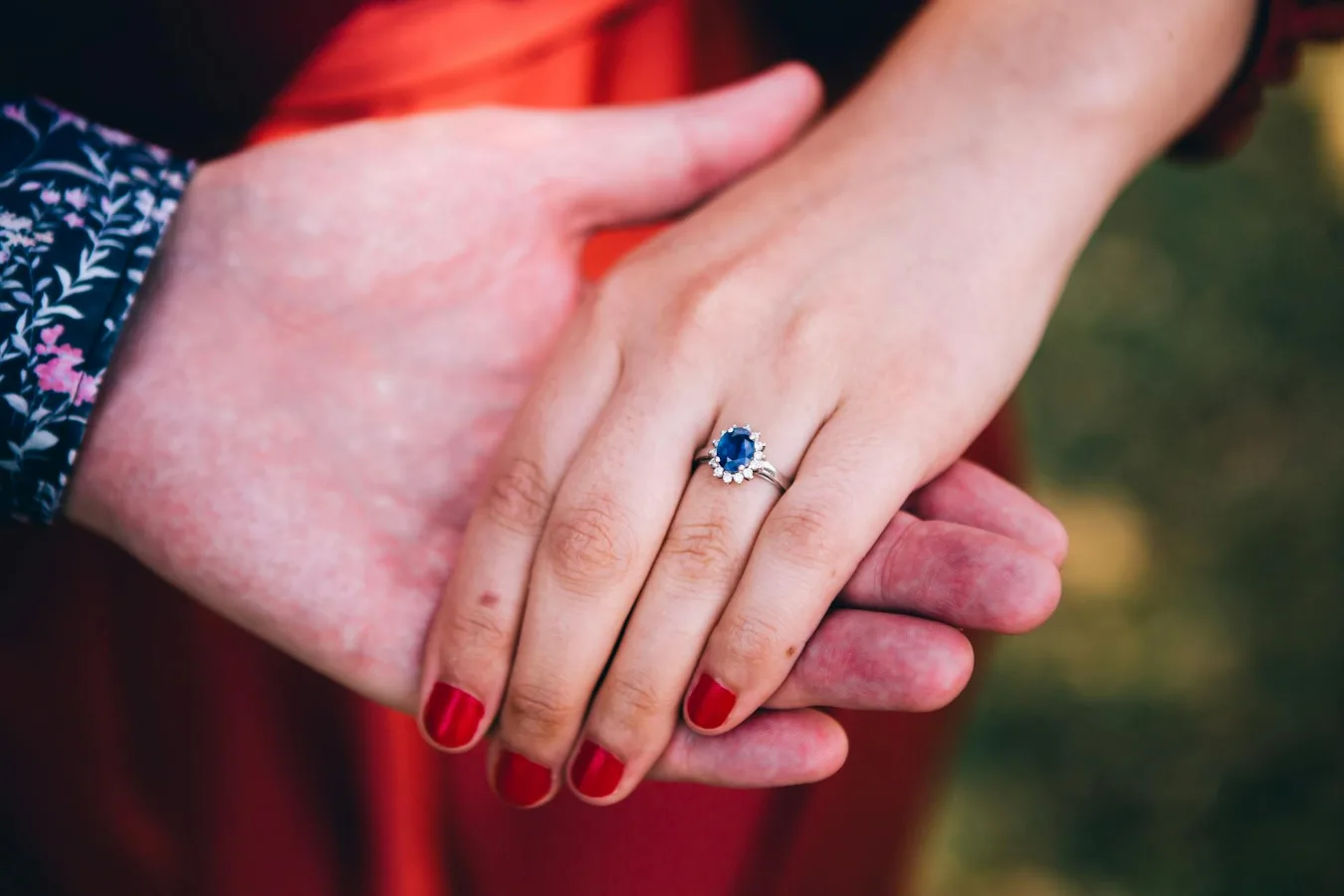
Pink sapphire engagement rings appeal to buyers who want color without giving up the durability and classic feel associated with sapphire. They sit in a useful middle ground: more distinctive than a traditional diamond ring, but still practical enough for everyday wear in many settings. pink engagement rings offers more detail on this point. radiant cut diamond engagement rings offers more detail on this point.
If you are considering one, the main decision is not simply whether you like the color. The more useful question is how the stone’s shade, cut, setting, and metal will work together over time. That is where pink sapphire engagement rings either feel timeless and balanced or too delicate, too dark, or harder to live with than expected. how to choose a gemstone engagement ring offers more detail on this point.
When a pink sapphire engagement ring makes sense
A pink sapphire ring is a strong option if you want a center stone with personality, but still want something with a classic jewelry heritage. It can suit buyers who prefer romantic tones, understated color, or a ring that feels different from a standard diamond solitaire without looking overly unconventional.
It also makes sense for people who want a ring that can be styled across different wardrobes. Pink sapphire can read soft and feminine in rose gold, more defined in white gold or platinum, and slightly warmer in yellow gold. That flexibility is one reason it shows up often in modern bridal jewelry.
The stone is not ideal for every buyer, though. If your priority is maximum sparkle at any size, or a highly standardized look, you may prefer diamond or another gemstone. Pink sapphire is more about color balance, character, and the specific beauty of the individual stone.
Start with the color, not the setting
The most important feature of a pink sapphire is the color itself. A stone can look very different depending on whether it is pale blush, medium pink, or a vivid saturated pink. The “best” shade depends on taste, but the color should still look intentional rather than washed out or overly dark.
Several practical points matter here:
- Light pink stones can feel airy and romantic, but may appear less visible from a distance.
- Medium pink stones often strike the best balance between softness and presence.
- Deeper pink stones usually stand out more, but can lose brightness if the cut is too deep or the setting blocks light.
A common misconception is that all pink sapphires are equally vibrant. In reality, the same ring style can look very different from one stone to another. That is why photos alone are not enough if you are buying online. Look carefully at multiple views, lighting descriptions, and any color notes provided by the seller.
Natural sapphire traits that affect your choice
Pink sapphire belongs to the corundum family, the same mineral family as blue sapphire. For engagement rings, that matters because sapphire is generally known for everyday practicality. Still, not every sapphire behaves the same way. Color, clarity, cut quality, and treatment status all influence how the ring looks and wears.
Two nuances are easy to overlook. First, inclusions in colored gemstones are common and not automatically a problem. Second, the way a pink sapphire is cut can change how much color you see. A shallow or poorly proportioned stone may look pale or uneven, while a well-cut stone usually appears more lively and balanced.
If you are comparing stones, do not judge by carat size alone. A larger pink sapphire with weaker color may feel less satisfying than a smaller stone with better saturation and better cut quality.
Choose the setting around the stone’s real needs
The setting should support the stone, not compete with it. For pink sapphire engagement rings, the setting affects both visual style and daily practicality. Some settings emphasize romance; others make the center stone feel cleaner and more modern.
Best settings to consider
- Solitaire: Best if you want the pink sapphire to be the clear focal point.
- Halo: Helpful if you want more visual presence and extra sparkle around a smaller stone.
- Three-stone: Offers a balanced, dressier look and can work well with side stones in diamond or colored gems.
- Bezel: A practical choice for people who want extra protection around the edges of the stone.
- Vintage-inspired settings: Good for buyers who like decorative detail and a softer romantic feel.
One overlooked consideration is stone height. A high-set ring may look elegant, but it can catch on clothing more easily. A lower profile can be more comfortable for everyday wear, especially if you use your hands a lot.
Metal choice changes the entire mood
The metal you choose can make a pink sapphire look sweeter, cooler, brighter, or more dramatic. This is not just a style preference; it affects how the stone reads in real life.
| Metal | General effect | Good for |
|---|---|---|
| Rose gold | Warm, romantic, blended tone | Soft blush stones and vintage styles |
| White gold | Crisp contrast, modern look | Vivid pink stones and clean silhouettes |
| Platinum | Cool, refined, durable feel | High-end settings and frequent wear |
| Yellow gold | Warm, classic, slightly rich look | Brighter or warmer pink tones |
Rose gold is often associated with pink gemstones, but it is not automatically the best choice. If the stone is already very light, rose gold can blend into the color and reduce contrast. White metal can help a pink sapphire stand out more clearly.
Shape and cut: what actually changes the look
Cut shape influences how formal, modern, or delicate a ring feels. It also affects how much color and sparkle the stone appears to have.
- Oval: A popular choice because it elongates the finger and often shows color beautifully.
- Round: Classic and balanced, with a familiar engagement-ring look.
- Pear: More distinctive, with a graceful profile that works well in slim settings.
- Cushion: Soft-edged and romantic, often chosen for vintage-inspired rings.
- Emerald cut: Less common for pink sapphire, but can create a sleek, architectural look if the stone quality supports it.
A practical point: fancy shapes can help a smaller pink sapphire feel larger, but they can also expose the stone’s color unevenness more easily if the cut is poor. If the seller provides limited images, ask for views in different lighting before deciding.
How to compare pink sapphire engagement rings
If you are shopping across several options, focus on the details that will matter after the purchase, not just the first impression.
- Evaluate the color in neutral light. Pink should look pleasing both indoors and outdoors, not only in flattering lighting.
- Check the cut proportions. Look for a shape that presents even color and good light return.
- Review the setting height and protection. A ring meant for daily wear should not feel fragile or awkward.
- Think about the metal color. Match the metal to the tone of pink you actually like, not the one shown in styled photos.
- Confirm treatment disclosures. Many buyers want to understand whether the stone has been heat-treated or otherwise enhanced.
- Consider the ring’s maintenance needs. A detailed halo or pavé band will need more attention than a simple solitaire.
Another practical nuance is how the ring looks from the side. Many buyers focus on the top view, then discover the profile feels too ornate, too tall, or not sturdy enough for daily life.
Pink sapphire versus other pink center stones
Pink sapphire is often compared with morganite, pink tourmaline, and sometimes pink spinel. These stones can look similar from a distance, but they behave differently in everyday wear.
- Morganite tends to have a softer peach-pink appearance and usually reads more delicate.
- Pink tourmaline can offer rich color, but it is generally more suited to careful wear than to a rough daily routine.
- Pink spinel is another appealing option with strong color, though availability and pricing can vary widely by quality.
If you want a ring with stronger everyday practicality, pink sapphire is often the safest place to start among pink stones. If your priority is a very soft pastel look, another gemstone may better match your taste.
Best buyers for this style
Pink sapphire engagement rings tend to work well for buyers who value color, symbolism, and versatility. They are a good fit for someone who wants the ring to feel romantic without becoming overly ornate.
They may also suit buyers who prefer a ring that can transition from a bridal look to an everyday signature ring. The design choices you make now matter, though. A delicate pavé band and tall halo can feel dressier, while a bezel-set solitaire may be easier to wear long term.
If the ring will be worn in an active routine, look for a secure setting, a manageable profile, and a stone shape that is less exposed to knocks. If it is more of a style statement, you can prioritize visual impact more heavily.
Checklist before you buy
- Do you like the stone’s color in different lighting conditions?
- Does the setting protect the sapphire well enough for your routine?
- Is the metal enhancing the stone, or making it look flatter?
- Will the ring feel comfortable with your lifestyle and hand use?
- Does the design leave enough room for resizing if needed?
- Have you compared at least one alternative shape or setting?
- Do you understand any treatment disclosures provided by the seller?
If you are unsure between two rings, the better choice is usually the one that feels more balanced rather than the one that simply looks bigger or more dramatic in photos. That is especially true with pink sapphire, where color quality and setting harmony matter more than raw size.
Common mistakes to avoid
One mistake is choosing a stone from a stylized image without checking how the color appears in more neutral settings. Another is overlooking the setting height, which can affect comfort more than many shoppers expect.
Buyers also sometimes assume a pink sapphire will always look like the same shade of pink across sellers. That is not realistic. Even within the same general color family, the look can shift significantly depending on origin, treatment, cut, and lighting.
A final mistake is pairing a very light pink stone with a metal that blends into it too closely. The result can be a ring that looks less defined than expected. If you want contrast, choose a metal that frames the center stone more clearly.
Buying examples to help narrow the choice
If you like a soft, romantic style, a blush pink oval sapphire in rose gold can be a natural fit. If you want cleaner contrast and a more defined center stone, a vivid pink round or cushion cut in white gold may suit you better.
For someone who values practicality above all, a bezel-set pink sapphire in platinum or white gold can be a strong direction. For a more decorative bridal look, a halo or three-stone setting may feel more complete, though it can add visual complexity and more care requirements.
The right ring is usually the one that matches your daily reality, not just your idealized image of an engagement ring. That means weighing comfort, protection, maintenance, and style together rather than treating them as separate decisions.
Pink sapphire engagement rings work best when the color, cut, and setting are chosen as one design system. If those pieces fit together, the ring can feel elegant, wearable, and personal without relying on trends to do the work.