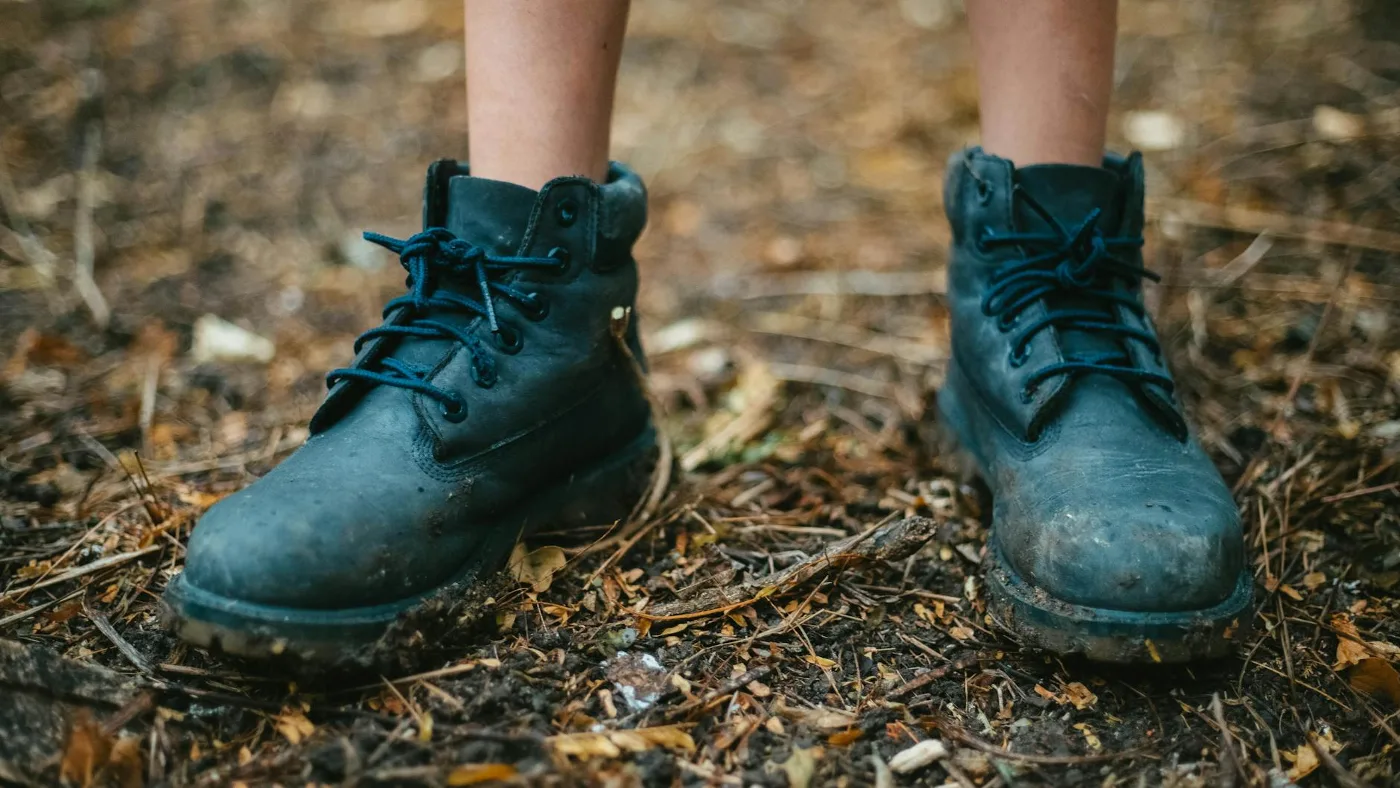
Who composite toe hiking boots are for
Composite toe hiking boots make the most sense for people who split their time between trails, outdoor work, travel, and everyday wear. They are built to give the look and structure of a hiking boot while adding a protective toe cap made from non-metal materials. how to choose work boots for outdoor use offers more detail on this point.
That combination appeals to buyers who want more protection than a standard hiker without the heavier feel that often comes with traditional steel toe footwear. If you need toe protection on uneven ground, around tools, or in environments where a hard toe is a practical precaution, composite toe hiking boots can be a smart middle ground. Steel Toe Hiking Boots Buyer Guide offers more detail on this point.
They are not the best choice for every use case. The right pair depends on how much protection you need, how far you walk, whether the boot will be used in wet weather, and whether comfort or ruggedness matters more in your day-to-day routine.
The short answer: what to expect from composite toe hiking boots
Composite toe hiking boots are hiking-style boots with a protective toe cap made from materials such as fiberglass, carbon fiber, or other non-metal composites. Compared with metal toe boots, they are generally chosen for lighter feel, reduced thermal conductivity, and better compatibility with places where metal can be inconvenient.
That does not mean they are automatically the best option for everyone. They often trade away some of the slim profile and toughness people associate with plain leather hikers, and they may feel bulkier than a lightweight trail boot. The important question is not whether they are “better” in the abstract, but whether they match the conditions you actually face.
Buyer scenario: where they make the most sense
Think about composite toe hiking boots if your footwear has to do more than one job.
- Outdoor work and site visits: Useful when you need toe protection but still want a boot that handles walking, climbing, and mixed terrain.
- Trail-to-town use: Helpful if you want one pair for weekend hikes, travel, and errands without switching footwear constantly.
- Cold or hot conditions: Non-metal toe caps can be more comfortable than metal in temperature extremes, though overall boot construction still matters more than the toe cap alone.
- Long hours on your feet: Good for buyers who care about cushioning, support, and fatigue reduction as much as protection.
The common misconception is that any boot labeled “composite toe” will automatically feel like a regular hiking boot. In reality, the toe cap is only one part of the equation. Outsole stiffness, upper materials, weight distribution, and collar design all influence how the boot feels after several hours of wear.
The trade-offs you should weigh before buying
Composite toe hiking boots solve a real problem, but they also introduce compromises. A thoughtful buyer looks at the full picture instead of focusing only on the toe cap.
Protection versus flexibility
A protective toe cap changes the structure of the forefoot. That can improve safety, but it may also reduce the relaxed feel of a casual hiking boot. Some models feel surprisingly natural; others feel rigid from the first wear. If you prioritize agility on technical trails, a protective toe may feel like overkill.
Weight and fatigue
Composite toe models are often selected because they can feel less cumbersome than metal toe boots. Still, they are usually not as airy as minimalist hikers. If your main goal is fast-paced walking or ultralight backpacking, the added protection may not justify the extra structure.
Temperature comfort
One practical advantage of non-metal toe caps is that they do not conduct temperature the same way metal does. That can be a meaningful comfort point in winter or summer. Even so, insulation, ventilation, sock choice, and lining materials will have a bigger impact on comfort than the toe material alone.
Price versus versatility
Some buyers assume a multi-use boot is automatically good value. That is only true if you really use the protection and support it offers. If your hikes are light, your terrain is predictable, and your work exposure is minimal, a simpler hiking boot may be the better long-term buy.
Material and spec factors that matter most
For composite toe hiking boots, the most useful comparison points are the ones that affect fit, safety, and day-long wear. Style matters, but function should lead. best hiking boots for long walks offers more detail on this point.
Toe cap construction
Composite toe caps are non-metal, which is the main reason many buyers choose them. Their performance is tied to the overall boot design, not just the toe cap itself. Look for a roomy but secure toe box, especially if you wear thicker socks or spend time on descents where toes slide forward.
Upper materials
Leather uppers tend to offer abrasion resistance and structure. Textile or synthetic panels can improve flexibility and breathability. Hybrid uppers often strike a practical balance, but their durability will depend on the quality of stitching, overlays, and reinforcement in high-wear areas.
Outsole and traction
Traction matters as much as toe protection. For hiking-style use, you want an outsole pattern that grips mixed surfaces such as dirt, gravel, rock, wet pavement, and packed trail. A boot with a protective toe but a weak outsole can still be a poor choice on slippery or uneven ground.
Midsole support
Midsole firmness influences how the boot handles load, impact, and long wear. A softer midsole may feel comfortable at first but can feel less stable under a heavy pack or during long shifts. A firmer midsole can improve support but may feel less forgiving. The right balance depends on your stride, terrain, and foot sensitivity.
Ankle height and collar design
Mid-height and high-cut designs can add support and help keep debris out, but they can also reduce freedom of movement. Low-cut composite toe options exist in some categories, though they are less common in true hiking-boot styling. If your routes include loose rock, brush, or uneven footing, a higher collar may be worth the trade-off.
Water resistance and breathability
Water-resistant boots are useful for damp grass, rain, and muddy paths, but they are not the same as fully waterproof boots. A waterproof membrane can improve wet-weather performance, though it may reduce breathability. For warm climates or active hiking, breathability may matter more than maximum water protection.
Fit features
Look closely at width options, heel hold, tongue padding, lacing hardware, and break-in feel. A protective toe can make fit issues more noticeable, especially if the boot narrows at the front. Buyers with wider feet often need to pay extra attention here, because a boot that is technically the right size can still feel cramped in the toe area.
How to choose based on your use case
The best composite toe hiking boots are not the same for every buyer. Use-case matching will save you more frustration than chasing the most feature-rich pair.
For outdoor work with frequent walking
Prioritize cushioning, outsole grip, toe room, and a stable platform. You want enough structure for protection, but not so much stiffness that your feet feel beat up after a long shift. A moderate-weight boot often makes more sense than an overly heavy one.
For light hiking and travel
Comfort and flexibility matter more here. A boot that feels too rigid on day one may not become enjoyable later. If the toe protection is a precaution rather than a daily requirement, choose the lightest model that still gives you the durability and protection you need.
For wet or muddy environments
Focus on outsole grip, upper materials, drainage expectations, and maintenance. Waterproofing can help, but it also changes how the boot breathes. If you regularly walk through rain or wet brush, a model that dries reasonably well and cleans easily can be more practical than a heavily sealed boot.
For cold-weather use
Composite toe hiking boots may feel more comfortable than metal toe alternatives in the cold, but insulation and sock system still matter most. If you need warmth, look at the whole boot build rather than assuming the toe cap solves the problem.
For mixed indoor and outdoor settings
Non-metal toe caps can be useful in settings where metal hardware is inconvenient. Just make sure the outsole is not overly aggressive if you will spend time on smooth floors, and consider whether the boot feels too trail-oriented for daily indoor wear.
Where these boots fall short
Composite toe hiking boots are versatile, but they are not universal. Buyers often run into the same limitations.
- They can feel bulkier than regular hikers: The protective toe adds structure, which can change flexibility and break-in time.
- They are not always the best trail boot: If your hikes are long, technical, and lightweight-focused, a standard hiking boot may feel better.
- They may run hot or stiff depending on construction: Breathability and midsole comfort vary widely by model.
- Fit matters more than the label: A good toe cap cannot make up for poor heel lock, cramped forefoot space, or weak arch support.
A practical nuance many shoppers overlook is that toe protection alone does not make a boot safe for every environment. Think about the entire footwear system: traction, stability, weather resistance, and how the boot behaves when you are tired, carrying gear, or walking on uneven ground.
Common mistakes shoppers make
- Choosing by toe type alone: A composite toe is only one feature. Support, outsole design, and fit often matter more in daily use.
- Ignoring toe-box shape: A protective toe can feel fine in the store and become uncomfortable later if the front of the boot is too narrow.
- Overestimating waterproofing: Water-resistant and waterproof are not the same, and neither guarantees dry feet in deep mud or prolonged exposure.
- Buying for looks instead of activity: Hiking styling does not automatically mean the boot will suit your terrain, pace, or workload.
- Skipping the break-in period: Some models need time to soften and adapt, especially if they combine leather, reinforcement overlays, and a protective toe.
Alternatives worth considering
If composite toe hiking boots feel like too much boot, or not enough of the right kind, a few alternatives may fit better.
- Standard hiking boots: Better for recreational hikers who do not need toe protection.
- Composite toe work boots: Often a stronger choice for jobsite use where protection matters more than trail comfort.
- Trail shoes with rugged construction: Useful for lighter, faster movement when toe protection is not required.
- Waterproof field boots: Worth a look if your main concern is weather resistance rather than hiking performance.
The right choice usually comes down to which compromise you can live with. A boot that is slightly heavier but much more comfortable over distance is often a better buy than a lighter option that leaves you sore or underprotected.
Next steps before you buy
Before choosing a pair, narrow the decision around your real conditions: terrain, weather, walking distance, workplace demands, and fit preferences. Then compare the boot’s toe room, outsole, upper materials, support level, and water resistance against those needs.
If you are deciding between two similar models, lean toward the one that fits your foot shape best and matches the environment you actually face most often. Composite toe hiking boots work best when they are selected as a tool, not treated like a style category.
For shoppers building a broader outdoor footwear setup, this category also connects naturally with other gear decisions such as hiking boots for long-distance comfort, protective work boots, and weather-ready footwear for changing conditions. That broader view helps you buy once, then wear the right pair for the right job.