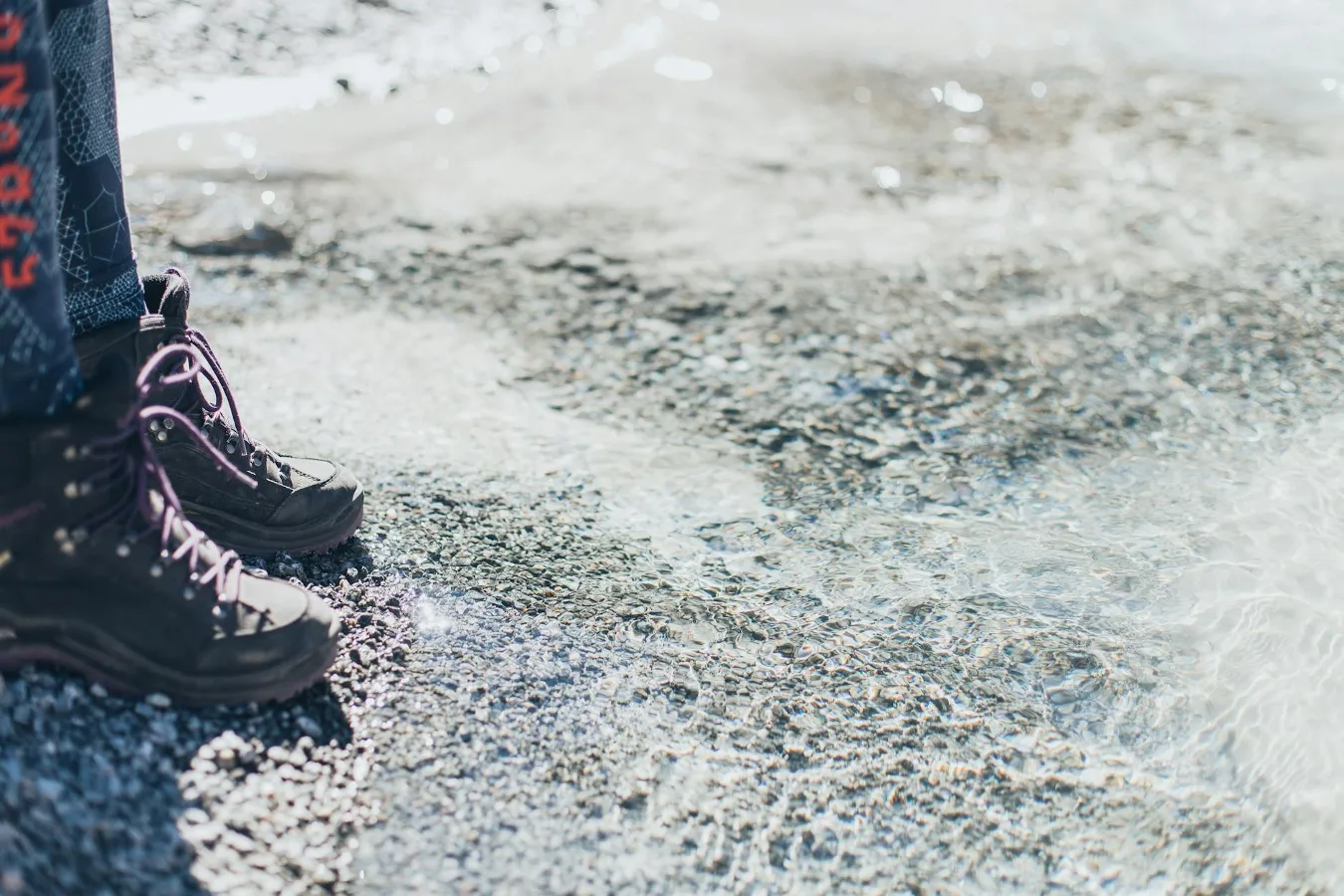
If you have plantar fasciitis, the best hiking boots are usually the ones that reduce strain on the heel and arch without letting your foot slide around. That means looking for a boot with dependable arch support, a firm heel counter, enough cushioning to soften impact, and a fit that matches your foot shape and the socks or orthotics you actually use. Lighter Hiking Boots: What to Look For offers more detail on this point. white hiking boots offers more detail on this point.
The biggest mistake shoppers make is assuming more padding automatically means more comfort. For plantar fasciitis, support and stability matter just as much as softness. A boot that feels plush in the store can still leave your heel aching on a longer climb if the arch collapses, the heel lifts, or the sole flexes too easily.
What to look for first
For this condition, the most useful hiking boot is one that helps keep your foot aligned and reduces repeated stress on the plantar fascia. That usually comes down to four things: arch support, heel stability, midsole structure, and fit.
- Arch support: Look for a boot that matches your arch type closely enough to feel supportive, not aggressive. Too little support can increase strain; too much can feel intrusive.
- Heel stability: A snug heel counter helps reduce unnecessary movement, which can make long hikes feel less punishing.
- Midsole structure: EVA and polyurethane are common midsole materials. The key is not the label alone, but whether the boot feels supportive under load and does not compress too quickly.
- Fit and volume: If the toe box is cramped or the instep is too low, your foot may compensate in ways that aggravate pain.
One overlooked consideration is how the boot works with your orthotics or inserts. Some hiking boots look supportive on paper but become uncomfortable once you add a custom insole or an over-the-counter plantar fasciitis insert. If you rely on inserts, check that the boot has enough interior volume to accommodate them without crowding the foot. how to choose hiking footwear for foot pain offers more detail on this point.
Quick answer: the best type of boot for plantar fasciitis
In most cases, a supportive mid-cut hiking boot with a stable heel, moderate cushioning, and a removable insole is the safest place to start. Many hikers with plantar fasciitis also do well in boots with a slightly stiffer sole, because a sole that resists excessive bending can reduce irritation during long days on uneven ground.
If your pain is worse on hard surfaces, look for a boot that balances cushioning with structure. If your pain flares when your arch feels unsupported, prioritize a secure midfoot and a boot that does not twist easily. The best hiking boots for plantar fasciitis are not always the softest or the most rugged; they are the ones that keep your foot comfortable through the full step cycle.
How to compare hiking boots for plantar fasciitis
Shopping for this condition is less about chasing a specific model and more about comparing the right features in the right order. A helpful way to narrow the field is to think through how each boot handles support, fit, and trail demands.
| Feature | Why it matters | What to watch for |
|---|---|---|
| Arch support | Helps reduce strain through the plantar fascia | Support should feel natural, not overly aggressive |
| Heel stability | Limits excess motion that can aggravate heel pain | Look for a firm heel counter and minimal heel slip |
| Sole stiffness | Can reduce foot fatigue on uneven terrain | Too stiff can feel clunky on flatter trails |
| Cushioning | Softens impact on hard ground | Too much softness may reduce stability |
| Toe box room | Prevents crowding and pressure | Check width, height, and toe wiggle room |
| Removable insole | Lets you use orthotics or other inserts | Confirm the boot still fits well after replacement |
A common misconception is that hikers with plantar fasciitis should always choose the most rigid boot available. Extra stiffness can help some people, especially on rocky trails, but a boot that is too stiff for your stride may create new pressure points. The better question is whether the sole provides enough support without feeling like it fights your foot.
Fit details that matter more than most buyers expect
Fit can make or break comfort with plantar fasciitis. A supportive boot that fits poorly can still trigger heel pain, especially if the foot moves forward on descents or the heel lifts on each step.
Heel hold
Your heel should sit securely without rubbing. Excessive movement can increase friction and strain, especially on longer hikes. Lace tension matters here, too. A boot may be the right size but still feel unstable if the lacing system does not lock the heel in place.
Toe box shape
Many hikers focus on length and forget shape. A narrow toe box can pinch the forefoot and alter how you load each step. For some hikers, a slightly wider toe box is more comfortable because it lets the toes splay naturally, which can help with balance and reduce compensatory tension.
Midfoot volume
If the midfoot is too loose, the arch may not feel supported. If it is too tight, the foot can feel compressed and irritated. This is especially important if you use aftermarket insoles, which take up space and change the fit.
Sock choice
Thicker socks may improve comfort for some hikers, but they can also make a snug boot feel cramped. If you plan to hike in heavier socks, try to evaluate the fit that way rather than assuming the boot will adapt later.
Materials and construction: what helps, what does not
Boot materials influence support, durability, weight, and comfort, but they do not solve plantar fasciitis on their own. A leather boot may feel more structured and durable, while synthetic uppers can feel lighter and easier to break in. Neither is automatically better.
For many hikers, the most relevant construction details are the midsole, outsole, and upper support. A supportive upper helps the foot feel contained. A dependable outsole improves traction and confidence on uneven surfaces. The midsole is where much of the comfort-versus-stability balance happens.
Another practical nuance: a highly cushioned boot can feel wonderful for the first mile and disappointing by mile six if the platform becomes unstable. If your hikes tend to include uneven terrain, roots, or loose rock, support and balance often matter more than a soft first impression.
When a hiking boot may not be the best choice
Not every plantar fasciitis case calls for a boot. If you mostly hike well-groomed paths and prefer a lighter feel, a supportive trail shoe or hiking shoe may work better than a boot. Some hikers do better with less ankle coverage and a more flexible ride, especially if a boot feels restrictive or increases fatigue.
A boot can also be the wrong choice if your pain is sensitive to weight. Heavier footwear may increase effort over time, even when the boot is supportive. In that case, a lighter model with a stable base may be a better trade-off than a traditional heavy boot.
If your symptoms are severe or persistent, footwear alone may not be enough. Plantar fasciitis often responds to a combination of footwear, load management, calf and foot mobility work, and time. A supportive boot can help on the trail, but it should not be treated as the only solution.
Common mistakes to avoid
- Buying for cushioning only: Soft foam without structure can let the foot sink and strain the arch.
- Ignoring inserts: A boot that feels fine barefoot may not fit once you add orthotics or an insole.
- Choosing the wrong width: Too narrow creates pressure; too wide can allow movement and rubbing.
- Overlooking heel slip: Even small amounts of lift can become irritating on longer hikes.
- Assuming break-in will fix everything: Some pressure points improve slightly, but a poor fit rarely becomes a good fit.
- Picking a boot that is too stiff for your terrain: Stability helps, but an overly rigid boot can feel awkward on easier trails.
A subtle mistake is buying a boot that feels great standing still but fails once the foot starts moving uphill and downhill. If possible, test on an incline, step down something, and pay attention to how the heel and arch behave under load. A plantar fasciitis-friendly boot should feel stable in motion, not just comfortable in a static fit check.
Alternatives worth considering
If hiking boots are not the right match, a few alternatives can still support your feet on the trail.
- Supportive hiking shoes: Good for lighter trails and hikers who want less weight and more flexibility.
- Trail runners with structured insoles: Useful if you prefer a low-profile feel and your terrain is not highly technical.
- Orthotic-compatible footwear: Helpful when your existing inserts are the main source of support.
- Walking shoes with rugged outsoles: Better for mixed walking and light trail use than for rough backcountry terrain.
The right alternative depends on where you hike, how sensitive your heel is, and how much support your feet need throughout the day. A boot is not automatically superior just because it is built for the outdoors.
How to narrow your shortlist
If you are comparing several boots, use the same decision order for each pair:
- Confirm the boot can accept your orthotic or preferred insole, if you use one.
- Check heel lock before worrying about cushioning.
- Make sure the toe box gives your toes room to move naturally.
- Assess whether the sole feels supportive without being overly rigid.
- Consider the terrain you hike most often, not the hardest terrain you might ever attempt.
This order helps prevent a common buying trap: choosing a boot that looks ideal in a product listing but fails on the details that affect plantar fasciitis most. A model with excellent traction and durable construction still may not be right if the fit does not support your heel and arch.
Maintenance and comfort over time
Even a well-chosen boot can feel less supportive if the insole packs out, the lacing stretches, or the outsole wears unevenly. Checking your boots regularly helps preserve the fit that made them comfortable in the first place.
If you use removable insoles, watch for signs that they are flattening or losing structure. If the heel starts to slip more than it used to, the boot may need a different lacing approach or a replacement insole. Small changes in fit often show up first as a return of heel discomfort.
For plantar fasciitis, consistent comfort matters more than chasing a perfect-feeling boot on day one. The best hiking boots for plantar fasciitis are the ones that still feel dependable after repeated use, on the terrain you actually cover.
Viewed that way, the decision becomes less about finding a miracle product and more about making a careful match between support, fit, and hiking style. That is usually where the most reliable comfort begins.