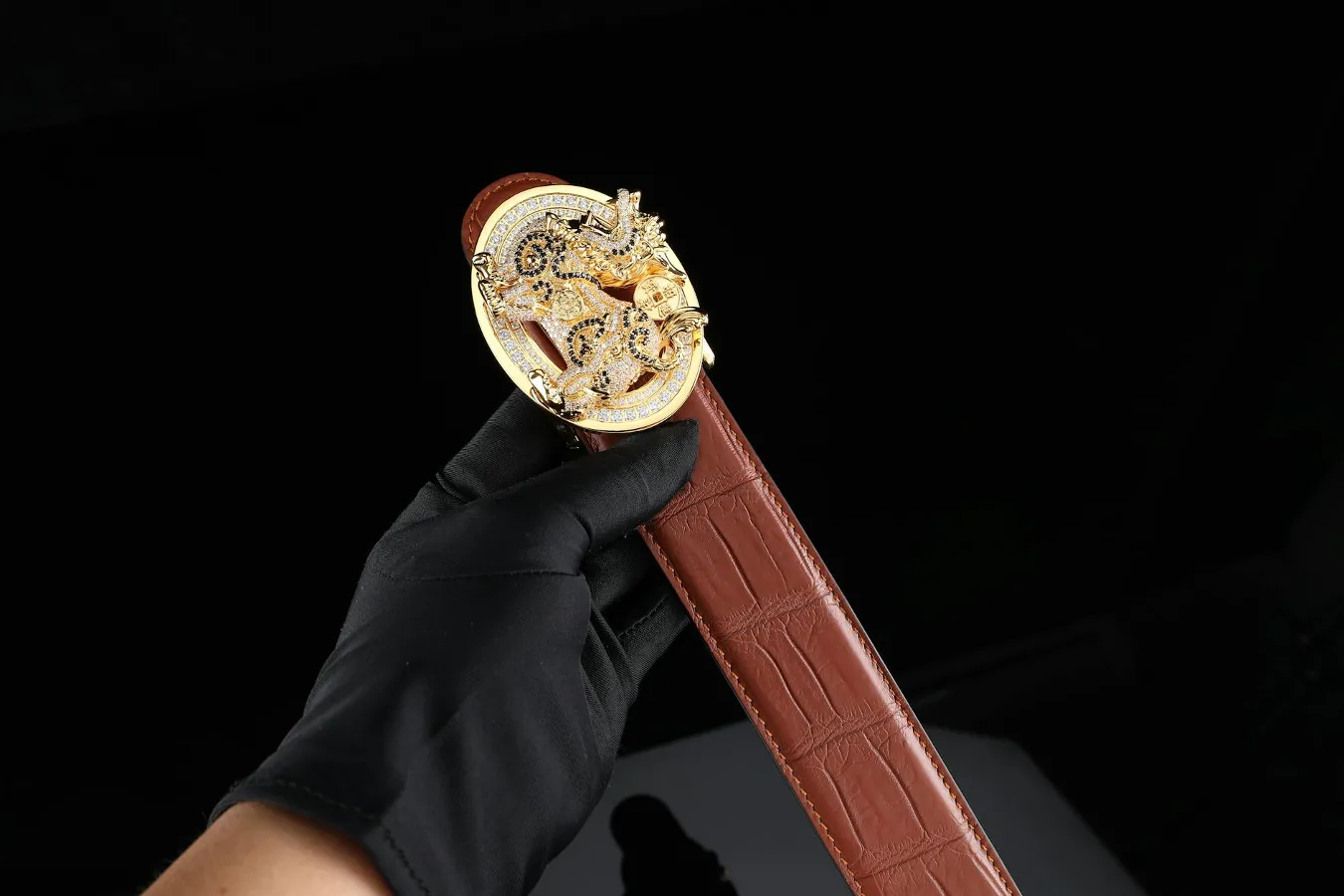
What alligator belts for men are best for
Alligator belts for men are usually chosen for one reason: they give a refined outfit more texture and presence without looking loud. They work especially well with suits, tailored trousers, sport coats, and elevated smart-casual looks. The embossed, scaled, or genuine alligator grain adds visual depth that a plain calfskin belt does not. men’s dress belts guide offers more detail on this point. Suede Belts for Men: A Buyer’s Guide offers more detail on this point.
That said, this is not a belt category for every wardrobe. The right alligator belt depends on how formal your clothing is, how often you will wear it, and whether you want a subtle dress accessory or a more noticeable statement piece. A good choice should feel proportional to the rest of the outfit, not like the centerpiece of it. buckle styles for formal outfits offers more detail on this point.
There is also a practical distinction that buyers sometimes overlook: some belts are made with genuine alligator leather, while others use alligator-embossed or alligator-patterned leather. Both can look sharp, but they serve different budgets and expectations. The best option is the one that matches your style, dress code, and maintenance habits.
The main factors that matter before you buy
Genuine alligator leather versus embossed leather
This is the first decision to make. Genuine alligator leather is the material collectors and luxury buyers usually mean when they talk about an alligator belt. It is valued for its natural scale pattern and the character that comes from the hide itself. Because it is an exotic leather, it is typically positioned as a premium accessory.
Embossed leather, by contrast, uses a printed or stamped surface to imitate that look. It can be a smart choice if you want the texture and visual effect without committing to exotic leather care or higher cost. For many men, an embossed belt is easier to wear daily because they do not have to worry as much about treating it like a special-occasion piece.
The overlooked consideration here is consistency. Genuine exotic leather has a more organic, distinctive look, while embossed leather tends to appear more uniform. If you want a belt that feels unique, that variation may be appealing. If you want something understated and predictable, embossing may actually be the better fit.
Width and formality
Belt width has a major effect on how an alligator belt reads. Narrower belts generally look more refined and pair better with dress trousers and suits. Wider belts often feel more casual and are better suited to jeans or sportier outfits.
For men who want one belt for multiple settings, a medium width can be the most versatile. Still, versatility has limits. A belt that is trying to do everything may not look perfect with either formalwear or casual denim. If your wardrobe leans formal, prioritize the dressy end of the spectrum. If your style is more relaxed, consider whether the texture will work with the rest of your clothes before paying for a premium leather.
Buckle style and metal finish
The buckle should support the belt, not compete with it. A clean, restrained buckle usually works best with alligator leather because the material already brings enough visual interest. Chunky western hardware or highly ornate buckles can overpower the belt and make it harder to wear with tailored clothing.
Metal finish matters too. Silver-toned hardware tends to feel crisp and versatile, while gold-toned hardware can look especially rich with warm brown leather. Matching the buckle finish to your watch, cuff links, or other metal accessories is a subtle but effective way to make the whole outfit feel deliberate.
Color and wardrobe compatibility
Color choice should be driven by the shoes and trousers you wear most often. Black alligator belts are the safest choice for formal dressing, especially with black or dark charcoal shoes. Brown shades are more flexible for business casual wardrobes and can feel warmer and less severe.
Do not assume every shade of brown works the same way. A deep espresso tone pairs differently from a lighter tan or cognac finish. If your shoe collection is mixed, choose the belt color that best fits the shoes you reach for most often. That practical decision usually matters more than chasing a color that looks good in isolation.
Construction and lining
Construction is easy to ignore, but it affects how the belt wears over time. Many better belts combine an exotic outer layer with a supportive core and a smooth lining. This helps the belt hold its shape and sit comfortably through the loop of trousers.
Because alligator leather is textured, quality finishing becomes especially important around the edges and holes. Clean edge painting, secure stitching, and a well-finished lining are signs that the belt is meant to be worn, not just displayed. A beautiful top surface does not compensate for poor construction underneath.
How to match an alligator belt with your clothes
Alligator belts look most natural when they echo the formality of the outfit. With a suit, the belt should be understated. With dress slacks and a button-down shirt, the belt can add a touch of texture without making the outfit feel stiff. With jeans, the look becomes more style-dependent and may work best when the rest of the outfit is clean and intentional.
A common misconception is that exotic leather automatically makes an outfit more luxurious. In reality, the belt only works if the rest of the clothing is in balance. A highly textured belt paired with very casual sneakers and a rumpled shirt can look disconnected. The belt is strongest when it supports a polished overall look.
If you are building a wardrobe around one piece, think about the shoes first. Your belt should coordinate with the leather tone and formality of your shoes, not fight them. For men who wear black oxfords, black loafers, or dark dress boots, a black alligator belt is usually the simplest answer. For brown suede loafers, derby shoes, or burgundy footwear, a brown belt often makes more sense.
Where an alligator belt fits best in a wardrobe
- Business formal: Best when the belt is slim, dark, and restrained.
- Business casual: Works well with chinos, sport coats, and polished leather shoes.
- Evening wear: Can add texture to a monochrome or dark-toned outfit.
- Special occasions: Useful when you want a more elevated accessory without changing the overall dress code.
These belts are less useful in wardrobes built around rugged workwear, heavy casual denim, or athletic-inspired outfits. The texture can look out of place if everything else is visually relaxed. That does not make them difficult to wear; it just means they are a more selective accessory than a plain leather belt.
Practical trade-offs to consider
The biggest trade-off is between impact and versatility. Alligator leather gives a belt more character, but character can narrow where it looks appropriate. A plain calfskin belt usually disappears into an outfit more easily. An alligator belt stands out, which is part of the appeal, but it also demands more thoughtful coordination.
Another trade-off is durability versus delicacy. A well-made exotic belt can last for years with proper care, but the leather surface should be treated more carefully than rougher everyday belts. Scratching, over-drying, and poor storage can shorten its useful life. If you want a belt you can wear hard every day, a less delicate leather may be the better choice.
There is also a budget trade-off. Genuine alligator belts often sit at a higher price point than standard leather belts, so you should judge the purchase by how often it will be worn. If the belt will live in the closet except for a few formal events, the value equation is different than if it will anchor a weekly work wardrobe.
How to avoid common buying mistakes
- Choosing the wrong size: A belt should fit comfortably with some room for adjustment, not sit on the last hole every time.
- Buying only for the pattern: Texture alone is not enough; buckle, width, and color all need to work together.
- Ignoring shoe color: The fastest way to make a premium belt look mismatched is to ignore the shoes it needs to coordinate with.
- Overlooking the lining and edges: A beautiful exterior does not guarantee comfortable or long-lasting construction.
- Making it too casual: An alligator belt often looks best with polished clothing, not with highly broken-in casual wear.
One practical nuance is that the belt hole placement matters as much as the stated size. The ideal belt lets you fasten it near the middle holes so there is room for seasonal wardrobe changes and natural body fluctuation. That small detail makes the belt easier to live with over time.
Caring for an alligator belt
Exotic leather needs gentler care than a basic everyday belt. Keep it dry, avoid unnecessary bending, and store it so the leather is not crushed or twisted. If the belt gets dusty, a soft dry cloth is usually the safest first step. For more specific conditioning, follow the guidance appropriate to the leather finish and the manufacturer’s recommendations.
Do not assume that a conditioning product suitable for every leather is automatically right for alligator leather. Over-treatment can dull the finish or change the surface appearance. For that reason, simple preventive care is often better than aggressive restoration later.
Storage is another overlooked issue. Hanging the belt or laying it flat in a drawer can help preserve its shape. Stuffing it into a tight space or leaving it wrapped around a buckle for long periods can create bends that are hard to remove.
Good alternatives if alligator feels too specific
If you like the look but want more flexibility, consider a textured calfskin belt, a crocodile-embossed belt, or another exotic-inspired leather with a subtler profile. These options can deliver some of the same visual interest while being easier to coordinate or maintain.
For a highly formal wardrobe, a simple black calfskin belt may actually be more useful than a decorative exotic one. For a wardrobe that leans toward fashion-forward dressing, a textured belt can provide interest without requiring a full exotic-leather commitment. The right choice depends on how much visual emphasis you want the belt to carry.
How to decide quickly
If you want one refined belt for suits and polished business wear, choose a slim black alligator belt with a restrained buckle. If your wardrobe is more business casual, a brown alligator belt in a balanced width will usually be easier to wear. If you want the aesthetic but not the maintenance or price commitment, an embossed leather alternative is the more practical route.
The best alligator belt is not simply the most expensive or the most exotic. It is the one that fits your wardrobe, matches your shoes, and looks appropriate in the settings where you will actually wear it. That is what makes it feel like a deliberate style choice rather than a novelty accessory.