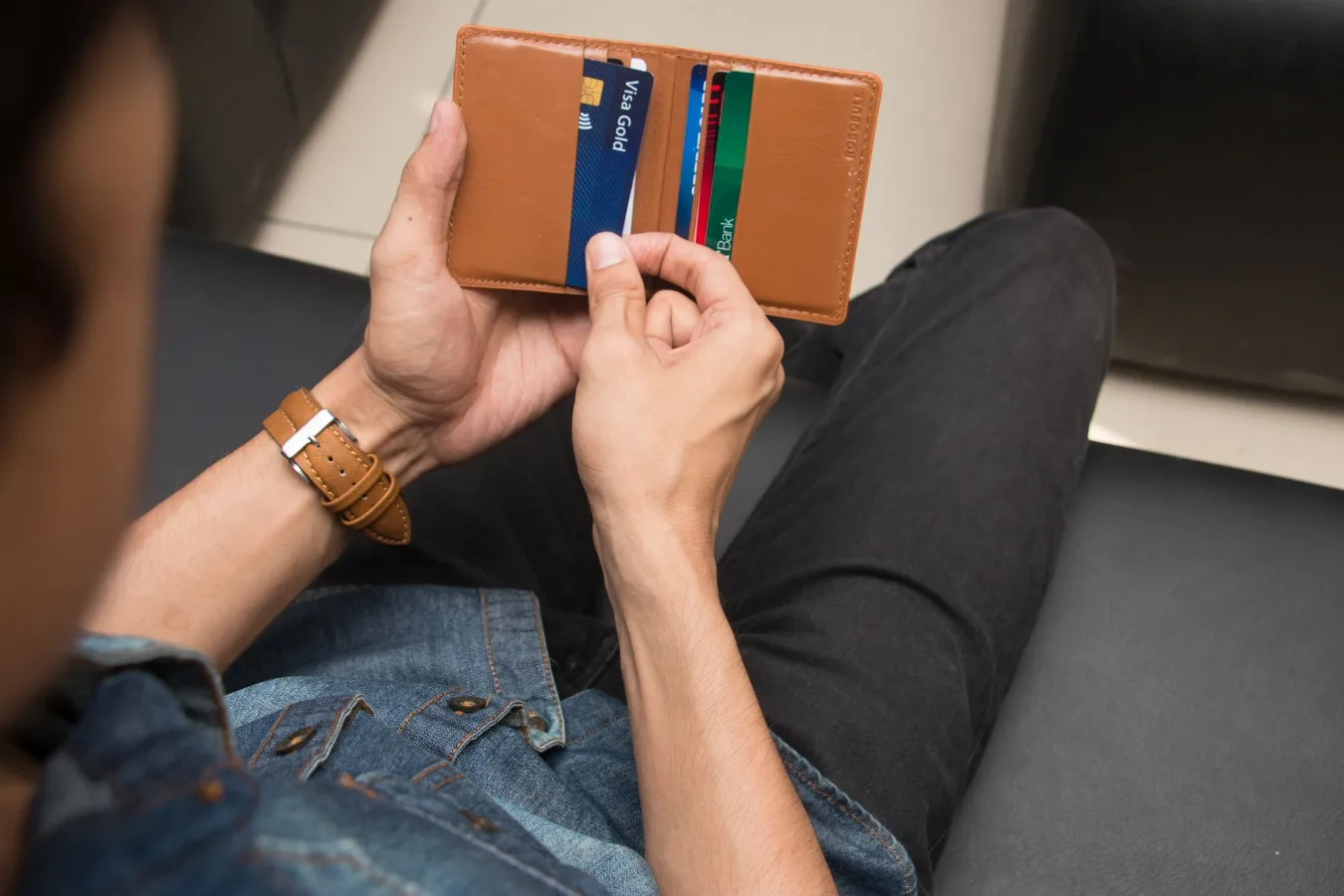
If you’re looking for Hooey wallets for men, the main appeal is straightforward: Western-inspired style with a shape and layout that still works for everyday carry. The right choice usually comes down to how much you carry, whether you prefer leather or synthetic materials, and how slim you want the wallet to feel in a front or back pocket. handmade leather wallets for men offers more detail on this point. Front Pocket Leather Wallets for Men Guide offers more detail on this point.
That sounds simple, but wallet buying gets tricky fast. A design can look great and still be awkward in daily use if the card slots are too tight, the profile is too bulky, or the closure style does not suit how you carry cash and cards. This guide focuses on those practical differences so you can choose a Hooey wallet that fits your routine, not just your style. men’s wallet buying guide offers more detail on this point.
What to expect from Hooey wallets for men
Hooey is closely associated with Western and ranch-inspired style, so these wallets tend to fit men who want something more distinctive than a plain minimalist card holder. Depending on the specific model, you may see features such as a bifold layout, multiple card slots, a bill compartment, an ID window, or a more compact silhouette for lighter carry.
The most useful way to evaluate a Hooey wallet is to think less about branding and more about function. Ask a few basic questions: do you carry cash regularly, do you use several cards, do you want something that breaks in over time, and do you prefer a wallet that disappears in your pocket or one that feels substantial in the hand? The answers will point you toward the right format.
The key factors that matter most
Material and feel
Material affects more than appearance. It changes structure, flexibility, break-in time, and long-term wear. Leather wallets often feel more traditional and can develop a softer feel with use, while other materials may prioritize lighter weight or easier maintenance. If you prefer a wallet that looks better as it ages, leather is usually the natural starting point. If you want something that stays relatively stiff and easy to clean, a different construction may be more practical.
Pay attention to the finish as well. A smooth finish can look refined but may show scuffs more easily. A more textured surface can hide wear better and suit rugged, workwear, or rodeo-inspired outfits. If you carry a wallet daily in jeans, that detail matters more than many buyers expect.
Capacity without unnecessary bulk
One of the most common mistakes is buying a wallet that holds more than you actually need. Extra slots sound convenient, but they can make the wallet thicker and less comfortable in a pocket. If you only use a few cards and some folded bills, a slimmer design is usually the better choice. If you carry membership cards, business cards, receipts, and cash, a more structured bifold may be a better fit.
Capacity should match your real habits, not an idealized version of them. A wallet that is too small creates frustration because cards get hard to remove. A wallet that is too large becomes uncomfortable and can wear out faster because it is overstuffed.
Front pocket or back pocket use
The pocket you plan to use changes everything. A front pocket wallet usually needs a slimmer profile and cleaner edges so it does not print or feel bulky when seated. A back pocket wallet can be a little larger, but too much thickness can still become uncomfortable over time. For men who sit for long periods, slimmer carry is often the better everyday choice.
This is an overlooked consideration because many buyers shop by appearance alone. The right wallet for jeans at a concert or rodeo may not be the right wallet for commuting, office wear, or travel.
Organization style
Some men want a wallet that keeps everything separated. Others prefer fast access and minimal fuss. If you like order, look for clear card-slot layout, a dedicated ID window if that matters to you, and a bill compartment that keeps cash flat. If you prefer simplicity, fewer sections may actually improve usability.
There is a trade-off here: more organization can mean more thickness, while a simpler design often means quicker access. Neither is better in every case.
Construction and durability cues
Even without handling the wallet in person, you can look for clues that suggest better durability. Neat stitching, reinforced stress points, and a shape that holds its form are all positive signs. A wallet that feels flimsy in product photos or description usually won’t improve much in real use.
For a men’s wallet, durability is less about making a dramatic style statement and more about how well it resists daily friction from pockets, keys, and repeated card removal. If you carry the wallet every day, little construction details matter a lot.
Practical ways to choose the right Hooey wallet
If you carry mostly cards
If your everyday routine is card-heavy and cash-light, look for a compact bifold or slim card-focused design. The goal is easy access without excess bulk. A wallet that forces cards to bunch up will become annoying quickly, especially if you use the same few cards repeatedly.
For this use case, it helps to choose a wallet with enough card slots to separate the essentials, but not so many that the wallet becomes overbuilt. A lean layout usually works best.
If you still carry cash regularly
If you use bills often, a wallet with a proper bill compartment is worth prioritizing. Folding cash into a pocket sleeve can work in a pinch, but it is less organized and can make the wallet feel cluttered. A true bifold design usually handles cash more naturally.
That said, cash-friendly does not have to mean bulky. The best version balances a clean profile with enough structure to keep bills flat and easy to retrieve.
If style is just as important as utility
Many buyers are drawn to Hooey because the brand fits a Western wardrobe, denim, boots, and casual weekend wear. If style matters as much as function, look for details that match the rest of your accessories. Color, texture, logo placement, and overall silhouette all affect whether the wallet feels coordinated or out of place.
A common misconception is that a stylish wallet must be oversized or heavily branded. In practice, the strongest designs usually look intentional without becoming flashy.
If you want a gift
Wallets are popular gifts because they are useful, but that also means they can miss the mark if you choose by looks alone. For gifting, think about the recipient’s daily habits. Does he prefer front pocket carry? Does he use a lot of cards? Does he dress more Western, casual, or workwear-focused?
If you are unsure, a mid-size bifold is often the safest middle ground. It is familiar, broadly useful, and more likely to suit different routines than a very specialized slim wallet.
Where Hooey wallets fit compared with other men’s wallet styles
Hooey wallets sit in the space between functional everyday carry and distinctive Western-inspired style. That makes them different from plain minimalist card holders and also different from larger traditional wallets that prioritize maximum storage.
Here is the practical comparison:
- Versus minimalist card holders: Hooey wallets usually offer more organization and a more traditional feel, but they may be thicker.
- Versus trifold wallets: They often feel less bulky and easier to live with day to day, while still giving you enough room for essentials.
- Versus premium dress wallets: They tend to lean more casual and rugged, which suits jeans, boots, and workwear better than formal tailoring.
This comparison matters because the best wallet is not always the most minimal or the most capacious. It is the one that fits your routine with the least friction.
Common mistakes buyers make
Choosing by appearance only
A wallet can look sharp in a product photo and still be a poor daily carry option. If you do not think through pocket size, card count, and cash use, you may end up with something that feels awkward after a week.
Ignoring break-in behavior
Some wallets feel stiff at first, especially if they are made from leather or have reinforced construction. That is not automatically a flaw, but it does affect early comfort. If you want a wallet to feel flexible right away, look for a design known for a slimmer or softer profile.
Overstuffing the wallet
Overstuffing shortens the useful life of nearly any wallet. It stretches slots, distorts the shape, and makes access harder. If you buy a wallet that is only barely large enough for your current loadout, it will not age well.
Skipping measurement awareness
Even if a wallet is “standard size,” the difference between a pocket-friendly design and one that rides awkwardly can be meaningful. If you usually carry in the front pocket, pay close attention to the wallet’s profile, not just its style.
How to decide which Hooey wallet is right for you
The simplest decision path is to match the wallet to your carry habits:
- Start with what you carry. Count your everyday cards and decide whether cash is a regular part of your routine.
- Choose the format. Slim card holder for minimal carry, bifold for a balanced option, larger layout if organization matters more than thinness.
- Check pocket compatibility. Front pocket carry usually calls for a slimmer design.
- Think about finish and style. Pick a look that matches your clothing, boots, belt, and other accessories.
- Consider maintenance. If you want lower upkeep, choose a wallet style that fits your tolerance for care and wear.
If you are still undecided, lean toward the most versatile design rather than the most specialized one. A wallet that does a few things well is usually better than one that tries to do everything.
Care and maintenance basics
Wallet care is simple, but it matters. Keep the wallet from being overloaded, avoid storing it in damp conditions, and wipe away dirt or residue before it builds up. If the wallet uses leather, occasional conditioning may help preserve the feel and flexibility, but only use care products that are appropriate for the material. Not every finish needs the same treatment.
One practical habit makes a big difference: rotate out old receipts, expired cards, and unnecessary bulk. A cleaner wallet lasts longer and feels better in daily use.
Who a Hooey wallet suits best
A Hooey wallet makes the most sense for men who want their accessories to feel a little more Western, casual, or ranch-inspired without giving up practical everyday function. It is a strong fit for denim-and-boots outfits, laid-back workwear, and gift buyers looking for something useful with personality.
It may be less ideal for someone who wants the thinnest possible carry or a highly formal dress wallet. Those buyers may prefer a minimalist card holder or a more understated leather bifold with a quieter profile.
If your priority is a wallet that blends style with real-world usability, the key is to choose the right layout and size for your habits. That matters more than chasing the most eye-catching design.