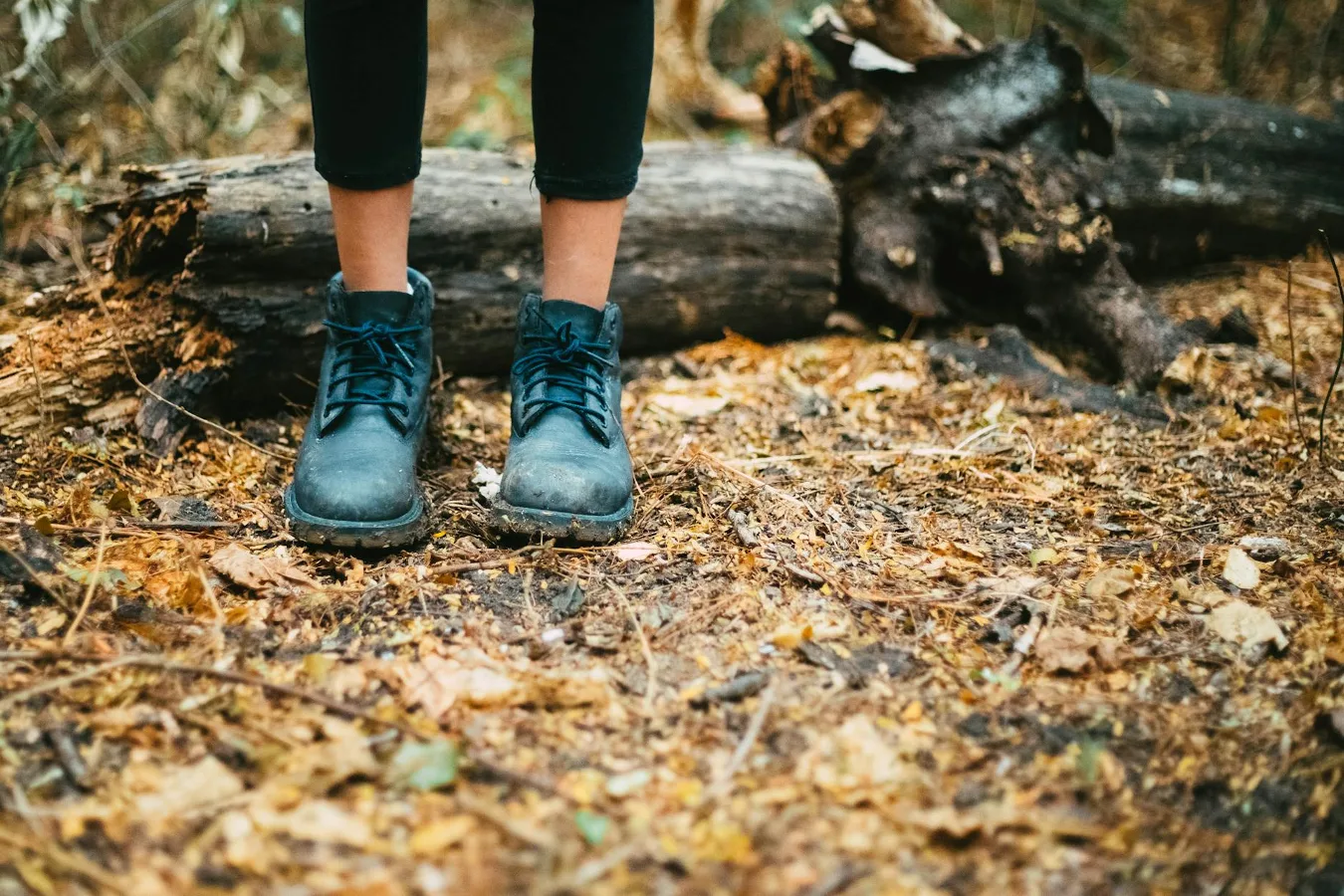
If you are looking for the best ladies hiking boots, start with fit and terrain rather than brand names or features. The right boot is the one that matches your foot shape, the type of trail you actually hike, and the kind of support you need for comfort over time. vibram sole hiking boots offers more detail on this point.
For many hikers, the best choice is a boot that balances traction, stability, and comfort without feeling heavy or stiff. For others, a lighter boot or even a supportive hiking shoe may be the better buy. The key is knowing where hiking boots add value and where they become unnecessary weight.
When ladies hiking boots matter most
Hiking boots are most useful when the trail is uneven, wet, rocky, steep, or likely to leave you carrying a load for long stretches. They can also make sense if you want more protection from roots, stones, brush, or mud than a low-cut shoe can provide.
That said, not every hike requires a traditional boot. On well-maintained paths, many hikers prefer lighter footwear because it moves more naturally and can feel less tiring. A common misconception is that more boot automatically means more comfort. In reality, the best option is the one that suits the trail and your body mechanics.
Step-by-step criteria for choosing the right pair
1. Start with fit before features
Fit is the most important factor because even a well-made boot becomes a poor choice if it rubs, compresses, or slides. Look for a secure heel, enough room in the forefoot, and no pressure across the instep. Your toes should have space to move, especially on descents where feet can slide forward.
Try boots with the hiking socks you plan to wear. Sock thickness changes how the boot feels, and a pair that seems perfect barefoot may feel cramped with a proper trail sock. If you often struggle with toe pinching, wide-fit models or boots with a roomier toe box are worth prioritizing.
2. Match the boot to the terrain
Terrain should guide the level of protection and stiffness you choose. For mixed dirt paths and moderate inclines, a lighter hiking boot may be enough. For loose rock, steep trails, or carrying a pack, a more supportive mid-cut boot can help with stability and confidence. women’s hiking footwear guide offers more detail on this point.
If your hikes are mostly short and on maintained trails, a heavy boot may be overkill. If you hike in places with mud, scree, or frequent stream crossings, more aggressive tread and water resistance become more relevant than fashion or a sleek profile.
3. Decide how much support you actually need
Support is one of the most misunderstood features in hiking footwear. A boot with a tall collar may feel reassuring, but ankle support depends on more than height alone. Fit, lacing, sole stiffness, and how well the boot holds your heel all matter.
People who prefer a stable feel underfoot often like firmer midsoles and a more structured build. Hikers who value freedom of movement may prefer a flexible boot or shoe. Neither is universally better; the right answer depends on trail difficulty, pack weight, and personal comfort.
4. Choose traction based on conditions, not appearance
Outsole pattern matters more than how rugged a boot looks. Deep lugs tend to help with mud and loose ground, while a more balanced tread can work well on dirt, gravel, and rock. Very aggressive tread is not always ideal because it can feel clunky on hard-packed trails.
Think about where you hike most often. If your trails are frequently slick or uneven, traction should be near the top of your list. If your routes are mostly dry and maintained, a less aggressive outsole may feel smoother and more comfortable.
5. Decide whether waterproofing is useful
Waterproof boots can be helpful in wet grass, mud, rain, and shallow puddles. They can also add peace of mind on unpredictable days. But waterproof materials may reduce breathability, which matters on warm hikes or in humid climates.
This is a real trade-off, not a universal upgrade. If you hike in dry conditions or in hot weather, a breathable non-waterproof boot may be the more comfortable choice. If you regularly hike in damp conditions, waterproofing may be worth the slight loss in airflow.
6. Look at weight and stiffness together
Weight affects how tiring a boot feels over distance, while stiffness affects how much the boot resists bending and twisting. A lighter boot can feel easier to move in, but it may offer less structure. A stiffer boot can help on rough ground, but it may require a longer break-in and feel less natural at first.
For casual day hikes, many people prefer a lighter, more flexible option. For backpacking or rough terrain, added structure can be a fair trade for support and protection.
Examples of boot styles and who they suit
Different hiking boot styles solve different problems. Thinking in terms of use case is often more helpful than trying to find a single “best” boot for every woman.
- Light hiking boots: Best for day hikes, gentler trails, and hikers who want less bulk.
- Mid-cut hiking boots: A common middle ground for moderate trails, varied weather, and extra ankle coverage.
- Waterproof hiking boots: Useful for damp climates, muddy trails, and unpredictable conditions.
- Wide-fit boots: Helpful if your forefoot feels cramped in standard sizing or if you prefer more toe room.
- Backpacking-style boots: Better suited to carrying heavier loads and spending more time on rough ground.
One overlooked consideration is how much you value ground feel. Some hikers want to feel stable and close to the trail; others want more cushioning and a more insulated feel underfoot. Neither preference is wrong, but it changes which boot will feel “best” in daily use.
What many shoppers overlook
People often focus on waterproof labels, outsole depth, or collar height and overlook the parts that affect comfort most: heel lock, toe room, and flex point. If the boot bends in the wrong place for your stride or rubs during downhill walking, the headline features will not matter much.
Another common mistake is choosing a boot that feels perfect for five minutes in a store but fails on a longer walk. Stand in the boots, walk on an incline if possible, and pay attention to pressure points. A boot should feel secure without making you aware of every seam.
Break-in time is also easy to underestimate. Some boots feel comfortable quickly, while others need gradual wear before they settle in. If you need footwear for an upcoming trip, avoid assuming every boot will soften fast enough for immediate use.
A practical checklist before you buy
- Try boots on with the socks you plan to hike in.
- Check that your heel stays secure without slipping.
- Leave enough room for toes, especially for downhill hiking.
- Decide whether waterproofing is helpful for your climate.
- Match boot weight to the distance and terrain you cover most often.
- Think about whether you need a wide fit or extra arch room.
- Choose tread based on mud, rock, dirt, or mixed trail conditions.
- Consider how much break-in time you can realistically allow.
Comfort, durability, and long-term value
The best ladies hiking boots are not always the most expensive or the most feature-heavy. Long-term value comes from a boot you actually wear often because it fits your foot and suits your hiking habits. A simpler boot that feels comfortable every time may be a better buy than a technically impressive model that stays in the closet.
Durability depends on materials, construction, and how often the boots are used. If you hike frequently on rough trails, stronger materials and better sole construction may justify a higher upfront cost. If your hikes are occasional, you may be better served by a lighter, more affordable pair that meets your needs without overcommitting.
Maintenance matters as well. Mud, salt, and damp storage can shorten the useful life of hiking boots. Let them dry naturally after hikes, clean off debris, and store them in a cool, dry place. Even a good pair can wear out early if it is repeatedly put away wet.
When a hiking shoe or trail runner may be the better alternative
Boots are not automatically the best answer. If you hike mostly on easy trails, prefer lighter footwear, or want more flexibility, a trail shoe or hiking shoe may make more sense. These options often feel less bulky and can be easier for long, steady walking.
Choose a boot when you want more coverage, more structure, or a bit more protection from the elements. Choose a shoe when comfort, speed, and low weight matter more than maximum support. Many hikers own both because their needs change with season and terrain.
Buying decision summary
The best ladies hiking boots are the ones that fit your foot well, match your trail conditions, and feel comfortable after the first mile, not just in the fitting room. Focus on fit, traction, support, waterproofing, and weight in that order, and be honest about where and how often you hike. Best Hunting Hiking Boots: How to Choose offers more detail on this point.
If you want a single principle to guide the purchase, make it this: buy for your real hikes, not your hardest imagined hike. The most practical boot is usually the one that handles your actual routes with the least compromise.