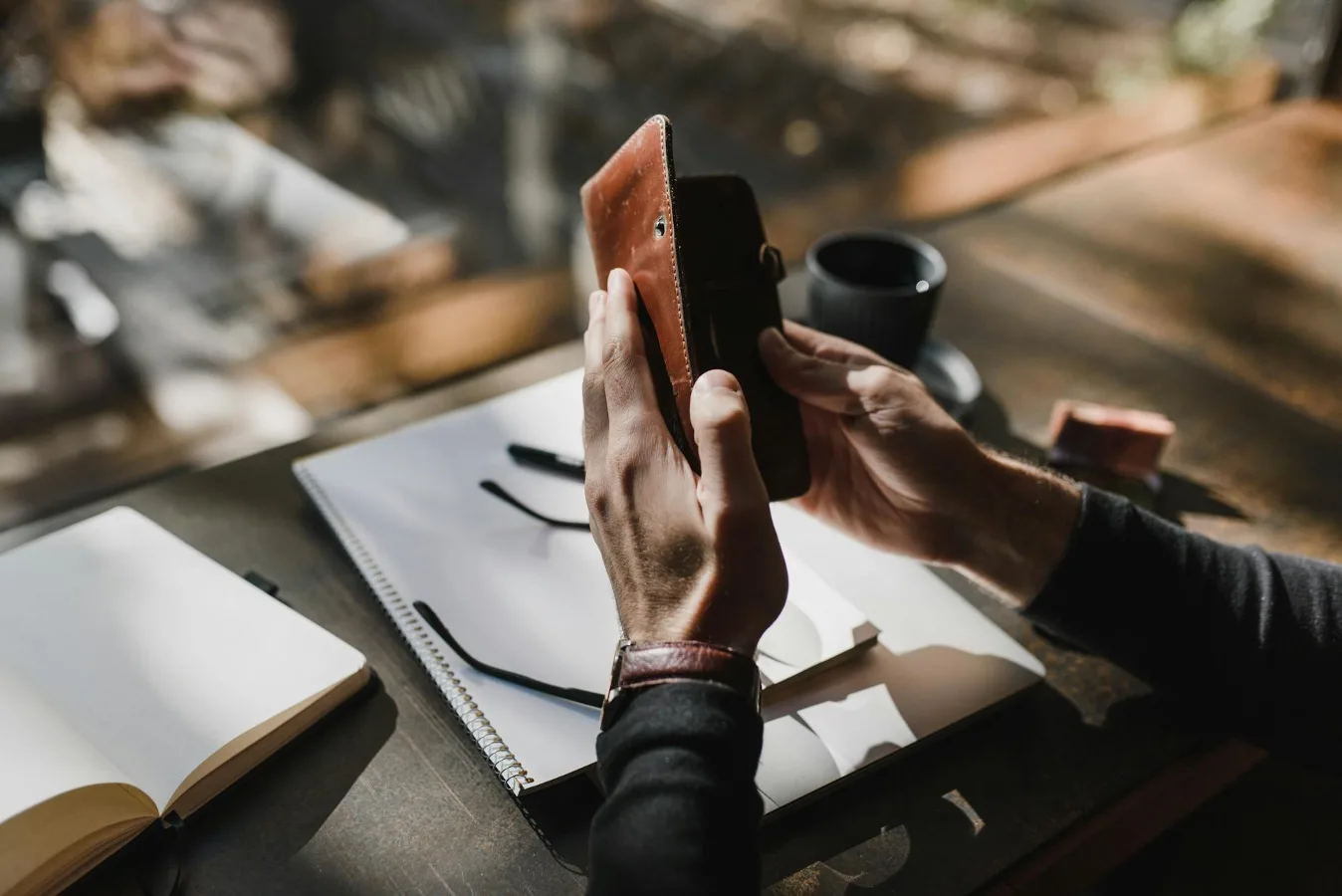
Zip-up wallets for men are worth considering when you want a wallet that feels more secure and more organized than a traditional open fold. The zipper helps keep cards, cash, receipts, and small items contained, which is especially useful for commuting, travel, or anyone who carries more than a few essentials. wallets for men with airtag offers more detail on this point.
The best zip-up wallet is not always the smallest or the most expensive. It is the one that matches your daily carry, fits your pocket or bag comfortably, and closes smoothly without making access frustrating. That balance matters more than the wallet style itself.
When a zip-up wallet makes sense
A zip-around wallet tends to make the most sense if you prefer contained storage over quick open access. The zipper creates a closed perimeter, which can help reduce the chance of items slipping out when you move the wallet between a jacket pocket, backpack, desk drawer, or carry-on.
This style is also practical if you carry a mix of cards, folded cash, transit passes, receipts, or a few coins. Compared with a standard bifold or card sleeve, the zip format can feel less exposed and more orderly. That does come with a trade-off: it usually takes a little longer to open, close, and retrieve what you need.
For men who carry a wallet in a bag rather than a back pocket, that trade-off is often easy to accept. For front-pocket carry, the fit and thickness become more important, because zipper hardware and a fuller structure can add bulk. Best Front Pocket Wallets for Men offers more detail on this point. compact wallets for front pocket carry offers more detail on this point.
How to judge the right one step by step
1. Start with what you actually carry
The most overlooked mistake is buying a wallet based on appearance instead of contents. Before comparing designs, look at how many cards you carry daily, whether you keep cash folded or flat, and whether you need room for coins, keys, or small receipts.
If you carry only a few cards, a large zip-around design can feel unnecessarily bulky. If you carry multiple cards plus cash and travel items, a very slim model may be too restrictive. A good match should hold your essentials without forcing the zipper closed.
2. Check the interior layout
Zip-up wallets vary a lot inside. Some are simple single-compartment pouches. Others include card slots, slip pockets, a bill section, or an ID window. The best layout depends on how you like to separate items.
If you want speed, look for a layout that keeps frequently used cards easy to reach without emptying the whole wallet. If you want better organization, a structured interior can help reduce clutter. Too many compartments, though, can make the wallet feel cramped and harder to close cleanly.
3. Match the size to your carry style
Size affects comfort just as much as capacity. A wallet that is technically compact may still feel awkward if the zipper track is stiff or the corners are too rigid for your pocket. On the other hand, a slightly larger zip wallet may be easier to use if it opens wide and keeps everything visible.
Think about where you will carry it most often. Front pocket carry usually favors slimmer profiles. Bag carry allows more freedom, especially for travel-oriented wallets that hold passports, boarding passes, or extra cards.
4. Compare materials with real use in mind
Material choice affects the way the wallet wears, feels, and ages. Leather can offer a more classic look and often softens over time, though it may need more care to avoid dryness or scuffing. Synthetic materials can be lighter and easier to wipe clean, which may appeal to someone who wants low-maintenance use.
Fabric and nylon styles often suit travel or casual everyday carry because they are lightweight and flexible. They may not feel as formal as leather, but they can be practical if durability, weather resistance, and reduced bulk matter more than dressy appearance.
5. Inspect the zipper and edges closely
With a zip-up wallet, the zipper is not a minor detail. It is central to how the wallet functions. A smooth zipper should open and close without catching on the fabric or rubbing uncomfortably against your hand. The pull tab should feel easy to grasp, but not so large that it becomes awkward in a pocket.
Pay attention to edge construction as well. If the wallet has sharp corners, stiff seams, or a zipper track that sits unevenly, it may feel less comfortable over time. These details matter because the wallet is touched constantly and opened many times a day.
Benefits and trade-offs to weigh carefully
Zip-up wallets appeal to people who want a little more containment than a traditional wallet offers. That can mean better item security in a bag, less chance of loose cards shifting around, and a cleaner overall carry. The enclosed shape can also make the wallet feel more deliberate and structured.
Still, the zipper adds a few compromises. It can slow access compared with a simple open bifold. It can also add weight, especially if the wallet uses heavier hardware or reinforced construction. For some users, the zipper itself is the reason the wallet feels too busy or too bulky.
There is also a practical misconception worth clearing up: a zip-up wallet is not automatically more secure in every sense. It may help keep items from falling out, but it does not replace normal care with cards, cash, or digital payment security. It is best understood as a containment feature, not a guarantee.
Use cases that fit this style well
Zip-up wallets are often a strong choice for travel, commuting, and everyday carry when organization matters more than speed. They can be especially useful if you move between environments and do not want items exposed in an open wallet.
They also work well for men who prefer one compact organizer for multiple essentials instead of separate card cases, coin pouches, and cash holders. That said, if you only carry a couple of cards and almost no cash, a simpler slim wallet may serve you better.
For formal settings, a streamlined zip wallet in leather or another understated finish can still look refined. For casual or travel use, fabric or nylon versions may offer more flexibility and less worry about wear.
Common mistakes buyers make
- Choosing capacity that is too large: Extra room sounds useful, but oversized wallets can become bulky and difficult to pocket.
- Ignoring zipper quality: A wallet can look polished but still be annoying if the zipper snags or feels rough.
- Overfilling the wallet: Even a well-made zip design can stretch, warp, or become harder to close if packed too tightly.
- Picking style before function: Appearance matters, but layout and size should lead the decision.
- Forgetting pocket compatibility: A wallet that works in a bag may not feel comfortable in a front pocket.
A practical checklist before you buy
Use this checklist to narrow the options:
- Does it fit the number of cards you carry every day?
- Is there a separate place for cash, or will bills need to be folded?
- Does the zipper open and close smoothly?
- Will the shape fit your pocket, jacket, or bag comfortably?
- Is the interior layout simple enough for quick access?
- Does the material match your preferred level of care and maintenance?
- Will the wallet still feel comfortable when it is fully loaded?
- Is the overall profile suitable for your usual carry style?
Alternatives worth considering
If a zip-up wallet feels too enclosed, a bifold or trifold may be a better fit. Those styles usually offer faster access and a more traditional feel, though they can be less contained. A slim card holder is another option if you mainly carry cards and want the lightest possible setup.
For travel, some men prefer a passport wallet or a travel organizer instead of a standard everyday wallet. That can make sense if you need dedicated space for documents, tickets, and extra storage. The key is matching the format to the job rather than assuming one wallet should cover every situation.
If you want something between a simple wallet and a full organizer, a zip-around wallet with a modest interior layout can be the most versatile middle ground.
What matters most for long-term value
Long-term value in a zip-up wallet usually comes from usability, not just appearance. A wallet that closes reliably, fits your carry style, and avoids unnecessary bulk will usually stay useful longer than one that looks good in photos but becomes irritating in daily use.
Material durability, stitching quality, zipper smoothness, and interior efficiency all matter. Maintenance is part of the equation too. Leather versions may reward a little care, while synthetic or fabric versions may suit buyers who want less upkeep.
If you want one wallet to do everything, be realistic about compromise. Zip-up wallets can be highly practical, but they are rarely the fastest or slimmest option. Their value comes from containment, organization, and a more secure feel in everyday use.
Final take
Zip-up wallets for men make the most sense when you want a compact organizer that keeps essentials together and reduces the chance of items slipping out. They are especially useful for travel, bag carry, and anyone who values structure over instant access.
The best choice is not about chasing the most features. It is about choosing the right size, layout, material, and zipper quality for how you actually live. If those pieces line up, a zip-up wallet can be one of the most practical accessories in your rotation.