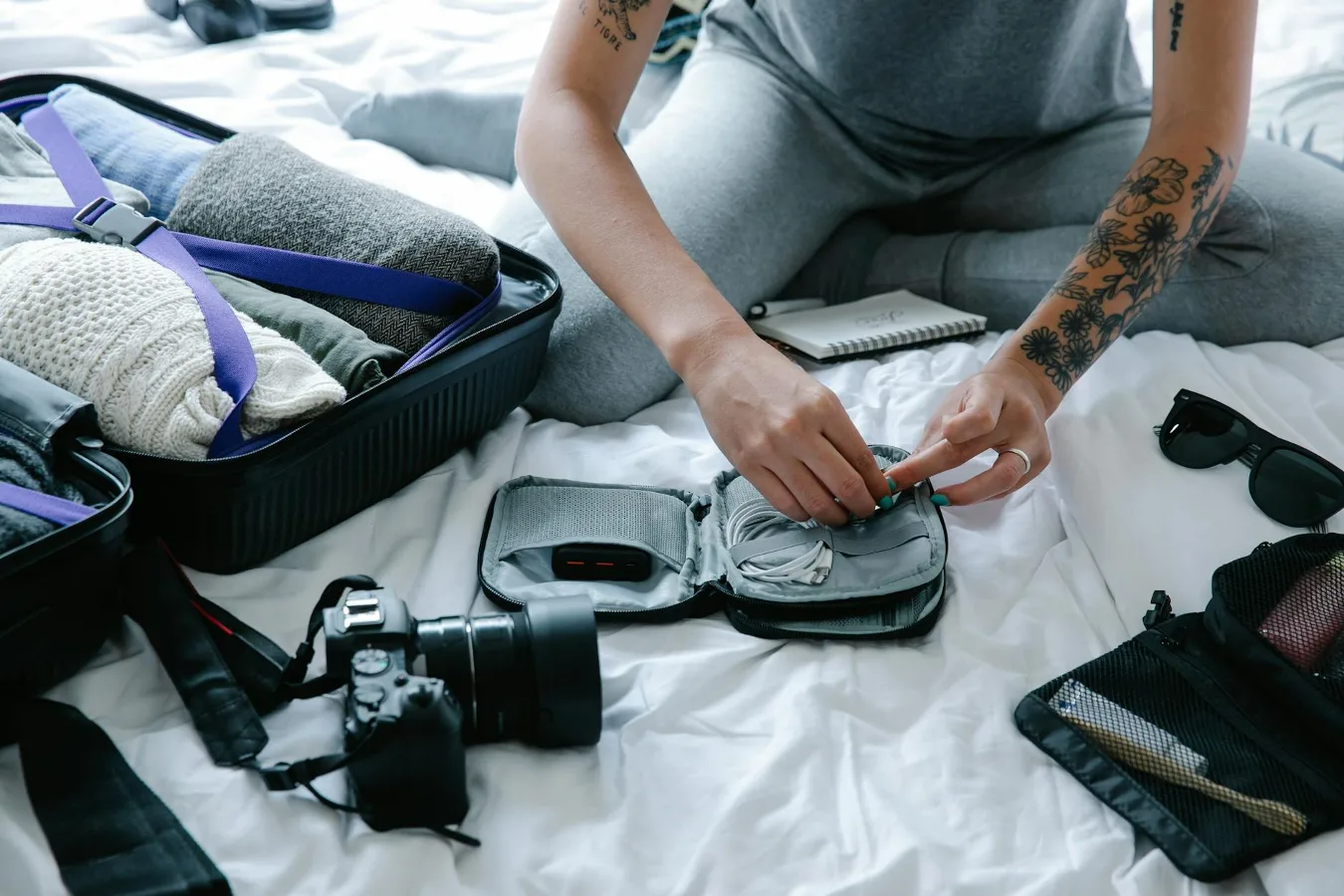
Personalised travel accessories are best chosen for two things at once: they should help a traveler stay organized, and they should be easy to identify at a glance. That is why the strongest options are usually not the flashiest ones. They are the pieces that make packing simpler, reduce the chance of mix-ups, and still hold up after repeated use. 3D Printed Travel Accessories Guide offers more detail on this point. Personalized Travel Accessories Guide offers more detail on this point.
If you are shopping for yourself or looking for a practical gift, the right choice depends on trip type, travel frequency, and how much personalization is actually useful. A monogram can be elegant on a passport holder, but a bold name tag may be more helpful on checked luggage. Some items are worth customizing because they are handled often. Others are better left plain if the personalization would interfere with durability or flexibility.
Start with the traveler, not the product
The easiest mistake is buying a personalized item because it looks thoughtful without checking whether it fits how the person actually travels. A frequent flyer has different needs from someone who takes a few weekend trips a year. A business traveler may prefer understated personalization, while a family traveler may care more about quick identification and easy maintenance.
A simple way to narrow the field is to think about the main travel pattern:
- Frequent flyers: need accessories that are durable, compact, and easy to spot.
- Vacation travelers: often benefit from organization-focused pieces like packing cubes and toiletry bags.
- Business travelers: may prefer subtle personalization on items such as passport holders, laptop sleeves, or luggage tags.
- Gift buyers: usually want something useful, easy to personalize, and broadly suitable.
This approach keeps the purchase practical. Personalization should support the item’s function, not replace it.
Where personalization helps most
Some travel accessories gain real value from being personalized. These are usually the items that get lost in overhead bins, hotel rooms, or shared spaces, or the ones that are pulled out repeatedly during a trip.
Luggage tags
Luggage tags are one of the most practical personalized travel accessories because they make bags easier to identify quickly. A clear name or initials can help distinguish one suitcase from another, especially when several look similar. For privacy, many travelers prefer a tag that shows just enough information to identify the bag without exposing more than necessary.
Passport holders and travel wallets
These work well with subtle personalization. A monogram or small name detail can make the item feel special without making it look overly busy. Since these accessories are handled frequently, the material and stitching matter as much as the personalization itself.
Toiletry bags
A personalized toiletry bag can be especially useful on family trips or shared bathroom counters. It helps separate one person’s items from another’s and makes packing more orderly. Look for a format that is easy to clean, since toiletries can leak or leave residue over time.
Packing cubes
Packing cubes are a strong personalization choice if the goal is to organize by traveler, outfit, or trip segment. Name labels or initials can help keep each person’s cubes distinct when several bags are opened at once. The label should not interfere with zippers or the ability to compress the cube.
Weekender bags and carry-ons
These are often given as gifts, so personalization can make them feel more personal without changing the item’s usefulness. The key is to choose a style that matches the traveler’s routine. A soft-sided weekender may suit casual trips, while a structured carry-on may work better for business travel.
Trade-offs to think through before buying
Personalisation sounds simple, but it creates a few trade-offs that are easy to miss. The best purchase usually balances style, readability, and long-term wear.
Visibility versus privacy
A bold name is easy to spot, but not every traveler wants their full name displayed on every item. This matters most for luggage tags, passport holders, and bags used in busy airports. Initials can be a good compromise when you want a personal touch without advertising too much information.
Style versus versatility
Highly specific colors, fonts, or motifs can look attractive at first, but they may not suit every trip or every outfit. If the item is meant to be used often, a cleaner design usually lasts longer stylistically.
Personalization versus resale or sharing
Once a piece is customized, it becomes less flexible. That is fine if the item is clearly for one person, but less ideal if you may want to pass it along, lend it, or reuse it for different travelers later.
Decorative detail versus durability
Some customization methods are more durable than others. Embroidery can feel premium, while printed details may show wear sooner depending on the material and how often the item is handled. The point is not that one option is always better, but that the method should match the item’s use.
Material and construction matter more than most shoppers expect
Personalization gets attention, but the underlying material determines whether the accessory will actually last. This is one of the most overlooked considerations, especially for gift purchases. A beautiful monogram on a weak bag does not solve the real problem.
Common material questions
- Outer material: should be able to handle rubbing, stacking, and frequent handling.
- Interior lining: matters for toiletry bags and organizers because it affects cleanup and moisture resistance.
- Hardware: zippers, snaps, rings, and buckles should feel secure and easy to use.
- Stitching: reinforced seams help the item keep its shape over time.
For travel accessories, the best material is the one that matches the use case. A soft fabric may be fine for a packing cube, while a sturdier construction may make more sense for a tag holder or weekender bag.
Ease of care
Travel items are often exposed to dust, spills, cosmetics, and airport handling. Easy-care surfaces are a real advantage. If an accessory needs delicate cleaning or special treatment, that may be fine for occasional use, but it is less convenient for frequent travelers.
How to choose the right item by use case
Not every personalized travel accessory solves the same problem. Matching the item to the trip is usually the smartest way to buy.
For shorter trips
Weekend travelers often need compact organization and quick packing. A personalized weekender bag, toiletry case, or small packing set can be more useful than a large assortment of matching accessories. The goal is convenience, not volume. practical packing organization tips offers more detail on this point.
For air travel
People who fly often should prioritize identification and easy access. Luggage tags, passport holders, and carry-on organizers are especially practical. Avoid bulky personalization that gets in the way of scanning documents or opening compartments quickly.
For families
Family travel benefits from clear labeling. Personalization can reduce confusion around who owns what, especially with similar bags or shared storage space. Packing cubes, toiletry bags, and children’s luggage tags are common choices because they simplify organization in busy settings.
For gifting
Personalized travel accessories make sense as gifts when they are useful without requiring very specific tastes. Neutral colors, simple fonts, and practical formats tend to be safer than highly styled designs. If you are unsure, choose an item that works for most travelers, then personalize it lightly.
Common mistakes shoppers make
Most disappointment with personalised travel accessories comes from choosing the wrong combination of item, material, and customization style. A few common mistakes show up again and again.
- Choosing style before function: a pretty item is not helpful if it does not fit the traveler’s routine.
- Over-personalizing a low-use item: not every accessory needs a full name or bold design.
- Ignoring maintenance: some materials look good but are harder to clean after travel.
- Picking a format that is too bulky: travel accessories should save space, not take it up.
- Forgetting privacy: visible personal details can be unnecessary on some items.
A practical rule: if the accessory is likely to be packed, unpacked, zipped, wiped, or handled repeatedly, prioritize durability and usability first.
Smart alternatives if you want the same benefit without full personalization
Full customization is not always the best answer. In some cases, a less permanent option can be more useful.
- Color-coding: useful for families or groups who want to distinguish items quickly.
- Removable name labels: helpful when items may be shared or passed on later.
- Initial-only monograms: a good middle ground between style and privacy.
- Distinctive textures or hardware finishes: can make accessories easy to identify without adding text.
- Matching sets in one color family: creates a polished look without needing heavy customization.
These alternatives are especially useful if you are buying for someone whose style you do not know well.
What to check before you personalize
Before placing an order, a few practical checks can prevent disappointment later:
- Confirm spelling, initials, and punctuation carefully.
- Make sure the item still closes, folds, or zips normally after customization.
- Check whether the personalization will be subtle or highly visible.
- Consider whether the item will still suit the traveler in a few years.
- Think about whether the accessory will be used in public, shared, or private settings.
If you are buying as a gift, neutral choices are usually safer unless you already know the recipient’s preferences well.
Recommended next steps for shoppers
The best way to shop for personalised travel accessories is to start with the trip, then choose the accessory, then decide how much customization makes sense. That order keeps the purchase practical and avoids buying a decorative item that is awkward to use.
If you are building a travel set, begin with the pieces that create the most day-to-day value: luggage tags, a passport holder, a toiletry bag, or packing cubes. If you are shopping for a gift, focus on items that are easy to match to most travelers and simple to maintain. And if you want something understated, initials or a small monogram are often enough.
The best personalised travel accessories do not just look thoughtful. They make travel easier, clearer, and less stressful.
FAQ
What are the most useful personalised travel accessories?
Luggage tags, passport holders, toiletry bags, packing cubes, and carry-on organizers are often the most practical choices because they are used often and easy to identify.
Are personalised travel accessories a good gift?
Yes, as long as the item is broadly useful and the personalization is tasteful. Neutral styles and simple initials are usually safer when you are unsure of someone’s preferences.
Should I choose a full name or initials?
Initials are usually more versatile and private. A full name can help with identification, but it is not always necessary on every travel item.
What material is best for travel accessories?
That depends on the item. Look for materials that are durable, easy to clean, and suited to the accessory’s use. For example, toiletry bags need easier cleanup than a simple luggage tag.
Can personalised travel accessories still be practical for frequent flyers?
Yes, if you keep the design compact, durable, and easy to use. Frequent flyers often benefit most from accessories that help with identification and organization without adding bulk.