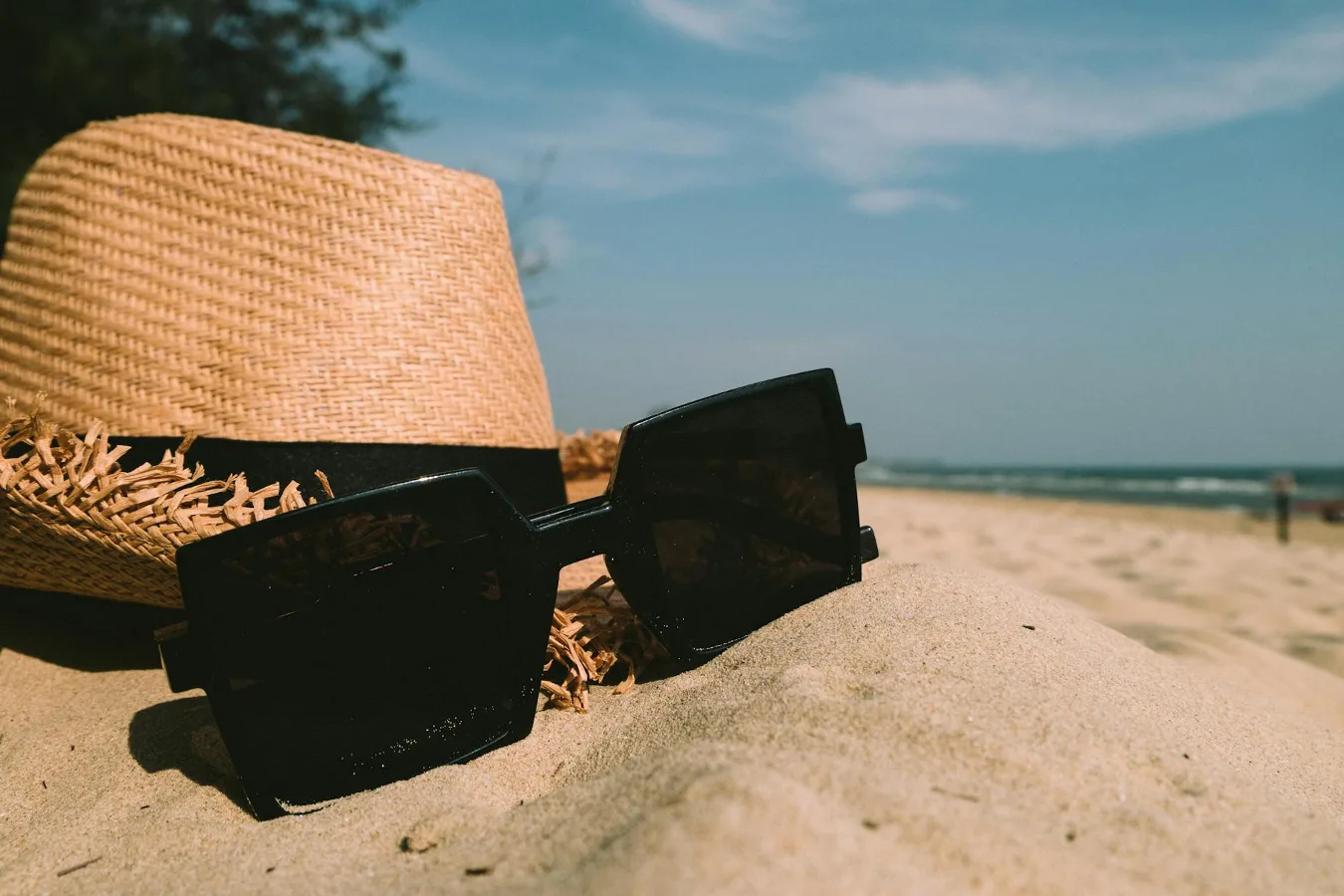
Beach travel accessories are the small items that make a beach trip easier to pack, carry, and enjoy. The best choices help you manage sand, sun, water, and clutter without filling your bag with extras you will not use. vacation accessories guide offers more detail on this point. Personalised Travel Accessories: A Practical Guide offers more detail on this point.
If you are shopping for beach travel accessories, start with the basics: a reliable carry bag, sun protection, a way to keep wet items separate, and a few organization tools. From there, the right setup depends on how you travel, who you are packing for, and whether you want something lightweight, family-friendly, or more durable for repeated use. travel accessories for gifts offers more detail on this point.
Quick answer: what beach travel accessories are worth buying?
The most useful beach travel accessories are the ones that solve real beach-day problems. A good beach bag, a quick-dry towel, a dry bag or waterproof pouch, sunscreen-friendly storage, a reusable water bottle, and a simple organizer usually cover the essentials.
For many travelers, the smartest approach is not buying a large collection of beach-specific gear. It is choosing a small group of accessories that are easy to carry, easy to clean, and useful beyond one trip. That usually means items that are lightweight, resistant to sand and moisture, and simple to stow in a suitcase or carry-on.
How to compare beach travel accessories
Commercial searches for beach travel accessories usually come down to convenience. The details matter because beach gear faces different conditions than everyday travel items.
1. Sand resistance and cleanup
Sand gets into seams, zippers, straps, and pockets quickly. Accessories with smooth surfaces, open weaves that shake out easily, or simple designs with fewer compartments are often easier to maintain than heavily detailed pieces.
This is an overlooked consideration: more pockets can seem helpful, but too many pockets can trap sand and moisture. If you hate cleaning gear after a beach day, a simpler design may be the better trade-off.
2. Water resistance versus waterproofing
Many shoppers use these terms interchangeably, but they are not the same. Water-resistant accessories can handle splashes or damp conditions. Waterproof items are designed to keep contents protected for longer exposure to water. For beach use, that difference matters for phones, wallets, keys, and electronics.
If you only need to protect a few valuables while walking from the car or hotel to the shore, a water-resistant pouch may be enough. If you expect boating, wave exposure, or a lot of wet storage, a true dry bag or sealed case is more practical.
3. Packability and weight
Beach travel accessories should not create packing stress. Foldable totes, compact pouches, and collapsible organizers are easier to fit into luggage than rigid containers. Weight also matters if you are carrying chairs, drinks, toys, and towels over a long distance.
For air travel, packability becomes even more important. Bulky accessories may be useful on arrival, but they can make your suitcase harder to manage if they do not compress well.
4. Comfort and carry style
Look at how the item will actually be carried. Wide shoulder straps, padded handles, and crossbody designs can reduce strain. If you are walking across parking lots or boardwalks, hands-free options are often more comfortable than oversized totes.
For families, this usually means separating carry roles. One bag may handle towels and snacks, while a smaller pouch holds valuables and sunscreen. That approach can be more practical than trying to make one oversized bag do everything.
5. Ease of cleaning
Beach accessories get dirty fast. Materials that wipe clean easily are usually more useful than delicate fabrics that require special care. Mesh, coated fabrics, and simple synthetic materials are often easier to rinse or shake out.
Before buying, think about maintenance. A beach item that needs careful laundering after every trip may be less appealing than a simpler option you can rinse and dry quickly.
Beach travel accessories by use case
Different trips call for different gear. Instead of trying to buy everything, match accessories to the way you actually travel.
For minimalist travelers
If you like to travel light, focus on a few multipurpose items: a foldable tote, a compact towel, a small waterproof pouch, and a reusable bottle. These cover the essentials without turning your luggage into a beach supply kit.
Minimalists usually benefit from accessories that work outside the beach, too. A packable bag or dry pouch can still be useful on city days, day hikes, or pool visits.
For families
Family trips usually need more storage and more separation. Think about accessories that help with organization: multiple pouches, an easy-to-clean beach tote, insulated storage for snacks, and labels or color-coded bags for each person’s items.
A common mistake is relying on one giant beach bag. It may seem efficient, but it often becomes hard to find sunscreen, wipes, or snacks once everything is mixed together.
For travelers carrying electronics
If you bring a phone, earbuds, e-reader, or camera, prioritize protection. A waterproof pouch or dry bag offers more peace of mind than an open tote alone. Even if you are not planning to swim with your devices, beach conditions can still expose them to moisture, salt, and sand.
Keep in mind that protection is not just about water. Fine sand can scratch screens and work its way into charging ports and zippers.
For beach-to-town trips
If your day includes lunch, shopping, or walking around after the beach, choose accessories that look neat and transition well. A more polished tote, a discreet pouch, and a towel that folds small can be easier to carry through multiple stops than oversized, highly specialized gear.
Common beach travel accessories and what they do well
These are the accessory types most shoppers compare when planning a beach trip.
- Beach tote or beach bag: Carries towels, snacks, sunscreen, and extras. Look for comfort, capacity, and easy cleanup.
- Dry bag or waterproof pouch: Helps protect phones, wallets, keys, and other valuables from moisture and sand.
- Quick-dry towel: Dries faster than a standard cotton towel and usually packs smaller.
- Insulated cooler bag: Useful for drinks, fruit, and cold snacks. Consider size, leak resistance, and portability.
- Sun hat or visor: Adds shade and can be easier to carry than relying only on sunscreen.
- UV-protective clothing or cover-up: Helpful for extra coverage when the sun is intense or you want a break from reapplying sunscreen.
- Sand-proof pouch or organizer: Keeps small items together so they are easier to find and clean out later.
- Water bottle: Supports hydration and reduces the need for disposable bottles on day trips.
Not every traveler needs all of these. The best beach travel accessories are the ones that fill a real gap in your packing routine.
Mistakes to avoid when buying beach travel accessories
A lot of beach gear looks helpful online but becomes annoying in real use. A few buying mistakes come up often.
Choosing style over function
A bag or pouch may look beach-ready but fail if it is hard to clean, too flimsy, or awkward to carry. For beach travel, function should usually come first, especially if you expect sand, salt, and wet swimsuits.
Buying oversized accessories you do not need
Large totes and oversized coolers can be useful, but they are not always the best fit for short beach outings. Bigger is not always better if it means more weight and more clutter.
Ignoring closure type
Zippers, magnetic closures, open tops, and roll-top seals all serve different purposes. Open bags are easy to access, but they offer less protection. Zip and seal closures add security, but they can be less convenient if you are reaching in often. The right choice depends on how much protection you want versus how often you will open the bag.
Overlooking how items pack together
One of the most practical nuances is compatibility. An accessory may be good on its own but awkward when packed with your other items. For example, a rigid cooler or bulky hat can take up more suitcase space than expected. If you travel often, choose items that nest, fold, or compress well together.
Forgetting maintenance after the trip
Beach accessories need care after use. Salt, sunscreen, and sand can wear down zippers, fabrics, and coatings over time. If you are not willing to rinse, dry, and store items properly, it is usually better to choose simpler accessories that are easier to maintain.
How to choose the right setup for your trip
A good beach packing setup does not have to be complicated. Start by asking three questions:
- What absolutely needs protection from sand or water?
- How far will I carry everything?
- Do I want one bag, or several smaller pieces?
If your trip is short and casual, a compact setup may be enough: one beach bag, one pouch for valuables, one towel, and sunscreen. If you are spending the whole day at the shore, add insulated storage, extra organization, and a backup item for wet clothes.
The right accessories also depend on the environment. A crowded public beach, a family resort, and a quieter coastal getaway may each call for a different mix of storage, security, and portability.
Alternatives to dedicated beach travel accessories
Sometimes the best choice is not a beach-specific product at all. A general travel organizer, reusable zip pouch, lightweight tote, or packable day bag may do the job well enough if it is easy to clean and large enough for your essentials.
This can be especially useful if you only take a few beach trips each year. In that case, versatile accessories may offer better value than specialized gear that only gets used occasionally.
FAQ about beach travel accessories
What are the most essential beach travel accessories?
The most essential items are usually a beach bag, sunscreen, a water bottle, a quick-dry towel, and a pouch for valuables. Add a cooler bag or sun protection gear if your trip is longer or more exposed.
Are waterproof and water-resistant accessories the same?
No. Water-resistant accessories can handle limited moisture, while waterproof accessories are designed for stronger protection. For phones, wallets, and electronics, the difference matters.
What material is easiest to maintain for beach bags?
Materials that wipe clean easily or rinse out well are usually the most practical. Look for simple fabrics and finishes that do not trap too much sand.
Do I need separate accessories for family beach trips?
Often, yes. Families usually benefit from more organization, more capacity, and a way to separate snacks, wet items, valuables, and personal essentials.
What is the biggest mistake people make with beach gear?
Buying accessories that look useful but are too bulky, hard to clean, or poorly organized for real beach conditions. Practical design usually matters more than extra features.