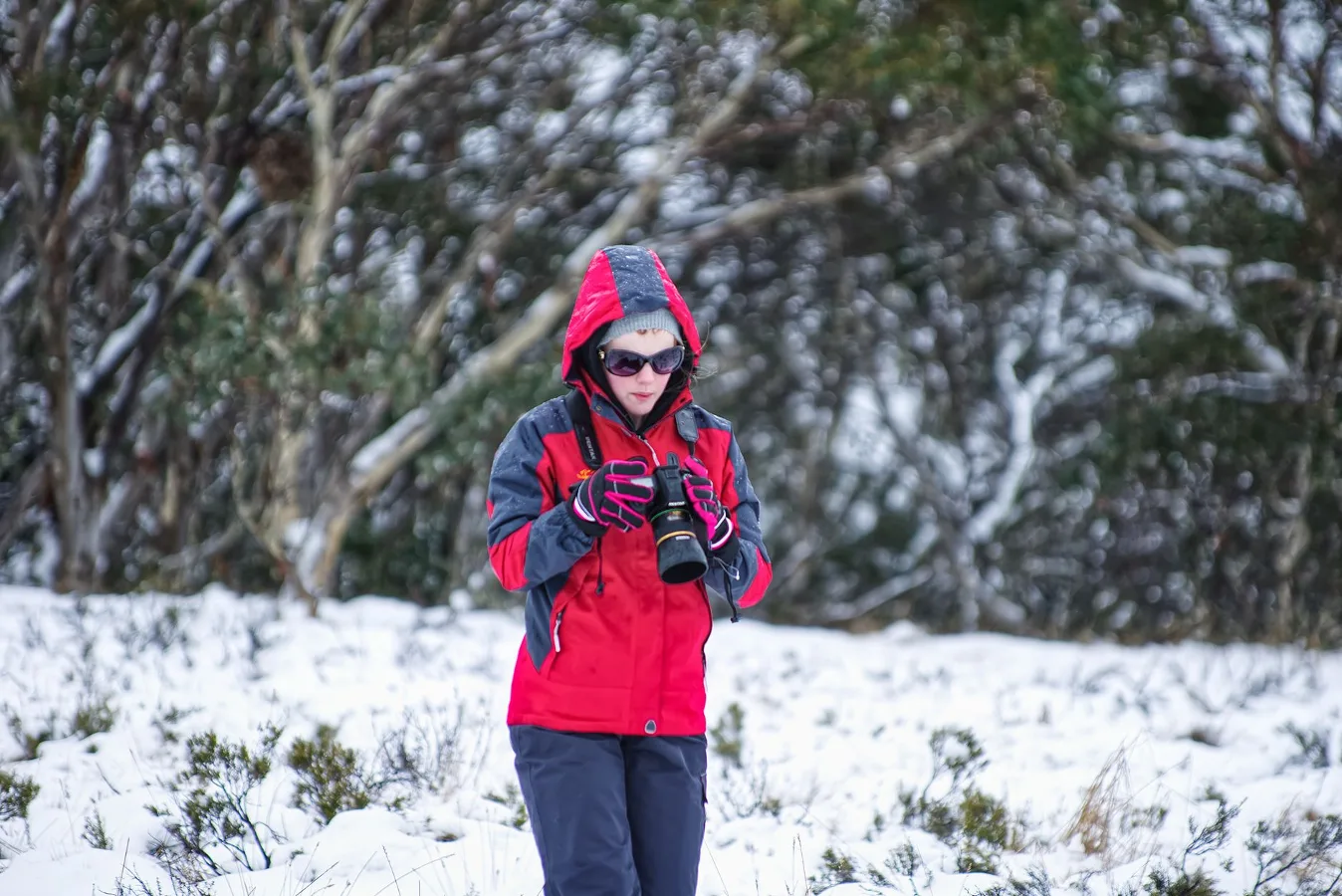
If you are comparing an Axcent outdoor jacket, the main question is not just how it looks. The better question is whether it fits your climate, your layering habits, and the way you actually wear outerwear day to day. how to choose outdoor outerwear offers more detail on this point.
For most shoppers, an Axcent outdoor jacket should be evaluated like any other practical outer layer: check weather protection, fit, breathability, comfort, and how well it works with the clothes you wear underneath. That is especially important in the Outdoor category, where a jacket that looks versatile on paper can feel too warm, too trim, or not protective enough once you put it into regular use. what to look for in a shell jacket offers more detail on this point.
Because product details can vary by style, the safest approach is to focus on the construction and the use case. A jacket for commuting in changing weather has different priorities than one for weekend walks, light hiking, or travel. The right choice depends on how much protection you need, how often you will wear it, and whether you prefer a lighter layer or something built for more demanding conditions.
Quick answer: what to look for first
Start with three checks: fit, weather protection, and layering space. If an Axcent outdoor jacket fails one of those, it may still look appealing but be frustrating in real life.
Fit matters because outdoor jackets need enough room for movement without feeling bulky. Weather protection matters because wind, drizzle, and temperature swings are usually the reason people buy this type of jacket in the first place. Layering space matters because many outdoor jackets are worn over shirts, sweaters, or fleece, not directly against skin.
Then look at the smaller details: hood design, pocket placement, cuff adjustment, closure quality, and whether the jacket feels suited to your usual environment. A commuter in a city with frequent rain may prioritize different features than someone who wants a casual jacket for cool, dry weekends.
How to compare an Axcent outdoor jacket with other options
Since “outdoor jacket” can mean many things, the best comparison is usually between jacket types rather than only between brands. Axcent may offer styles that lean casual, weather-ready, or travel-friendly, so comparing the category helps you avoid choosing the wrong kind of layer.
| Jacket type | Best for | Main advantage | Common limitation |
|---|---|---|---|
| Lightweight shell | Mild rain, wind, layering | Easy to wear over other layers | Little warmth on its own |
| Insulated jacket | Cold conditions | Built-in warmth | Can feel too warm for active use |
| Softshell | Dry, active conditions | Comfort and mobility | Usually less protective in heavy rain |
| Packable jacket | Travel and backup use | Convenient to carry | May trade structure for portability |
If you want a single jacket for mixed weather, a shell-style or lightweight outdoor jacket is often the most flexible starting point. If you need warmth first and weather resistance second, an insulated option may make more sense. The mistake many shoppers make is buying for the most extreme scenario instead of the one they face most often.
Weather protection: decide how much you actually need
Weather protection is not one feature. It is a combination of wind resistance, water resistance, seam construction, hood coverage, and how the fabric behaves in damp conditions. For many buyers, the real-world question is whether the jacket handles light precipitation and wind comfortably enough for routine wear.
If you live in a place with frequent showers, a water-resistant finish can be more useful than a purely decorative outer layer. If you mainly want a cool-weather jacket for dry days, strong wind resistance and comfort may matter more than rain performance. In climates with big seasonal swings, a jacket that works as a layering piece often earns more use than a heavier piece that only works for a narrow part of the year.
One overlooked point: a jacket can feel “protective” in a store but still be inconvenient if it traps heat during walking, commuting, or travel. That is why breathability matters even when rain protection is your first priority.
Fit and layering: the detail that changes everything
Outdoor jackets are often sized for movement, not tailoring. That means fit should be checked with the layers you expect to wear underneath. A jacket that feels right over a T-shirt may become restrictive over a sweater or midlayer.
Pay attention to shoulder comfort, sleeve length, hem coverage, and whether you can raise your arms without the body riding up. If the jacket has a hood, test whether it sits properly without blocking your view. If you plan to wear it during errands, commuting, or walking, a slightly more relaxed fit may be more practical than a close fit.
A common misconception is that a snug fit automatically looks better and performs better. In outerwear, a fit that is too tight can reduce mobility and limit layering, which can make the jacket less useful across seasons.
Comfort and mobility: where many jackets succeed or fail
Comfort is more than softness. It includes how the fabric moves, whether the cuffs feel secure without pinching, whether the collar chafes, and how the jacket feels after an hour of wear. For active use, mobility can matter as much as insulation.
If you walk a lot, ride a bike, or spend time outside moving between indoor and outdoor settings, a jacket with flexible construction and a comfortable lining is usually easier to live with. A rigid or overly structured jacket may look polished but feel limiting during everyday use.
Think about how often you will be taking the jacket on and off. A smooth zipper, easy-to-use pockets, and closures that are simple with gloves or cold hands can make a surprising difference in day-to-day satisfaction.
Materials and care: practical considerations, not just labels
Material information can help you understand the jacket’s likely strengths. Some outer shells are chosen for wind resistance and easy care, while others focus on softness or a more natural feel. Lined styles may feel more comfortable in cooler weather, but they can also take longer to dry or feel warmer than expected indoors.
Maintenance is worth considering before you buy. If a jacket needs more careful washing, reproofing, or specific storage habits, that affects long-term value. A lower-maintenance jacket can be a better fit for someone who wants an easy grab-and-go layer, even if it is not the most technical option available.
Also consider how the fabric behaves over time. Some jackets are better for repeated daily wear, while others are more suited to occasional use. The best choice is the one that matches your routine, not just your wishlist.
Benefits and trade-offs to expect
A well-chosen Axcent outdoor jacket can be useful because it bridges the gap between casual outerwear and weather-ready clothing. That makes it a strong candidate for commuting, travel, daily errands, and light outdoor use.
- Versatility: A jacket that works across multiple settings often gets more wear than a highly specialized piece.
- Layering potential: A good outer layer can adapt to shifting temperatures with simple midlayers underneath.
- Seasonal usefulness: Transitional jackets can stay relevant in spring, fall, and mild winter conditions.
- Convenience: Outdoor jackets often balance coverage and ease, which helps for everyday routines.
The trade-off is that a versatile jacket is rarely the best jacket for every scenario. A lighter style may not be enough in cold, wet weather. A warmer style may feel excessive on active days. A more protective shell may be less comfortable for casual indoor-outdoor use. Knowing that trade-off upfront helps you choose the right balance instead of chasing a perfect all-purpose answer.
Mistakes to avoid before you buy
The most common mistake is choosing based on appearance alone. Outdoor jackets need to be judged by use case first and style second, especially if you expect to wear them regularly. Outdoor Jackets: Choosing the Right One offers more detail on this point.
- Ignoring layering needs: Buying too slim a fit can make the jacket hard to use in cooler weather.
- Overbuying protection: A heavy-duty jacket may be unnecessary if you mostly need a light daily layer.
- Underestimating breathability: A jacket that blocks wind but traps heat can become uncomfortable fast.
- Overlooking closures and pockets: Small usability details affect everyday satisfaction more than many shoppers expect.
- Choosing the wrong season: Some jackets are best for transitional weather, not deep winter or stormy conditions.
Another overlooked issue is maintenance. If you are unlikely to follow special care instructions, prioritize a jacket that fits your routine. A slightly less technical jacket that you wear often is usually a better value than a more advanced option that stays in the closet.
Who an Axcent outdoor jacket is most likely to suit
An Axcent outdoor jacket is worth considering if you want outerwear that sits between casual style and practical function. That usually includes people looking for an everyday jacket for commuting, travel, light outdoor activity, or changing weather.
It may also appeal to shoppers who want one jacket that can move easily between errands and casual outings. If your needs are more specialized, though, it helps to narrow the field. Serious cold-weather use, prolonged rain exposure, or technical hiking often calls for more specific construction than a general outdoor jacket can provide.
In other words, this type of jacket is strongest when versatility matters more than specialization.
Practical alternatives if this style is not the right fit
If you decide an Axcent outdoor jacket is not quite the right match, the closest alternatives usually depend on what problem you are trying to solve.
- Rain jacket: Better if your top priority is wet-weather coverage.
- Softshell jacket: Better for mobility and dry, active conditions.
- Insulated jacket: Better if warmth matters more than lightness.
- Puffer jacket: Better for cold weather and easy warmth.
- Packable shell: Better if you need a backup layer for travel or commuting.
Choosing among these options is easier if you start with your climate and routine. A jacket that works for your most common conditions will usually outperform a more impressive-looking one that does not fit your daily life.
FAQs
What should I look for in an Axcent outdoor jacket?
Focus on fit, weather protection, layering room, comfort, and how easy the jacket is to maintain. Those factors matter more than styling details alone.
Is an outdoor jacket good for everyday wear?
Usually yes, if the style is lightweight or transitional and the fit works over your normal layers. Everyday wear often favors comfort and versatility over specialized performance features.
Should I choose a water-resistant or insulated jacket?
Choose water resistance if you need help with wind and light rain. Choose insulation if your main concern is staying warm in colder conditions.
How should an outdoor jacket fit?
It should allow comfortable arm movement and leave enough room for a midlayer without feeling bulky. If you plan to wear thicker sweaters underneath, avoid an overly slim fit.
What is the biggest mistake buyers make?
The most common mistake is buying for appearance or a rare weather scenario instead of the conditions they face most often.
Final buying checklist
Before you choose an Axcent outdoor jacket, ask yourself a few simple questions: Will I wear this mostly in dry weather or mixed weather? Do I need room for layering? Is portability more important than warmth? Will I actually maintain the jacket according to its care needs?
If the answers point toward everyday versatility, a lighter outdoor jacket can be a strong choice. If they point toward cold or wet exposure, prioritize protection first. Either way, the best decision is the jacket that fits your routine, not the one with the broadest label.