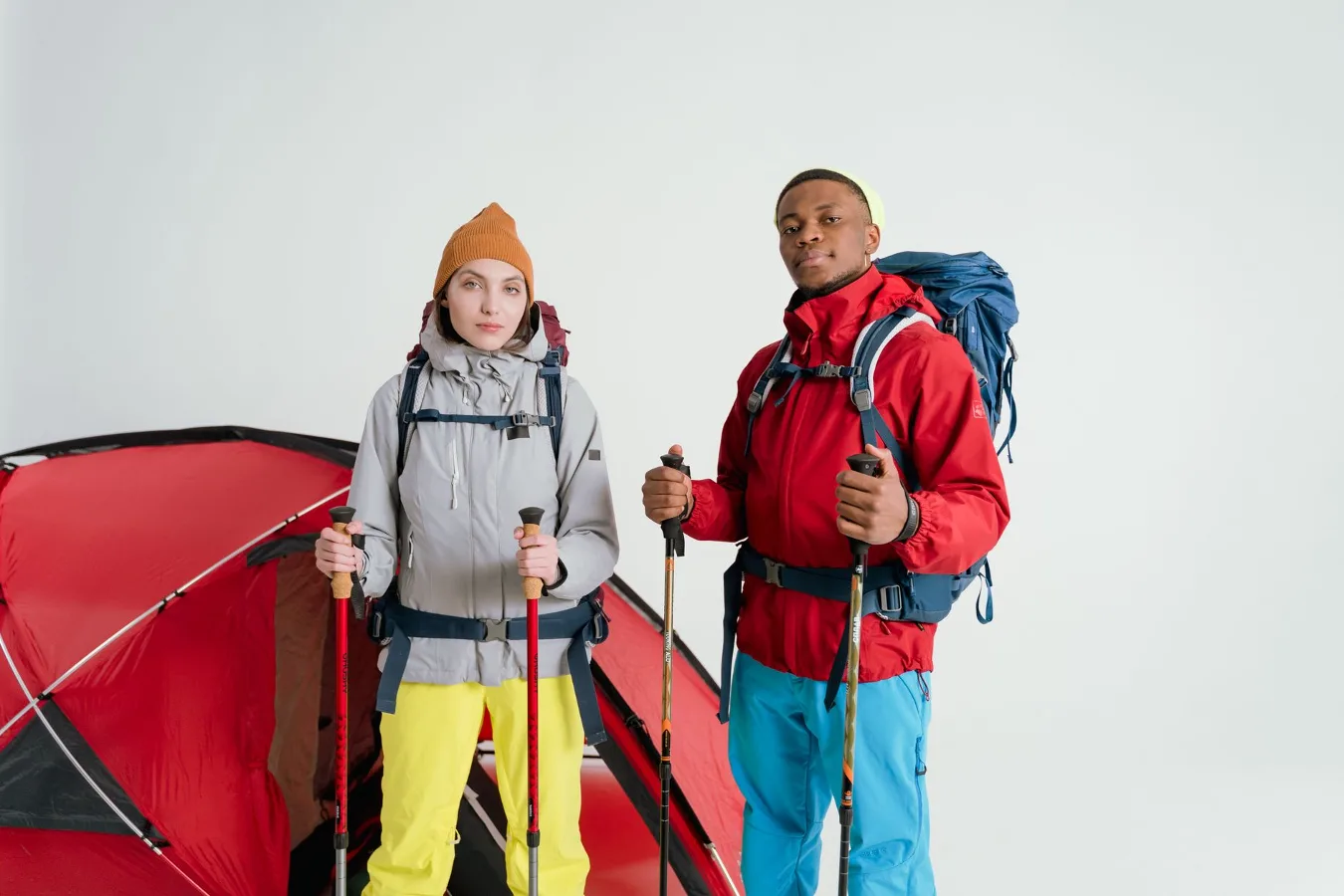
What an outdoor jacket should do
An outdoor jacket should protect you from the conditions you actually face, while still letting you move, layer, and stay comfortable. For most people, that means balancing weather resistance, breathability, fit, durability, and weight. The right jacket is not always the warmest or the most waterproof one; it is the one that matches your activity and climate. urban outdoor jacket offers more detail on this point. Liv Outdoor Jacket: What to Know Before Buying offers more detail on this point.
The phrase “always striving for excellence” makes sense here because a good outdoor jacket is built around constant trade-offs. More protection can mean less breathability. More insulation can mean less versatility. More durability can add weight. A smart purchase starts with understanding which trade-offs matter most for your use case.
If you are shopping for an outdoor jacket, the first step is not choosing a brand or style. It is identifying whether you need a shell, an insulated jacket, a softshell, or a hybrid piece. That decision shapes everything else.
The key factors that matter most
Weather protection
Weather protection is the most obvious function, but it is also the one people often misunderstand. A jacket can block wind well without being fully waterproof. Another can resist light rain but struggle in prolonged wet weather. For outdoor use, think in terms of exposure rather than labels alone.
If you spend time in steady rain, look for a jacket designed as a true rain shell or hardshell. If you mostly deal with wind, mist, or brief showers, a water-resistant softshell or treated jacket may be enough. The key is matching the jacket to the amount of moisture and wind you expect, not just assuming “waterproof” automatically means better for every situation.
Breathability and comfort on the move
Breathability matters any time you are active. A jacket that seals out weather but traps heat and moisture can quickly become uncomfortable, especially on hikes, walks, or commutes that involve effort. Venting, fabric construction, and the jacket’s overall design all affect how well it manages internal moisture.
This is one of the most overlooked considerations. People often focus on keeping rain out and forget that sweat creates its own discomfort. If you run hot, climb hills, or wear the jacket for active days, breathability may matter as much as waterproofing.
Fit and layering space
An outdoor jacket should fit the layers you actually wear underneath it. Too tight, and you lose mobility and warmth. Too loose, and cold air can move inside the jacket, reducing comfort and making the silhouette feel bulky. The right fit depends on whether the jacket is meant for a base layer only, or for a full layering system with fleece or insulation underneath.
Check how the jacket feels in the shoulders, elbows, and torso. Lift your arms. Reach forward. Sit down if you can. Outdoor jackets often look fine standing still but become restrictive in motion. If you plan to wear it with sweaters or midlayers, make sure the cut allows room without becoming sloppy.
Durability and fabric choice
Durability is especially important if you use your jacket for hiking, travel, chores, or everyday wear in rough weather. Fabrics, seam construction, zippers, and reinforcement at stress points all affect how long a jacket stays useful. A lighter jacket can be convenient, but ultra-light fabrics usually demand more care and may be less forgiving around abrasion.
For many buyers, the smartest approach is to decide how hard the jacket will actually be used. A commuter jacket does not need the same level of abrasion resistance as a backcountry shell. Likewise, a jacket for occasional weekend use may prioritize packability over heavy-duty construction.
Warmth and insulation
Warmth depends on whether the jacket includes insulation, how much it has, and how well it works with your other layers. Insulated jackets are convenient because they reduce the need for extra pieces, but they are less adaptable than shells. If temperatures change often, a modular layering setup may be more practical.
Consider whether you need active warmth or standby warmth. For higher-output activities, too much insulation can cause overheating. For slower-paced use, especially in cold wind, an insulated jacket can feel much more comfortable than a shell alone.
Choosing the right type of outdoor jacket
Shell jackets
Shell jackets are designed primarily to protect against wind, rain, and general exposure. They are a strong choice if you want flexibility and plan to layer underneath. A shell is often the best starting point for people who need one jacket that can adapt across seasons.
Use a shell when weather protection matters more than warmth from the jacket itself. This makes sense for hiking, travel, unpredictable forecasts, and people who prefer to control insulation with separate layers.
Softshell jackets
Softshell jackets usually offer a more comfortable feel, better stretch, and a quieter fabric than hard shells. They are often appreciated for active use in cool, dry, or lightly wet conditions. They may not match a true rain shell for heavy precipitation, but they can be more pleasant for all-day wear.
Softshells are a practical option if you value mobility and breathability over maximum storm protection. They are especially useful in shoulder-season weather, when full winter insulation is too much but a lightweight layer is still needed.
Insulated jackets
Insulated jackets add warmth directly to the outer layer. They can simplify dressing in cold weather, especially for low-activity use. The trade-off is reduced versatility: once insulation is built in, it is harder to adjust for changing temperatures. how to layer for changing weather offers more detail on this point.
Choose insulation if you want a jacket that feels ready to wear with minimal layering. If your use includes frequent movement, variable conditions, or indoor-outdoor transitions, a separate shell and midlayer may serve you better.
Rain jackets
Rain jackets are for wet weather first. They should keep water off, manage runoff, and remain wearable when conditions turn damp for longer periods. A good rain jacket is often less about warmth and more about keeping the rest of your clothing dry.
One common mistake is using a casual rain jacket for activities that generate a lot of heat. If breathability is too low, the jacket can feel clammy even when it keeps the rain out. For active use, look for a balance between waterproofing and ventilation.
Practical buying guidance based on use case
For hiking and trail use
Hiking jackets should prioritize mobility, weather protection, and packability. Because trail conditions change, a jacket that layers well and compresses easily can be more useful than a heavier, more feature-rich model. Hoods, hem adjustments, and sleeve articulation matter more than many buyers expect.
If you hike in mixed weather, a shell plus a separate insulating layer usually gives the most control. If you hike in cooler, drier conditions, a breathable softshell may be the more comfortable choice.
For travel and everyday wear
For travel, versatility often matters most. A jacket that works in wind, light rain, cool temperatures, and crowded transit settings is usually more valuable than one that excels in only a narrow range. Packability, wrinkle resistance, and a clean silhouette can all matter here.
Many people underestimate how often a travel jacket is worn indoors or during transitions. If you will be carrying it often, weight and compressibility become practical advantages rather than luxury features.
For cold, windy conditions
In cold wind, the jacket’s ability to block airflow can be as important as insulation. Windproofing can dramatically improve comfort even when temperatures are not extreme. If your activity level is low, a wind-blocking insulated jacket may feel much better than a bare shell.
For active use in cold conditions, choose a breathable system that allows moisture to escape while still reducing heat loss. Otherwise, perspiration can undermine the warmth you are trying to preserve.
For wet climates
In persistently wet environments, a true weatherproof jacket becomes more than a convenience. Seam construction, hood design, cuff adjustment, and the jacket’s ability to shed water all become important. A poor fit at the hood or wrists can make a good fabric feel disappointing in real use.
This is where people often overfocus on fabric labels and underfocus on design details. A jacket’s performance depends on how it is built, not just the marketing term printed on the tag.
Common mistakes when buying an outdoor jacket
- Buying for looks first. A jacket can look technical without matching your actual weather or activity needs.
- Choosing maximum waterproofing for every use. The most weatherproof option is not always the most comfortable or versatile.
- Ignoring layering space. A jacket that fits over a T-shirt may fail once you add a fleece or sweater.
- Overlooking breathability. Staying dry from rain does not help if sweat makes you damp from the inside.
- Forgetting about mobility. Tight shoulders, short sleeves, or a stiff hood can reduce usefulness quickly.
- Assuming one jacket can do everything. Many wardrobes work better with two focused jackets than one compromise piece.
How to compare jackets without getting lost in labels
Marketing terms can blur together, so it helps to compare jackets using a short checklist. Ask whether the jacket is mainly for weather protection, warmth, mobility, or all-around wear. Then look at how the design supports that purpose.
| What to compare | Why it matters | Best for |
|---|---|---|
| Weather resistance | Determines how well the jacket handles rain and wind | Wet, windy, unpredictable conditions |
| Breathability | Helps reduce internal moisture during activity | Hiking, commuting, active use |
| Layering room | Affects comfort and seasonal flexibility | Cold-weather layering systems |
| Weight and packability | Impacts travel and carry convenience | Travel, emergency carry, day hikes |
| Durability | Helps the jacket hold up to repeated use | Frequent wear, abrasion-prone activities |
Use this comparison to narrow your choices before focusing on color, style, or extra features. That keeps the purchase grounded in use rather than impulse.
Practical solutions for getting more from one jacket
If you want an outdoor jacket to cover more situations, the most effective solution is often layering. A breathable base layer, a midlayer for warmth, and a shell for weather protection can handle more variability than a single heavy jacket. This approach also lets you adjust throughout the day.
Another practical solution is choosing a jacket with adjustable details. Hood, cuffs, and hem adjustments can dramatically improve comfort in changing conditions. These details matter more than decorative features because they help the jacket work with your body and the weather.
Care also affects performance. Dirt and residue can reduce how fabrics shed water and how breathable a jacket feels. Follow the care instructions on the garment label, and treat the jacket as functional equipment rather than casual clothing if you expect it to perform consistently.
Limits worth accepting upfront
No outdoor jacket excels in every category. A lightweight packable jacket usually sacrifices durability. A highly waterproof shell may feel less breathable. A warm insulated jacket may not adapt well to changing temperatures. The best purchase is usually the one whose weaknesses are acceptable for your routine.
That trade-off is not a flaw in the category; it is the reality of outdoor apparel design. Understanding that helps you avoid disappointment and choose with clearer expectations.
A simple way to decide
If you need one jacket for variable weather, start with a shell and add insulation separately. If you want one easy grab-and-go piece for cold weather, look at insulated jackets. If comfort and movement matter most in cool conditions, consider a softshell. If rain is your biggest challenge, prioritize true waterproof protection and a hood that fits well.
The most useful jacket is the one that fits your climate, your activity level, and your layering habits. Once those three pieces are clear, the rest of the decision becomes much easier.
Frequently asked questions
What is the best type of outdoor jacket for everyday use?
The best everyday option is usually the one that balances weather resistance, comfort, and versatility. For many people, that means a lightweight shell or a softshell, depending on how much rain protection they need.
Is a waterproof jacket always better than a water-resistant one?
Not always. Waterproof jackets are better in sustained wet weather, but they can be less breathable or less comfortable for active use. Water-resistant jackets can be a better fit for light precipitation and general wear.
Should I buy an insulated jacket or a shell?
If you want warmth built in, choose insulated. If you want more flexibility across temperatures, choose a shell and add layers underneath. Shells are usually better for variable conditions.
How should an outdoor jacket fit?
It should allow comfortable movement and enough room for the layers you plan to wear, without feeling bulky or loose. Pay attention to shoulders, sleeve length, and how the jacket feels when your arms are raised.
What features are worth paying attention to first?
Start with weather protection, breathability, fit, and layering space. After that, look at hood design, durability, weight, and packability based on how you plan to use the jacket.