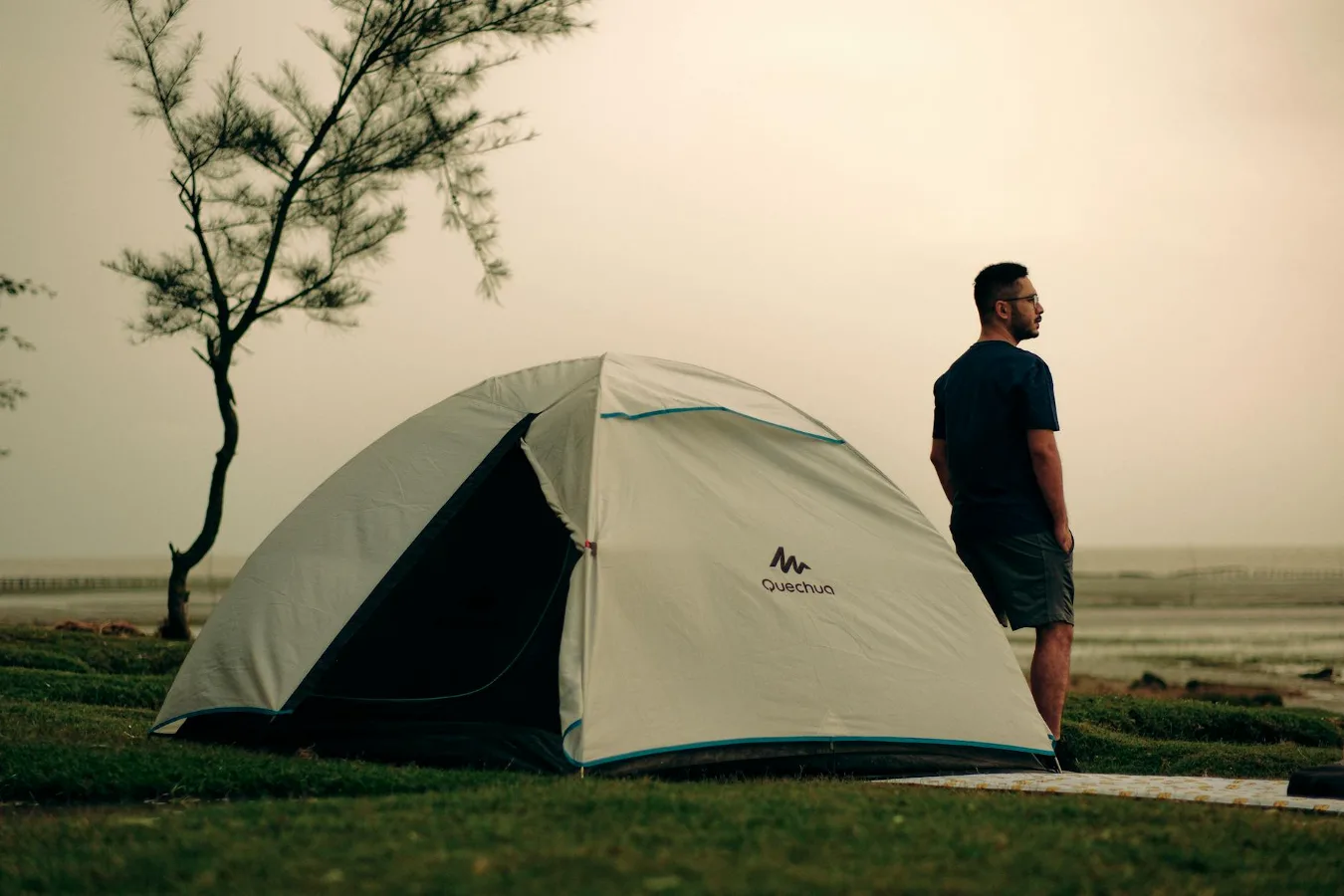
If you are shopping for a 3 man camping tent, the real question is not just how many people it claims to fit. It is whether three adults can actually sleep comfortably, whether the tent can handle the weather you camp in, and whether the packed size and setup fit your style of travel. how to compare camping tent materials offers more detail on this point. nylon camping tent offers more detail on this point.
For most buyers, a 3-person tent works best as a roomy shelter for two people and gear, a compact option for three people who do not mind sleeping close, or a lightweight choice for solo campers who want extra elbow room. That makes it a versatile size, but also one where the details matter more than the label.
Who a 3 Man Camping Tent Is Best For
A 3 man camping tent is a strong fit for a few common scenarios. The best use case depends on how you camp, how much gear you carry inside, and how much personal space matters to you. Best Moto Camping Tent: What to Look For offers more detail on this point.
- Two adults with gear: This is often the most comfortable setup, especially if you want space for shoes, packs, or extra layers inside the tent.
- Solo campers: A 3-person tent can feel luxurious for one person, though it usually adds weight and bulk compared with a smaller solo tent.
- Three people on short trips: This can work if you value portability over comfort and do not plan to spend much time inside the tent.
- Car campers: If weight is less of a concern, a 3-person tent offers a practical balance of size and convenience.
The common misconception is that a tent labeled for three people will feel comfortable for three adults in real camping conditions. In practice, sleeping pads, sleeping bags, and gear take up more room than many shoppers expect. If comfort is important, it is often smarter to treat the tent as a two-person-plus-gear shelter rather than a true three-person bedroom.
The First Decision: Comfort or Portability
Before comparing tent materials or weather features, decide what matters more: comfort or portability. That single choice narrows the field fast.
If you are car camping, you can usually prioritize livability. Look for more floor space, better headroom, and useful storage areas like vestibules. If you are hiking to camp, weight and pack size become much more important. A tent that feels generous at the campsite may feel inconvenient on the trail if it is bulky or slow to pitch.
This trade-off is one of the most overlooked parts of tent buying. A roomier tent is often easier to live in, but harder to carry. A lighter tent is easier to transport, but may feel cramped once sleeping pads and bags are inside.
Material and Build Factors That Actually Matter
For a 3 man camping tent, the materials and construction details affect comfort, durability, and weather performance more than many shoppers realize. You do not need to memorize technical terms, but you should know what each part contributes.
Tent body and rainfly
The tent body usually influences breathability, while the rainfly helps shield you from wind and moisture. A full-coverage rainfly generally offers better protection in wet or breezy conditions than a partial design. If you camp in variable weather, this is worth paying attention to.
Pole design
Poles influence setup ease, stability, and interior shape. Freestanding designs are popular because they are easier to pitch, move, and adjust. They are also more forgiving on campsite surfaces that do not allow stakes to hold as securely.
Floor and seams
The tent floor matters because it handles ground contact, abrasion, and moisture pressure from below. Seam construction also matters for weather resistance. While marketing often focuses on fabric types, the real-world difference often comes from how well the floor, seams, and rainfly work together.
Zippers and vestibules
Zippers should feel smooth and sturdy, because they are among the most used parts of any tent. Vestibules are especially useful in a 3-person tent because they give you a place to stash muddy shoes or damp packs without crowding the sleeping area.
Space: The Spec Most Buyers Misread
The stated capacity of a tent is only a rough starting point. Actual comfort depends on floor dimensions, wall angle, peak height, and how much of the footprint is usable at sleeping level.
A tent with steep walls and good headroom often feels more spacious than one with the same capacity but sloped sides that eat into usable space. That matters if you sit up often, change clothes inside the tent, or camp in poor weather and spend more time indoors.
Look beyond the person count and think about:
- Floor space: Affects sleeping comfort and how many pads fit side by side.
- Headroom: Makes a tent easier to live in during rainy or windy conditions.
- Vestibule space: Helps keep gear outside the sleeping area.
- Door layout: Multiple doors can make middle-of-the-night movement less disruptive for groups.
For many buyers, a three-person tent is really about balance. You get more room than a compact two-person model without moving all the way up to a larger, heavier family tent.
Weather Protection and Seasonal Fit
A 3 man camping tent should match the conditions you expect most often. The right choice for summer campground use may not be the right choice for windy shoulder-season trips.
Think about how the tent handles three basic weather concerns: rain, wind, and temperature management. A tent that sheds rain well but traps heat can feel uncomfortable in humid weather. A tent with strong ventilation may feel ideal in summer but less protected if the weather turns rough.
For buyers in the United States, regional conditions matter. Humid Southeast summers, dry mountain evenings, and wet Pacific Northwest weekends all place different demands on a tent. The best tent is not the most feature-heavy one; it is the one that suits your typical camping environment.
Ventilation, Condensation, and Everyday Comfort
Ventilation is one of the most practical features in any camping tent, especially in a compact size. When three people share a relatively small shelter, moisture from breathing and damp clothing can build up quickly.
Good airflow helps reduce condensation, but it does not eliminate it entirely. That is why vents, mesh panels, and fly design matter. A well-ventilated tent can feel more comfortable on warm nights and help the interior dry out faster after rain or heavy morning dew.
A useful nuance: more mesh is not always better. Extra mesh can improve airflow in warm weather, but it may also reduce warmth in cooler conditions. The best setup depends on the kind of camping you do most often.
Weight, Packed Size, and Setup: The Practical Trade-Offs
A 3 man camping tent usually sits in the middle ground between compact backpacking shelters and larger basecamp tents. That middle ground is useful, but it comes with trade-offs.
Weight affects how far you can comfortably carry the tent and how appealing it is for hike-in campsites. Packed size affects how easily it fits in a trunk, gear bin, or backpack. Setup affects whether you will actually enjoy using it after a long drive or a long day on trail.
For many shoppers, an easy setup is more valuable than a slightly lower weight. A tent that pitches quickly and predictably can reduce frustration, especially in changing weather or at dusk. If you camp with kids, arrive late, or move campsites often, this matters a lot.
On the other hand, if your trips involve long carries, every ounce and every inch of packed length becomes more important. In that case, you may need to give up some interior space to keep the shelter manageable.
When a 3-Person Tent Is Not the Best Choice
There are situations where a 3 man camping tent is not the smartest purchase, even if it seems like the safest middle option.
- You want maximum comfort for three adults: A larger tent may make more sense if sleep quality matters more than portability.
- You backpack frequently: A smaller, lighter shelter may be easier to carry and faster to manage on the trail.
- You camp in heavy rain or extended cold: You may want a tent with more weather-focused features and greater interior space for wet gear management.
- You camp solo but value simplicity: A smaller one-person or two-person tent can be easier to pack and pitch.
In other words, the right size is not always the most versatile size. The best tent is the one that matches your most common trip, not your rarest one.
How to Compare 3 Man Camping Tents Without Getting Distracted
When comparing options, it helps to focus on the features that affect real use rather than marketing language. A good comparison usually comes down to a few questions.
- How many people will actually sleep inside? If it is rarely three, comfort matters more than the stated capacity.
- Will you carry it far? If yes, packed weight and size deserve more attention.
- What weather do you expect? Rain, wind, and heat all influence the best design.
- How much gear will stay inside? Vestibules and floor space become more important when gear cannot stay outside.
- How often will you set it up? Frequent use favors simple, intuitive construction.
This is where many buyers make a mistake: they compare capacity first and everything else later. For tents, the features that seem secondary on paper often determine whether the shelter feels good to use.
Useful Alternatives If a 3 Man Camping Tent Is Close But Not Perfect
If you are unsure whether a 3 person tent is the right fit, a few alternatives are worth considering.
Two-person tent: Better if you want lower weight, smaller packed size, and a more trail-friendly setup. This is a common choice for backpackers and solo campers who travel light.
Four-person tent: Better if you want more living space, room for gear, or a more relaxed setup for car camping. This can also be useful if you camp with a child or a dog.
Ultralight shelter system: Better for experienced backpackers who are comfortable trading convenience and privacy for lower carry weight.
These alternatives are not upgrades in every case. They simply solve different problems. The right one depends on whether your priority is sleeping capacity, carry comfort, or campsite livability.
What to Do Before You Buy
A good final check prevents buyer’s remorse. Before choosing a 3 man camping tent, review your usual camping pattern and measure your real needs, not the ideal ones.
- Count the number of sleepers who will use it most often.
- Think about whether gear will stay inside the tent or in a vestibule.
- Consider whether you need a fast pitch for weekend trips.
- Match the tent to the weather you actually camp in, not just the weather you hope for.
- Compare dimensions, not just capacity labels.
If you do that, a 3-person tent can be one of the most practical choices in the outdoor gear lineup. It offers enough flexibility for many campers without becoming oversized or overly specialized.
The best version is the one that fits your real trips: roomy enough to live with, light enough to carry if needed, and durable enough to handle the conditions you expect. That balance is the whole point of this size class.